+86-571-22917799



 English
 简体中文
简体中文 русский
 Español
Content
What PEVA Laminated Fabric Is
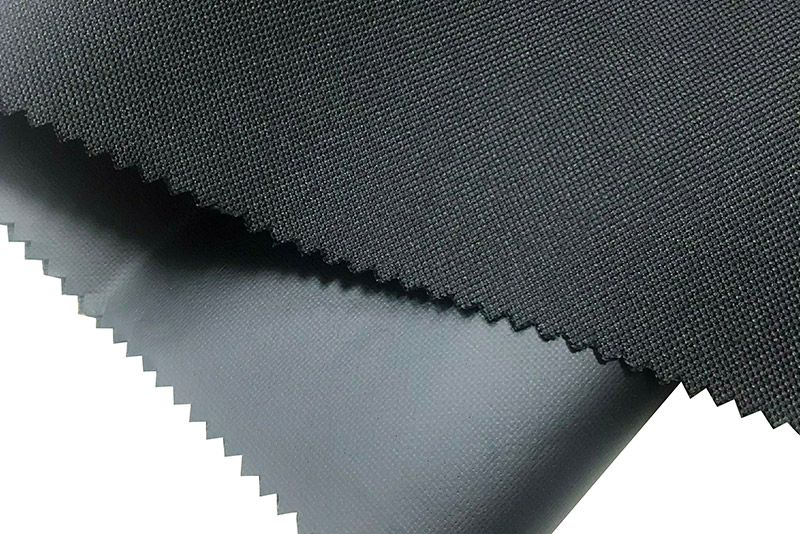
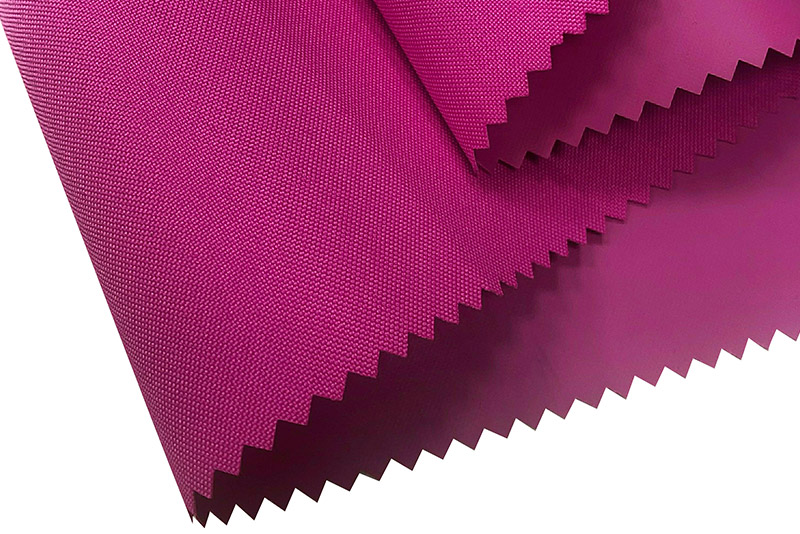
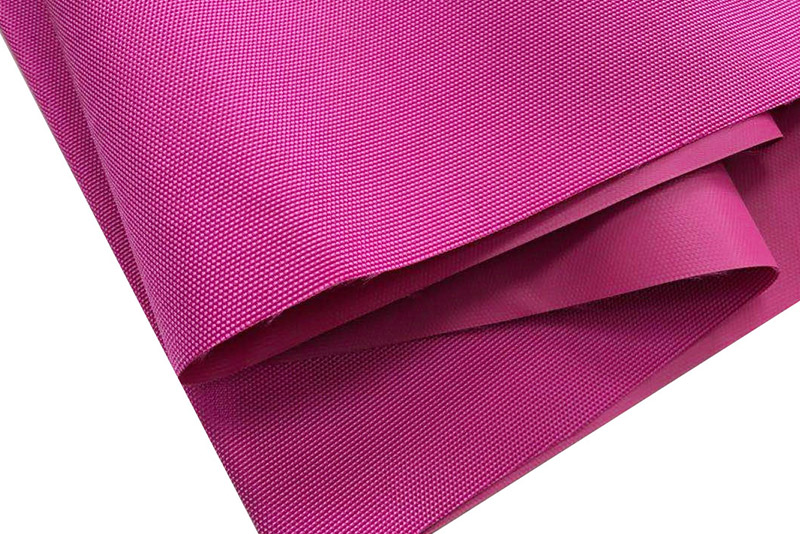
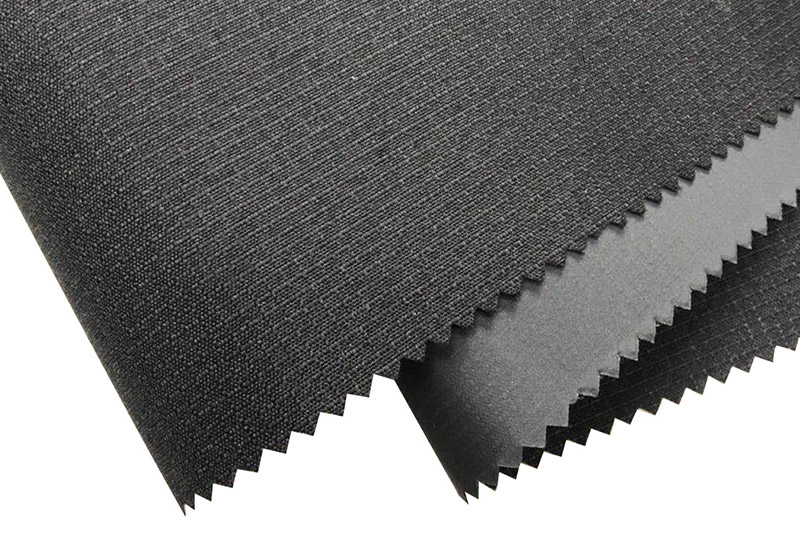
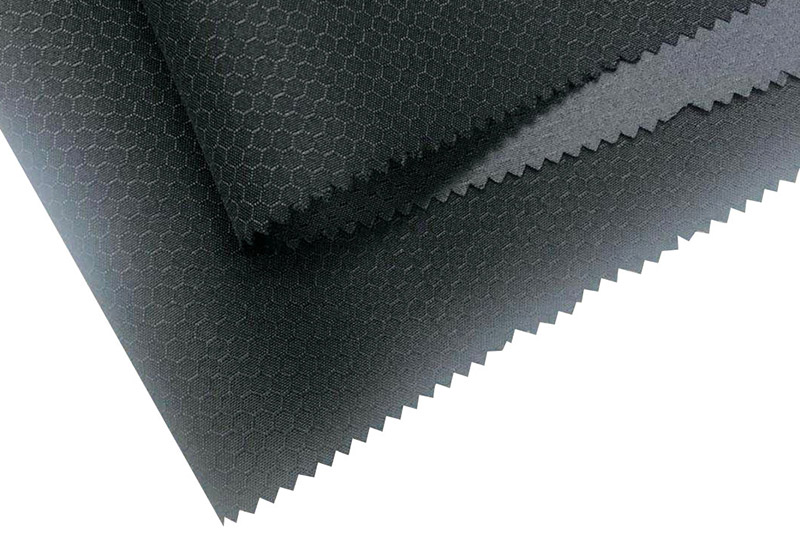
PEVA laminated fabric is a textile product created by bonding a layer of polyethylene vinyl acetate (PEVA) film onto a woven or knitted base fabric, typically polyester or cotton blend, using heat and pressure. The resulting material combines the flexibility and breathability of a textile backing with the waterproof, protective properties of the PEVA film layer. PEVA itself is a thermoplastic material that serves as a common alternative to PVC (polyvinyl chloride) in applications where chlorine-free materials are preferred, since PEVA does not contain chlorine or the plasticizers commonly associated with PVC production.
This lamination process makes PEVA fabric widely used in products requiring waterproofing without the stiffness or environmental concerns sometimes associated with PVC-coated textiles, including shower curtains, tablecloths, rainwear, and protective covers.
How the Lamination Process Works
Understanding how PEVA film bonds to base fabric helps explain the material's performance characteristics and where seams or edges may require additional reinforcement in finished products.
Thermal Bonding
In thermal lamination, the PEVA film is heated to a semi-molten state and pressed directly onto the base fabric using heated rollers. The heat allows the film to partially penetrate the fabric's woven or knitted structure, creating a mechanical bond as it cools and solidifies, rather than relying solely on adhesive.
Adhesive Lamination
Alternatively, some manufacturers apply a thin adhesive layer between the fabric and PEVA film before pressing the two together under heat and pressure. This method can offer more consistent bonding across varied fabric textures, though it may slightly affect the overall flexibility and breathability of the finished material depending on the adhesive type used.
Key Properties of PEVA Laminated Fabric
The combination of a flexible textile base and a waterproof film layer gives PEVA laminated fabric a distinct set of performance characteristics suited to a range of practical applications.
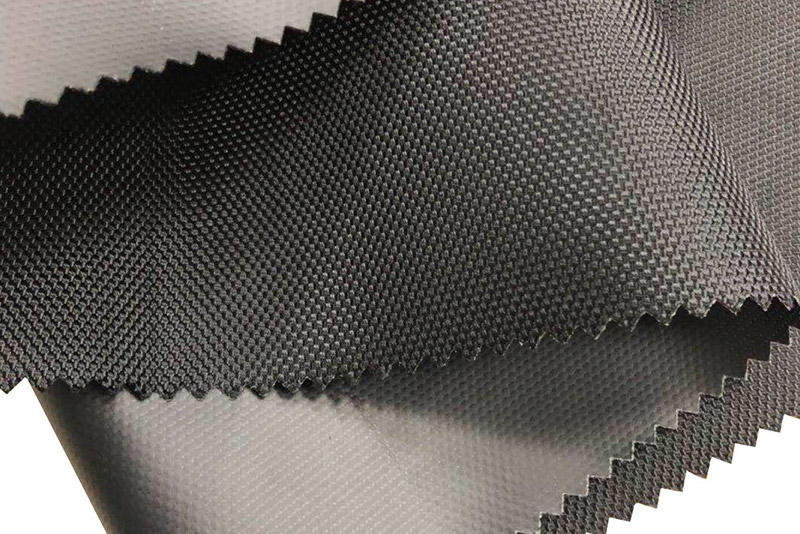
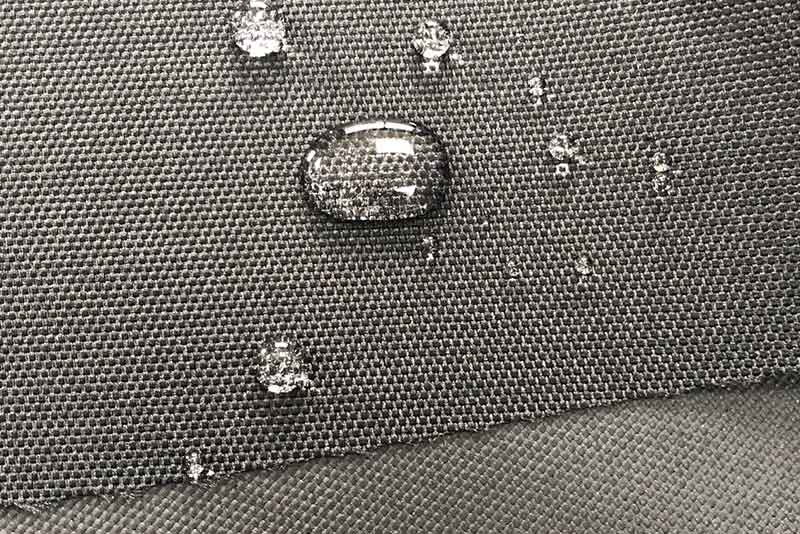
- Waterproof barrier that prevents liquid penetration while maintaining flexibility, unlike stiffer coated alternatives
- Chlorine-free composition, making it a preferred choice for buyers avoiding PVC due to environmental or regulatory concerns
- Resistance to cracking in cold temperatures, since PEVA remains more pliable than PVC at lower temperatures
- Lower odor emission compared to PVC-coated fabrics, particularly noticeable when the material is new
- Good resistance to mildew growth when properly dried, making it suitable for humid or bathroom environments
PEVA vs PVC Laminated Fabric
Buyers often compare PEVA laminated fabric directly against PVC-coated textiles, since both materials serve similar waterproofing functions but differ significantly in composition and handling characteristics.
| Factor | PEVA Laminated Fabric | PVC Coated Fabric |
| Chlorine Content | None | Contains chlorine |
| Flexibility in Cold Weather | Remains pliable | Can stiffen or crack |
| Odor | Minimal | Noticeable when new |
| Recyclability | Generally easier to recycle | More difficult due to additives |
| Cost | Moderate | Generally lower |
Common Applications for PEVA Laminated Fabric
The waterproof and flexible nature of PEVA laminated fabric makes it well suited to a variety of everyday and industrial products. In household goods, it is commonly used for shower curtains, tablecloths, and mattress protectors, where its water resistance and relatively soft hand-feel provide practical benefits over stiffer alternatives. In outdoor and travel products, PEVA fabric appears in rain ponchos, packable rain covers, and waterproof bags, since its lighter weight compared to PVC makes it easier to fold and carry. It is also used in medical and industrial settings for protective covers and disposable aprons, where chlorine-free composition may be a specific procurement requirement.
What to Consider When Sourcing PEVA Laminated Fabric
When evaluating PEVA laminated fabric for manufacturing or product development, buyers should confirm the thickness of the PEVA film layer, typically measured in microns, since thicker films generally offer better puncture resistance but reduce overall flexibility. The base fabric type also matters significantly, as polyester backings tend to offer better dimensional stability than cotton blends, particularly in products that will be washed repeatedly. Buyers should additionally request seam and edge testing results where relevant, since the durability of a laminated product often depends as much on how seams are sealed during garment or product construction as on the fabric's inherent waterproof properties.

 Tel: +86-571-22917799
 Fax: +86-571-82799678
 E-mail:
 Add: No.88 Yinxin Rd.,Yaqian Town,Hangzhou City, Zhejiang, China.