+86-571-22917799



 English
 简体中文
简体中文 русский
 Español
Content
- 1 What Exactly Is 600D Polyester Oxford PVC Coated Fabric?
- 2 Why Choose Polyester as the Base?
- 3 Key Properties at a Glance
- 4 PVC Coating vs. PU Coating: What's the Difference?
- 5 Common Uses Across Industries
- 6 Choosing the Right Fabric for Your Project
- 7 Care and Maintenance Tips
- 8 Final Thoughts from the Mill Floor
In the world of technical textiles, few materials strike the balance between affordability, durability, and dependable waterproofing quite like 600D polyester oxford fabric with a PVC coating. Whether you are sourcing materials for backpack production, outdoor furniture covers, or industrial tarpaulins, this fabric has likely crossed your desk-and for good reason. As a manufacturer with more than two decades of experience weaving and coating polyester oxford fabrics, we have seen firsthand why this specification remains a go-to choice for factories and importers around the world. For buyers who need consistent quality at scale, understanding this fabric's construction and performance is the first step toward making a confident purchasing decision.
What Exactly Is 600D Polyester Oxford PVC Coated Fabric?
Let's break the name down piece by piece. The "600D" refers to the denier of the polyester yarn-the weight in grams of 9,000 meters of that yarn. A higher number means a heavier, thicker yarn, and 600D sits in a practical middle ground: stout enough for demanding uses, yet light enough to keep finished products manageable.
"Oxford" describes the basket-weave construction, typically a plain or panama weave that gives the fabric its distinctive texture. Polyester provides the base with excellent resistance to UV degradation, low moisture absorption, and reliable dimensional stability.
The final element-PVC coating-is where the fabric gains its real superpowers. A layer of polyvinyl chloride is applied to one side of the woven polyester, creating a continuous barrier that blocks water, dust, and most chemicals. The result is a fabric that feels substantial in the hand, shrugs off rain, and stands up beautifully to abrasion and repeated flexing.
Why Choose Polyester as the Base?
Some buyers wonder why polyester is preferred over nylon or cotton for this type of coated fabric. The answer lies in a combination of economics and performance. Polyester yarn offers outstanding tensile strength at a lower price point than nylon. It also resists stretching when wet, a common complaint with nylon-based fabrics.
Against cotton, polyester wins on mildew resistance, weight, and drying speed. Since the PVC layer carries the waterproofing duty, the base fabric does not need to provide water resistance on its own-just a clean, stable substrate with good adhesion characteristics. This is why so many 600D oxford fabric wholesale programs are built around this construction.
Key Properties at a Glance
To help you evaluate whether this fabric suits your next project, we have summarized the most important performance characteristics below.
| Property | Typical Value |
|---|---|
| Fabric weight | 180-300 gsm depending on finish |
| Tensile strength | High; suited for heavy-duty use |
| Waterproofness | Excellent; fully blocks water penetration |
| Abrasion resistance | Good to very good with PVC topcoat |
| UV resistance | Good; polyester resists sun damage |
| Chemical resistance | Good against oils, dilute acids, and alkalis |
| Temperature range | Typically -20 to +70 degrees Celsius |
| Dimensional stability | Excellent; low stretch when wet |
These numbers reflect typical production values we see in our own mill. Of course, exact specifications can be tailored through yarn count adjustments and coating formulas.
PVC Coating vs. PU Coating: What's the Difference?
If you have been sourcing oxford fabrics for a while, you have likely compared PVC-coated fabric with PU-coated alternatives. Both have their place, but they serve different priorities. This comparison clarifies the distinction.
| Criterion | PVC-Coated | PU-Coated |
|---|---|---|
| Waterproof level | Fully waterproof | Depends on coating thickness |
| Surface feel | Rubbery, slightly tacky | Smooth, fabric-like |
| Flexibility at low temperature | Stiffens in extreme cold | Remains more flexible |
| Tear strength | Excellent | Good |
| Cost | Generally lower | Higher for same performance |
| Common uses | Tarpaulins, tents, industrial covers | Backpacks, apparel, indoor bags |
When the task demands maximum waterproofing and hard-wearing resilience, PVC coating is the traditional workhorse. PU is favored when a softer hand feel and better flexibility matter more.
Common Uses Across Industries
Our customers use 600D polyester oxford PVC coated fabric in a surprisingly wide range of products. Understanding these applications can help you position your own product line.
Luggage and Backpacks
The fabric's resistance to water and abrasion makes it a natural match for the luggage industry. A PVC-backed luggage fabric adds a clean internal finish while keeping contents dry. It also wipes clean easily, which matters for bags that live a rough life on airport carousels, train racks, and truck cabs.
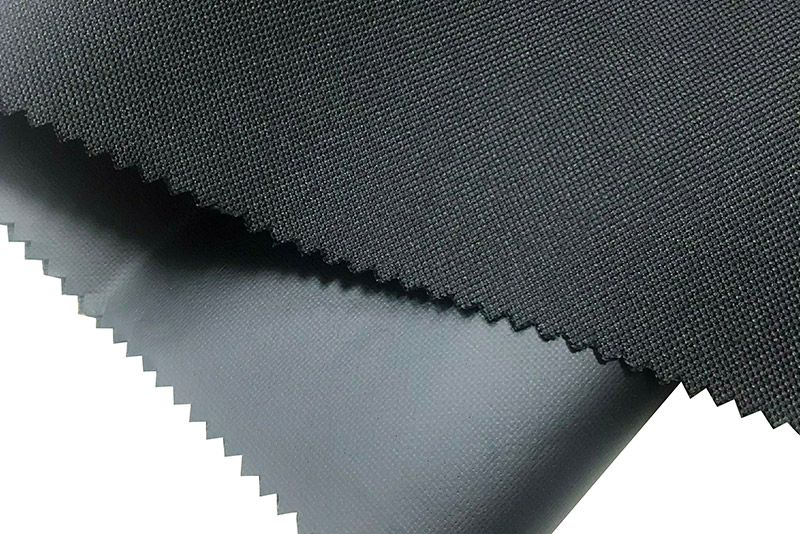
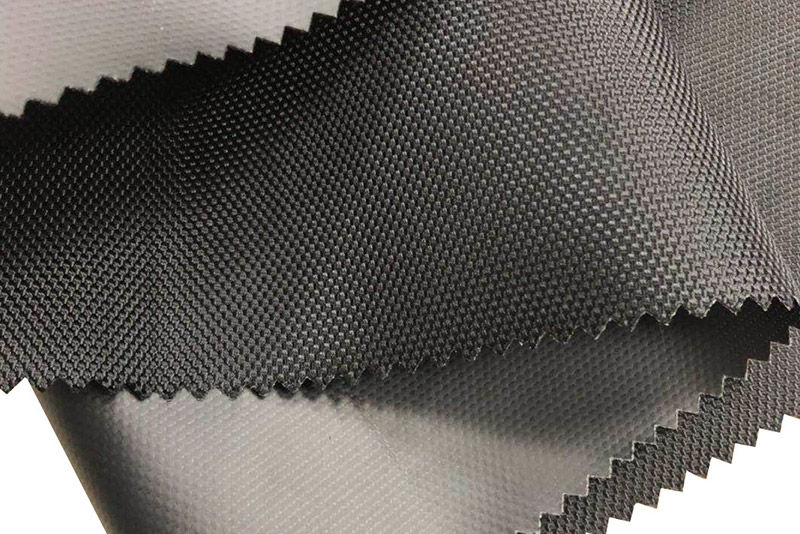
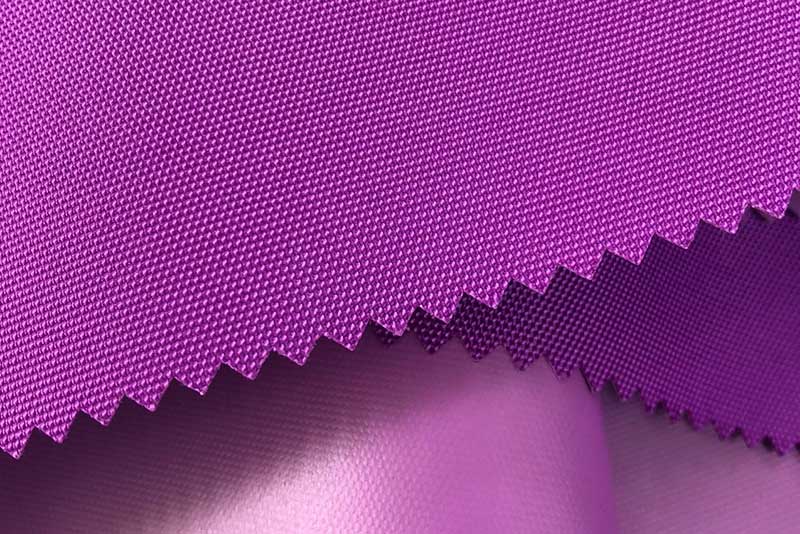
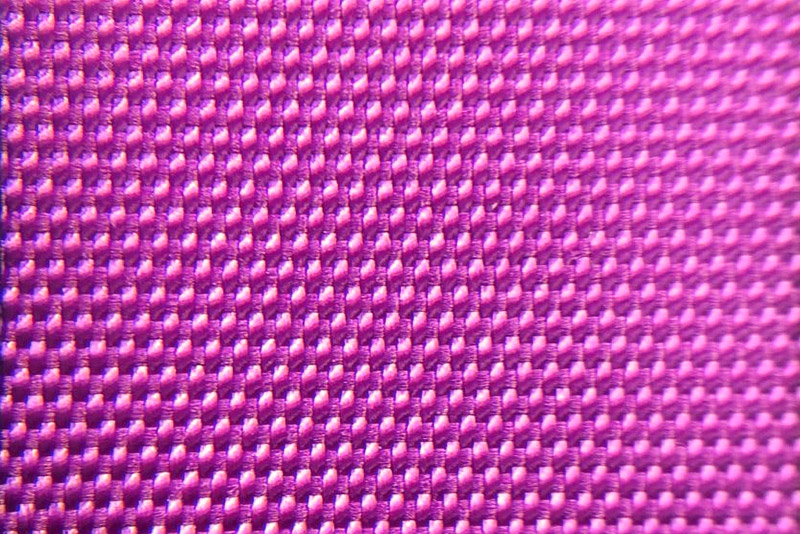 PVC-Coated 600D Polyester Oxford Fabric for Luggage and TentsThis PVC-coated 600D polyester oxford fabric suits luggage linings and tent bases, offering water resistance, abrasion protection, and a clean internal finish. Useful for bags and outdoor shelters where durability matters.View Product →
Tents and Camping Gear
Tents need to block rain, resist wind-driven wear, and still fold compactly. A 600D PVC coated base is a classic choice for family camping tents, fishing shelters, and festival awnings, where the slight extra weight is an acceptable trade-off for reliable weather protection.
Outdoor Covers and Tarpaulins
Boat covers, patio furniture covers, and construction tarpaulins all demand real toughness. Here, the fabric's combination of a robust polyester weave and a continuous PVC layer handles prolonged sun exposure, heavy rain, and physical battering without losing its integrity.
Industrial and Agricultural Applications
From machinery dust covers to grain storage sheets, industrial users prize this fabric for its straightforward cleaning, chemical resistance, and long service life.
Choosing the Right Fabric for Your Project
Not all 600D polyester oxford PVC coated fabric is created equal. When you approach a supplier, ask about these variables.
Yarn Quality and Weave Structure
The same nominal 600D yarn can produce very different fabrics depending on the number of filaments, twist level, and weaving density. A reputable mill will provide data on thread count, weight, and tensile strength.
Coating Weight and Formulation
PVC coating thickness directly affects waterproofness, hand feel, and flexibility. Thicker coatings generally offer better protection but reduce pliability. Make sure your supplier can adjust the coating weight to your specific application.
Color and Print Options
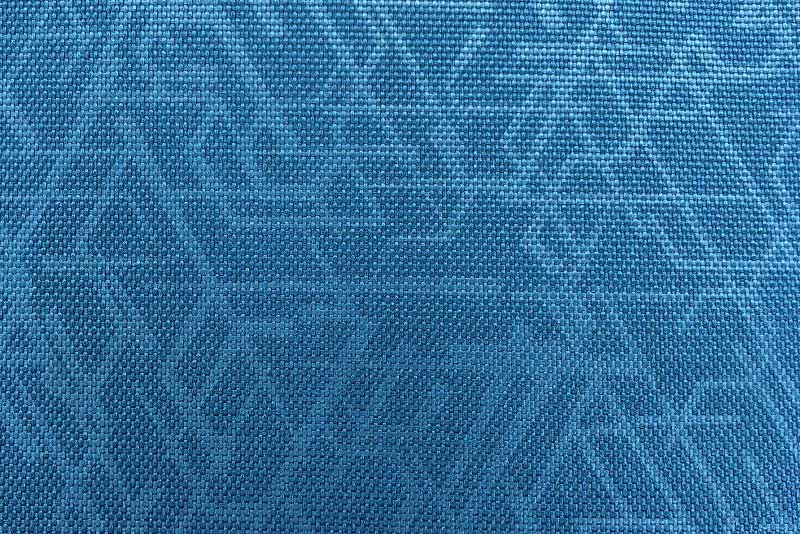
One advantage of working directly with a manufacturer is access to custom color matching and printing. Our mill offers more than 2,000 print designs and can develop bespoke patterns for brand-specific requirements.
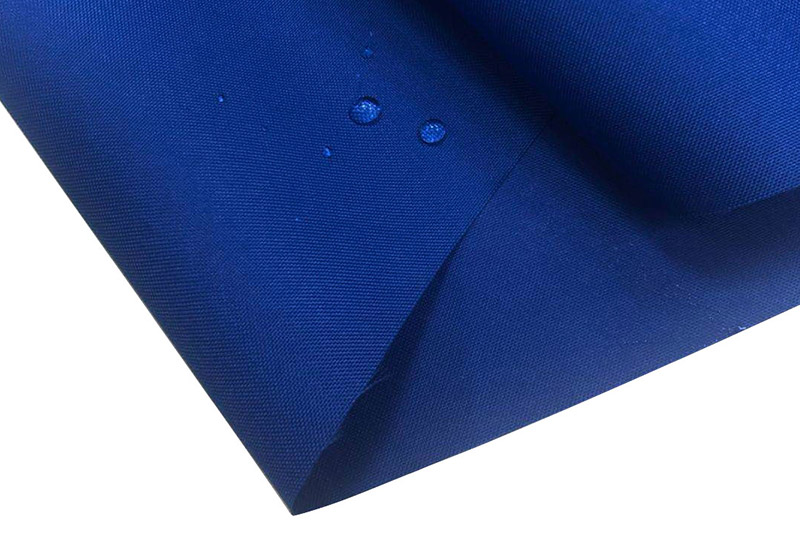
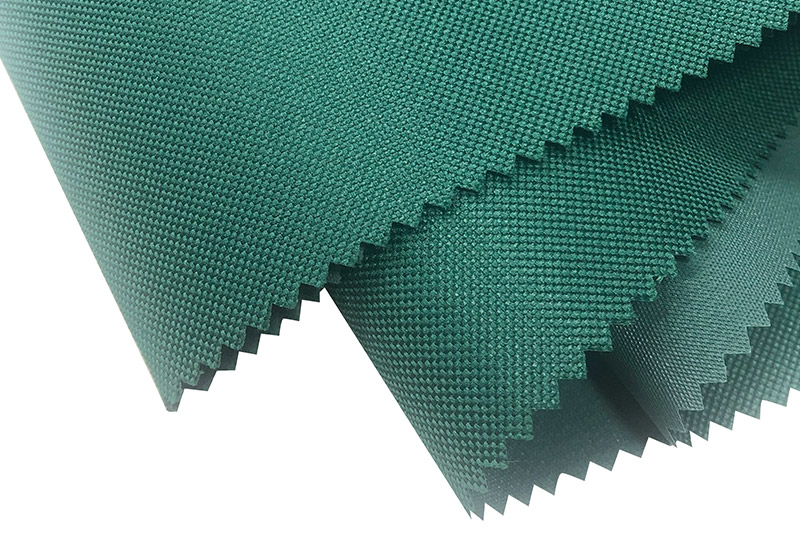
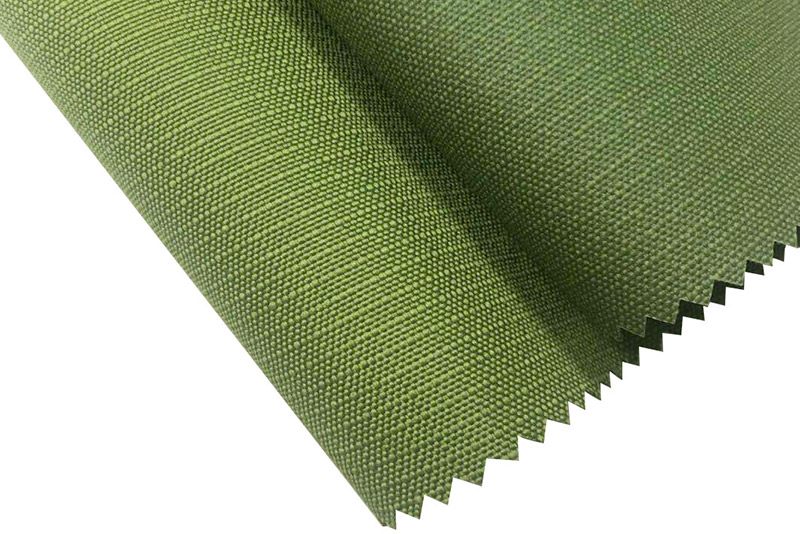
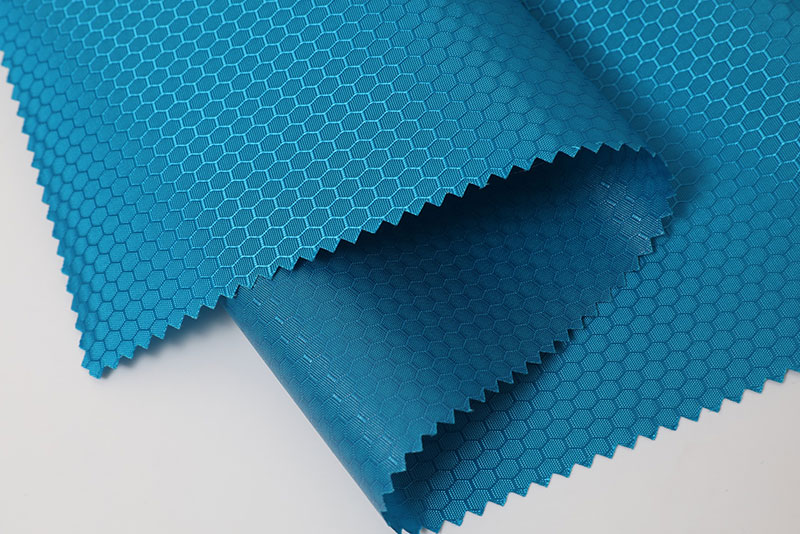
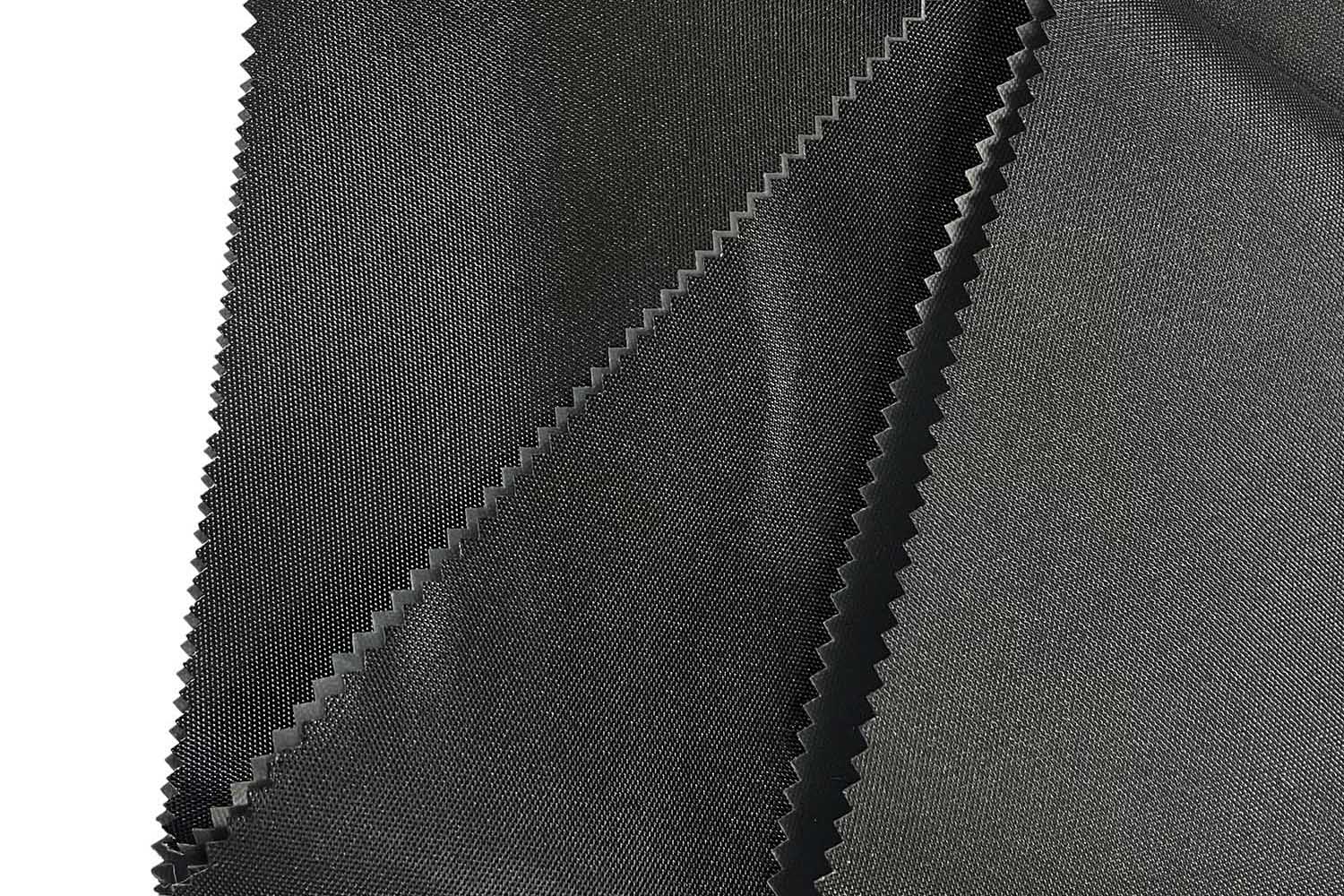 Customizable 600D Polyester Oxford Fabric with PVC CoatingA 600D polyester oxford fabric with PVC backing, available in custom colors and prints. This mill-made material supports brand-specific patterns and can meet REACH, ROHS, and EN71-3 standards for varied applications.View Product →
Compliance and Testing
If your products must meet specific flammability, chemical, or environmental standards, confirm test reports with the fabric supplier. Leading factories will happily provide documentation.
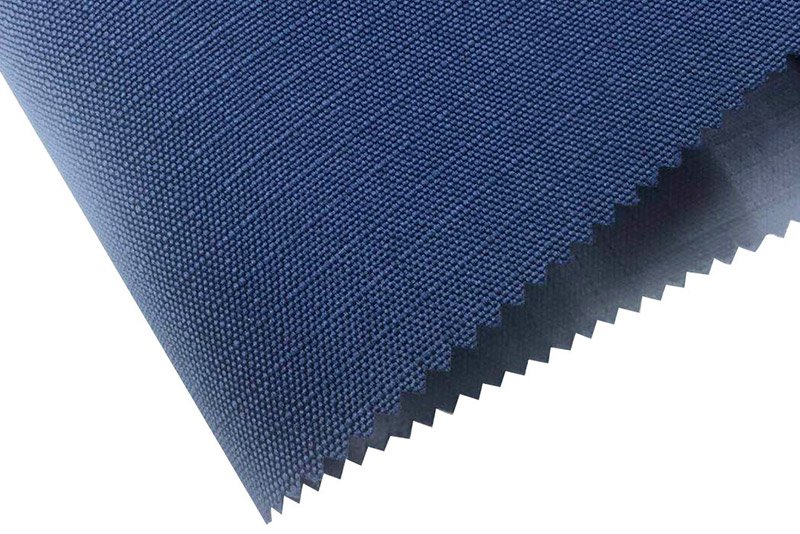
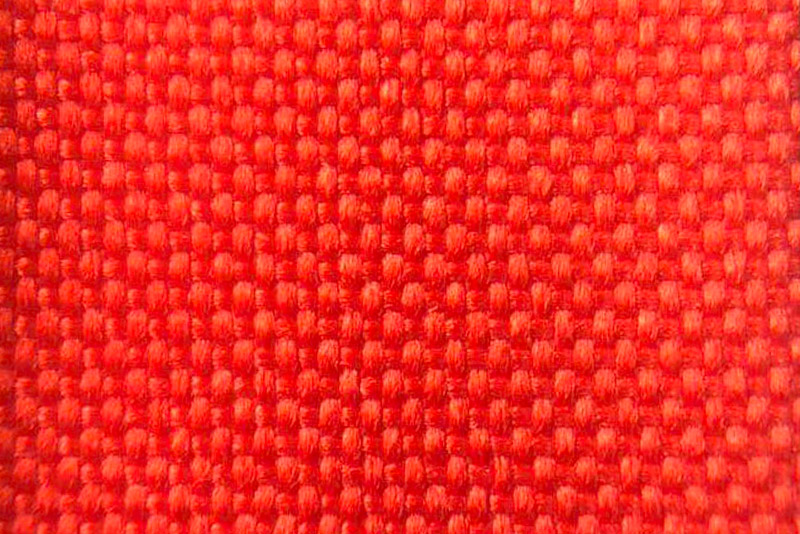 1000D Polyester Oxford Fabric with PVC BackingThis 1000D polyester oxford fabric with PVC backing provides a heavier, more durable option for demanding uses. It is suitable for products needing robust weather protection and is backed by manufacturer expertise.View Product →
Care and Maintenance Tips
End users often ask how to maintain PVC-coated oxford products. Practical care is simple:
- Wipe with a damp cloth and mild soap for routine cleaning.
- Avoid prolonged exposure to extreme heat, which can soften the PVC layer.
- Store in a dry, shaded place to slow UV aging.
- Do not machine wash or dry clean; the coating can crack or peel.
Following these steps will extend the life of any product made from coated oxford.
Final Thoughts from the Mill Floor
We have been weaving and coating 600D polyester oxford PVC coated fabric for more than twenty years. In our experience, this fabric remains one of the most cost-effective and reliable options for manufacturers who need a material that simply does its job. Whether you are planning a new backpack line, replacing a failing tarpaulin material, or exploring waterproof textiles for the first time, 600D polyester oxford PVC coated fabric deserves a serious look.
If you are evaluating suppliers, we would be glad to walk you through our production process, share test data, and send fabric swatches. A good working relationship starts with asking the right questions-and we are always happy to help answer them.

 Tel: +86-571-22917799
 Fax: +86-571-82799678
 E-mail:
 Add: No.88 Yinxin Rd.,Yaqian Town,Hangzhou City, Zhejiang, China.