+86-571-22917799



 English
 简体中文
简体中文 русский
 Español
Content
Understanding PE and PEVA Laminated Fabric
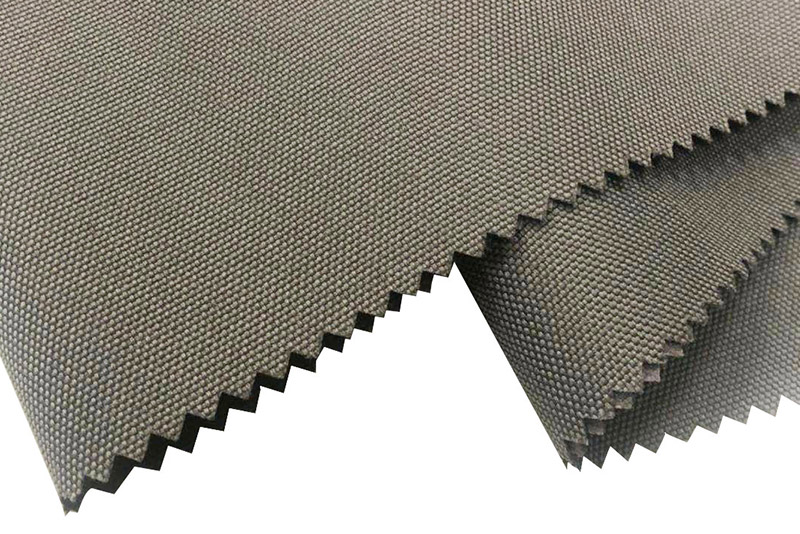
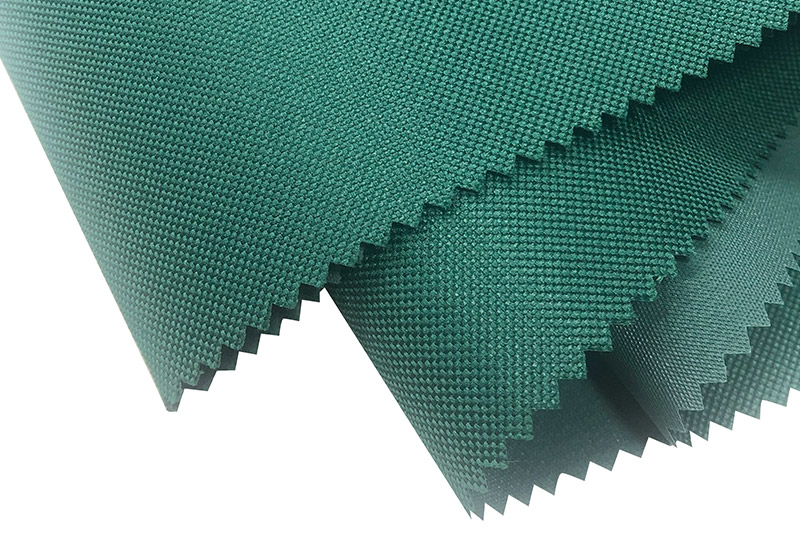
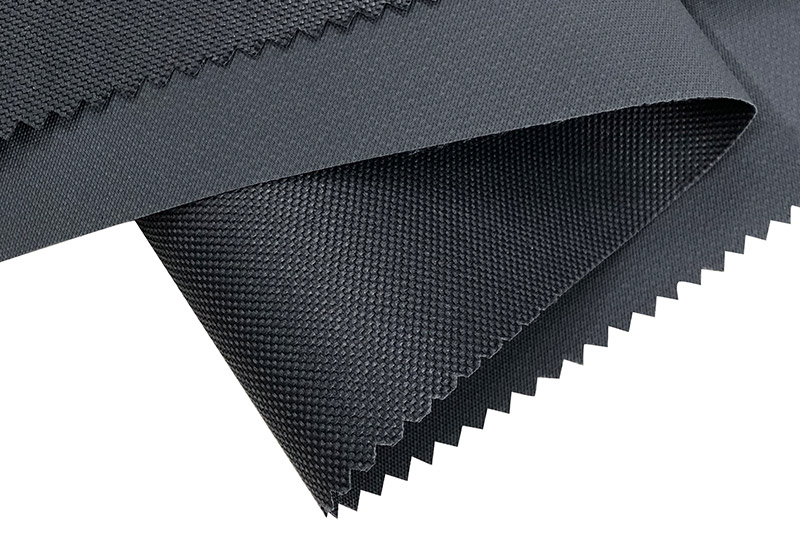
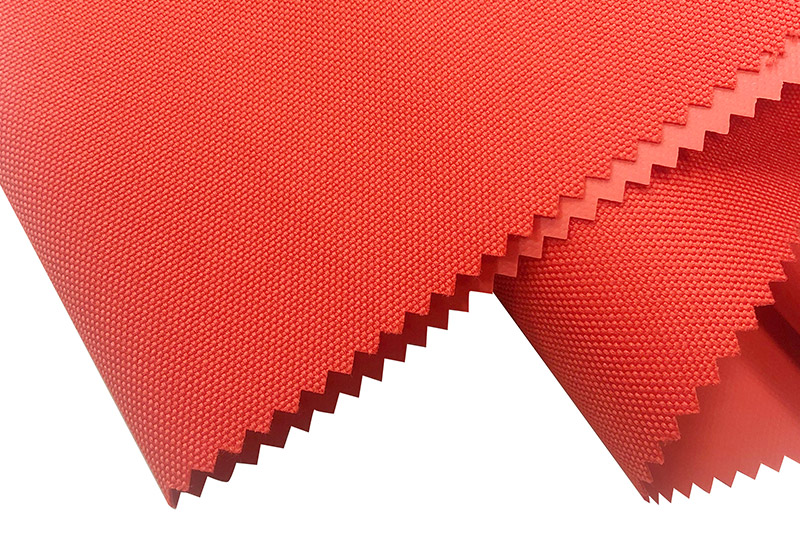
PE and PEVA laminated fabric refers to textile base materials, typically polyester or cotton, bonded to a thin plastic film layer that adds waterproofing and durability. PE stands for polyethylene, a widely used plastic known for its low cost and reliable moisture barrier, while PEVA refers to polyethylene vinyl acetate, a variation that offers improved flexibility and a softer hand feel compared to standard PE.
Both materials serve similar purposes in creating waterproof or water-resistant textiles, but they differ in texture, environmental impact, and specific performance characteristics that make each better suited to certain applications. Understanding these differences helps manufacturers and buyers select the right laminated fabric for products ranging from shower curtains to outdoor gear.
How the Lamination Process Works
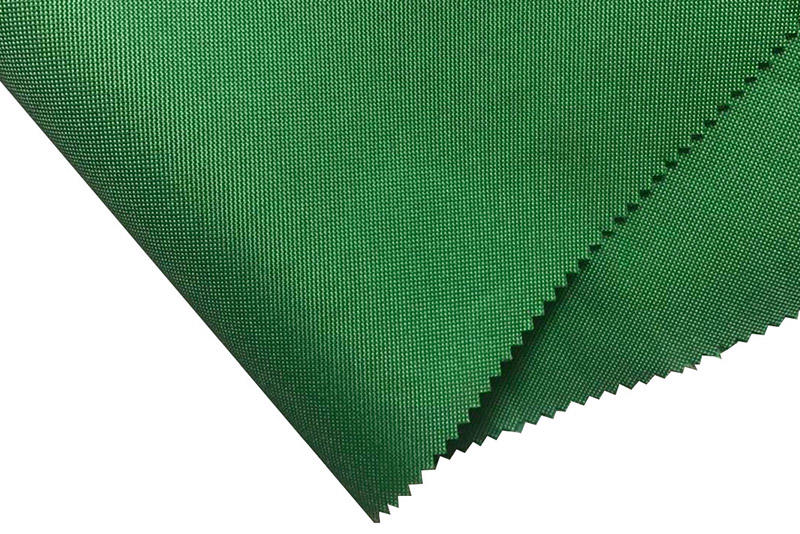
Manufacturing laminated fabric involves bonding a plastic film to a woven or knit textile backing using heat, pressure, or adhesive compounds. The process must achieve a strong, even bond across the entire surface to prevent delamination during later use, particularly in products that face repeated folding, washing, or flexing.
Heat Lamination
In heat lamination, the plastic film is melted slightly and pressed directly onto the fabric surface using heated rollers. This method creates a strong molecular bond without additional adhesive chemicals, though it requires precise temperature control to avoid scorching the textile backing.
Adhesive Lamination
Adhesive lamination applies a thin bonding agent between the film and fabric before pressing them together under controlled pressure. This method offers more flexibility in material combinations but requires the adhesive itself to withstand the same environmental conditions as the finished product.
Comparing PE and PEVA Properties
While both materials provide waterproofing, several practical differences influence which one suits a particular product better. The table below summarizes key distinctions worth considering during material selection.
| Property | PE Laminated Fabric | PEVA Laminated Fabric |
| Flexibility | Stiffer | More Flexible |
| Odor Level | Noticeable Plastic Smell | Lower Odor |
| Cost | Lower | Moderate |
| Cold Weather Performance | Can Become Brittle | Remains Pliable |
| Common Use | Budget shower curtains, tablecloths | Bags, outdoor gear, mattress protectors |
Common Applications for Each Material
Product designers select between PE and PEVA laminated fabric based on the specific demands of the finished item, weighing cost against performance requirements for the intended use case.
PE Laminated Fabric Uses
PE laminated fabric commonly appears in budget-friendly products like disposable tablecloths, basic shower curtains, and simple protective covers where cost matters more than long-term flexibility or softness. Its lower price point makes it attractive for single-use or short-term applications.
PEVA Laminated Fabric Uses
PEVA laminated fabric appears more frequently in products requiring repeated flexing or a softer feel, such as travel bags, mattress protectors, and outdoor equipment. Its improved cold-weather flexibility also makes it a better choice for products used in varying temperature conditions.
Environmental Considerations in Material Selection
Both PE and PEVA are petroleum-based plastics, but PEVA is generally considered a somewhat more environmentally conscious alternative to PVC-based laminates, since it avoids chlorine compounds and the plasticizers associated with PVC production. Neither material is biodegradable, so manufacturers focused on sustainability often look toward recycling programs or explore emerging bio-based film alternatives as substitutes.
- PE laminates typically use less energy to produce than more complex laminate structures
- PEVA avoids chlorine-based compounds found in PVC laminated fabrics
- Neither material breaks down quickly in landfill conditions
- Some manufacturers now offer recycled-content versions of both film types
Testing Durability Before Bulk Production
Before committing to large production runs, manufacturers typically test laminated fabric samples for seam strength, flex resistance, and bond durability under conditions similar to the product's expected use. Repeated fold testing helps identify whether the lamination bond will hold up over the product's intended lifespan, particularly for items like bags or covers that experience frequent handling.
Working closely with fabric suppliers to review test data and request physical samples remains the most reliable way to confirm that a chosen PE or PEVA laminated fabric will perform as expected once integrated into a finished product, helping avoid costly quality issues after production has already begun.

 Tel: +86-571-22917799
 Fax: +86-571-82799678
 E-mail:
 Add: No.88 Yinxin Rd.,Yaqian Town,Hangzhou City, Zhejiang, China.