+86-571-22917799



 English
 简体中文
简体中文 русский
 Español
Content
When selecting fabrics for clothing, home décor, or upholstery projects, understanding the fundamental differences between weaving techniques can significantly impact your final results. Jacquard and Oxford fabrics represent two distinct textile traditions, each offering unique characteristics, textures, and applications. While both have earned their place in the textile industry, they serve vastly different purposes and deliver different aesthetic and functional outcomes. This comprehensive guide explores these two fabric types in detail, helping you make informed decisions for your specific needs.
Understanding Jacquard Fabric
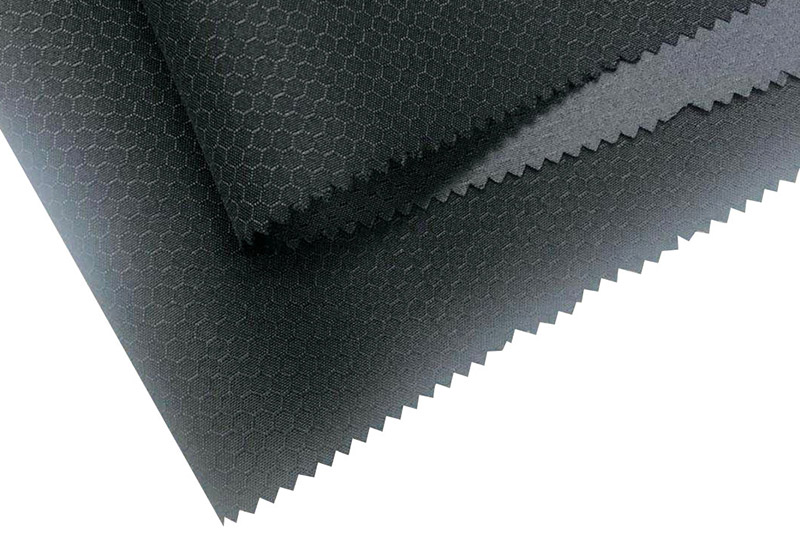
Jacquard fabric refers to any textile woven on a Jacquard loom, a revolutionary invention created by Joseph Marie Jacquard in 1804. This specialized weaving mechanism uses a series of punched cards to control individual warp threads, allowing for intricate, complex patterns to be woven directly into the fabric structure rather than printed on the surface. The result is a fabric with raised, textured designs that are visible on both sides, though often appearing as a negative image on the reverse.
The Jacquard weaving process creates sophisticated patterns ranging from florals and paisleys to geometric designs and custom imagery. Unlike printed fabrics, Jacquard patterns are integral to the fabric's structure, making them more durable and resistant to fading. The fabric can be made from various fibers including silk, cotton, polyester, or blended materials, each contributing different properties to the final textile.
Key Characteristics of Jacquard Fabric
- Complex, raised patterns woven into the fabric structure
- Reversible designs with complementary patterns on each side
- Luxurious appearance with dimensional texture
- Generally thicker and heavier than plain-weave fabrics
- Excellent durability due to tight weave structure
- Higher production costs due to specialized equipment and process
Understanding Oxford Fabric
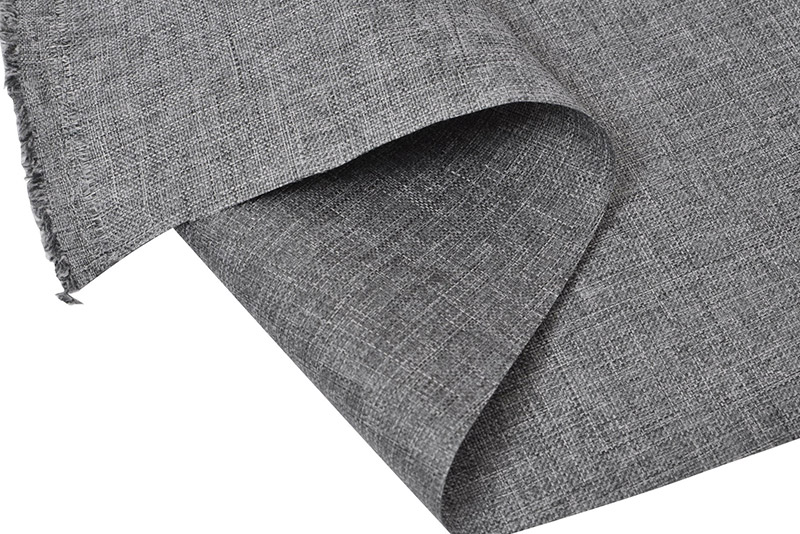
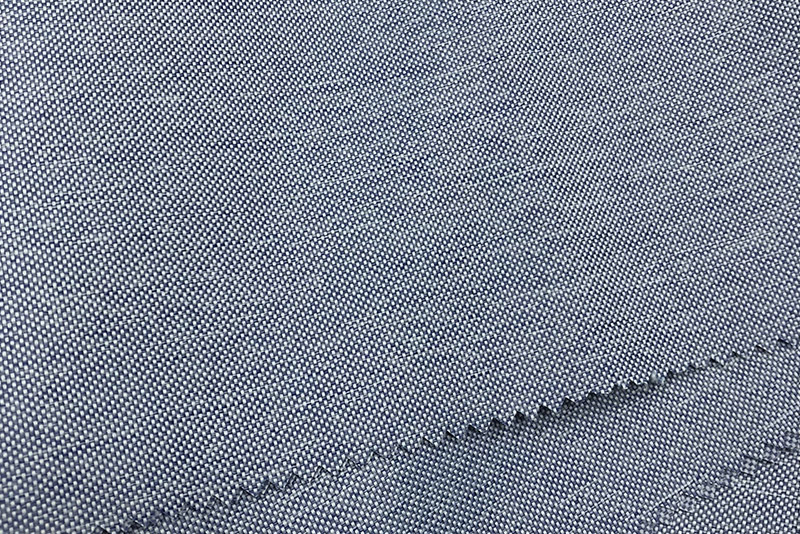
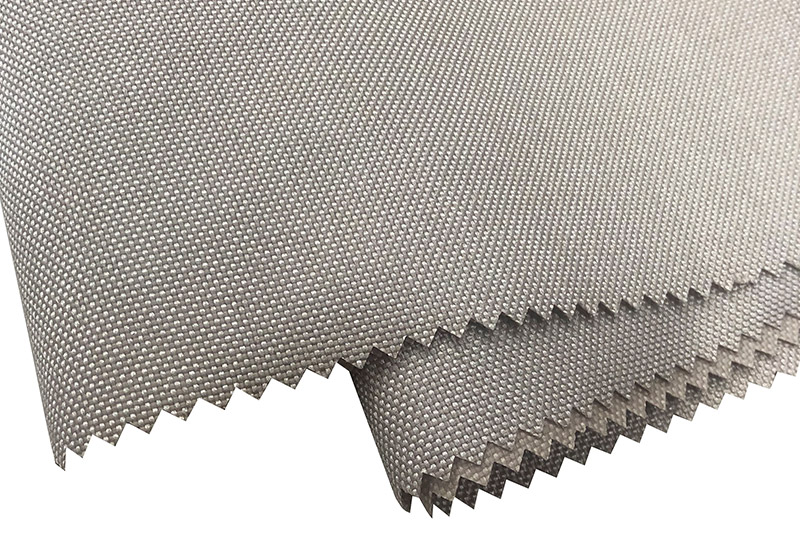
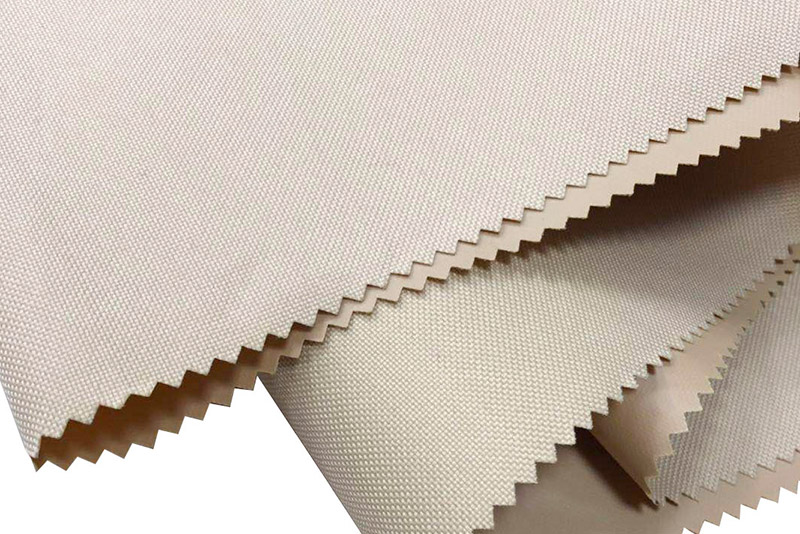
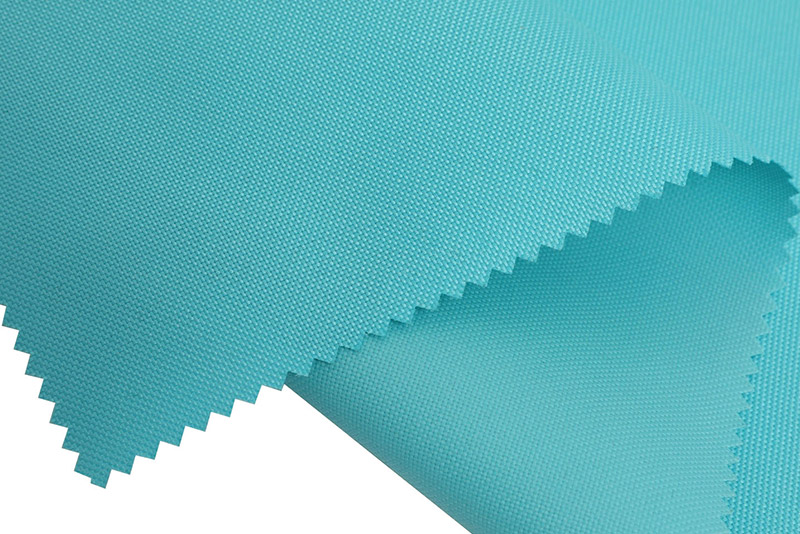
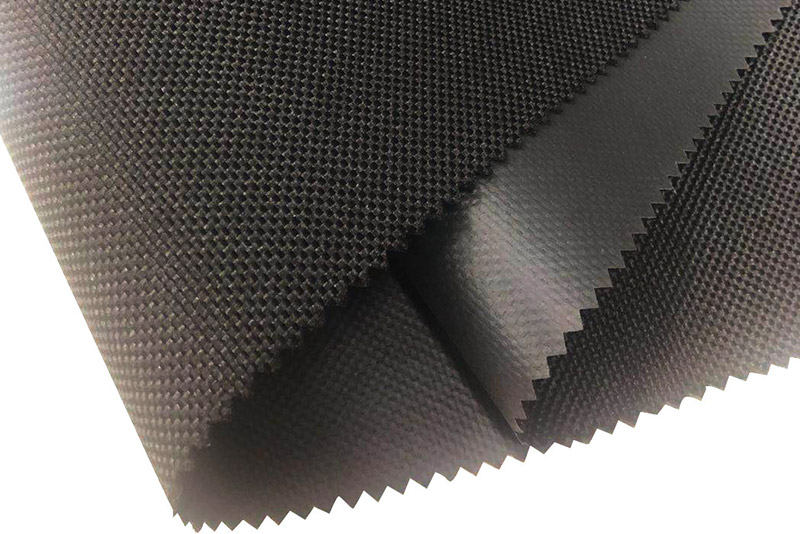
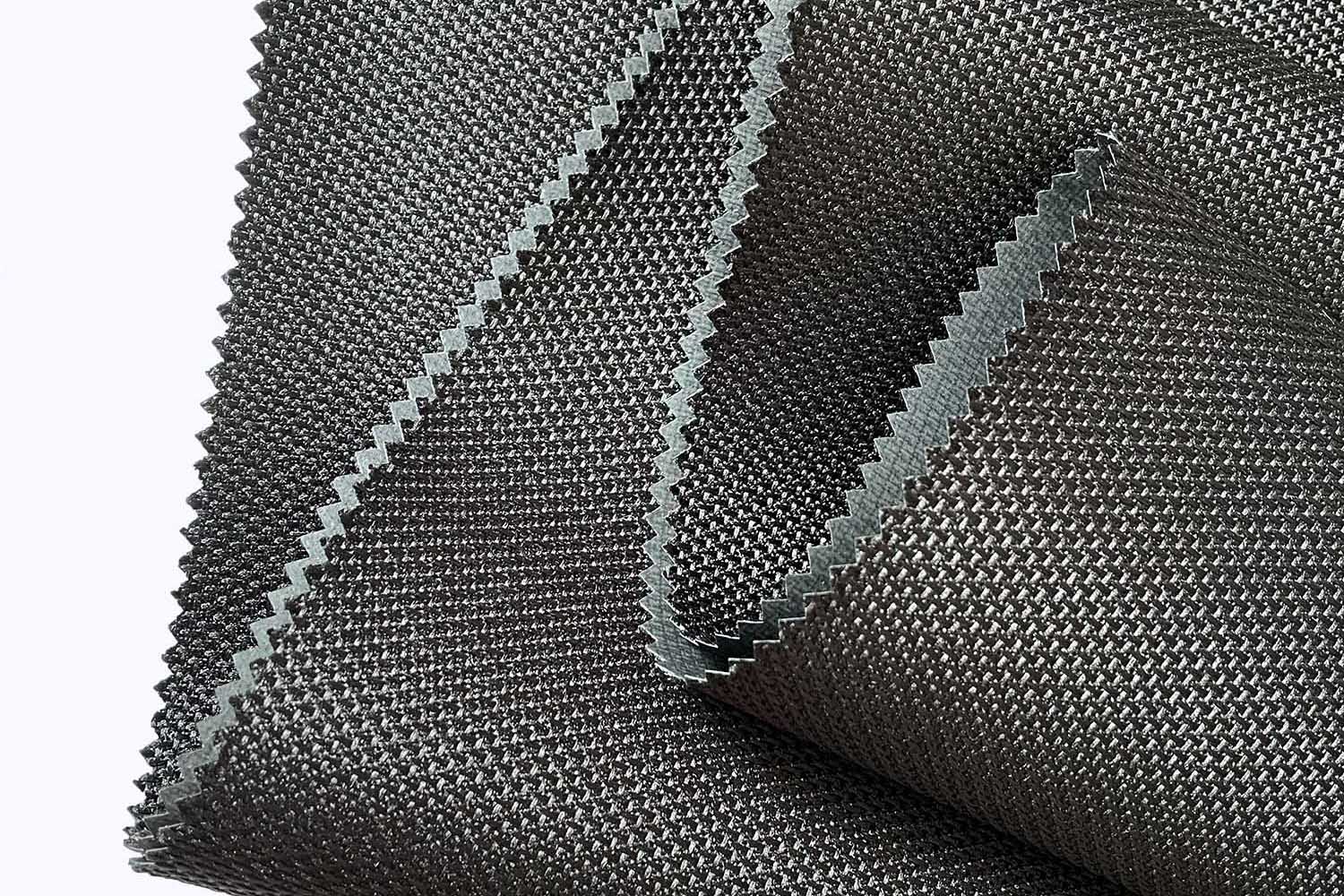
Oxford fabric, also known as Oxford cloth or Oxford weave, originated in Scotland and was named after the prestigious Oxford University where it gained popularity for shirt making. This fabric is characterized by a distinctive basket-weave pattern created by weaving two or more warp threads over and under two or more weft threads. The result is a textured, durable fabric with a slightly lustrous surface and excellent breathability.
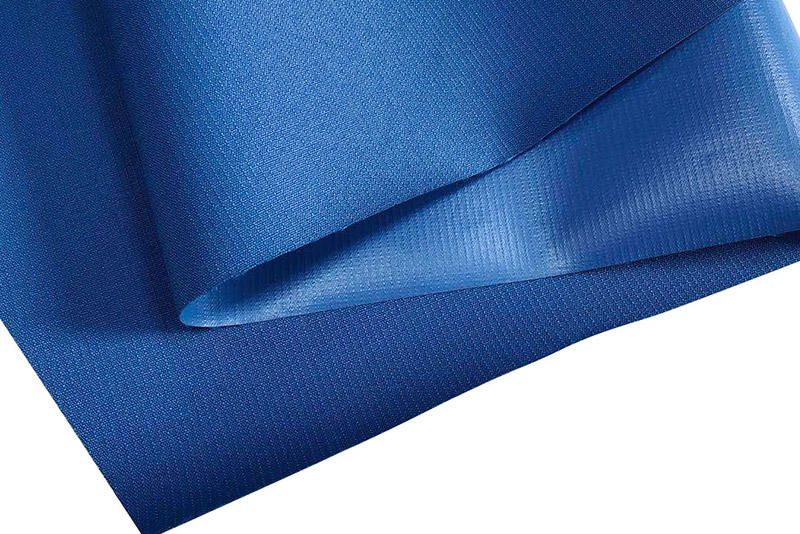
Traditional Oxford fabric is made from cotton or cotton-blend fibers, though modern variations may incorporate synthetic materials for enhanced performance properties. The basket-weave construction creates a fabric that is stronger than plain weave while maintaining softness and flexibility. Oxford fabric comes in several variations, including pinpoint Oxford (finer texture), royal Oxford (shinier appearance), and the standard Oxford weave.
Key Characteristics of Oxford Fabric
- Distinctive basket-weave texture with visible crosshatch pattern
- Excellent breathability and moisture absorption
- Durable and resistant to wear and tear
- Soft, comfortable texture against skin
- Easy to care for and maintain
- Cost-effective production compared to complex weaves
Comparing Jacquard and Oxford Fabrics
While both fabrics represent quality textile construction, they differ significantly in appearance, texture, production methods, and intended applications. Understanding these differences is essential for selecting the appropriate fabric for your project.
| Feature | Jacquard Fabric | Oxford Fabric |
| Weave Pattern | Complex, intricate patterns | Simple basket-weave |
| Texture | Raised, dimensional | Flat with slight texture |
| Weight | Medium to heavy | Light to medium |
| Breathability | Moderate | Excellent |
| Production Cost | Higher | Lower |
| Primary Use | Upholstery, formal wear, décor | Shirts, casual wear, bags |
| Appearance | Elegant, ornate | Classic, casual |
Common Applications and Uses
Jacquard Fabric Applications
Jacquard fabrics excel in applications where visual impact, luxury, and durability are paramount. Their intricate patterns and substantial weight make them ideal for projects requiring a premium aesthetic and long-lasting performance.
- Upholstery for furniture including sofas, chairs, and ottomans
- Formal dresses, evening gowns, and cocktail attire
- Decorative throw pillows and cushion covers
- Curtains, drapes, and window treatments
- Bedding including duvet covers and decorative shams
- Table linens for formal dining settings
- Neckties, bow ties, and accessories
- Wall coverings and decorative panels
Oxford Fabric Applications
Oxford fabric's breathability, comfort, and casual elegance make it particularly suitable for everyday garments and accessories where practicality meets style. Its durability ensures excellent performance in frequently worn or used items.
- Button-down dress shirts and casual shirts
- Polo shirts and sports shirts
- Casual pants and shorts
- Backpacks, tote bags, and luggage
- Aprons and work wear
- Children's clothing due to durability and easy care
- Lightweight jackets and outerwear
- Pet accessories including beds and carriers
How to Choose Between Jacquard and Oxford Fabric
Selecting the right fabric depends on several critical factors including your project type, desired aesthetic, budget constraints, and practical requirements. Consider these key decision points when making your choice.
Consider Your Project Purpose
The intended use of your finished product should guide your fabric selection. For formal occasions, decorative items, or upholstery projects requiring visual drama, Jacquard fabric provides the elegant, sophisticated appearance you need. Its dimensional patterns create focal points and add luxury to any space or garment. Conversely, if you're creating everyday clothing, casual accessories, or items requiring frequent washing and wear, Oxford fabric's practicality and comfort make it the superior choice.
Evaluate Comfort and Breathability Needs
For garments worn close to the skin, especially in warm weather, breathability becomes crucial. Oxford fabric's basket-weave construction allows excellent air circulation, making it ideal for shirts, summer clothing, and activewear. Jacquard fabrics, while beautiful, tend to be denser and less breathable, making them better suited for cooler weather garments, outer layers, or decorative applications where breathability is less critical.
Budget Considerations
Jacquard fabrics typically command higher prices due to their specialized production process and complex weaving requirements. If budget is a primary concern, Oxford fabric offers excellent quality and durability at a more accessible price point. However, for investment pieces, special occasions, or areas where visual impact justifies the expense, Jacquard fabric's premium appearance may be worth the additional cost.
Maintenance and Care Requirements
Oxford fabric generally requires minimal special care and can often be machine washed and dried, making it ideal for busy lifestyles and frequently used items. Jacquard fabrics, particularly those made from delicate fibers like silk, may require dry cleaning or gentle hand washing to preserve their intricate patterns and structural integrity. Consider your willingness and ability to provide appropriate care when making your selection.
Care and Maintenance Tips
Caring for Jacquard Fabric
Proper care extends the life and beauty of Jacquard fabrics. Always check the manufacturer's care label first, as fiber content significantly affects care requirements. Generally, gentle handling preserves the intricate weave structure. For cotton or polyester Jacquards, use cold water washing on a gentle cycle with mild detergent. Avoid harsh chemicals that can damage fibers or fade colors. Air drying or tumble drying on low heat prevents shrinkage. Iron on the reverse side using moderate heat to avoid flattening the raised patterns. For silk or blended Jacquards, professional dry cleaning is often the safest option.
Caring for Oxford Fabric
Oxford fabric's straightforward care requirements make it user-friendly for everyday items. Most cotton Oxford fabrics can be machine washed in warm water with regular detergent. Pre-treating stains before washing yields best results. Tumble dry on medium heat or line dry to prevent excessive wrinkling. While Oxford fabric is relatively wrinkle-resistant, ironing while slightly damp produces crisp, professional results. Use medium to high heat depending on fiber content. For synthetic-blend Oxford fabrics, use lower heat settings to prevent melting or damage.
Making the Final Decision
Both Jacquard and Oxford fabrics offer distinct advantages that serve different needs within the textile world. Jacquard fabric stands out when you need elegant, ornate patterns, substantial weight, and formal aesthetics for upholstery, décor, or special occasion garments. Its dimensional texture and luxurious appearance create statement pieces that command attention and admiration. Oxford fabric excels in casual, everyday applications where breathability, comfort, durability, and easy care are priorities. Its classic basket-weave provides reliable performance for shirts, bags, and frequently used items.
Understanding the fundamental differences between these two fabric types empowers you to make informed decisions that align with your project goals, aesthetic preferences, and practical requirements. Whether you choose the ornate elegance of Jacquard or the comfortable practicality of Oxford, selecting the right fabric ensures your finished product meets and exceeds expectations, delivering both beauty and functionality for years to come.

 Tel: +86-571-22917799
 Fax: +86-571-82799678
 E-mail:
 Add: No.88 Yinxin Rd.,Yaqian Town,Hangzhou City, Zhejiang, China.