+86-571-22917799



 English
 简体中文
简体中文 русский
 Español
Content
- 1 Understanding the Two Weaving Traditions Behind the Fabric
- 2 How Jacquard Oxford Fabric Is Produced
- 3 Key Properties and Performance Characteristics
- 4 Common Applications of Jacquard Oxford Fabric
- 5 Jacquard Oxford vs. Standard Oxford Fabric: Key Differences
- 6 What to Look for When Buying Jacquard Oxford Fabric
- 7 Care and Maintenance of Jacquard Oxford Products
Jacquard Oxford fabric is one of the most technically sophisticated and visually distinctive textiles available in the market today. It combines two well-established weaving traditions — the structured, grid-like construction of Oxford cloth and the intricate, pattern-rich complexity of jacquard weaving — into a single fabric that offers both durability and decorative depth. Whether you encounter it in high-end bags, outerwear, upholstery, or technical accessories, understanding what jacquard Oxford fabric actually is, how it's made, and what it's best suited for will help you evaluate it clearly and use it wisely.
Understanding the Two Weaving Traditions Behind the Fabric
To understand jacquard Oxford fabric, it helps to first understand each component weave structure separately, because jacquard Oxford is the result of applying jacquard technology to Oxford cloth construction — not simply a mix of two fabrics.
What Is Oxford Cloth?
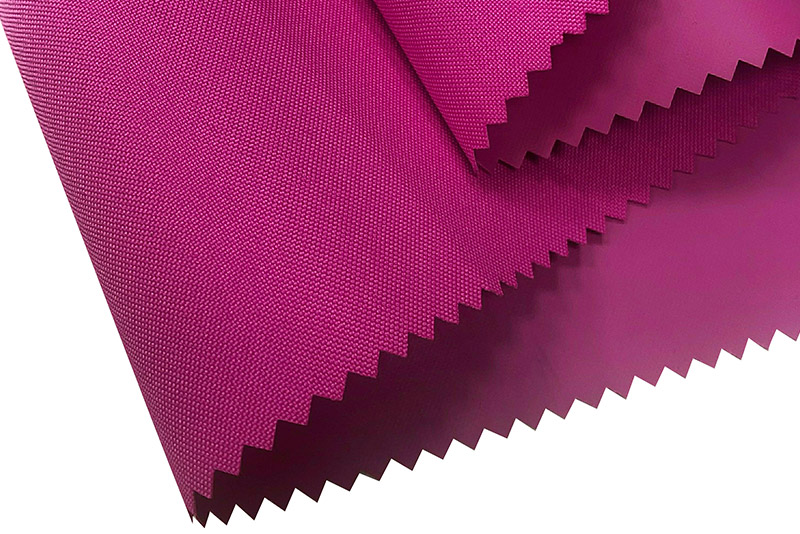
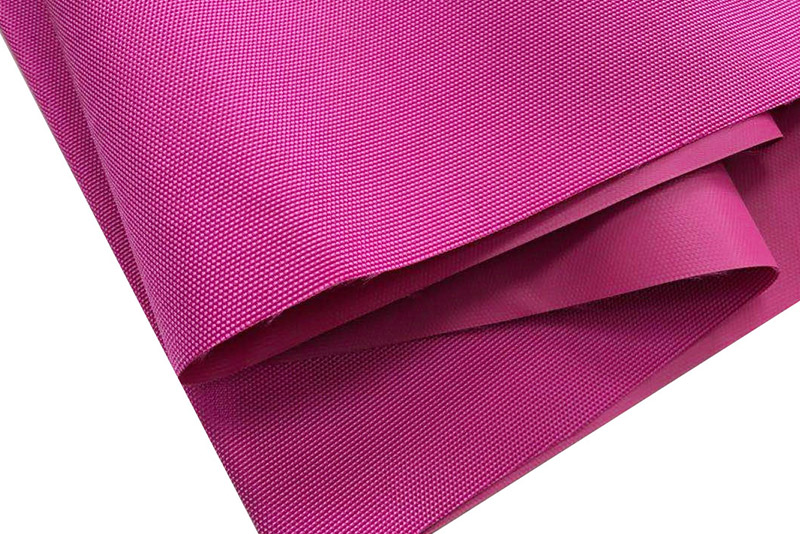
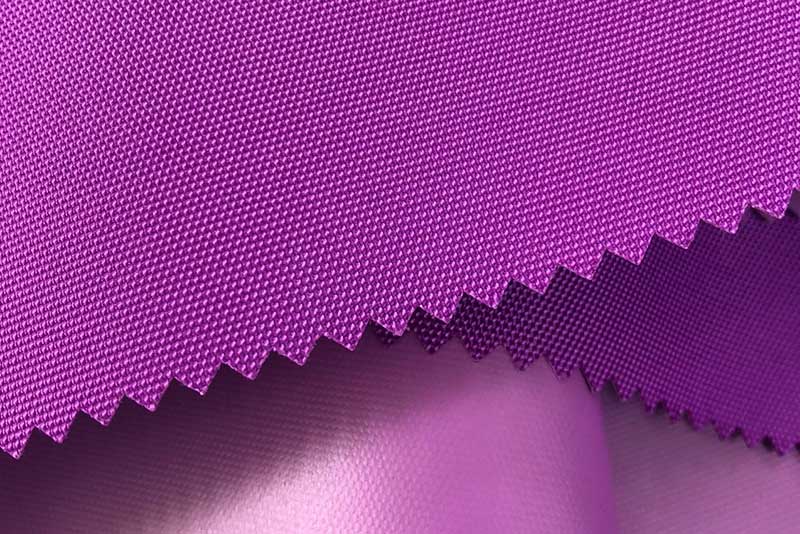
Oxford cloth is a type of woven fabric originally developed in the nineteenth century, named after Oxford University as part of a series of Scottish mill fabrics named after elite universities. It is characterized by a basket weave structure in which two or more weft threads interlace with one warp thread in a plain weave pattern, creating a subtle, grid-like texture on the surface. This construction gives Oxford cloth its signature properties: it is heavier and more durable than a standard plain weave, yet still maintains a degree of softness and breathability. Traditional Oxford cloth was made from cotton, but modern versions are produced in polyester, nylon, and various synthetic blends for improved performance. It is widely used in dress shirts, bags, backpacks, luggage, and outdoor equipment.
What Is Jacquard Weaving?
Jacquard weaving refers to a method of fabric production using a jacquard loom — a mechanical or electronic loom equipped with a system that controls each individual warp thread independently. Invented by Joseph Marie Jacquard in France in 1804, this technology made it possible to weave complex, multi-color patterns directly into the structure of the fabric rather than printing or embroidering them onto the surface afterward. Jacquard-woven patterns are woven into the cloth itself, meaning they are highly durable, won't peel or fade like prints, and often appear on both sides of the fabric. Damask, brocade, tapestry, and matelassé are all classic jacquard fabric types.
How Jacquard Oxford Fabric Is Produced
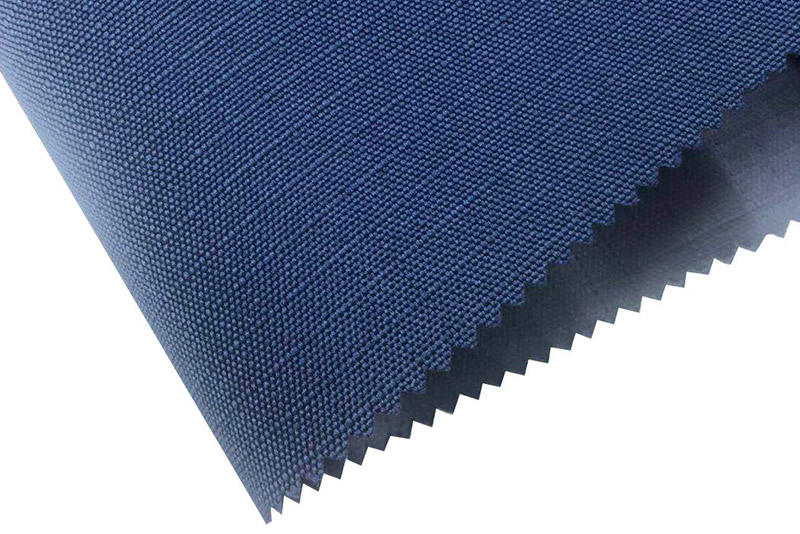
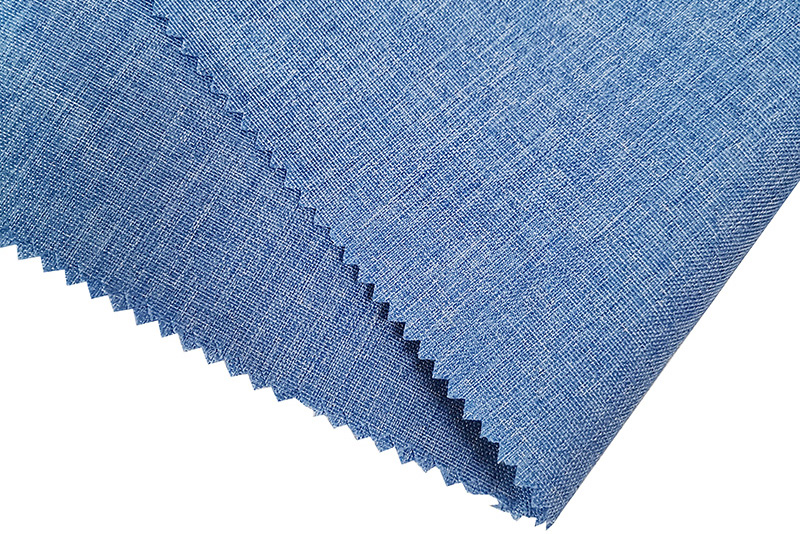
Jacquard Oxford fabric is produced by running Oxford cloth construction through a jacquard loom system. The basket weave base provides the characteristic weight, density, and structural integrity of Oxford cloth, while the jacquard mechanism introduces patterned complexity into the weave — creating geometric designs, floral motifs, logos, brand patterns, or textured effects that are permanently integrated into the fabric structure.
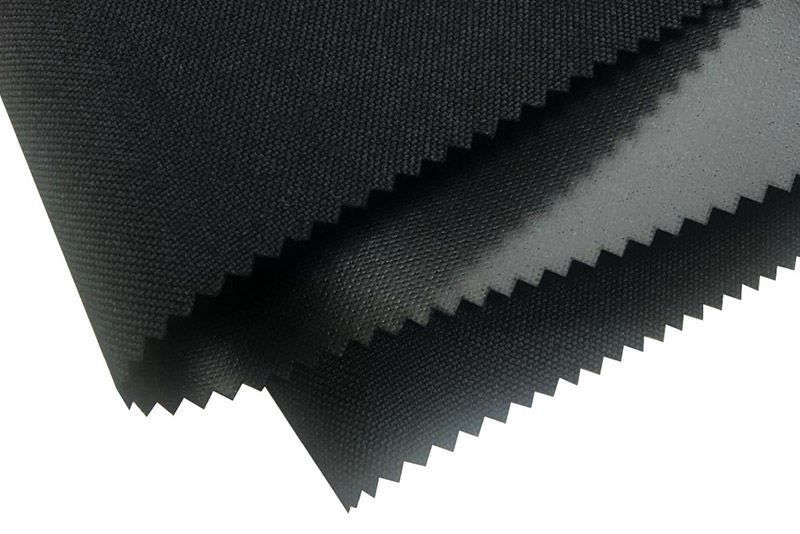
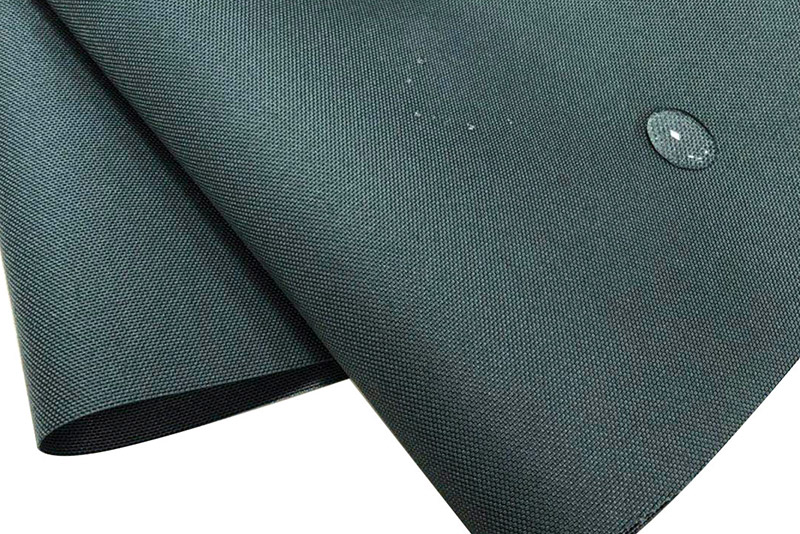
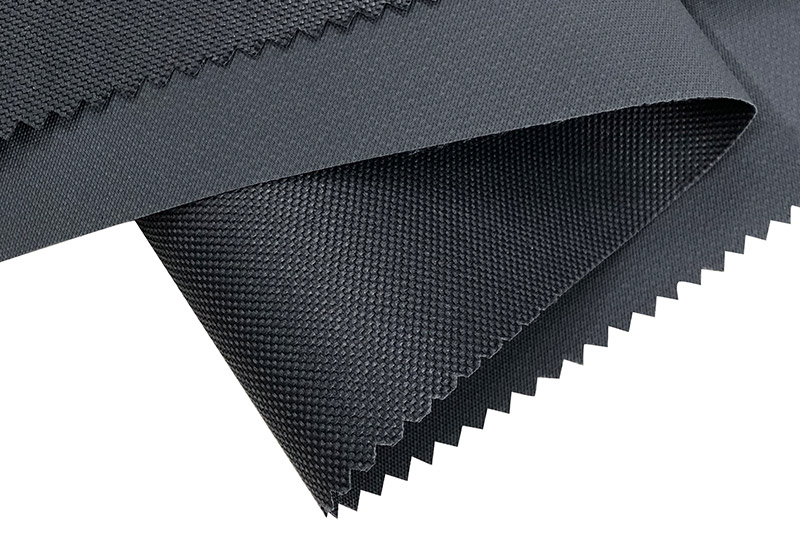
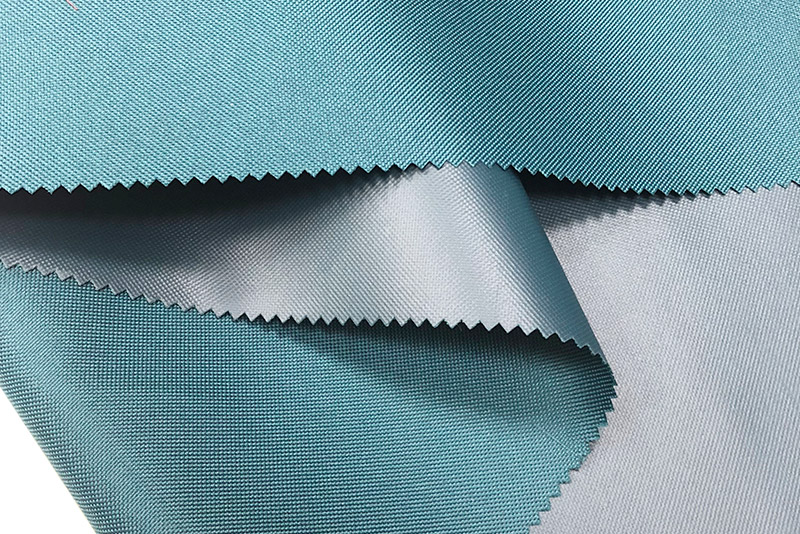
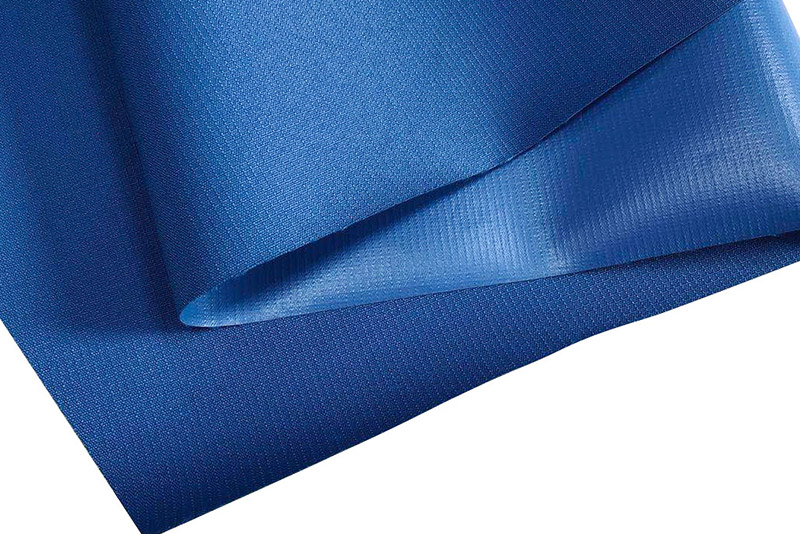
Modern jacquard Oxford fabrics are most commonly produced from polyester or nylon yarns, which allow for high-precision pattern control, consistent color reproduction, and excellent resistance to abrasion and moisture. The fabric is often finished with a PVC coating, PU coating, or water-repellent treatment on the reverse side to enhance its functional performance for bags, backpacks, and outdoor applications. The combination of jacquard patterning and Oxford structure produces a textile that is simultaneously decorative and highly practical — a relatively rare combination in the performance fabric market.
Key Properties and Performance Characteristics
Jacquard Oxford fabric inherits and combines the functional traits of both its component structures. Here is a breakdown of its most important performance characteristics:
| Property | Performance Level | Notes |
| Durability | High | Basket weave structure resists tearing and abrasion |
| Pattern Durability | Excellent | Woven-in patterns won't peel, crack, or fade like prints |
| Water Resistance | Medium–High | Often enhanced with PU or PVC backing |
| Visual Appeal | High | Rich texture and pattern depth not achievable with printing |
| Weight | Medium–Heavy | Heavier than standard plain weave; suitable for structured items |
| Ease of Care | Good | Polyester-based versions are machine washable and quick-drying |
| Cost | Medium | More expensive than plain Oxford but less than luxury jacquards |
The fabric's density and basket weave base give it a satisfying structural rigidity that plain weaves lack, making it hold its shape reliably under load — a critical quality for bags, backpacks, and cases that carry heavy contents. At the same time, the jacquard surface pattern elevates its aesthetic considerably beyond the utilitarian look of standard Oxford cloth.
Common Applications of Jacquard Oxford Fabric
The combination of structural strength, decorative pattern, and optional weatherproofing makes jacquard Oxford fabric a go-to material across several distinct product categories.
Bags, Backpacks, and Luggage
This is the dominant application for jacquard Oxford fabric. Its durability under stress, resistance to abrasion, and structured weight make it ideal for tote bags, laptop backpacks, duffel bags, travel pouches, and school bags. The woven-in pattern allows manufacturers to incorporate brand logos, geometric designs, or decorative textures without risking the peeling or cracking that printed designs suffer with extended use. Many premium and mid-range bag brands use jacquard Oxford as their primary outer shell material, often backed with PU or PVC for water resistance and interior liner support.
Outerwear and Performance Clothing
Jacquard Oxford fabric is used in outerwear shells, windbreakers, sports jackets, and functional vests where both visual interest and weather resistance are required. Its woven pattern adds texture and depth to garments that would otherwise rely on flat, matte fabrics. When finished with DWR (durable water repellent) treatments, it becomes appropriate for light rain and outdoor activities without sacrificing the elevated aesthetic that jacquard provides.
Home Furnishings and Upholstery
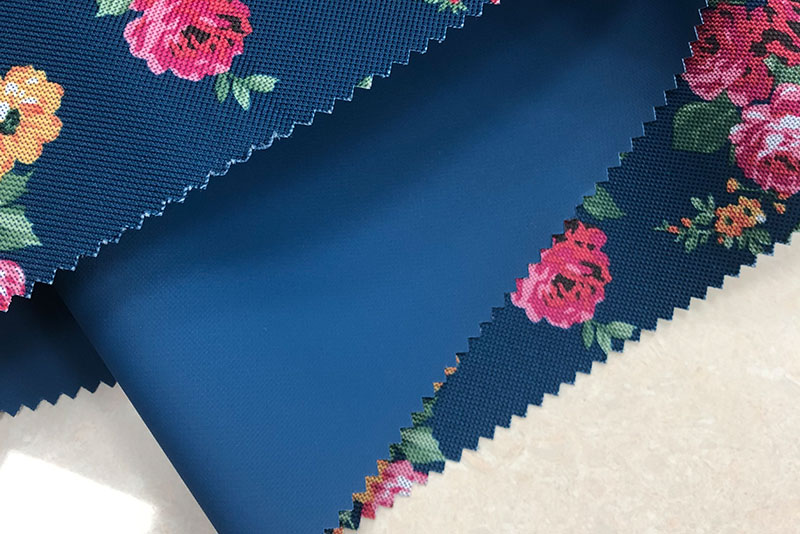
In home décor, jacquard Oxford fabric is used for cushion covers, decorative storage boxes, ottomans, and light upholstery on accent furniture. Its firm hand makes it well-suited for items that need to maintain a crisp, structured shape. The woven patterns — which often include geometric, diamond, or floral motifs — integrate naturally with both contemporary and traditional interior design schemes. Unlike printed upholstery fabrics, the woven patterns won't fade with UV exposure or wear away with repeated use.
Accessories and Technical Cases
Camera cases, tablet sleeves, tech organizer pouches, and hard-shell accessories frequently use jacquard Oxford as an outer covering. The fabric provides sufficient rigidity to support the case structure while the jacquard pattern differentiates the product visually in a crowded marketplace. It is also commonly used for pencil cases, toiletry bags, and travel organizers in the lifestyle accessories segment.
Jacquard Oxford vs. Standard Oxford Fabric: Key Differences
Consumers and designers sometimes confuse jacquard Oxford with standard Oxford cloth, since both share the same foundational weave structure. The differences are significant enough to affect purchasing decisions, particularly in applications where appearance, branding, and perceived value matter.
- Surface appearance: Standard Oxford cloth has a uniform, subtly textured surface with no pattern beyond the basket weave grid. Jacquard Oxford has a visibly patterned surface — geometric designs, logos, or motifs — woven directly into the fabric.
- Production complexity: Jacquard Oxford requires a more sophisticated and expensive loom setup, which is reflected in its higher cost per yard compared to plain Oxford cloth of the same fiber content.
- Branding potential: Jacquard Oxford allows brands and manufacturers to weave custom logos, wordmarks, or signature patterns directly into the fabric — a significant advantage for brand differentiation that plain Oxford cannot offer without printing.
- Perceived value: The decorative complexity of jacquard patterning gives products made from jacquard Oxford a more premium, crafted appearance compared to identical products made in plain Oxford cloth.
- Weight and hand: Jacquard Oxford is typically slightly heavier and stiffer than plain Oxford of the same denier, due to the additional yarn interlacing required to form the pattern structure.
What to Look for When Buying Jacquard Oxford Fabric
Whether you are sourcing jacquard Oxford fabric for a manufacturing project, a sewing project, or a retail purchase, knowing what to evaluate helps you distinguish quality from mediocre options. The market includes a wide range of quality levels, and price alone is not always a reliable indicator.
- Denier rating: Higher denier numbers indicate thicker, more durable yarn. For bags and heavy-use applications, look for 600D, 900D, or 1200D jacquard Oxford. For garments and lighter accessories, 300D or 420D is typically sufficient.
- Pattern clarity and definition: High-quality jacquard Oxford should show sharp, well-defined pattern edges with no blurring or inconsistency across the fabric width. Poor-quality versions often show pattern distortion at the edges of repeats.
- Backing type: Check whether the fabric has a PU, PVC, or no backing. PU-backed versions are more flexible and lighter, making them better for garments and soft accessories. PVC backing is heavier and more waterproof, better suited to heavy-duty bags and outdoor equipment.
- Color fastness: Quality jacquard Oxford should hold its color through repeated washing and UV exposure. Request wash test data or sample swatches when sourcing in bulk for manufacturing.
- Hand feel and drape: The fabric should feel substantial and firm but not plasticky or excessively stiff. Overly stiff fabric often indicates a thick PVC backing that will crack in cold temperatures with extended use.
Care and Maintenance of Jacquard Oxford Products
Jacquard Oxford fabric — particularly in its polyester or nylon form — is relatively easy to care for compared to natural fiber jacquards. Following the right care routine will preserve both its structural integrity and the definition of its woven pattern over the long term.
- Spot clean when possible: For bags and upholstery with PVC or PU backing, spot cleaning with a damp cloth and mild soap is preferred over full immersion washing, which can degrade the backing adhesive over time.
- Machine wash garments on a gentle cycle in cool water. Avoid high heat in the dryer, which can distort the weave structure of polyester-based jacquard Oxford fabric.
- Avoid harsh detergents and bleach, which can break down the fiber finish and cause color loss in the woven pattern over repeated wash cycles.
- Air dry when possible rather than tumble drying. Hanging jacquard Oxford garments and fabric items to dry preserves the weave structure and prevents any backing layers from delaminating.
- Store structured items like bags and cases in a cool, dry environment away from prolonged sunlight to prevent UV-induced color shift in the woven yarns.
Jacquard Oxford fabric occupies a distinctive position in the textile market — technically capable, visually rich, and practically versatile. Its ability to carry complex woven patterns in a durable, structured base fabric makes it a preferred choice for designers and manufacturers who need their materials to work as hard aesthetically as they do functionally. Understanding its construction, properties, and applications gives you the foundation to choose it confidently and use it effectively across a wide range of projects.

 Tel: +86-571-22917799
 Fax: +86-571-82799678
 E-mail:
 Add: No.88 Yinxin Rd.,Yaqian Town,Hangzhou City, Zhejiang, China.