+86-571-22917799



 English
 简体中文
简体中文 русский
 Español
Content
- 1 Understanding DTY Polyester Oxford Fabric
- 2 Key Properties That Define Its Performance
- 3 Common Weave Structures and Weight Options
- 4 Primary Applications Across Industries
- 5 How to Choose the Right Oxford Fabric for Your Project
- 6 Care and Maintenance Tips
- 7 Comparing DTY Oxford Fabric to Other Polyester Options
- 8 Final Considerations for Buyers and Manufacturers
Understanding DTY Polyester Oxford Fabric
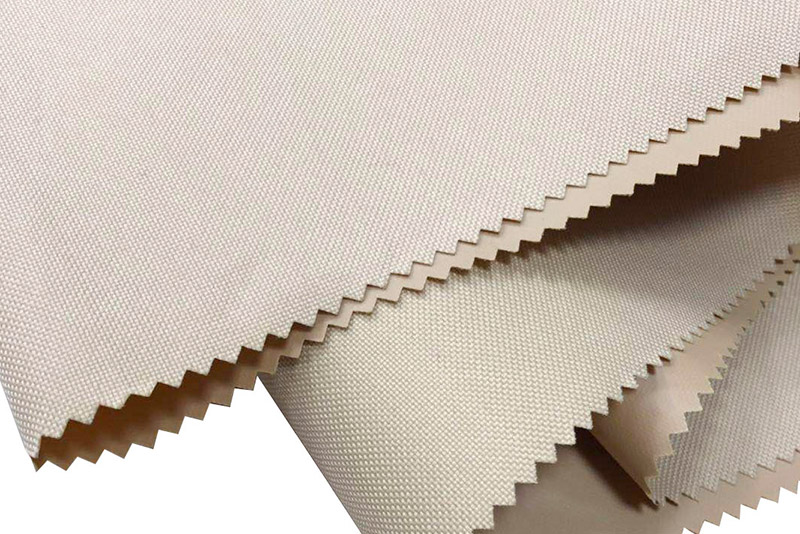
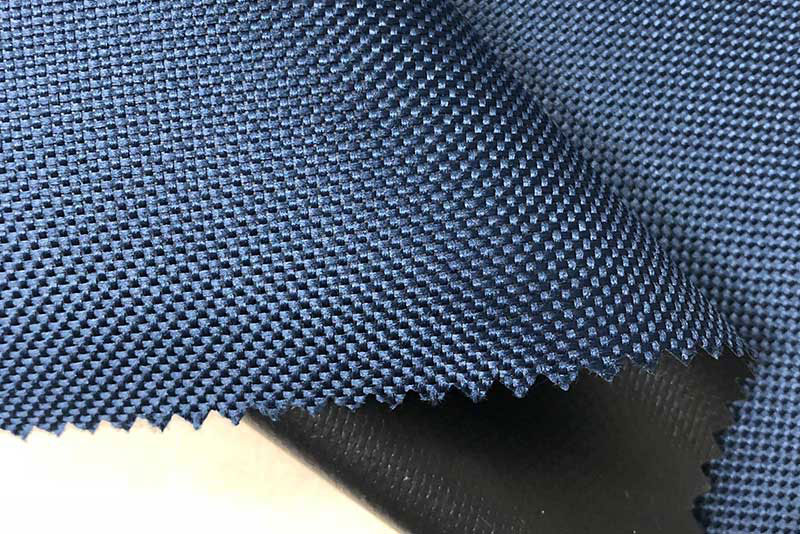
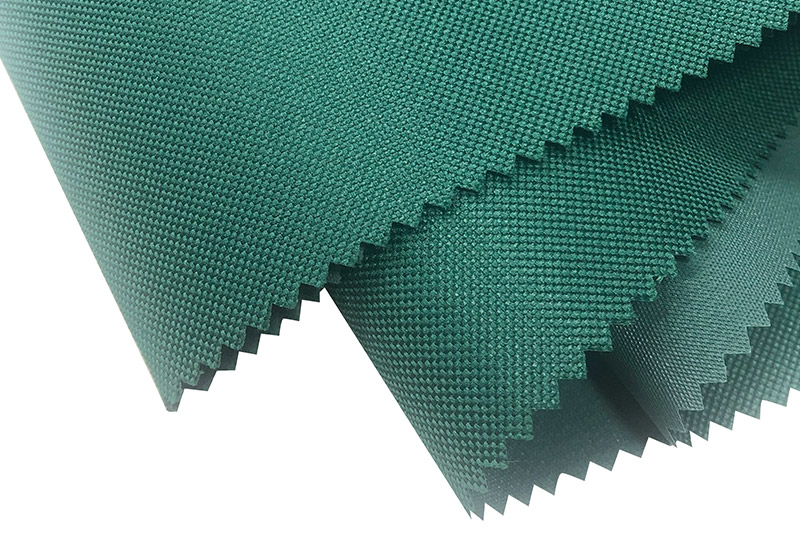
DTY polyester oxford fabric is a woven textile made from Draw Textured Yarn (DTY), a type of polyester filament that has been mechanically textured to create a soft, slightly bulky, and stretchable yarn. Unlike flat polyester filament yarn, DTY has a crimped structure that traps air, giving the finished fabric a warmer hand feel, better drape, and improved elasticity. When this yarn is woven using the classic oxford basket weave, the result is a fabric that combines the technical strengths of polyester with the visual texture and durability associated with oxford cloth.
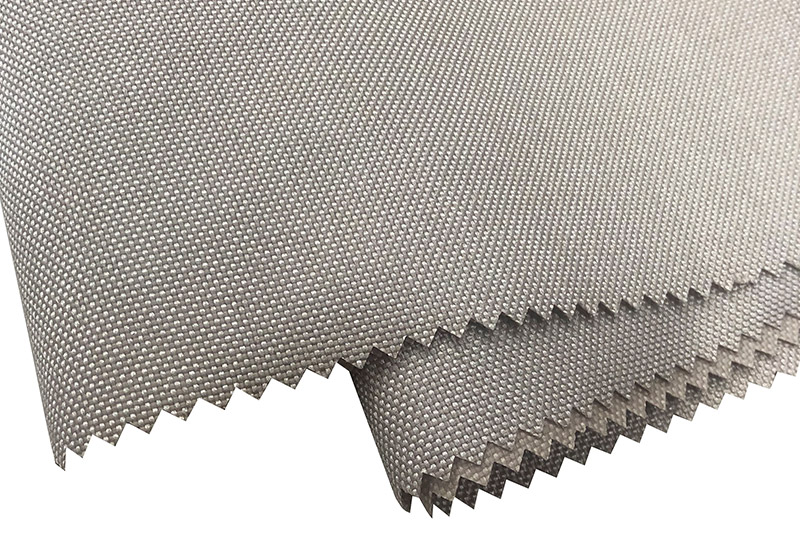
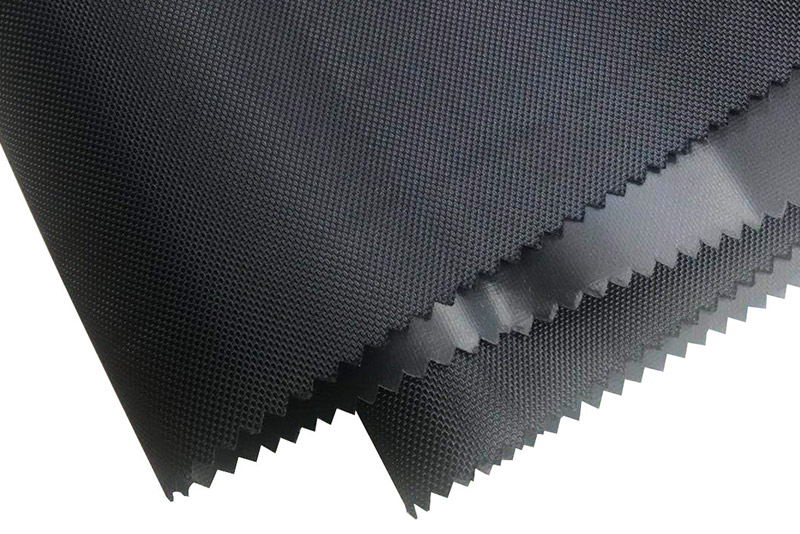
The oxford weave itself is characterized by two or more yarns woven together as one in the weft, crossing a single warp yarn, which produces a basket-like pattern. This construction distributes tension evenly across the fabric surface, making it more resistant to tearing and abrasion compared to a plain weave of the same yarn count. When paired with DTY polyester, the fabric gains additional benefits such as moisture resistance, colorfastness, and dimensional stability, making it a popular material choice for bags, outdoor gear, and industrial applications.
Key Properties That Define Its Performance
Several measurable characteristics explain why manufacturers and buyers consistently choose DTY polyester oxford fabric over alternative textiles for demanding applications.
Strength and Abrasion Resistance
The basket weave structure combined with the tensile strength of polyester filament gives this fabric excellent resistance to tearing, snagging, and surface wear. This makes it suitable for products that undergo frequent handling, friction, or exposure to rough surfaces, such as luggage, tool bags, and equipment covers.
Water and Stain Resistance
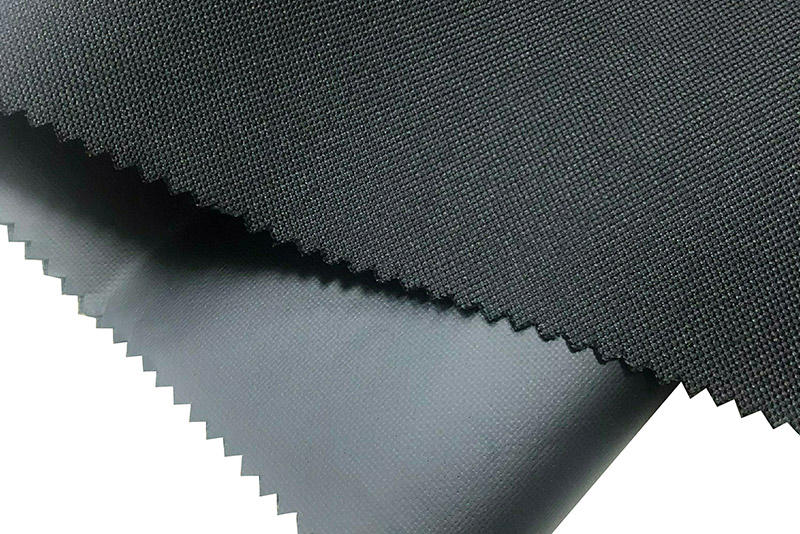
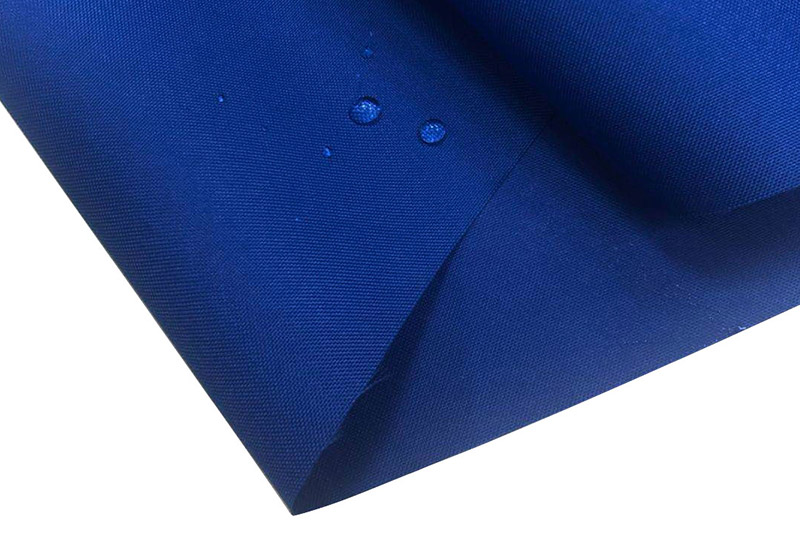
Polyester fibers are inherently hydrophobic, meaning they absorb very little moisture. When the fabric is further treated with a PU or PVC coating, it becomes water-resistant or even waterproof, which is why oxford fabric is a common choice for backpacks, rain covers, and outdoor furniture.
Dimensional Stability
DTY yarn maintains its shape well under repeated stress and stretching, reducing the risk of sagging or distortion over time. This is particularly valuable for products that are stuffed, stretched, or subjected to constant pulling, such as duffel bags and storage containers.
Color Vibrancy and Fastness
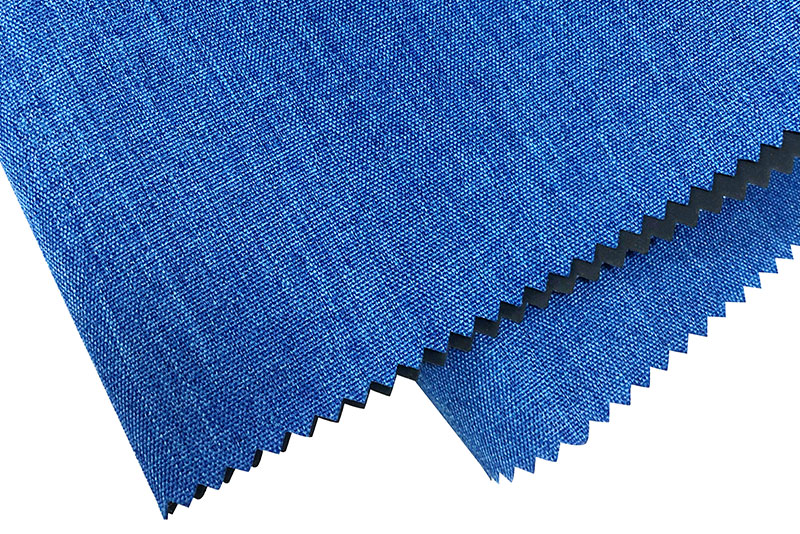
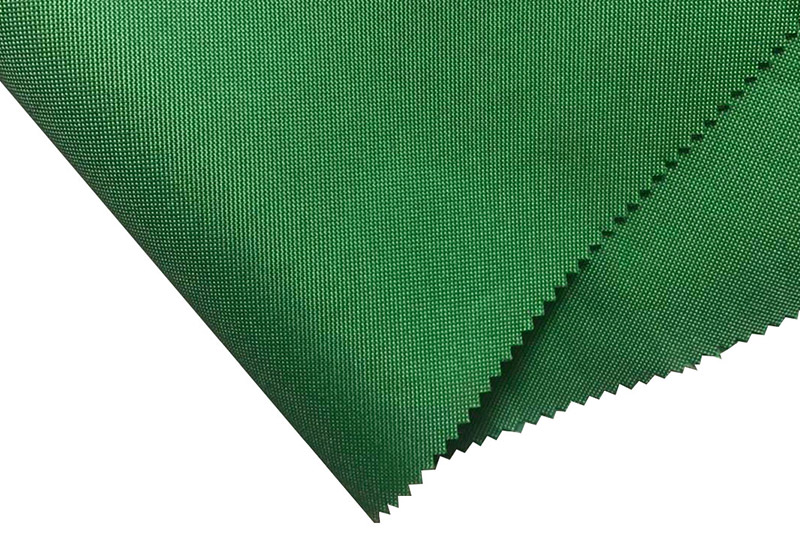
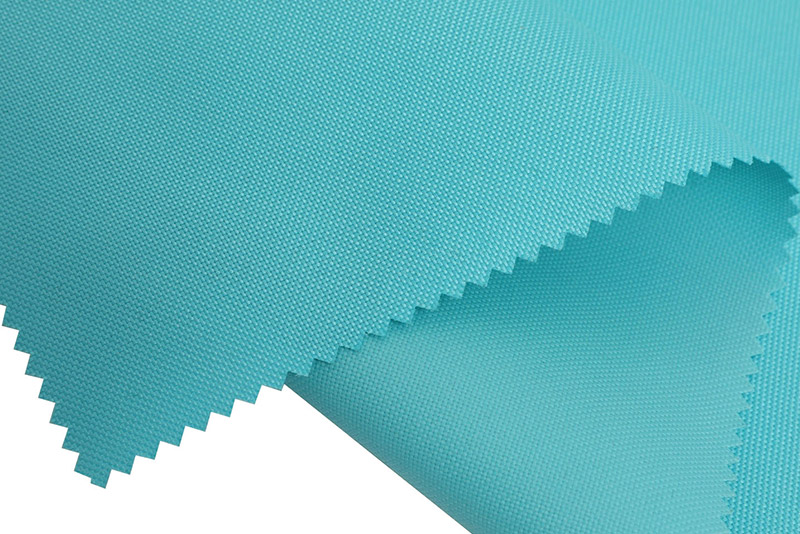
Polyester takes disperse dyes exceptionally well, allowing manufacturers to produce vivid, long-lasting colors that resist fading from sunlight, washing, and general use. This makes DTY oxford fabric a practical option for branded products that require consistent color reproduction across large production runs.
Common Weave Structures and Weight Options
DTY polyester oxford fabric is produced in several weight and denier combinations, each suited to different levels of durability and flexibility. The table below outlines common specifications used in the industry.
| Fabric Type | Common Denier | Typical Weight (g/m²) | Common Use |
| Light Oxford | 150D-300D | 120-180 | Linings, garment bags, packaging |
| Medium Oxford | 420D-600D | 200-300 | Backpacks, tote bags, aprons |
| Heavy Oxford | 840D-1680D | 320-450 | Luggage, tool cases, tarps |
Primary Applications Across Industries
Because of its balance of strength, flexibility, and cost-efficiency, DTY polyester oxford fabric is used across a wide range of industries. Understanding where it performs best helps buyers match the right specification to their product needs.
- Luggage and travel bags, where abrasion resistance and lightweight construction are essential.
- School and outdoor backpacks, which require repeated flexing without losing shape.
- Tents, awnings, and outdoor furniture covers, where water resistance and UV stability matter.
- Industrial packaging and protective covers for machinery and tools.
- Promotional and corporate gift bags, where consistent color printing is important.
How to Choose the Right Oxford Fabric for Your Project
Selecting the correct fabric specification requires balancing durability requirements against cost and weight considerations. A few practical guidelines can simplify this decision-making process.
- Match denier to expected load: higher denier fabrics resist punctures and heavy stress better but add weight and cost.
- Consider coating type: PU coatings offer a softer hand and moderate water resistance, while PVC coatings provide stronger waterproofing for outdoor use.
- Check yarn count and weave density: tighter weaves reduce fraying and improve overall fabric stability.
- Request fabric samples before bulk ordering to confirm hand feel, color accuracy, and finish quality.
Care and Maintenance Tips
Proper care extends the lifespan of products made from DTY polyester oxford fabric. Because the fabric is synthetic, it responds differently to cleaning compared to natural fiber textiles.
- Clean with a damp cloth and mild soap rather than machine washing coated fabrics, as agitation can weaken coatings over time.
- Avoid prolonged exposure to high heat, which can cause the polyester fibers to become brittle or discolored.
- Air dry fully before storage to prevent mildew growth on coated surfaces.
- Store folded items loosely rather than tightly compressed to preserve the fabric's shape and coating integrity.
Comparing DTY Oxford Fabric to Other Polyester Options
Buyers often compare DTY polyester oxford fabric with alternatives such as FDY (Fully Drawn Yarn) polyester or polyester ripstop. FDY polyester tends to have a smoother, flatter surface and slightly higher tensile strength per yarn, but it lacks the softness and stretch recovery that DTY provides. Ripstop fabric, on the other hand, incorporates reinforcing threads at intervals to stop tears from spreading, making it ideal for lightweight applications like kites or ultralight packs, though it typically costs more per yard than standard oxford weaves.
For most mid-weight consumer and industrial products, DTY polyester oxford fabric strikes a practical balance: it is more affordable than ripstop, softer to the touch than FDY-based weaves, and versatile enough to accept a wide range of finishing treatments including water-repellent coatings, flame-retardant treatments, and anti-static finishes.
Final Considerations for Buyers and Manufacturers
When sourcing DTY polyester oxford fabric, it is worth requesting detailed technical specifications from suppliers, including denier, weave density, coating type, and colorfastness ratings. Working with manufacturers who provide consistent quality control testing helps ensure that each production batch meets the durability and appearance standards required for the finished product. With the right specification matched to the intended use, this fabric offers a dependable, cost-effective solution for a wide range of bags, outdoor gear, and industrial textile applications.

 Tel: +86-571-22917799
 Fax: +86-571-82799678
 E-mail:
 Add: No.88 Yinxin Rd.,Yaqian Town,Hangzhou City, Zhejiang, China.