+86-571-22917799



 English
 简体中文
简体中文 русский
 Español
Content
What Is Print Oxford Fabric?
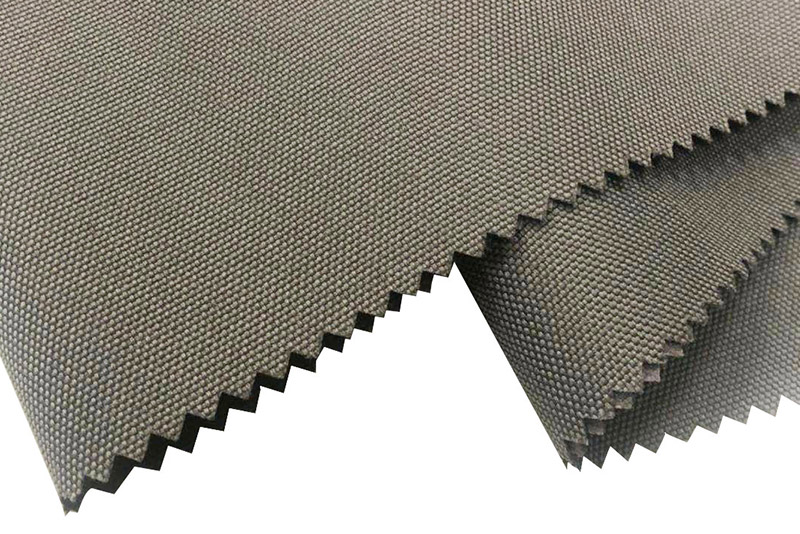
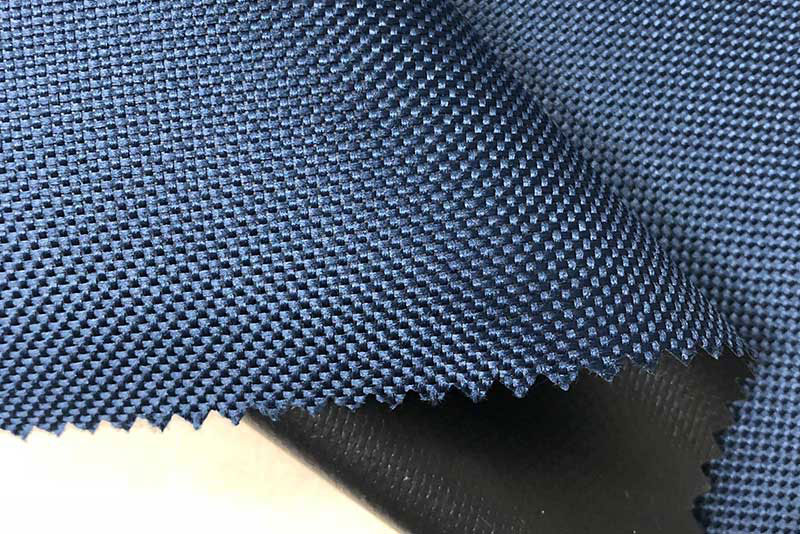
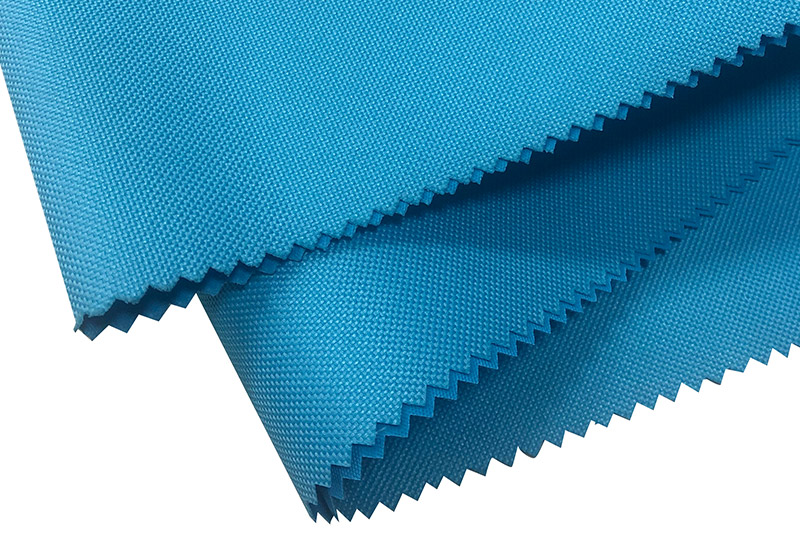
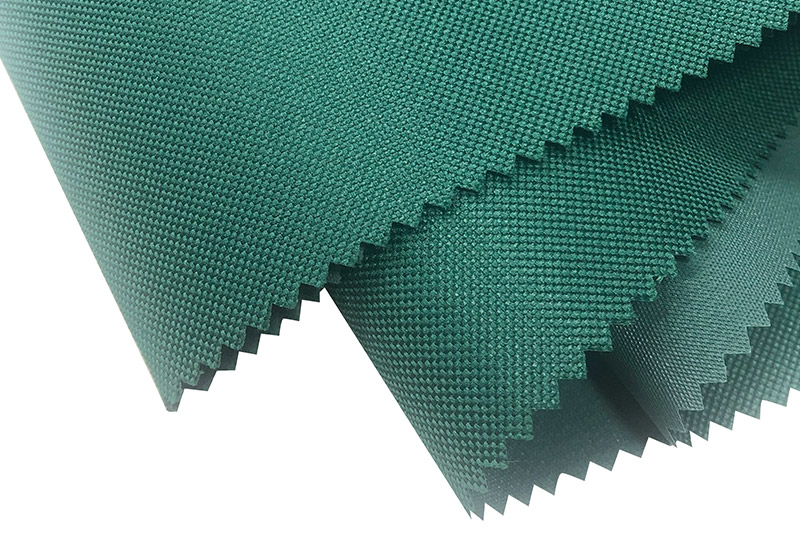
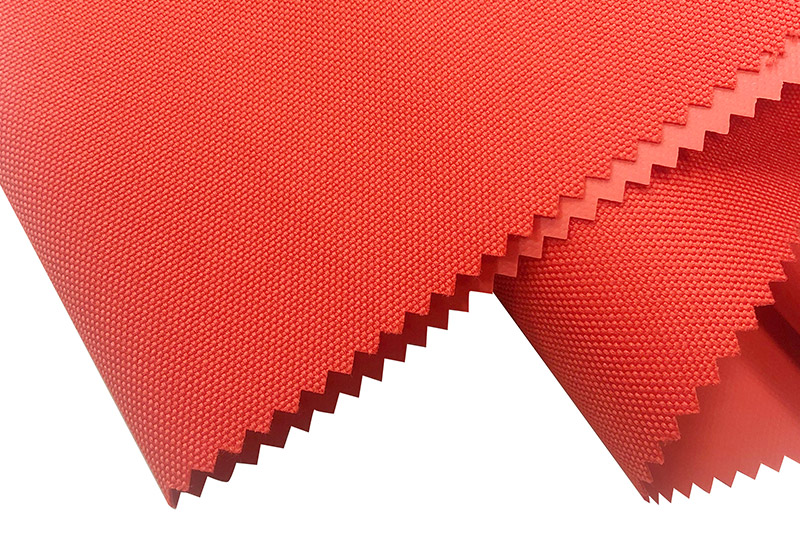
Print Oxford fabric is a category of woven textile that combines the structural characteristics of Oxford cloth with decorative surface printing. Oxford cloth itself is defined by its basket weave construction — a variation of plain weave in which two or more warp threads interlace with two or more weft threads simultaneously, creating a distinctive grid-like texture and a slightly raised surface. This weave structure gives the fabric its characteristic durability, moderate stiffness, and visual depth. When surface printing is applied to this base fabric, the result is a material that offers both functional performance and strong visual appeal.
Oxford fabric is most commonly produced from polyester, nylon, or polyester-cotton blends. The printed variants are typically finished with pigment printing, reactive printing, or digital printing processes that deposit color and pattern directly onto the woven surface. The combination of a textured weave and printed design gives print Oxford fabric a distinctive appearance that stands out from flat, smooth-surfaced printed textiles. This makes it a versatile choice across fashion accessories, outdoor gear, home storage products, luggage, and children's goods.
Base Fabric Construction and Fiber Variants
Understanding the fiber composition and construction of Oxford fabric is essential before selecting a printed version for any specific application. The most widely used base constructions include the following variants, each offering a different balance of weight, texture, and performance:
- 150D Oxford Fabric: Made from 150-denier polyester yarns, this is the lightest and most flexible variant. It is commonly printed and used for thin shopping bags, light tote bags, and promotional items where weight reduction is prioritized over heavy-duty durability.
- 300D Oxford Fabric: The most popular mid-weight construction. 300D print Oxford offers a good balance between printability, structural integrity, and manageable weight. It is widely used for backpacks, pencil cases, drawstring bags, and children's accessories.
- 600D Oxford Fabric: A heavier, more rigid construction made from 600-denier yarns. 600D print Oxford is significantly more durable and abrasion-resistant than lighter variants. It is the standard choice for luggage, tool bags, camera bags, and outdoor storage solutions where long-term wear resistance is essential.
- 1680D Oxford Fabric: The heaviest standard variant, used for premium luggage, military-style bags, and heavy-duty equipment cases. Printing on 1680D is less common due to the coarser texture, but specialty applications do use it for branded or patterned heavy-duty products.
- Polyester-Cotton Oxford: A blended construction that introduces cotton fibers for improved breathability and a softer hand feel. Printed polyester-cotton Oxford is commonly used in casual fashion bags, children's backpacks, and eco-conscious product lines where a natural feel is desirable.
Common Print Types Applied to Oxford Fabric
The printing method used on Oxford fabric significantly affects the vibrancy, durability, and feel of the final design. Different printing technologies are suited to different design complexities, order volumes, and performance requirements.
Pigment Printing
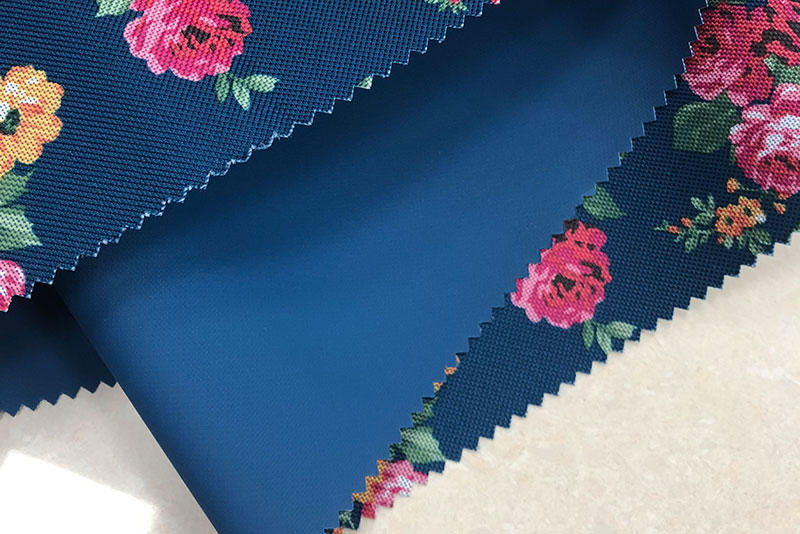
Pigment printing is the most widely used method for Oxford fabric and involves applying pigment-based inks to the fabric surface using a screen or rotary printing process. The pigments are fixed to the surface using a binder resin rather than penetrating the fiber, which means the color sits on top of the fabric rather than being absorbed into it. Pigment printing produces bold, opaque colors and is capable of reproducing detailed patterns at low cost. It is well-suited to large production runs and is compatible with all Oxford fabric fiber types. The main limitation is a slightly stiffer hand feel due to the binder resin, and reduced wash fastness compared to reactive or digital methods at lower quality grades.
Reactive Printing
Reactive printing uses dyes that form a covalent chemical bond with the fiber during the fixation process. This produces colors that are fully integrated into the fabric structure rather than sitting on the surface, resulting in superior wash fastness, color brightness, and a softer hand compared to pigment printing. Reactive printing is primarily used on cotton-content Oxford fabrics and is the preferred method for products where long-term color retention under repeated washing is critical, such as fashion bags or children's accessories that are laundered regularly.
Digital Printing
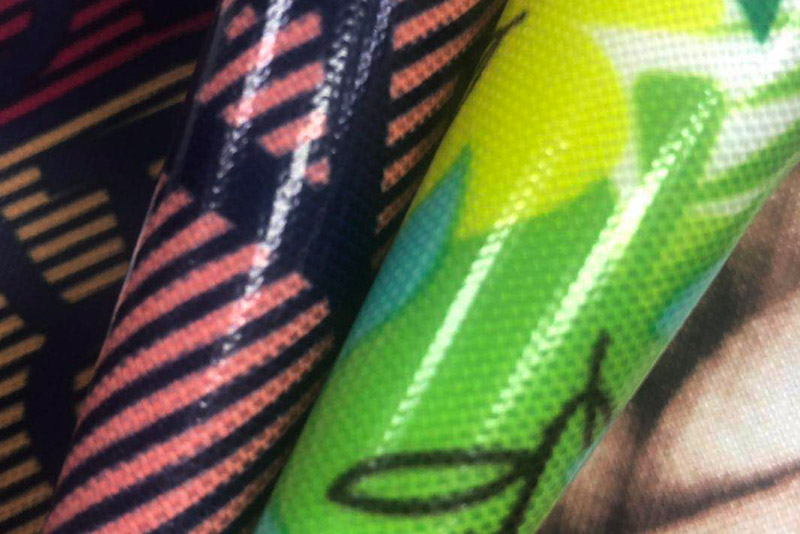
Digital printing uses inkjet technology to deposit dye or pigment directly onto the fabric surface under computer control. This method enables virtually unlimited color complexity, photographic-quality imagery, and precise pattern registration without the need for physical screens or printing plates. Digital printing on Oxford fabric is increasingly popular for custom, short-run, and sample production where design flexibility and fast turnaround are priorities. It is particularly well-suited to complex all-over prints, gradient effects, and photographic designs that would be impractical or prohibitively expensive to produce via screen printing.
Heat Transfer Printing
Heat transfer printing involves first printing a design onto a release paper using sublimation or pigment inks, then transferring the image to the fabric surface using heat and pressure. This method produces sharp, detailed graphics with excellent color saturation on polyester Oxford fabrics. Heat transfer printing is commonly used for branded accessories, promotional bags, and fashion items where a specific logo or graphic must be reproduced with high precision. It is less suitable for large surface area coverage due to cost constraints at scale.
Popular Print Patterns and Design Categories
The range of print designs available on Oxford fabric is extremely broad, catering to diverse market segments from children's stationery goods to outdoor gear and fashion accessories. The most commercially significant pattern categories include:
| Pattern Category | Description | Common Applications |
| Camouflage (Camo) | Military-inspired disruptive patterns in earth, jungle, or digital colorways | Tactical bags, outdoor gear, military accessories |
| Floral and Botanical | Flower, leaf, and plant motifs in various scales and color palettes | Women's bags, children's accessories, tote bags |
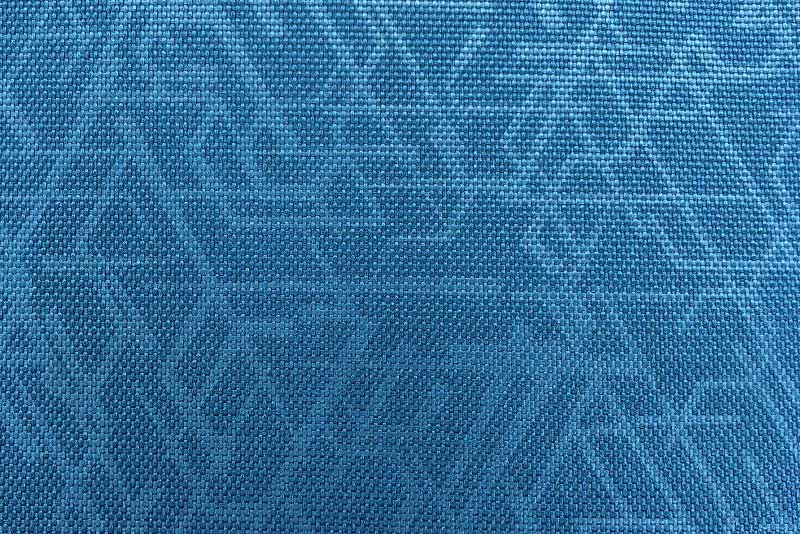
| Geometric and Abstract | Repeated shapes, lines, and abstract motifs in modern or ethnic styles | Fashion bags, stationery pouches, travel accessories |
| Animal and Character | Cartoon animals, character illustrations, and novelty motifs | Children's school bags, pencil cases, lunch boxes |
| Plaid and Tartan | Checked and crosshatch designs in classic or contemporary colorways | Casual bags, laptop sleeves, travel pouches |
| Brand and Logo | Custom corporate branding, logos, and promotional graphics | Promotional bags, branded merchandise, corporate gifts |
Key Performance Properties of Print Oxford Fabric
Beyond its visual appeal, print Oxford fabric is valued for a specific set of functional properties that make it suitable for load-bearing, outdoor, and daily-use applications. These performance characteristics distinguish it from lighter printed fabrics such as ripstop nylon or plain polyester taffeta.
- Abrasion resistance: The basket weave structure distributes mechanical stress across a larger contact area than plain weave, giving Oxford fabric inherently better resistance to surface abrasion. This is particularly important for bags and accessories that are regularly placed on rough surfaces.
- Tear strength: Higher denier Oxford fabrics (600D and above) exhibit excellent tear resistance, maintaining structural integrity even under lateral stress from sharp objects or heavy loads. The interlocked weave prevents runs or tears from propagating across the fabric width.
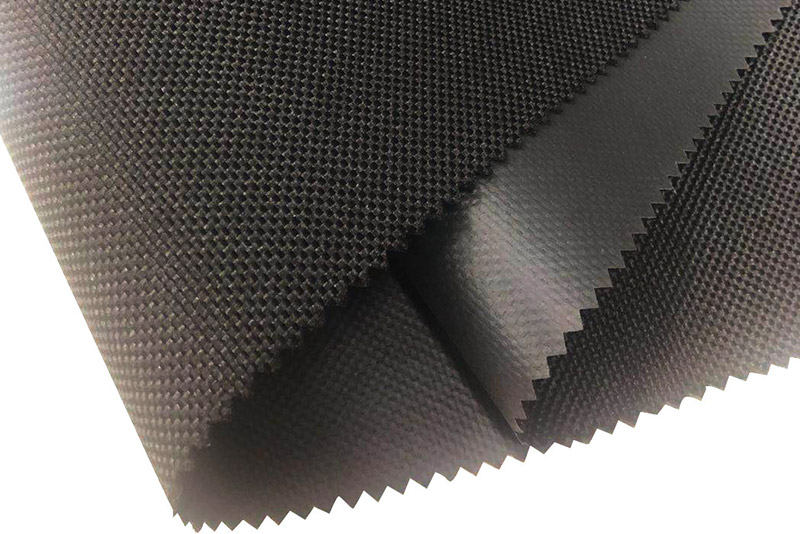
- Water resistance: Most print Oxford fabrics receive a PU (polyurethane) or PVC coating on the reverse side, providing water resistance ratings suitable for light to moderate rain exposure. The printed face is typically uncoated, preserving print clarity and color accuracy.
- Dimensional stability: Polyester Oxford fabric does not shrink or stretch significantly under normal use and washing conditions, maintaining the shape and structure of finished products over an extended service life.
- UV resistance: Polyester fiber has inherent resistance to UV degradation, and pigment-based prints on Oxford fabric generally maintain acceptable color retention under moderate outdoor UV exposure, though prolonged direct sunlight will cause gradual fading in all printed textiles.
Applications Across Product Categories
Print Oxford fabric is one of the most versatile printed textiles in the market, finding application across a wide spectrum of product categories. Its combination of structural durability and decorative surface treatment makes it uniquely suited to products that must be both functional and visually engaging.
Bags and Backpacks
This is by far the largest application segment. Print Oxford fabric in 300D and 600D constructions is the standard material for school backpacks, drawstring bags, tote bags, and children's character bags globally. The printed surface allows brand identification, character licensing, and fashion-forward design at a production cost accessible to mass-market and mid-market brands. The fabric's durability ensures that bags withstand the rigors of daily use, while PU-coated backing provides weather protection for contents.
Travel and Luggage Accessories
Printed Oxford fabric is extensively used for packing cubes, toiletry bags, passport holders, luggage covers, and travel organizers. The 600D variant is the preferred weight for these applications due to its combination of structure and manageable weight. Geometric, floral, and color-blocked print designs are particularly popular in this category, enabling consumers to identify their luggage and accessories quickly while expressing personal style.
Children's Products and Stationery
Printed Oxford fabric dominates the children's accessories segment. Pencil cases, lunch bags, toiletry pouches, art supply bags, and school organizers made from print Oxford are standard retail products worldwide. Animal characters, cartoon motifs, and bright geometric prints are the most commercially successful design categories in this segment. The fabric's ease of cleaning — most 300D polyester Oxford items can be wiped clean or surface washed — is a significant practical advantage for children's products.
Outdoor and Sporting Goods
Camouflage and tactical print Oxford fabrics are used in hunting bags, fishing tackle organizers, camping gear, and military-style accessories. The combination of heavy-duty construction and functional print design meets the aesthetic and performance expectations of the outdoor sports market. Fluorescent and high-visibility print Oxford is also used in safety vests and sports accessories where visual conspicuity is required.
Sourcing and Quality Evaluation Tips
When sourcing print Oxford fabric, buyers should evaluate both the base fabric quality and the print quality as separate but interdependent factors. A poorly printed design on high-quality Oxford base fabric, or a sharp print on a low-grade base, will both result in an unsatisfactory finished product. The following evaluation criteria should be applied during supplier qualification and sample assessment:
- Verify the denier count and GSM weight against stated specifications using standard test methods. Suppliers occasionally offer lower denier yarn under the same nominal specification to reduce cost.
- Assess print color consistency across the full fabric width and from selvedge to selvedge, as shading variation is a common quality issue in pigment-printed Oxford fabric.
- Conduct rub fastness testing (ISO 105-X12) on printed samples to confirm that the print does not transfer color to adjacent surfaces under dry or wet friction conditions.
- Evaluate the PU or PVC coating weight and uniformity on the reverse side, as coating quality directly affects water resistance performance and product longevity.
- For products targeting the European or North American market, request REACH compliance documentation and OEKO-TEX Standard 100 certification to ensure the fabric is free from restricted chemical substances, particularly relevant for children's product applications.
Requesting pre-production print strike-offs — physical fabric samples showing the actual print reproduction before bulk production begins — is standard practice when ordering custom print Oxford fabric. This step allows buyers to approve color accuracy, pattern scale, and print registration before committing production resources, preventing costly bulk order rejections and production delays.

 Tel: +86-571-22917799
 Fax: +86-571-82799678
 E-mail:
 Add: No.88 Yinxin Rd.,Yaqian Town,Hangzhou City, Zhejiang, China.