+86-571-22917799



 English
 简体中文
简体中文 русский
 Español
Content
What Is Jacquard Oxford Fabric
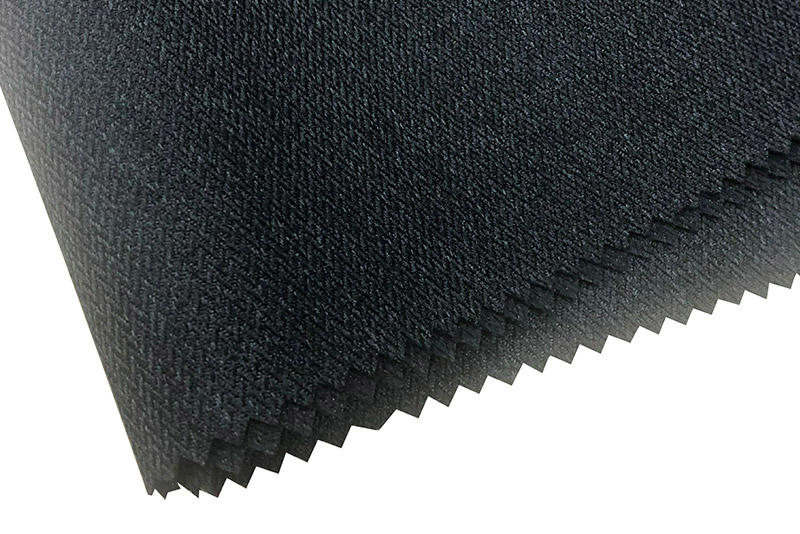
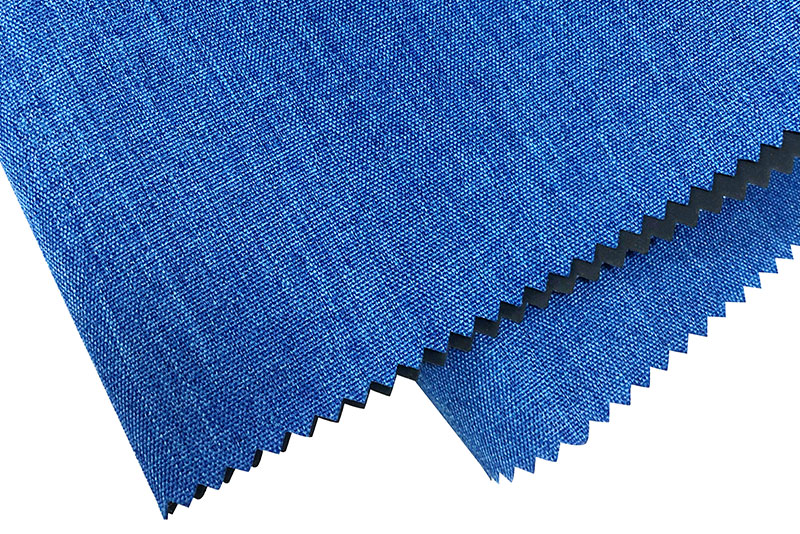
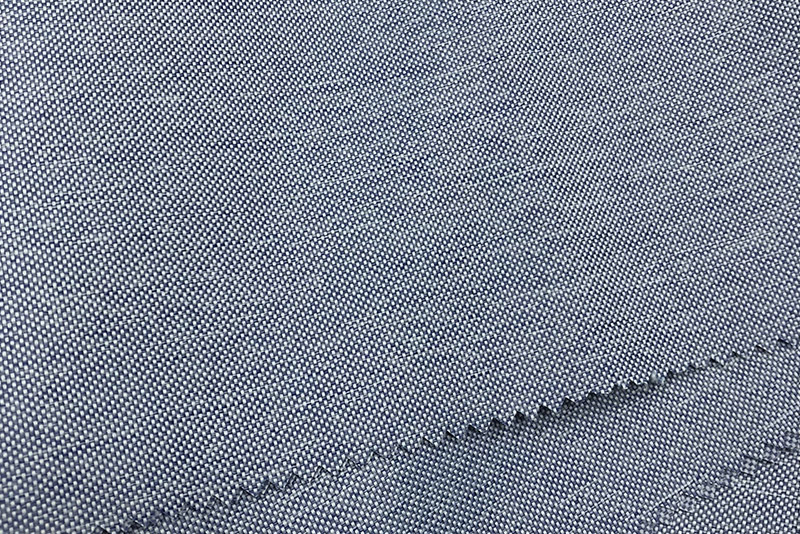
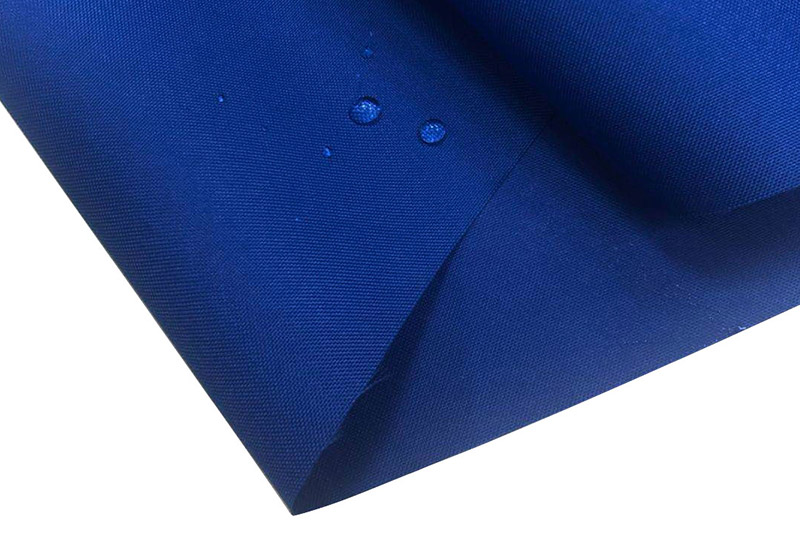
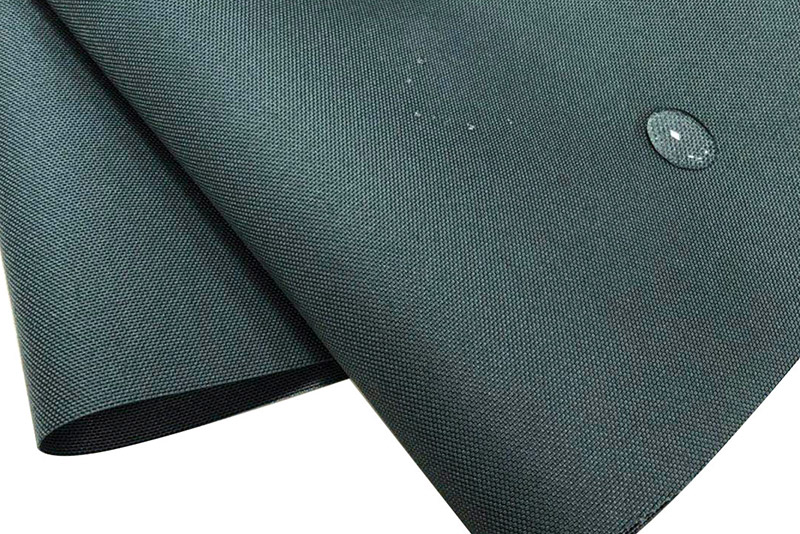
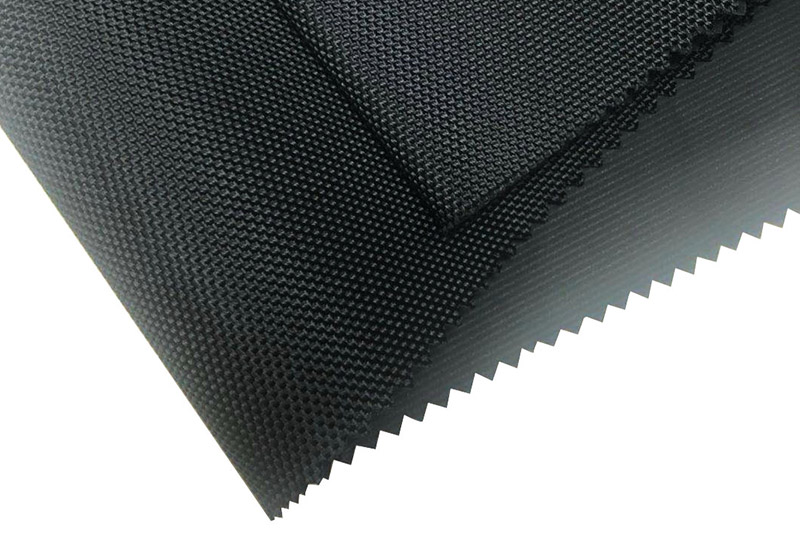
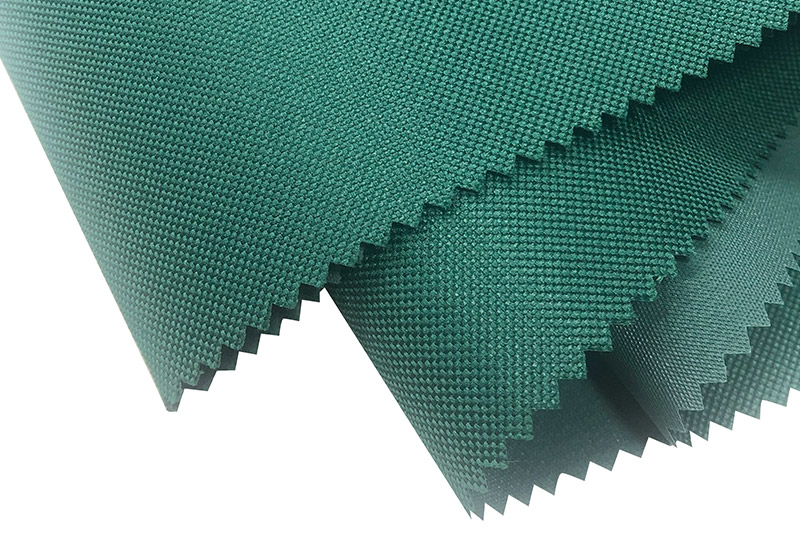
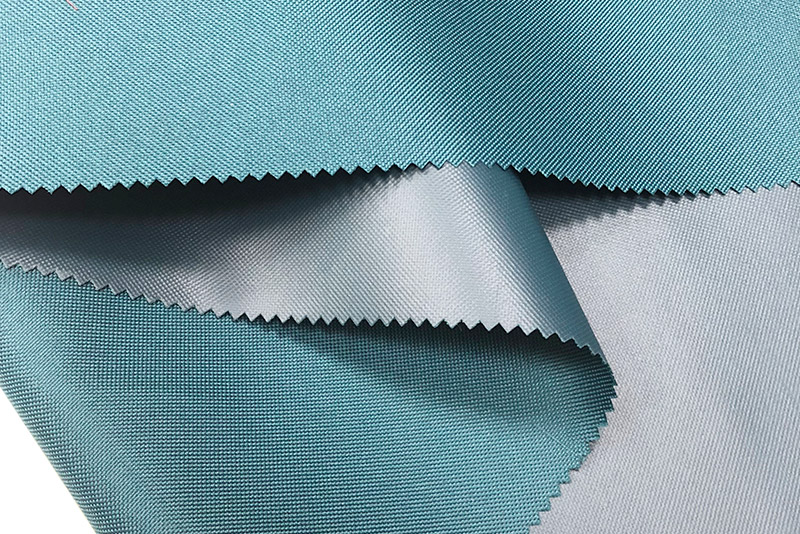
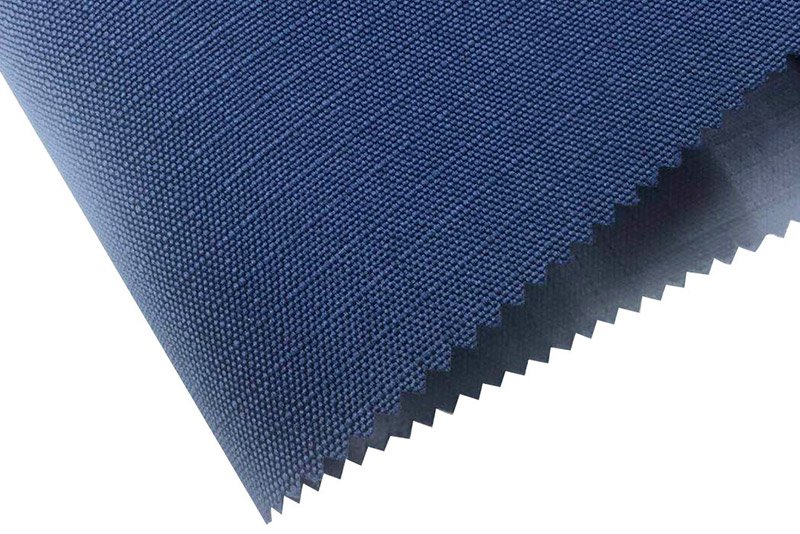
Jacquard oxford fabric combines two distinct textile traditions into a single, versatile material: the basket-weave structure of oxford cloth and the intricate patterning capability of jacquard weaving. Oxford fabric is traditionally known for its basket weave, in which two or more warp threads interlace with one or more weft threads, creating a fabric with a slightly textured, matte surface and excellent breathability. When jacquard weaving techniques are applied to this base structure, the result is a fabric capable of displaying complex woven patterns, textures, and designs directly within the weave itself, rather than through printing or embroidery.
This combination makes jacquard oxford fabric particularly appealing for designers and manufacturers who want the durability and breathability of oxford cloth along with the visual sophistication of a woven pattern. It is commonly used in shirting, jackets, bags, and home textiles, offering a refined appearance that stands apart from plain or printed fabrics.
How Jacquard Oxford Fabric Is Woven
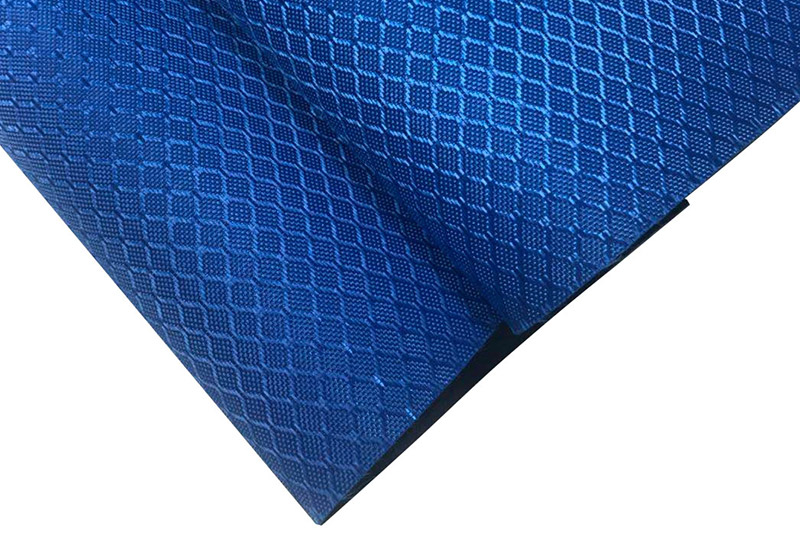
The production of jacquard oxford fabric relies on a specialized jacquard loom, which uses a series of punched cards or, in modern mills, computer-controlled mechanisms to individually control each warp thread. This allows the loom to create complex patterns such as stripes, geometric shapes, florals, or subtle textures woven directly into the fabric structure, rather than applied afterward.
The base oxford weave provides the foundational texture, while the jacquard mechanism introduces pattern variation by raising and lowering specific warp threads according to a programmed design. This dual construction results in a fabric with visible surface interest and dimension, as the patterned areas often catch light differently than the surrounding basket-weave background.
| Component | Role in Fabric | Effect on Appearance |
| Oxford Base Weave | Provides structure and texture | Matte, slightly textured surface |
| Jacquard Mechanism | Controls individual warp threads | Enables complex woven patterns |
| Yarn Selection | Determines fiber content and hand feel | Affects softness, sheen, and drape |
Common Fiber Compositions
Jacquard oxford fabric can be produced from a variety of fiber types, each contributing distinct properties to the finished textile. Selecting the right fiber composition depends on the intended use, whether for structured shirting, casual jackets, or home décor applications.
- Cotton jacquard oxford offers excellent breathability and a soft, natural feel, making it a popular choice for dress shirts and casual button-downs.
- Polyester jacquard oxford provides enhanced durability, wrinkle resistance, and easier care, making it well suited for bags, uniforms, and outerwear.
- Cotton-polyester blends combine the comfort of natural fiber with the practicality of synthetic fiber, offering a balanced option for everyday apparel.
- Nylon jacquard oxford is valued for its strength and abrasion resistance, frequently chosen for bags, backpacks, and outdoor gear.
Key Properties of Jacquard Oxford Fabric
Understanding the performance characteristics of jacquard oxford fabric helps buyers and designers select the right material for their specific project needs.
Durability and Strength
The tightly interlaced basket weave structure of oxford cloth gives jacquard oxford fabric strong resistance to abrasion and tearing, making it suitable for both apparel that requires frequent washing and bags or accessories that endure daily wear.
Breathability
Because the oxford weave incorporates small gaps between interlaced yarns, jacquard oxford fabric generally allows better airflow than tightly woven satin or twill fabrics, making it comfortable for shirts and warm-weather garments.
Pattern Dimension
Unlike printed fabrics, the woven patterns in jacquard oxford fabric have a tactile, three-dimensional quality that can be felt as well as seen, adding a subtle richness that many designers find preferable to flat printed designs.
Popular Applications
Jacquard oxford fabric's combination of texture, pattern, and durability makes it a versatile choice across multiple industries. In fashion, it is frequently used for men's and women's dress shirts, casual button-downs, blazers, and jackets, where the subtle woven pattern adds visual interest without overwhelming the garment's overall design.
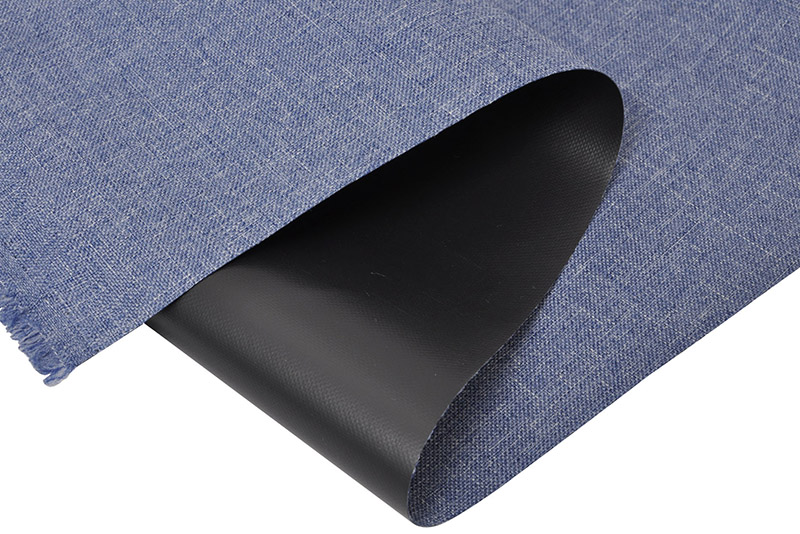
In accessories and bags, jacquard oxford fabric is a popular choice for backpacks, totes, and travel bags, particularly when blended with or coated for added water resistance. Its strength and structured feel make it well suited to holding shape while still offering decorative appeal. In home textiles, jacquard oxford is sometimes used for placemats, table runners, and decorative cushions, where its woven patterns can complement a room's existing décor.
How to Care for Jacquard Oxford Fabric
Proper care helps preserve both the structural integrity and the visual clarity of the woven pattern in jacquard oxford fabric. The following guidelines apply to most compositions, though specific care instructions should always be checked on the garment or product label.
- Wash in cold or lukewarm water on a gentle cycle to protect the fine detail of the woven pattern.
- Turn garments inside out before washing to reduce friction on the patterned surface.
- Avoid using chlorine bleach, which can weaken fibers and dull the contrast of the jacquard pattern.
- Iron on a medium setting, ideally with a pressing cloth, to avoid flattening the raised texture of the weave.
- Air dry or use a low tumble-dry setting to prevent shrinkage and maintain the fabric's original shape.
Choosing the Right Jacquard Oxford Fabric
When selecting jacquard oxford fabric for a specific project, it helps to consider both the intended use and the desired balance between pattern visibility and fabric weight. For dress shirts, a lighter cotton or cotton-blend jacquard oxford with a subtle pattern often works best, providing comfort and breathability without excessive bulk. For bags or outerwear, a heavier polyester or nylon jacquard oxford offers greater durability and structure.
It is also worth examining the clarity and consistency of the woven pattern, as a well-made jacquard oxford fabric should display crisp, evenly spaced motifs without loose threads or irregularities. Checking thread count and fabric weight can further help ensure the material meets the durability requirements of the intended application, whether that is a tailored shirt, a structured bag, or a decorative home textile.
Final Thoughts
Jacquard oxford fabric offers a distinctive blend of textured durability and woven pattern sophistication that sets it apart from plain or printed textiles. By understanding how it is constructed, what fiber options are available, and how to properly care for it, designers and consumers alike can make informed choices that ensure both the visual appeal and long-term performance of their jacquard oxford fabric products.

 Tel: +86-571-22917799
 Fax: +86-571-82799678
 E-mail:
 Add: No.88 Yinxin Rd.,Yaqian Town,Hangzhou City, Zhejiang, China.