+86-571-22917799



 English
 简体中文
简体中文 русский
 Español
Content
- 1 Understanding Oxford Fabric as a Foundation
- 2 What Makes Jacquard Oxford Fabric Different
- 3 Key Properties of Jacquard Oxford Fabric
- 4 Common Types and Specifications of Jacquard Oxford Fabric
- 5 Applications Across Industries
- 6 How to Evaluate and Select Jacquard Oxford Fabric
- 7 Care and Maintenance of Jacquard Oxford Fabric Products
Jacquard Oxford fabric sits at the intersection of two well-established textile traditions, combining the structural durability of Oxford weave construction with the intricate, pattern-rich character of jacquard weaving. The result is a fabric that offers far more visual complexity than standard Oxford cloth while retaining the strength, weight, and practicality that have made Oxford fabric a staple in bags, outdoor gear, apparel, and home textiles for decades. Whether you are sourcing material for a high-end product line, evaluating fabric options for a functional bag or backpack, or simply trying to understand what distinguishes jacquard Oxford from its plain-woven counterpart, this guide covers the construction, properties, applications, and selection criteria you need to make informed decisions.
Understanding Oxford Fabric as a Foundation
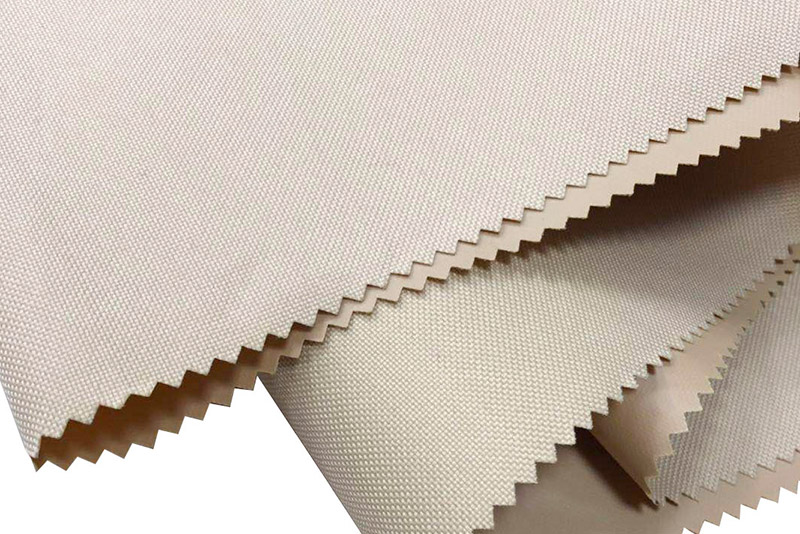
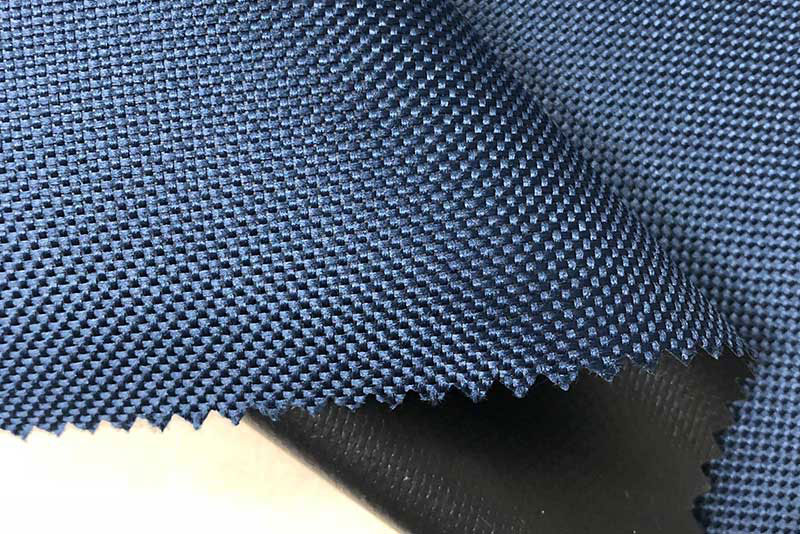
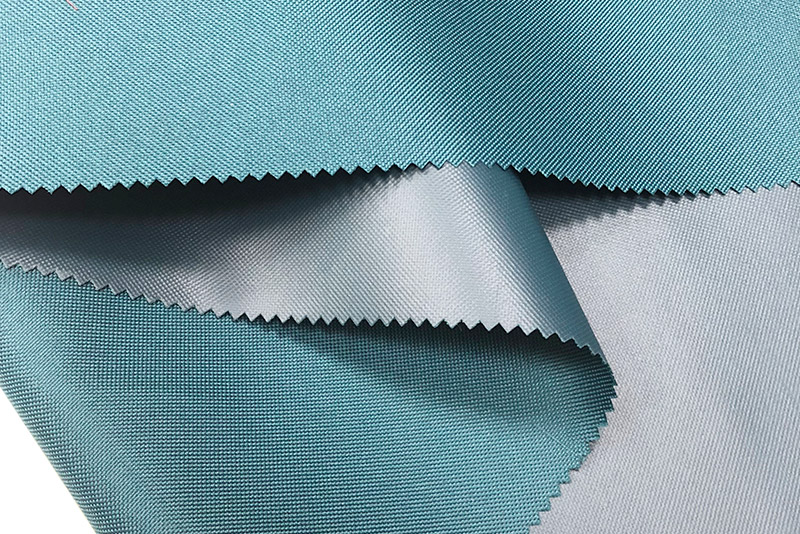
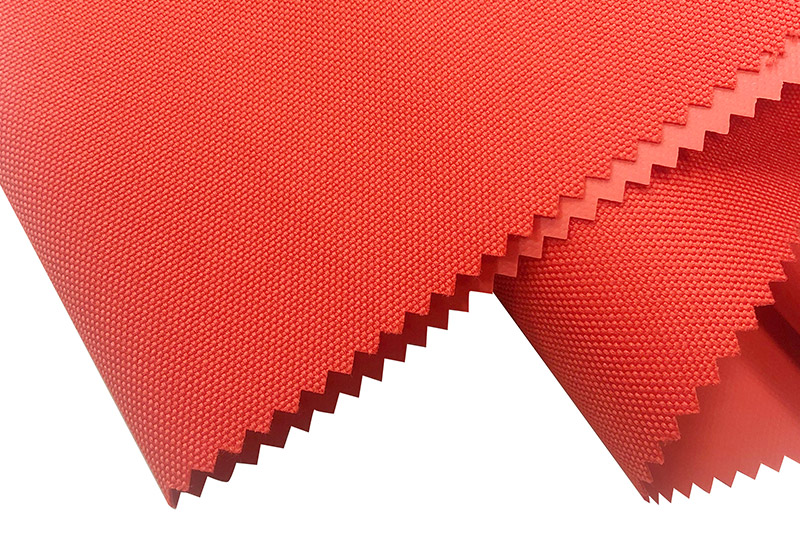
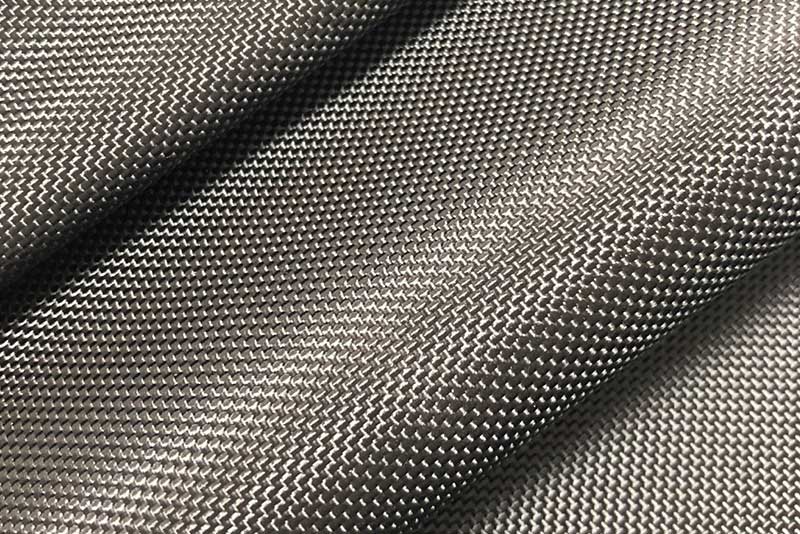
Before examining the jacquard element, it is worth understanding what Oxford fabric actually is. Oxford cloth is defined by a specific basket weave structure in which two or more weft yarns are woven over and under a single warp yarn, or vice versa, creating a characteristic pebbly or grid-like surface texture. This basket weave structure gives Oxford fabric its signature combination of breathability, moderate weight, and resistance to tearing — properties that differentiate it from plain-woven fabrics of similar fiber content. The surface texture also adds a subtle visual dimension that catches diffused light differently than a flat weave.
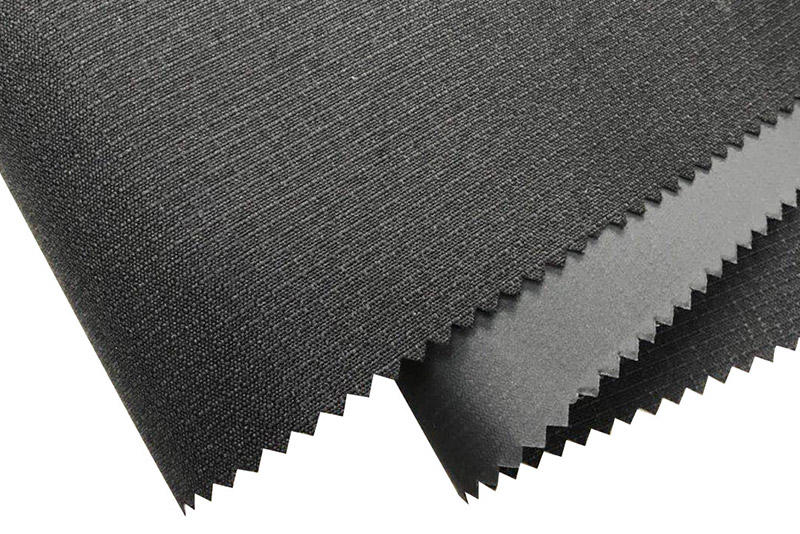
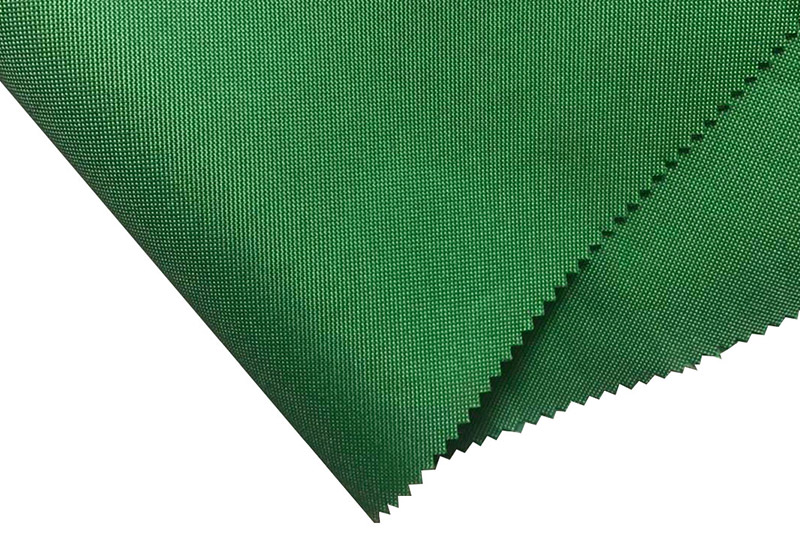
Oxford fabric is most commonly produced using polyester, nylon, or polyester-nylon blends, though cotton Oxford remains popular in shirting and casual apparel. The denier count — a measurement of yarn thickness — varies widely in Oxford fabric production, from lightweight 150D Oxford used in linings and light apparel to heavy-duty 1680D Oxford used in luggage and military-grade gear. The denier count, combined with thread count and any coating applied to the back of the fabric, determines the material's weight, stiffness, water resistance, and abrasion performance.
What Makes Jacquard Oxford Fabric Different
Jacquard Oxford fabric introduces an additional layer of sophistication by incorporating jacquard weaving technology into the Oxford structure. The jacquard loom, invented by Joseph Marie Jacquard in the early nineteenth century, uses a system of punch cards — and in modern production, computer-controlled electronic heads — to independently control each individual warp thread. This independent control allows the loom to create virtually unlimited pattern complexity directly within the woven structure itself, rather than through printing, embroidery, or surface treatments applied after weaving.
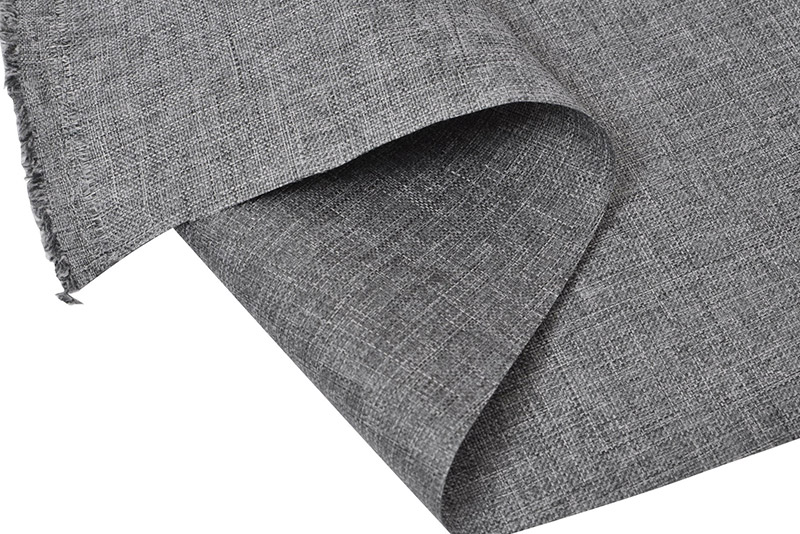
In jacquard Oxford fabric, this means that geometric patterns, floral motifs, logos, diamond lattices, herringbone configurations, and other repeat designs are woven into the fabric's body during the weaving process. The patterns are not painted on or added later — they are structurally embedded in the textile, which has significant practical implications for durability, washability, and longevity. A pattern woven into jacquard Oxford will not crack, peel, fade, or wash away the way a printed or coated design can over time with repeated use and laundering.
Key Properties of Jacquard Oxford Fabric
The combination of Oxford construction and jacquard patterning produces a fabric with a distinct set of performance and aesthetic characteristics that make it suitable for a specific range of applications. Understanding these properties helps in evaluating whether jacquard Oxford is the right material for a given project.
- Enhanced Visual Texture: Jacquard Oxford carries a multi-dimensional surface appearance that plain Oxford cannot achieve. The interplay between the basket weave base and the jacquard pattern creates depth, shadow, and visual interest that elevates the perceived quality of finished products.
- Structural Durability: Because the pattern is woven rather than applied, jacquard Oxford retains the full structural integrity of the underlying Oxford weave. The fabric resists tearing, abrasion, and deformation under load, making it suitable for bags, accessories, and functional outerwear.
- Pattern Permanence: Woven-in patterns do not degrade with washing, UV exposure, or mechanical wear the way screen-printed or transfer-printed designs do, ensuring the fabric's appearance remains consistent throughout its service life.
- Moderate Weight and Body: Jacquard Oxford typically has more body and structure than lightweight woven fabrics, which helps finished products maintain their shape without requiring excessive internal stiffening or interfacing.
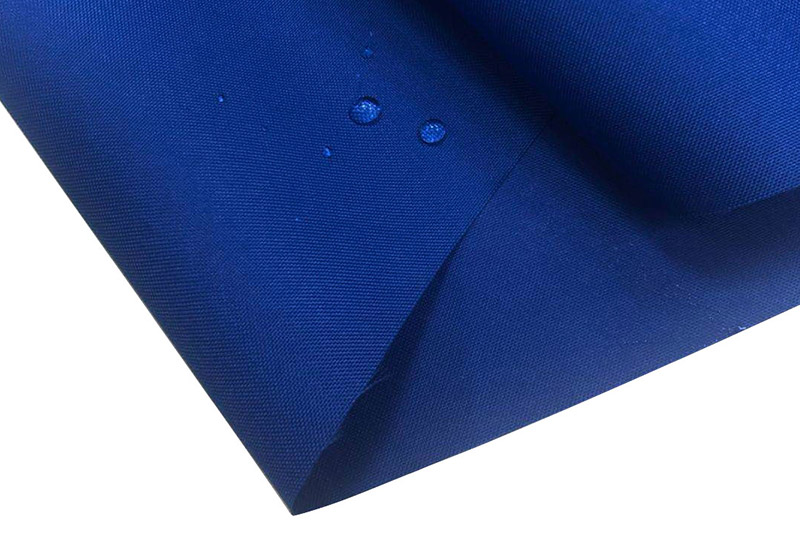
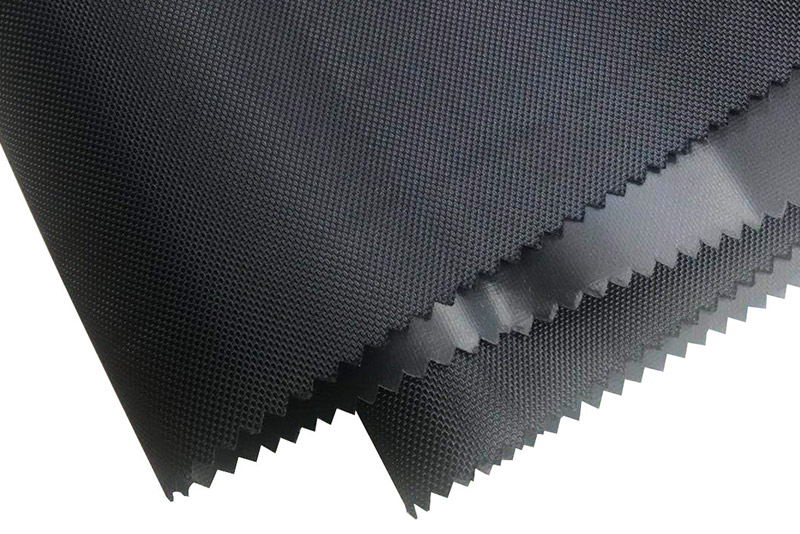
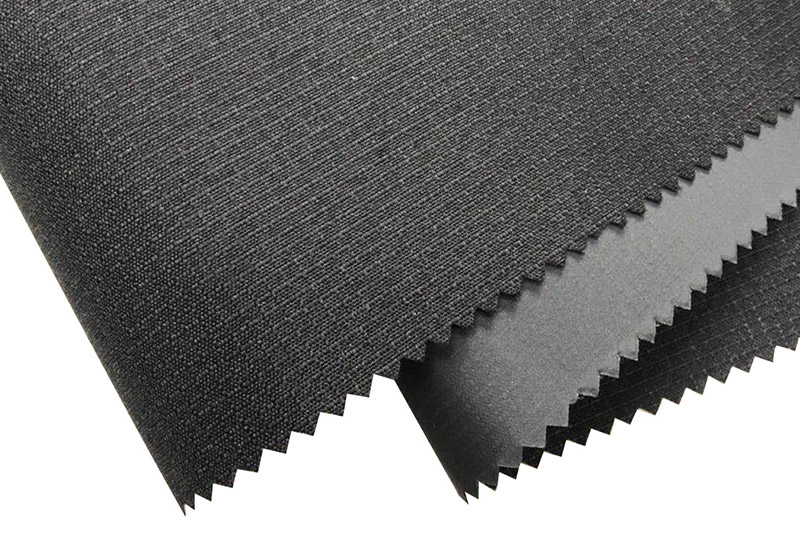
- Coating Compatibility: Like standard Oxford fabric, jacquard Oxford can be finished with PU (polyurethane), PVC, or TPU coatings on its reverse side to add water resistance or waterproofing without affecting the patterned face.
- Color Versatility: Jacquard weaving allows tonal patterns — designs created using different shades of the same color — as well as multi-color patterns using yarns dyed before weaving. This opens a wide range of aesthetic possibilities from subtle texture effects to bold graphic designs.
Common Types and Specifications of Jacquard Oxford Fabric
Jacquard Oxford fabric is produced in a range of specifications that vary by fiber content, denier count, pattern complexity, and finishing. Knowing how these variables interact helps buyers and designers select the most appropriate specification for their intended use.
| Specification | Typical Denier | Fiber Content | Common Finishing | Primary Applications |
| Lightweight Jacquard Oxford | 150D – 300D | Polyester | PU coating, DWR | Linings, light bags, apparel |
| Medium-Weight Jacquard Oxford | 420D – 600D | Polyester / Nylon blend | PU or PVC backing | Backpacks, tote bags, pouches |
| Heavy-Duty Jacquard Oxford | 900D – 1200D | Polyester | PVC backing | Luggage, tool bags, outdoor gear |
| Cotton Jacquard Oxford | N/A (yarn count) | 100% Cotton | Mercerized, uncoated | Shirting, home textiles, cushions |
| Recycled Jacquard Oxford | 300D – 600D | RPET (recycled polyester) | PU coating | Eco bags, sustainable fashion |
Medium-weight jacquard Oxford in the 420D to 600D range represents the most widely used segment of the market, striking a practical balance between flexibility, abrasion resistance, and manageable weight. Heavy-duty variants above 900D sacrifice some pliability for maximum durability and are most appropriate where mechanical wear and structural load-bearing are primary concerns. Cotton jacquard Oxford occupies a distinct niche in home furnishing and apparel contexts where natural fiber breathability and hand feel take priority over synthetic performance characteristics.
Applications Across Industries
Jacquard Oxford fabric's combination of aesthetic appeal and functional performance opens doors across multiple product categories. Its applications span from fashion accessories and outdoor equipment to home décor and promotional products.
Bags, Backpacks, and Luggage
This is the dominant application area for jacquard Oxford fabric. The woven pattern allows bag manufacturers to produce visually distinctive products without relying on post-production printing or branding treatments that may wear poorly over time. Backpacks, laptop bags, duffel bags, tote bags, and travel accessories produced in jacquard Oxford carry a premium visual impression compared to plain Oxford equivalents at a cost difference that is typically modest. The inherent durability of the Oxford weave ensures the bags withstand the mechanical demands of daily use, while PU or PVC backing provides the water resistance that users expect from bags exposed to outdoor conditions. Many brand-name and private-label bag manufacturers use jacquard Oxford specifically to enable subtle logo weave-ins or brand pattern elements that differentiate their products without printed labeling.
Outdoor and Sporting Goods
Jacquard Oxford fabric with appropriate coatings is used in tent footprints, equipment covers, sport bags, and protective cases for outdoor and sporting goods applications. The woven pattern can serve functional purposes — such as reinforcing specific weave directions for load distribution — as well as aesthetic ones. In sporting goods, jacquard Oxford is frequently used in team gear and equipment bags where both durability and visual team branding are required simultaneously, achieved through the woven pattern rather than printed graphics.
Home Textiles and Upholstery
Cotton and polyester jacquard Oxford fabrics find application in cushion covers, table runners, placemats, decorative storage bins, and upholstery for casual furniture. The structured body of Oxford weave supports these applications well, as the fabric maintains its shape under stress and resists the sagging that lighter-woven fabrics may develop over time. Jacquard patterns in home textile applications often feature classic motifs such as damask-inspired florals, geometric diamond repeats, or herringbone configurations that add visual richness without the cost and care requirements of traditional jacquard upholstery fabrics like brocade.
Fashion Accessories and Apparel
In fashion, jacquard Oxford is used for structured accessories including belts, hat brims, shoe uppers, and small leather goods linings. Its structured weave makes it easier to work with in construction-intensive accessories where dimensional stability is essential. In apparel, jacquard Oxford appears in outerwear panels, shirt fabric for casual and workwear applications, and as contrast fabric panels in garments that combine multiple textile types. The ability to incorporate brand logos or signature patterns directly into the weave has made it particularly popular with brands seeking to communicate authenticity and quality through textile construction rather than surface embellishment.
How to Evaluate and Select Jacquard Oxford Fabric
When sourcing jacquard Oxford fabric for a specific application, evaluating the right combination of properties requires moving beyond surface aesthetics to assess structural and functional performance criteria systematically.
- Confirm the denier count matches your application: Do not rely solely on descriptive terms like "heavy-duty" or "lightweight" without confirming the actual denier. Request spec sheets from suppliers that specify denier, yarn type, and weave density.
- Examine the backing coating type and thickness: PU coatings are lighter and more flexible, suitable for fashion bags and apparel. PVC coatings are heavier and stiffer but offer higher water resistance and durability for outdoor and utility applications. TPU coatings offer a balance of flexibility and environmental resistance.
- Request water resistance test data: For applications requiring reliable weather protection, ask suppliers for hydrostatic head ratings (measured in mm) rather than accepting general claims of "water-resistant." A rating of 1,000mm is appropriate for light rain; 3,000mm or above is needed for sustained wet conditions.
- Assess the pattern from both sides: In jacquard weaving, the reverse side of the fabric often shows the negative or mirror image of the pattern. For applications where lining will be visible, evaluate whether the reverse face is acceptable or whether an additional lining fabric will be needed.
- Evaluate colorfastness for outdoor use: Jacquard Oxford exposed to prolonged UV radiation should be tested to ISO 105-B02 or equivalent colorfastness to light standards, particularly for mid-tone and deep colors that are more susceptible to photodegradation.
- Consider minimum order quantities and lead times: Custom jacquard patterns — particularly brand-specific motifs or logos woven directly into the fabric — typically require minimum order quantities in the range of 300 to 1,000 meters or more and extended lead times for loom setup. Standard repeat patterns from supplier stock may be available in smaller quantities with shorter lead times.
Care and Maintenance of Jacquard Oxford Fabric Products
Maintaining jacquard Oxford fabric products correctly ensures both their appearance and functional performance are preserved over the longest possible service life. For polyester and nylon-based jacquard Oxford, most items can be wiped clean with a damp cloth and mild detergent for routine maintenance. Spot cleaning is preferable to full immersion washing for coated Oxford products, as repeated submersion and agitation can degrade PU or PVC backing over time, reducing water resistance and causing delamination. When full washing is necessary — particularly for uncoated cotton jacquard Oxford garments or home textiles — machine washing on a gentle cycle in cold water is recommended, followed by air drying rather than tumble drying to prevent heat-related dimensional changes. Avoid using bleach or harsh chemical cleaners on jacquard Oxford products, as these can affect yarn dye integrity and accelerate coating degradation. Storing jacquard Oxford products away from prolonged direct sunlight when not in use will further extend their color vibrancy and overall service life, particularly for products in saturated or dark colorways where photodegradation is most visible.

 Tel: +86-571-22917799
 Fax: +86-571-82799678
 E-mail:
 Add: No.88 Yinxin Rd.,Yaqian Town,Hangzhou City, Zhejiang, China.