+86-571-22917799




 English
 简体中文
 русский
 Español
Content
- 1 What Cordura Fabric Really Is
- 2 Why Buyers Reach for Cordura
- 3 Common Cordura Constructions and Finishes
- 4 Cordura vs. Standard Nylon and Polyester Oxford
- 5 Where Cordura Fabric Makes Sense
- 6 What to Check Before You Specify Cordura
- 7 Sourcing Cordura Fabric with Confidence
- 8 Caring for Cordura Fabric
- 9 Final Thoughts
Cordura fabric has a reputation that arrives before it does. Mention the name to a bag designer or luggage buyer, and they usually picture abrasion-resistant backpacks, reinforced travel gear, or workwear that survives rough handling. That reputation is earned, but it is often simplified. Cordura is not one fabric pulled from a shelf; it is a family of high-tenacity fabrics, and the yarn, weave, coating, and finishing decide how it performs in the finished product. We have been weaving and coating technical fabrics for international bag and outdoor customers since 2002, and the questions we hear are practical: What is Cordura? When is it worth the cost? How do you specify it without overbuilding the product?
What Cordura Fabric Really Is
At its core, classic Cordura fabric is built from high-tenacity nylon 6.6 yarns. The yarn is often air textured, which adds bulk, a softer hand, and surface resilience without depending on a heavy coating. The result resists abrasion, tearing, and scuffing better than many standard nylon or polyester oxfords of similar weight. The high-tenacity part matters, because not all nylon is created equal. Cordura-brand fabrics use yarns selected for strength and durability, and the brand's performance standards sit behind the label. That is why a 500D Cordura bag fabric can feel light while handling daily wear better than a heavier commodity cloth.
Cordura is also a trademark, not a generic term. If a label or buyer specification calls for Cordura, the fabric should come from an approved supply chain. That matters for warranties, brand claims, and consistency across production runs. Ask for documentation when the claim is important.
Why Buyers Reach for Cordura
Buyers choose Cordura for dependable reasons: abrasion resistance on backpacks, luggage, tool bags, and gear that rubs against concrete or rock; a strong strength-to-weight ratio; good tear and scuff resistance; and broad availability in different deniers, weaves, colors, coatings, and backings. It is not automatically right for every project. A lightweight promotional pouch or indoor dust cover may not need the cost or hand feel of a premium nylon. Cordura earns its place when the product will be used hard and the buyer values a longer service life.
Common Cordura Constructions and Finishes
The most familiar bag and luggage weights sit between 330D and 1000D. A 1000D Cordura is heavy, rugged, and common in travel packs, duffels, and motorcycle luggage. A 500D or 600D offers a practical balance for daypacks and commuter bags. Lighter weights work in reinforced panels, trims, or packs where weight matters more than maximum abrasion resistance. Weave also matters: plain, ripstop, twill, and jacquard constructions each change the look, tear behavior, and hand feel.
Finishes turn the base fabric into a usable product. Polyurethane coating adds water resistance and a cleaner back face. TPE backing can provide a softer, rubber-like hand and good flexibility. Different PU water-pressure ratings let you match the fabric to weather exposure, while solution dyeing, printing, and calendering add color, pattern, or a specific surface look. These choices should not be made from a data sheet alone; a sewn sample and a fold test will tell you more than a line of specifications.
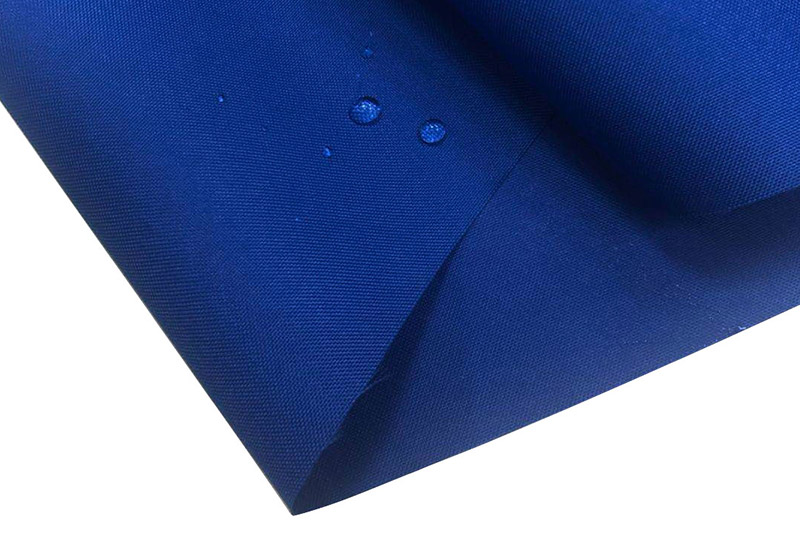
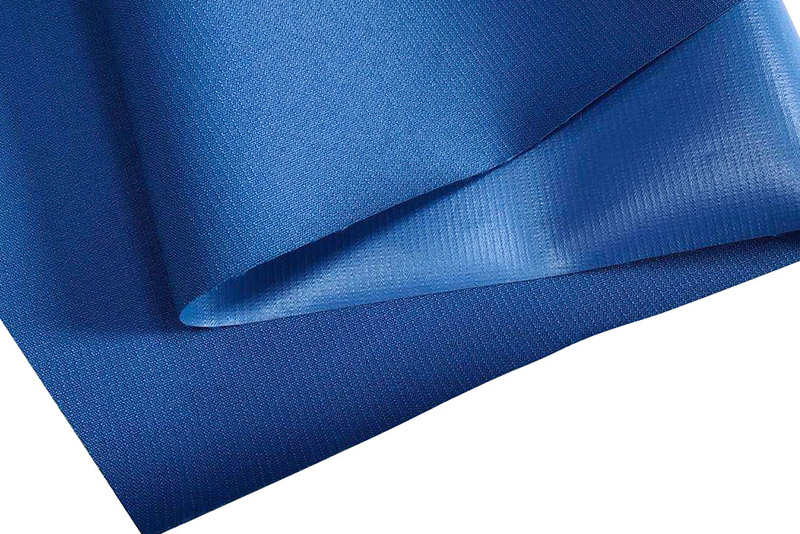
For heavy-duty travel and gear applications, our 1000D waterproof Cordura is a representative starting point. We adjust coating weight, color, and roll width to the order.
 1000D PU-Coated Waterproof Cordura for Bags and TentsReview this 335 gsm, 58-inch PU-coated polyester Oxford for heavy-duty bags, luggage and tents, with custom color and coating options.View Product →
Cordura vs. Standard Nylon and Polyester Oxford
Putting Cordura beside common alternatives helps clarify where it belongs. The table below is a buyer's snapshot, not a lab report; actual performance depends on yarn, construction, coating, and test method.
| Fabric | Base fiber | Abrasion resistance | Water resistance | Typical bag use | Watch-outs |
|---|---|---|---|---|---|
| Cordura classic | High-tenacity nylon 6.6 | Very high; often cited at 2-3x standard nylon under abrasion testing | Base fabric is not waterproof; PU or TPE finishes add resistance | Backpacks, luggage, workwear, gear | Higher cost; confirm branded supply and hand feel |
| Standard nylon oxford | Nylon 6 or 6.6 | Moderate | Coating dependent | Linings, daypacks, covers | Lower abrasion and tear resistance at equal weight |
| Polyester oxford | Polyester | Good | Coating dependent | Value bags, promotional goods, outdoor covers | Lower abrasion than Cordura; heavier for same strength |
Where does that leave you? If the product needs maximum abrasion resistance and the brand story can support the cost, Cordura is a strong choice. If the goal is a value-focused line with moderate durability, a well-coated polyester oxford may be the better commercial fit. If you are weighing a 600D polyester oxford for a value-focused line, our 600D oxford fabric wholesale page is a useful reference.
Where Cordura Fabric Makes Sense
Cordura fabric shows up in familiar product families: backpacks and daypacks, especially bottoms and abrasion panels; luggage and travel bags; tool and equipment bags; outdoor gear; workwear and uniforms; pet products; and utility covers where flexibility matters.
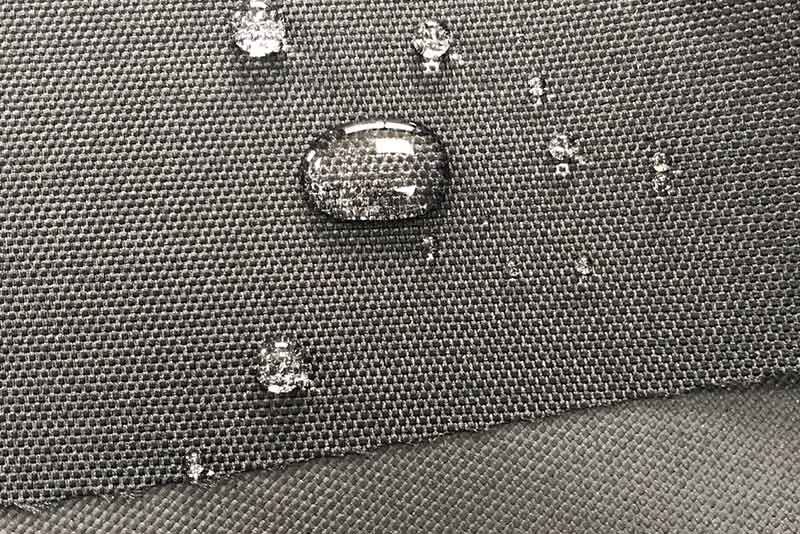
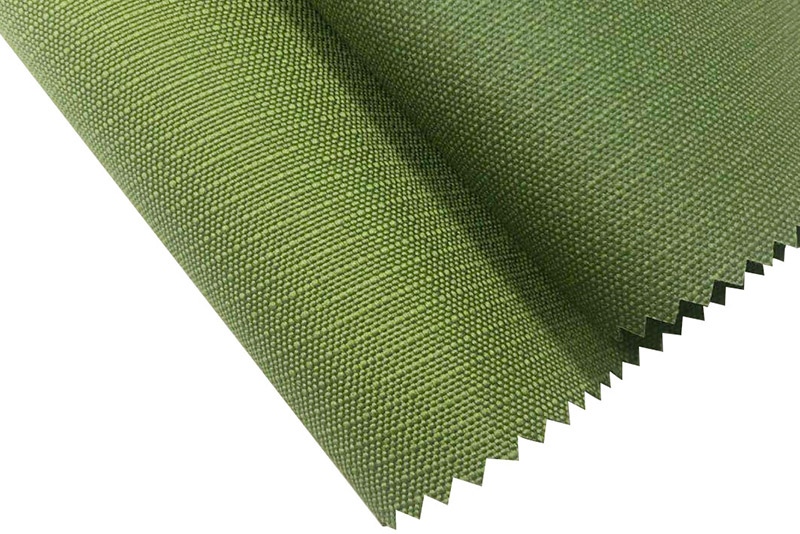
For bags, the common approach is a hybrid: Cordura in the base, bottom, and high-wear panels, with a lighter lining or polyester oxford in lower-wear areas. That keeps cost and weight sensible while putting durability where the user needs it. Our Cordura solid PU construction is often used this way for luggage and gear that need a clean back face and dependable water resistance. We can adjust denier, coating, and color to match the bag's design.
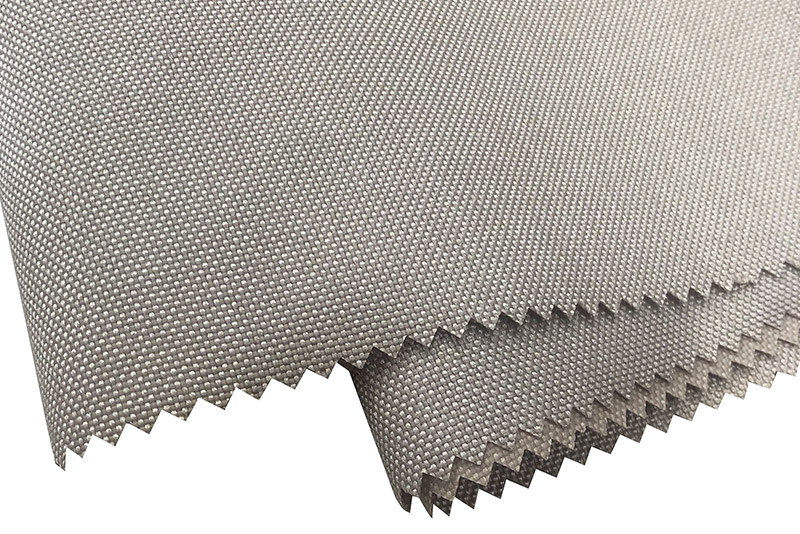 Cordura Solid PU for Backpack Bags and Wear PanelsA 450 gsm, 58-inch PU-coated Cordura with a clean back face, suited to backpack bases and high-wear panels; color is customizable.View Product →
What to Check Before You Specify Cordura
Before you sign off on a Cordura specification, confirm these points with your fabric supplier:
- Fiber and yarn: high-tenacity nylon 6.6, and whether the mill can document branded supply.
- Denier and weight: 500D, 600D, 1000D, or a custom weight; check grams per square meter, not just the denier number.
- Weave and finish: plain, ripstop, twill, or jacquard; PU, TPE, or another backing.
- Performance tests: abrasion cycles, tear strength, tensile strength, water pressure, colorfastness, and dimensional stability.
- Color and hand feel: lab dips, strike-off approval, and a sewn sample.
- Order details: minimum quantity, lead time, roll width, packing, and shipping terms.
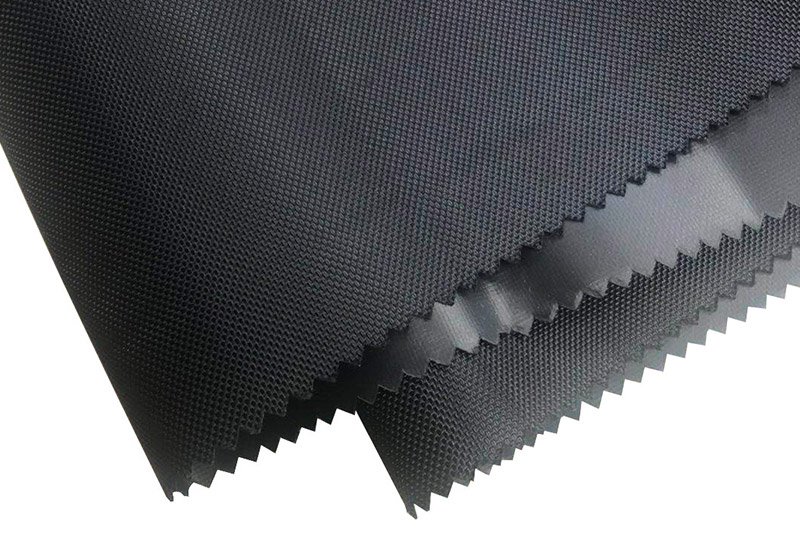
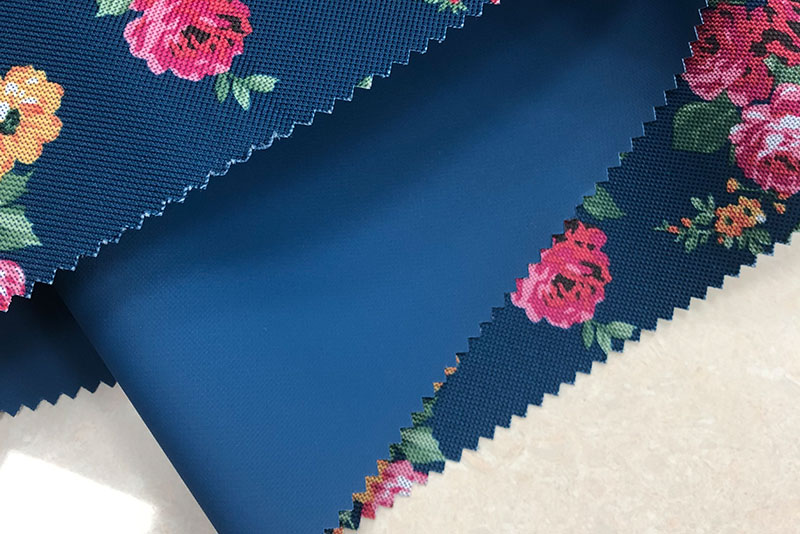
A specification sheet is a starting point, not a substitute for a sample. Small differences in coating weight or yarn batch can change how the fabric cuts, sews, and wears. For orders that need a flexible, rubber-like backing, our Cordura TPE construction is another option to review.
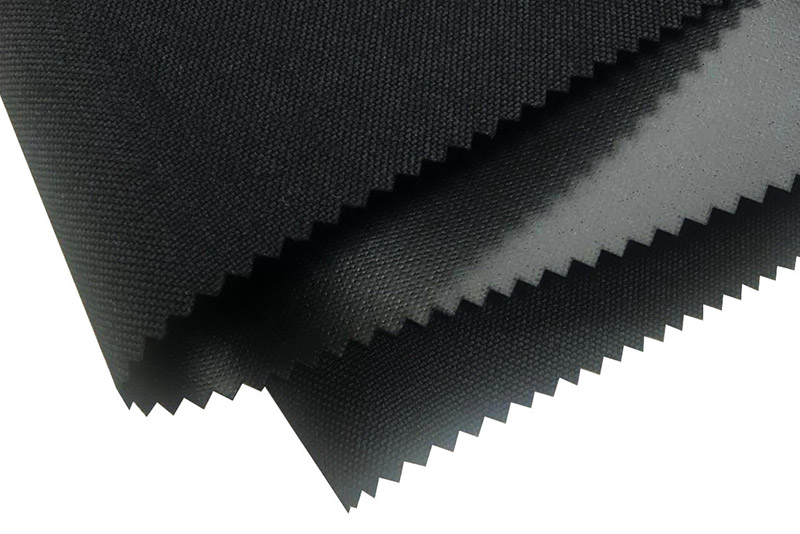 Cordura TPE for Flexible Rubber-Like BackingConsider Cordura TPE when a flexible, rubber-like backing is needed; request samples to verify coating, hand feel, and performance before ordering.View Product →
Sourcing Cordura Fabric with Confidence
We manufacture polyester oxford and technical fabrics in Hangzhou, with our own yarn, weaving, printing, and coating equipment. Our annual capacity is 30 million meters, and we have more than a decade of export experience serving customers in South America, Eastern Europe, Western Europe, and South Asia. That does not make every project a perfect match, and we would rather say so early than force a fabric into the wrong application. If your product needs Cordura-brand nylon with a specific coating, color, or hand feel, we will review the brief, suggest the closest construction, and send samples for real-world testing.
Caring for Cordura Fabric
Cordura fabric is tough, but not indestructible. Brush off loose dirt or wipe with mild soap and a soft cloth, rinse well, and air dry away from direct heat. Avoid bleach, harsh solvents, and high-temperature drying, which can damage coatings. If the fabric has a durable water-repellent finish, abrasion will eventually wear it down; a suitable aftermarket treatment can restore beading, but test it on a hidden area first.
Final Thoughts
Cordura fabric is best understood as a family of high-tenacity nylon fabrics, not a magic label. It delivers real advantages in abrasion resistance, strength, and long-term appearance when construction and finish match the job. It also carries a cost premium, so place it where wear actually happens, then use a compatible lighter fabric elsewhere. If you have a spec sheet, a sample bag, or a target price in mind, contact our team and we will help you narrow the options without overengineering the product.

 Tel: +86-571-22917799
 Fax: +86-571-82799678
 E-mail:
 Add: No.88 Yinxin Rd.,Yaqian Town,Hangzhou City, Zhejiang, China.