+86-571-22917799



 English
 简体中文
简体中文 русский
 Español
Content
When a backpack production line returns for a third round of seam-tearing complaints, the root cause rarely sits in the stitching. It usually sits in the fabric specification. The replacement spec that most factories reach for is 600D polyester oxford. The reason is straightforward: 600D oxford delivers the abrasion resistance of heavier weaves without the weight and cost penalty of 900D or 1200D, making it the default for mid-range backpacks, luggage, outdoor covers, and camping gear. But not every 600D is the same. The denier number only tells you the yarn thickness. The thread count, coating, and finishing determine whether it passes your end-use tests. This guide explains the specs that matter, how they are measured, and which ones to specify when ordering.
What the "600D" Denier Rating Means
The "D" in 600D stands for denier, a unit of linear mass density for yarn. One denier equals one gram per 9,000 meters of filament. A 600D yarn weighs 600 grams per 9,000 meters, which lands in the middle of the woven fabric range. Compare this to 300D (lighter, commonly used for linings or lighter bags) and 900D/1200D (heavier, used for high-abrasion industrial products).
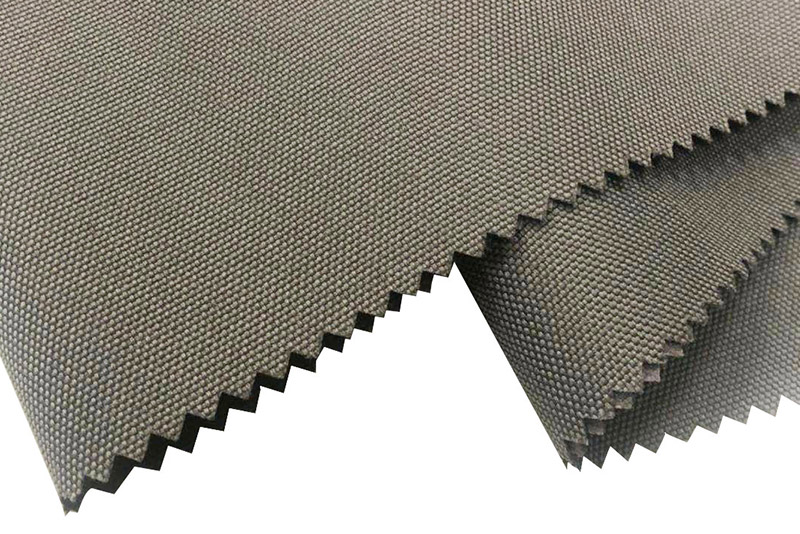
The denier rating alone does not define the finished fabric. Thread count (T) is equally important. A 600D fabric with 68T has 68 threads per inch in the warp and weft. The same yarn at 72T or 90T produces a denser fabric with a higher GSM (grams per square meter) and generally better tear resistance. For example, a 600D 68T polyester base typically weighs 170-190 GSM, while a 600D 90T version weighs around 210-230 GSM before coating.
Two yarn types commonly appear in 600D oxford. DTY (draw textured yarn) is textured, softer, and matte. It is the standard choice for bags and outdoor fabrics because it accepts coating and printing well. FDY (fully drawn yarn) is slightly stiffer and shinier, with a smoother surface. It is often used for applications that require a cleaner appearance or lower bulk.
When you request a quote, ask whether the material is DTY or FDY. The two behave differently under abrasion and in subsequent coating processes. For a starting point, review our 600D oxford fabric wholesale range and check the thread count and yarn type listed for each product.
600D Polyester vs. 600D Nylon Oxford
Polyester and nylon are both used at 600D, but they serve different price and performance points. The table below summarizes the practical differences.
| Property | Polyester 600D | Nylon 600D |
|---|---|---|
| Abrasion resistance | Good | Excellent |
| UV resistance | Very good | Moderate |
| Moisture absorption | Low | Higher |
| Dimensional stability | Excellent | Good |
| Wet strength | Retains most strength | Drops when wet |
For most bag, tent, and cover applications, polyester 600D is sufficient. It resists sunlight better than nylon, which matters for outdoor furniture covers and sunshade products. Nylon has higher tensile strength and abrasion resistance, which is why it appears in tactical gear or high-stress backpack components, but it costs more and absorbs moisture, increasing the packaged weight.
The type of weave also plays a role. Plain weave with a PVC backing gives a sturdy but stiff hand. Ripstop patterns add a reinforced grid that stops tears from spreading, which is useful for tent floors or panels exposed to repeated abrasion.
Coatings That Change Performance
A 600D fabric without coating will not hold water. The coating or lamination is where most of the functional performance is added. The two most common systems are PU and PVC.
PU coating forms a thin, flexible polyurethane film on the underside of the fabric. It produces a lightweight, soft-hand material that still delivers waterproofness in the 1000-3000 mm range. This is the standard choice for backpacks, school bags, and tent panels because it balances water resistance with feel. For a typical 600D 72T with PU coating, the result is a fabric around 210-230 GSM with a moisture barrier that survives everyday use and light rain. If your product needs a higher waterhead, consider a 1500 mm or 2000 mm PU finish.
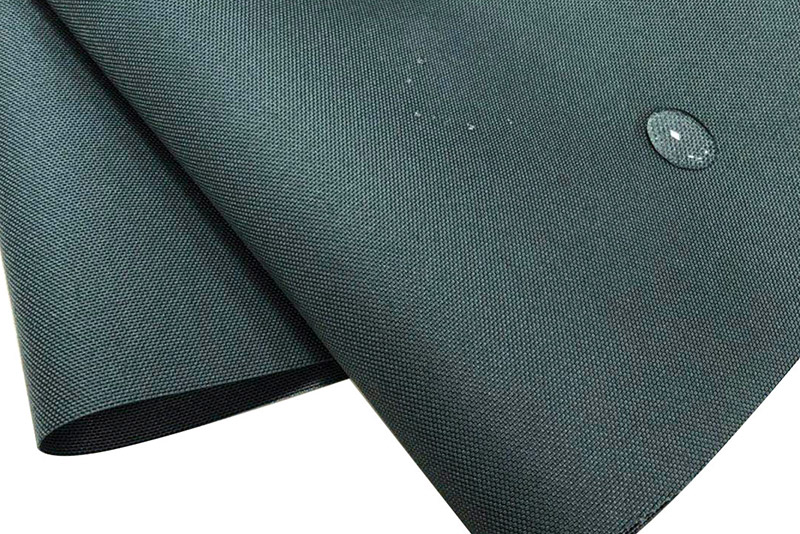
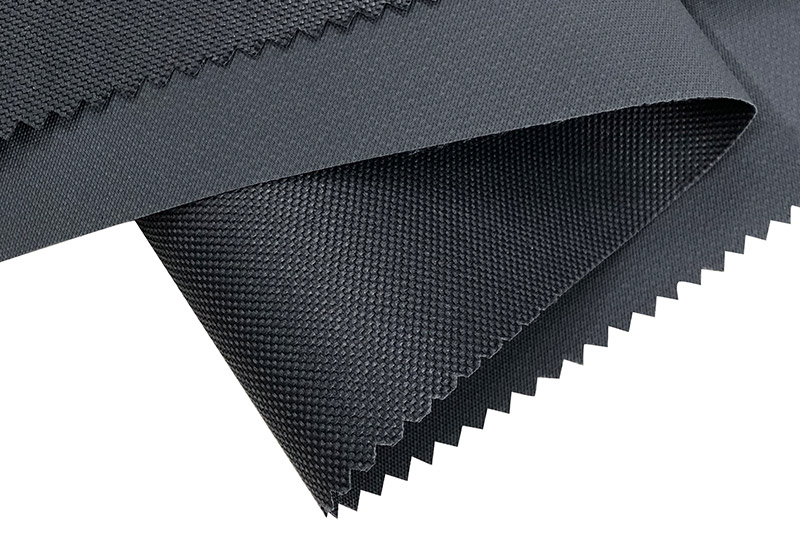
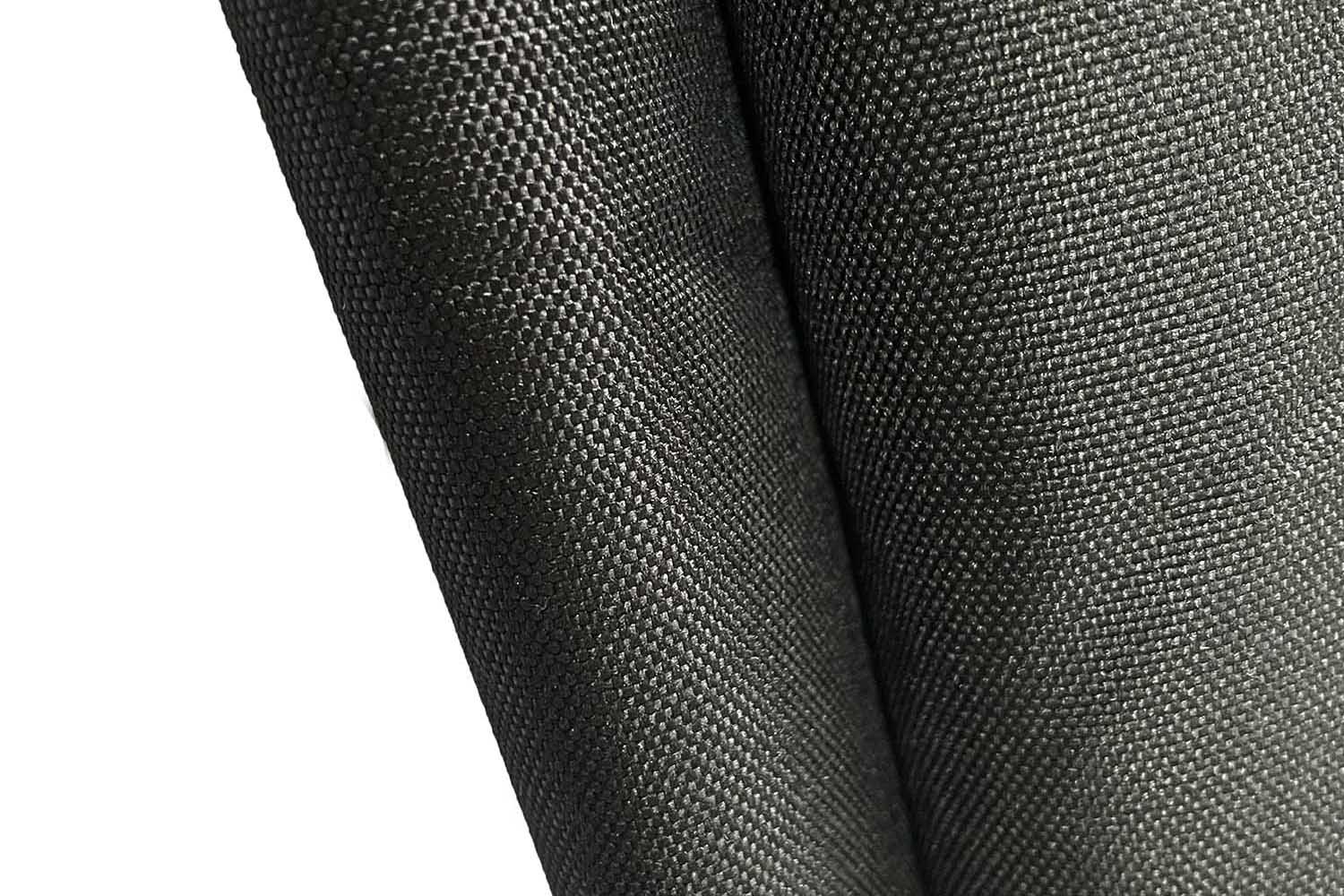 600D 72T Polyester Oxford with PU Coating for BagsPU-coated 600D oxford fabric with 72T density offers lightweight waterproof performance around 250 GSM, ideal for backpacks and tent panels where softness and water resistance are balanced.View Product →
PVC coating is heavier and stiffer but offers a strong, low-cost barrier. It is used for tarpaulins, heavy-duty luggage, and industrial covers where weight is less of a concern. A 600D PVC fabric often carries a thicker film (0.25-0.35 mm), which raises GSM but also gives the fabric a glossy, durable surface.
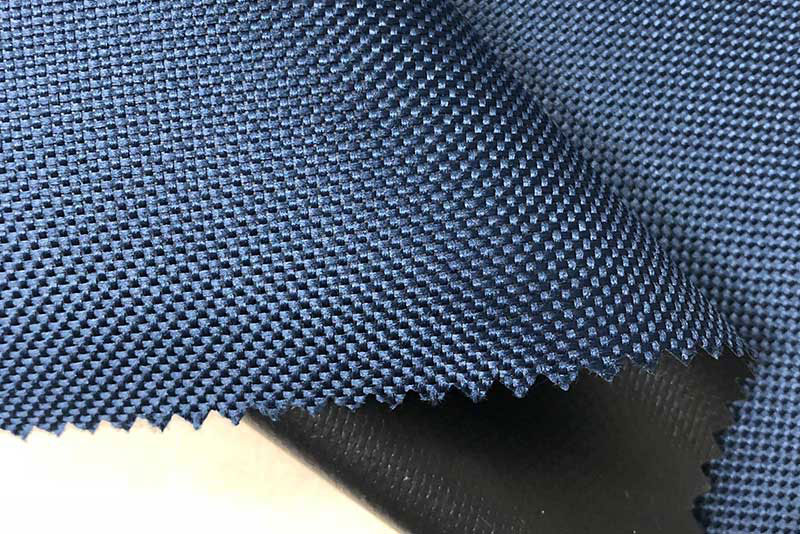
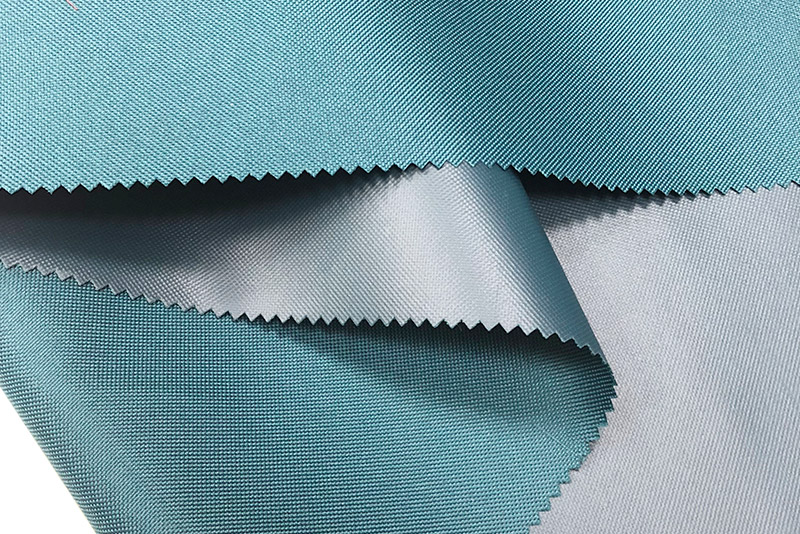
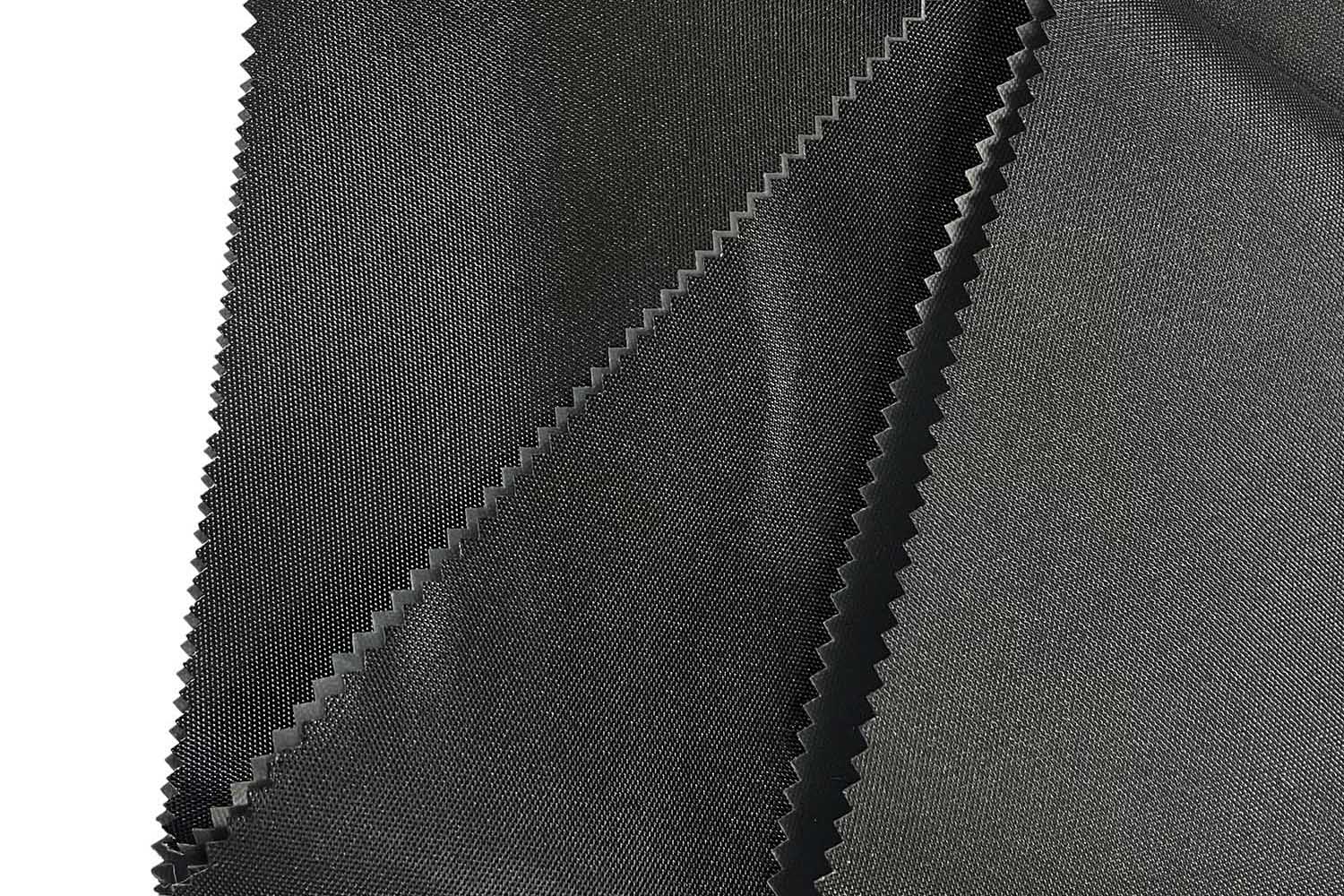 600D Polyester Oxford with PVC Coating for Heavy-Duty UseThis 600D PVC-coated oxford fabric weighs 455 GSM, providing a stiff, glossy barrier suitable for tarpaulins and industrial covers where weight is not a primary concern.View Product →
Other finishes are available for specific use cases:
- TPE/PEVA lamination: an eco-friendlier alternative to PVC, often used for waterproof linings.
- Silver coating: reflects sunlight and heat, common for sunshade and awning fabrics.
- Fire-retardant treatment: required for tents and tarpaulins in certain markets.
- UV-resistant finishing: extends service life for uncovered outdoor furniture.
- Anti-microbial treatment: useful for medical, healthcare, and pet product applications.
Always request a waterhead test and a coating adhesion test before approving the fabric. A coating that peels during sewing or after repeated folding will cause field failures.
How to Choose the Right 600D for Your Product
The right 600D specification depends on the product. Here is a practical guideline:
- For backpacks and school bags: choose 600D polyester with 68T or 72T, PU coated, with a waterhead of 1000-1500 mm. This keeps the bag weight manageable and provides enough water resistance for daily use. DTY yarn gives a better hand feel.
- For outdoor furniture covers and boat covers: select 600D or heavier with a higher thread count (72T or above), and use a PU or PVC coating with UV-resistant finish. The fabric must resist prolonged sunlight exposure without fading or becoming brittle.
- For luggage and duffel bags: 600D PVC or heavy PU works well. The stiffness helps the bag hold its shape. Check the tear strength value in both warp and weft directions, especially if the bag carries heavy loads.
- For tents and camping gear: 600D PU is standard for the rainfly or the lower sidewalls. Verify the seam strength and the water pressure rating, and confirm whether the fabric needs a flame-retardant certificate.
- For pet products: 600D PU coated with anti-microbial or anti-odor treatment solves the most common complaints of smell and staining.
If your market requires recycled content, an RPET 600D with PU coating delivers the same performance while satisfying eco-labels.
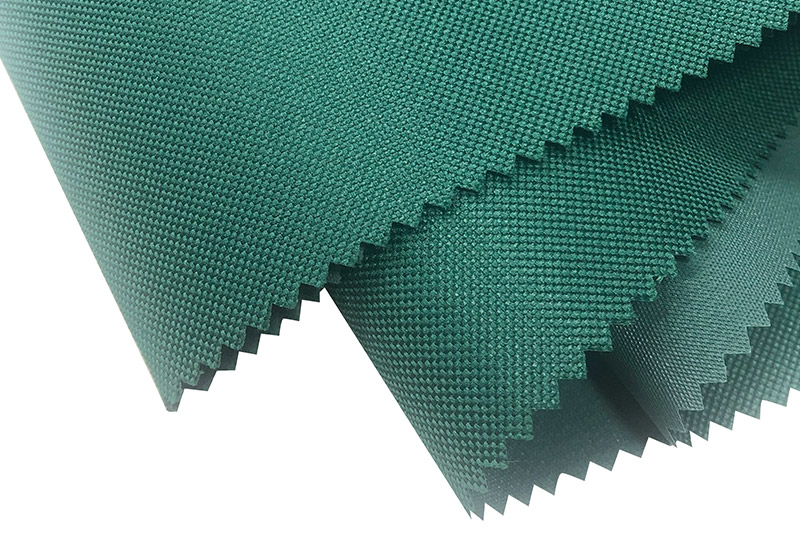
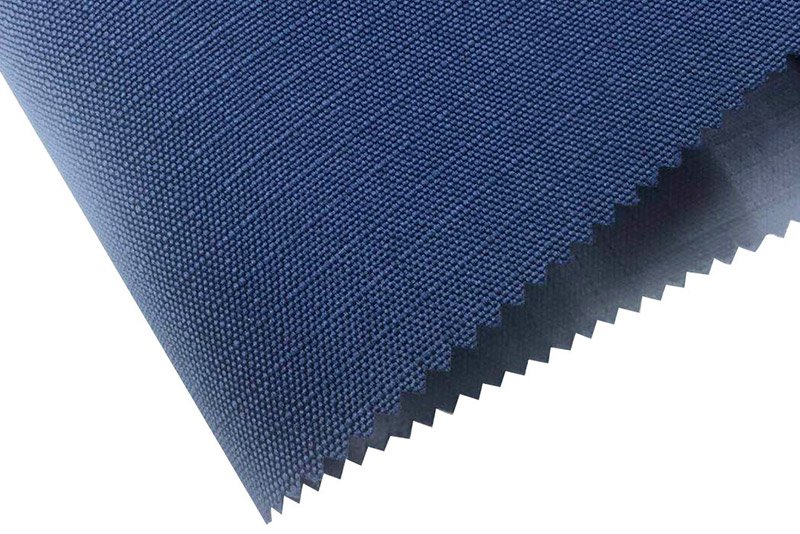
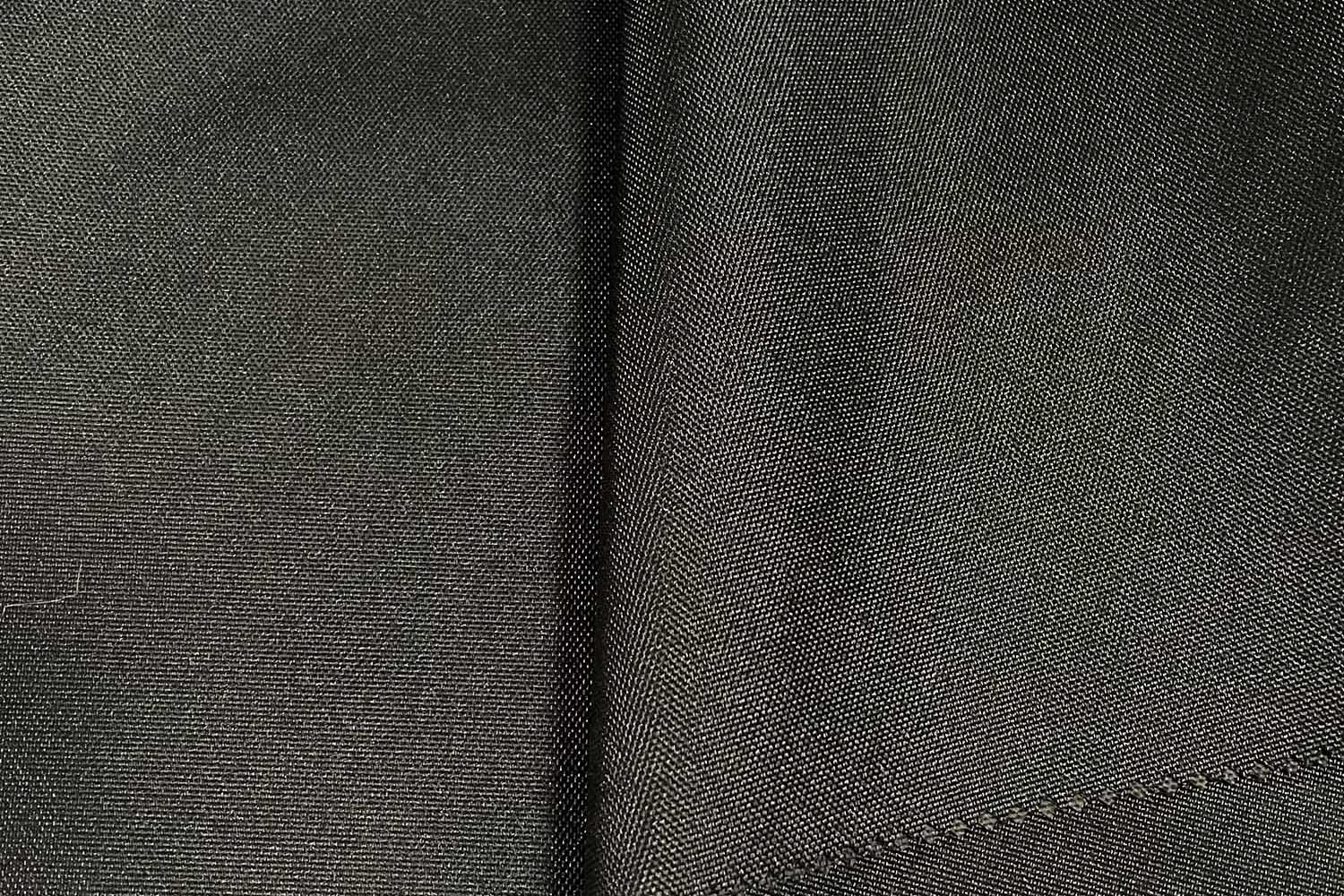 Recycled 600D Polyester Oxford with PU CoatingMade from recycled polyester, this 600D oxford with PU coating delivers durable water resistance at 185 GSM, meeting eco-label requirements while maintaining performance for bags and covers.View Product →
If the product output is unclear, ask for a physical sample and run the abrasion test on a Martindale machine (or equivalent) plus a hydrostatic head test. Most suppliers will provide these quick checks if you are already in the quotation process. The manufacturer's PU coated oxford material pages list waterhead ratings and coating thicknesses, which helps you compare options before requesting samples.
What to Ask a 600D Supplier
Buyers who request "600D oxford fabric" without specifying the details often receive a high-variance result. The following checklist helps you avoid mismatches:
- Confirm the yarn type: DTY or FDY.
- Confirm the thread count: 68T, 72T, 80T, or 90T.
- Request the finished GSM without coating and with coating.
- Specify the coating type: PU, PVC, TPE, or PEVA.
- Ask for the waterhead value (for coated fabrics).
- Request tear strength and abrasion resistance data.
- Confirm color fastness rating (light and rubbing).
- Ask whether the supplier has a large-order lead time and capacity.
A manufacturer that controls its own yarn, weaving, and coating steps can respond to these questions faster and produce more repeatable results because there is no hand-off between subcontractors.
Why 600D Remains the Workhorse
The reason 600D oxford persists in so many product categories is its balance. It is strong enough to survive repeated handling, tear-resistant enough to pass most drop tests, and light enough to keep shipping costs reasonable. It is also a familiar spec to factories, which means lower trial-and-error on new products.
When a product is designed in-house, starting from a proven 600D specification shortens the development cycle. When a product is sourced, specifying 600D with a defined thread count and coating reduces the risk of receiving a downgraded version that only passes the visual check.
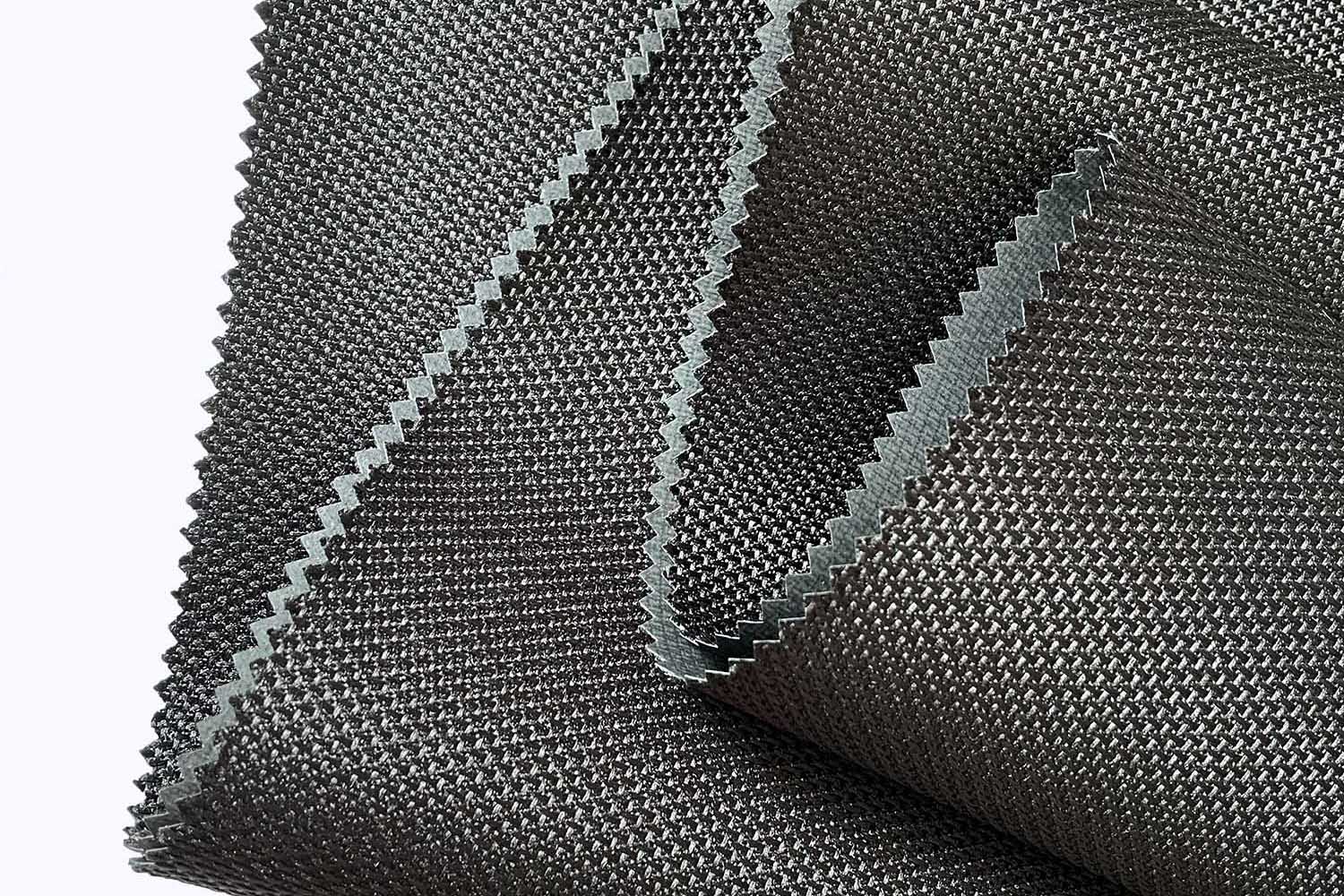
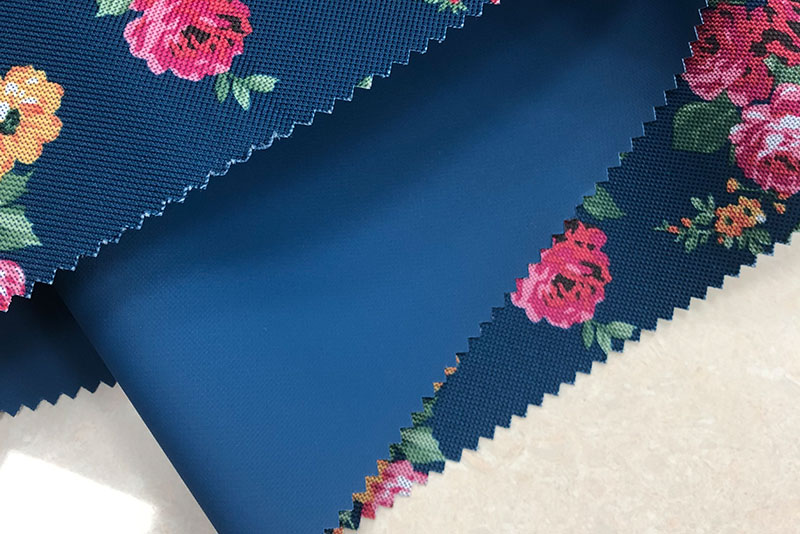
For a first-time buyer, the safest route is to request a swatch card with three different thread counts (68T, 72T, 90T), two coating options (PU and PVC), and a printed or solid dyed sample. The fabric differs noticeably in hand, stiffness, and weight, and this physical comparison is worth more than any datasheet.
600D oxford fabric has earned its place because it solves real production problems without introducing new ones. If you are sourcing for bags, tents, covers, or outdoor gear, this is the spec to start with.

 Tel: +86-571-22917799
 Fax: +86-571-82799678
 E-mail:
 Add: No.88 Yinxin Rd.,Yaqian Town,Hangzhou City, Zhejiang, China.