+86-571-22917799




 English
 简体中文
 русский
 Español
Content
Fabric specification sheets rarely explain how colour was applied. For indoor products, that omission rarely matters. For outdoor applications—tents, awnings, furniture covers—the dyeing method determines whether the product looks the same after two seasons of sun exposure.
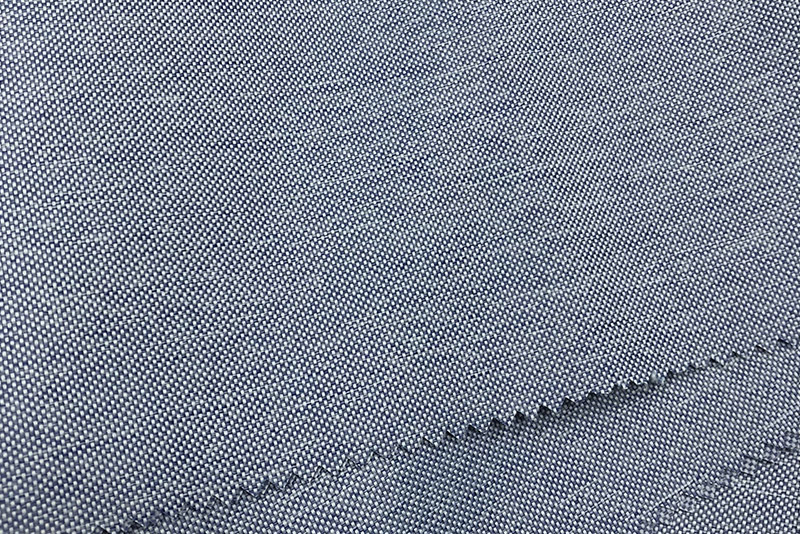
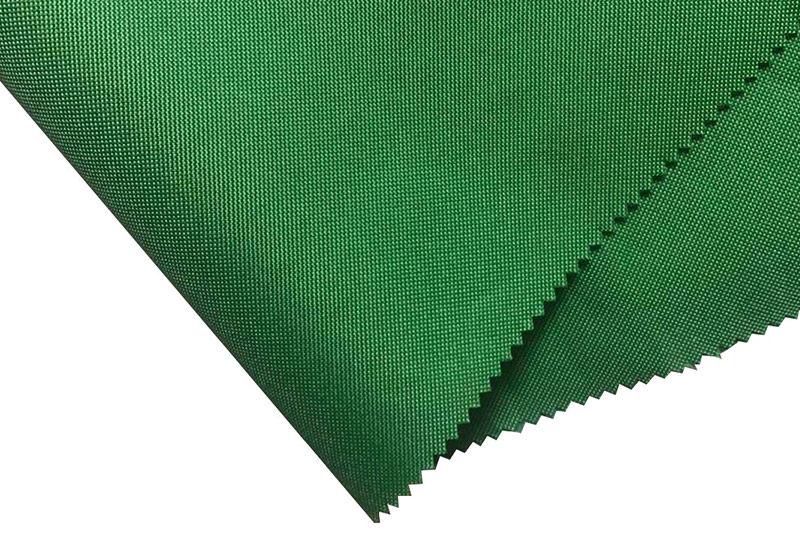
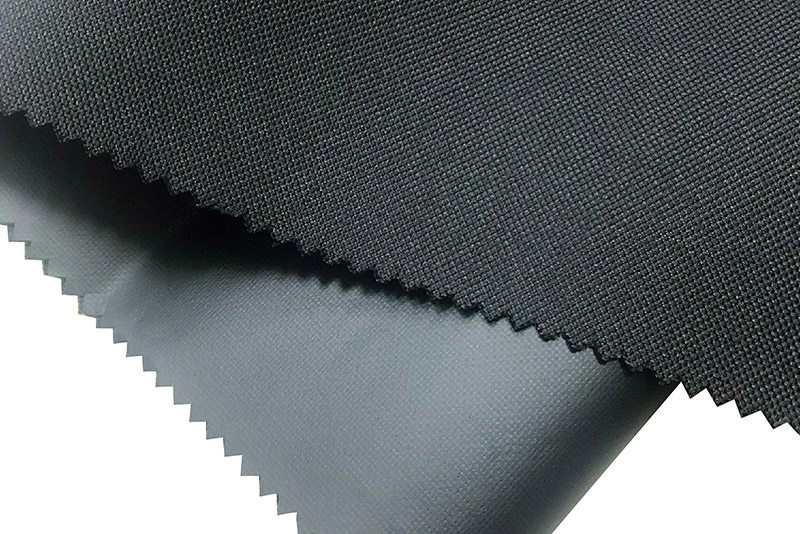
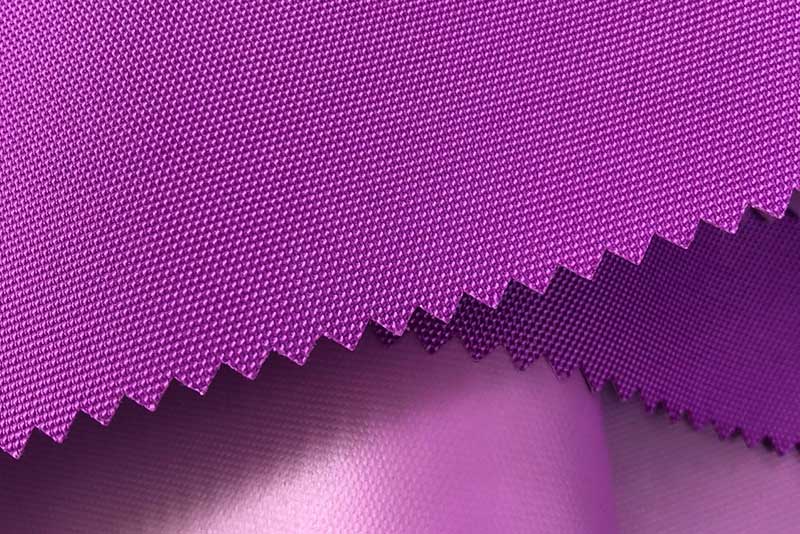
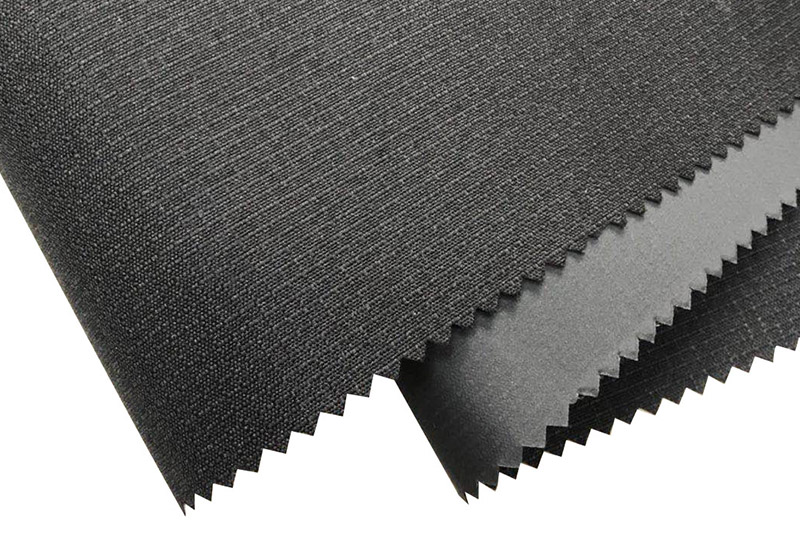
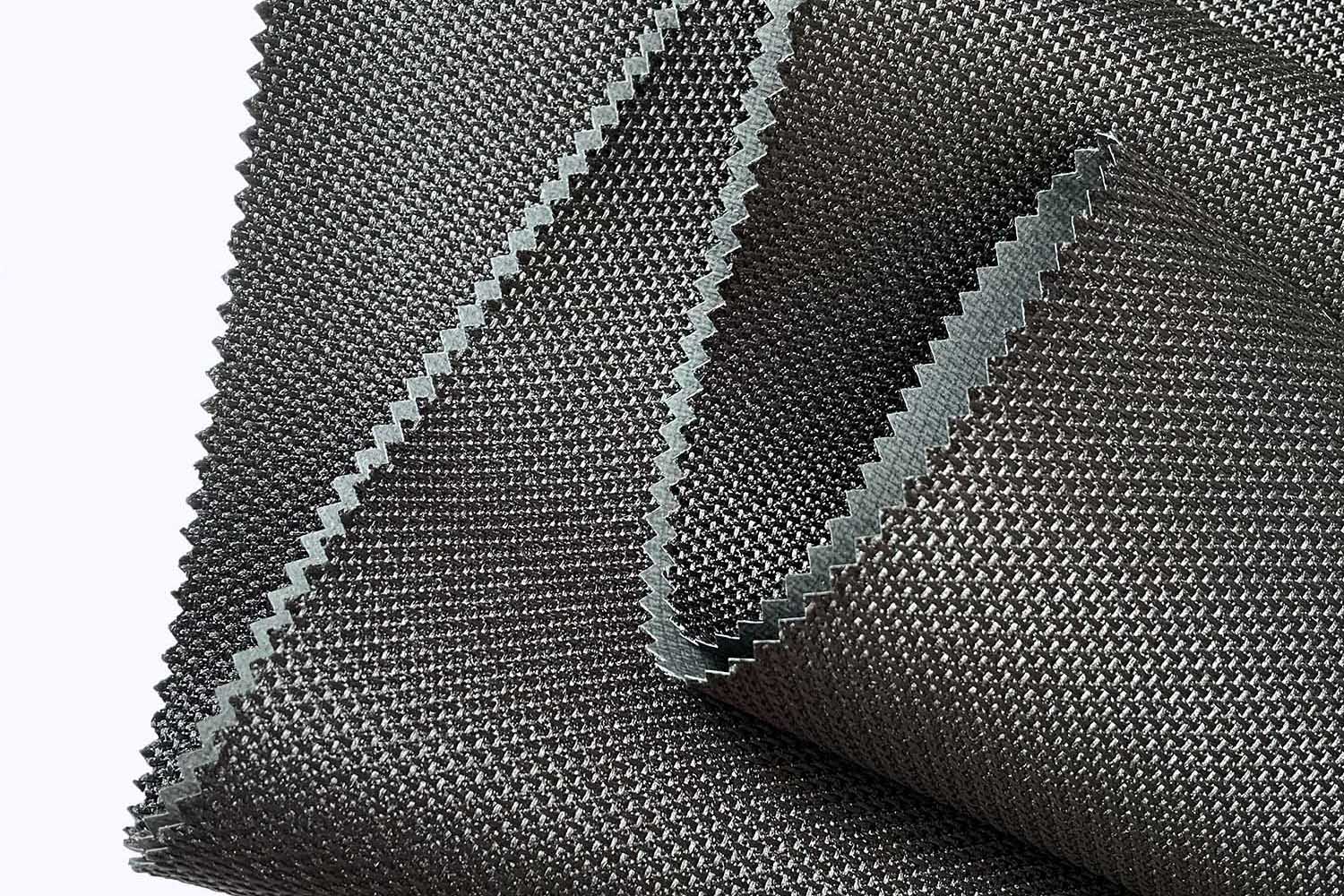
This article examines 300D*600D Jacquard Cation With PU Coated through the lens of colour durability. It explains what cationic dyeing achieves, where solution dyed polyester and dope dyed polyester fit into the specification decision, and why colour stability matters for outdoor polyester products including tent polyester and polyester tent fabric .

Three Dyeing Approaches and What They Deliver
Understanding the differences clarifies the specification decision:
| Method | How It Works | Outdoor Suitability |
|---|---|---|
| Cationic dyeing | Modified fibre structure bonds dye more deeply | Good colourfastness; improved over standard disperse dyeing |
| Solution / dope dyeing | Pigment added to polymer before extrusion | Excellent UV stability; colour is part of the fibre |
| Standard piece dyeing | Dye applied after weaving | Adequate for indoor use; fades under sustained sun |
This fabric uses cationic dyeing, which produces deeper, more colourfast shades than standard piece dyeing. For applications with moderate UV exposure, it offers a practical middle ground. For extended outdoor exposure, solution-dyed yarn is the stronger specification.
Why the Jacquard Weave Adds Value
The jacquard construction creates the pattern during weaving rather than applying it as a print. The practical consequences:
-
The pattern cannot fade or wash off – it is structural, not applied
-
Visible texture – light interacts with the weave, adding depth
-
Longer service life – appearance holds through handling and cleaning
Combined with cationic dyeing, the result is a fabric that maintains both pattern and colour better than printed alternatives.
Key Specifications
| Parameter | Detail |
|---|---|
| Material | Polyester Oxford |
| Weave | Jacquard |
| Yarn count | 300D (base construction) |
| Backing | PU |
| Weight | 260gsm |
| Width | 58" |
| Colour | Custom; cationic dyeing standard |
| Standards | REACH, ROHS, EN71-3 |
| MOQ | 1000m |
| Supply ability | 2,000,000m monthly |
Matching Dyeing Method to Application
The correct specification depends on where the product will be used:
Extended Outdoor Exposure
For tents, awnings, and outdoor furniture covers facing continuous sun, specify solution dyed polyester . The pigment is embedded in the fibre, so colour does not degrade at the surface.
Moderate Exposure or Indoor Use
Where UV exposure is limited—indoor furniture covers, decorative panels, promotional items with defined service life—cationic dyeing provides good colourfastness at a lower cost.
Brand Colour Consistency
For brands with strict colour standards across production runs, dope dyed polyester offers batch consistency that piece dyeing struggles to match.
Applications
| Application | Dyeing Recommendation |
|---|---|
| Tent polyester / polyester tent fabric | Solution-dyed for UV-critical use |
| Outdoor furniture covers | Solution-dyed or cationic depending on exposure |
| Awnings and shade structures | Solution-dyed |
| Indoor decorative covers | Cationic |
| Premium bags and accessories | Cationic for colour depth |
FAQ
Q1: What is cationic dyeing and how does it differ from solution dyeing?
A: Cationic dyeing modifies the fibre so dye bonds more deeply, producing stronger colourfastness than standard dyeing. Solution dyed polyester goes further by embedding pigment in the polymer before extrusion, offering superior UV stability.
Q2: Is dope-dyed the same as solution-dyed?
A: Yes. Dope dyed polyester and solution-dyed polyester describe the same process.
Q3: Is this fabric waterproof?
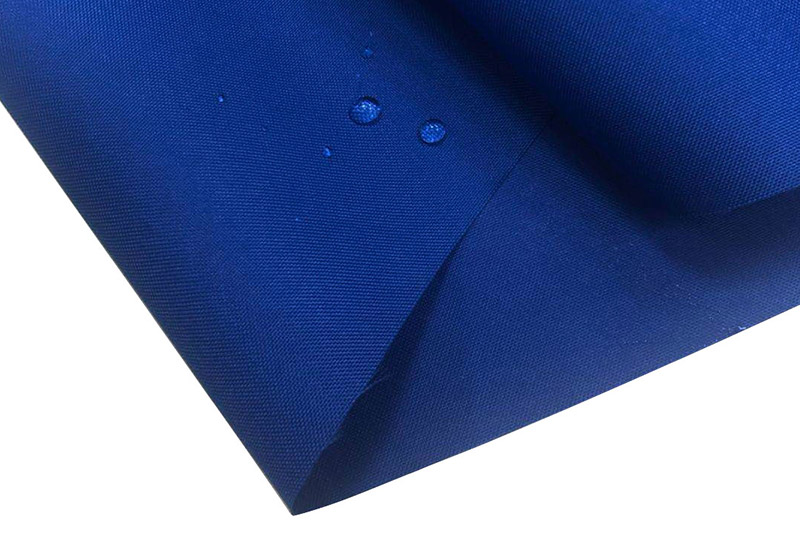
A: The PU coating provides water resistance suitable for outdoor covers and bags.
Q4: Why choose jacquard weave for outdoor fabric?
A: The woven pattern is structural rather than printed, so it does not fade or wash off—important for outdoor polyester applications.
Q5: What is the weight of this fabric?
A: 260gsm, a mid-weight construction suited to covers, bags, and tent panels.
Q6: Can colours be customised?
A: Yes. Custom colours are available, with solution-dyed options for UV-critical applications.
Q7: What is the MOQ?
A: MOQ is 1000m, with monthly capacity of 2,000,000m.
Q8: How do I specify the right dyeing method for my project?
A: Define expected UV exposure and service life. For long-life tent polyester and outdoor covers, specify solution-dyed. For indoor or moderate-exposure applications, cationic dyeing is adequate.
Get a Quote
Ready to source jacquard fabric with the right colour specification for your application? Contact Hangzhou Gaoshi Luggage Textile Co., Ltd. today.
Tel: +86-571-22917799
Email: [email protected]
Address: No.88 Yinxin Rd., Yaqian Town, Hangzhou City, Zhejiang, China

 Tel: +86-571-22917799
 Fax: +86-571-82799678
 E-mail:
 Add: No.88 Yinxin Rd.,Yaqian Town,Hangzhou City, Zhejiang, China.