+86-571-22917799



 English
 简体中文
简体中文 русский
 Español
Content
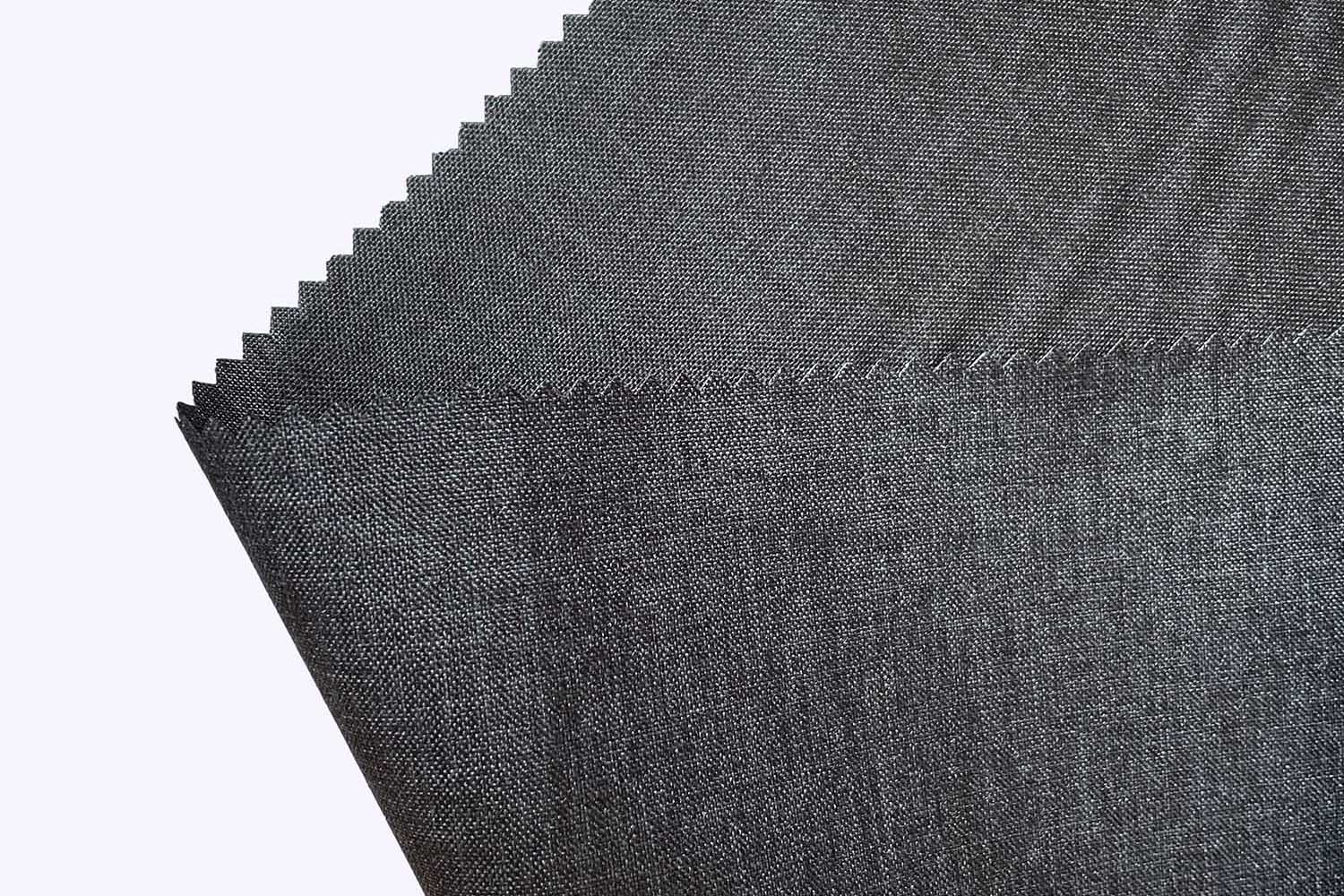
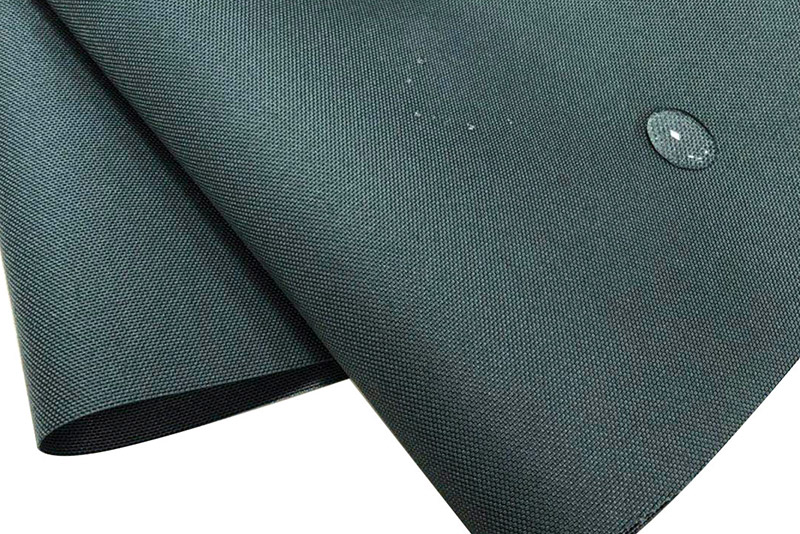
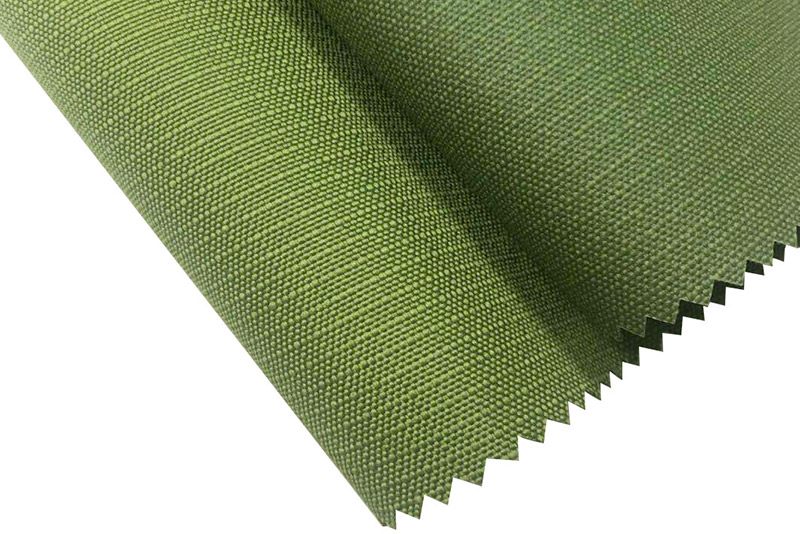
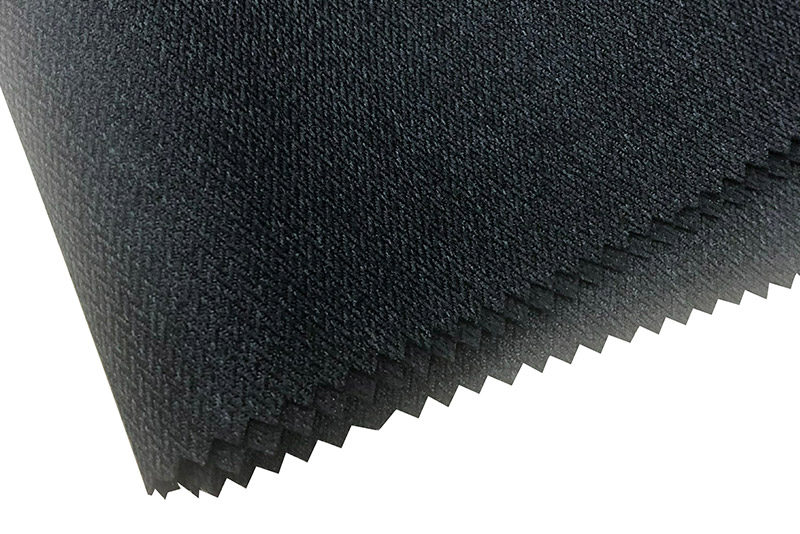
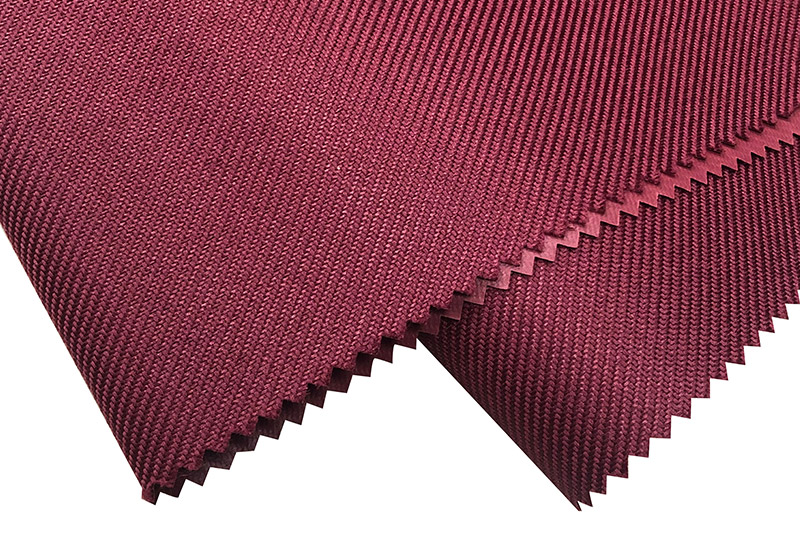
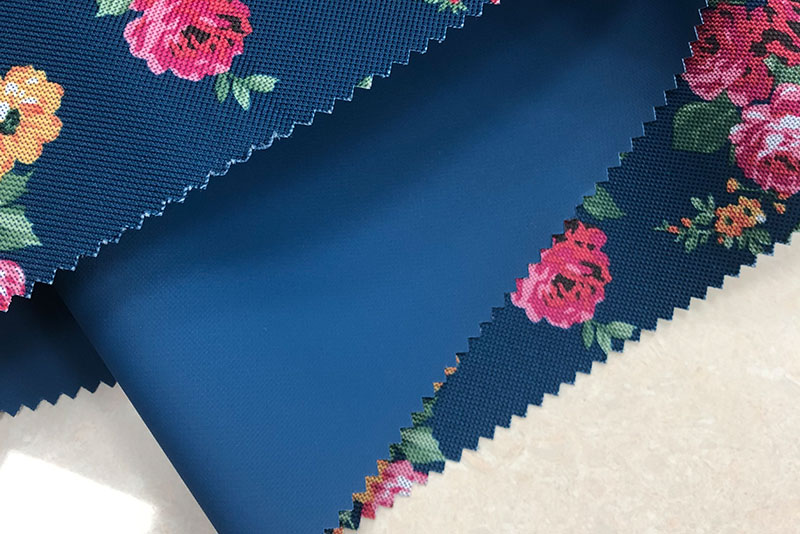
Sustainability is no longer a niche preference—it is a purchasing criterion. For manufacturers and brands seeking a fabric that balances environmental responsibility with reliable performance, the 300D/102T Cation 50% RPET offers a practical middle ground: recycled content, vibrant cationic coloring, and dependable waterproofing at a manageable weight.
Why This Fabric Stands Out
This material combines three features that are increasingly requested in backpack and bag manufacturing:
-
50% recycled polyester content – Reduces reliance on virgin petroleum-based fiber
-
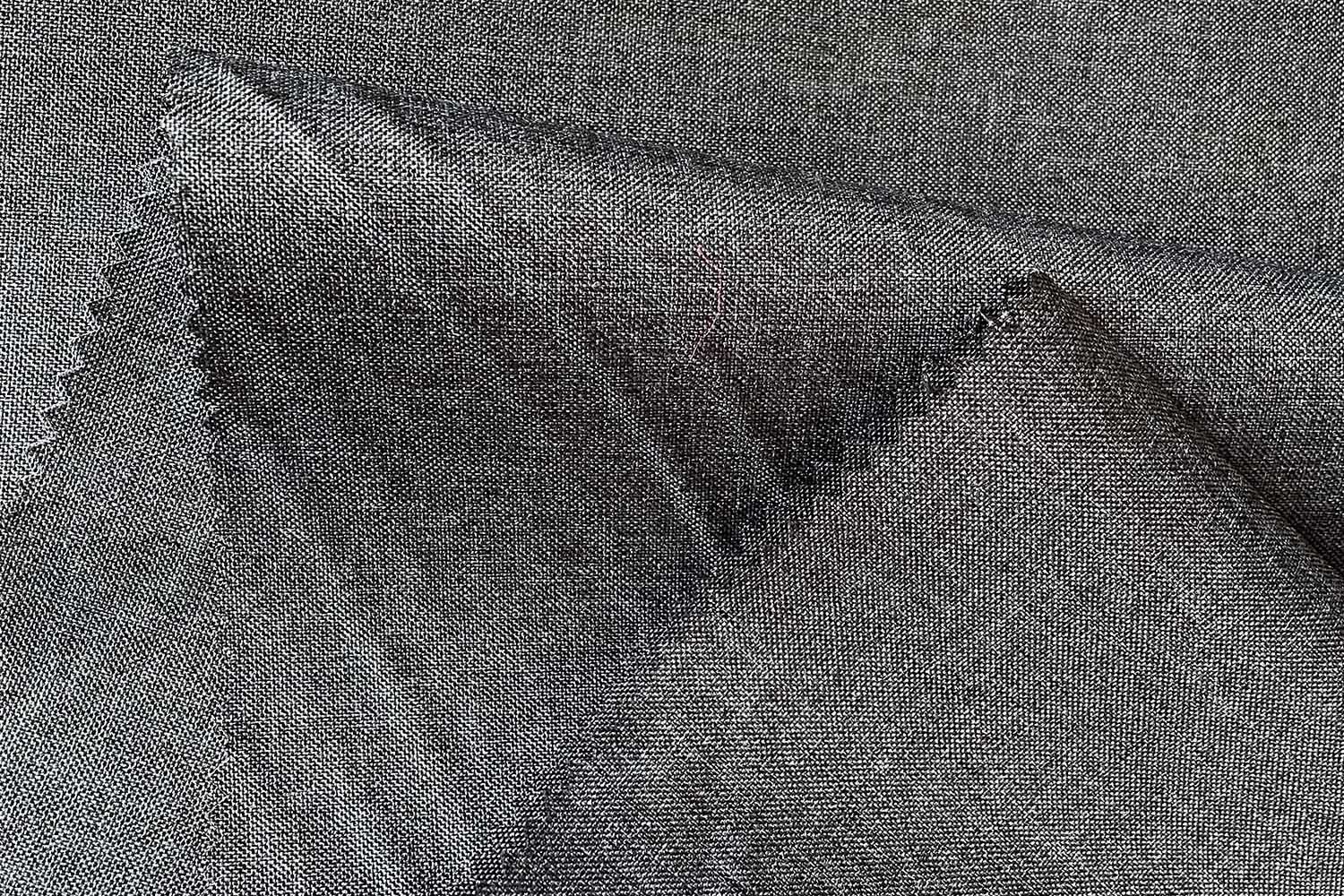
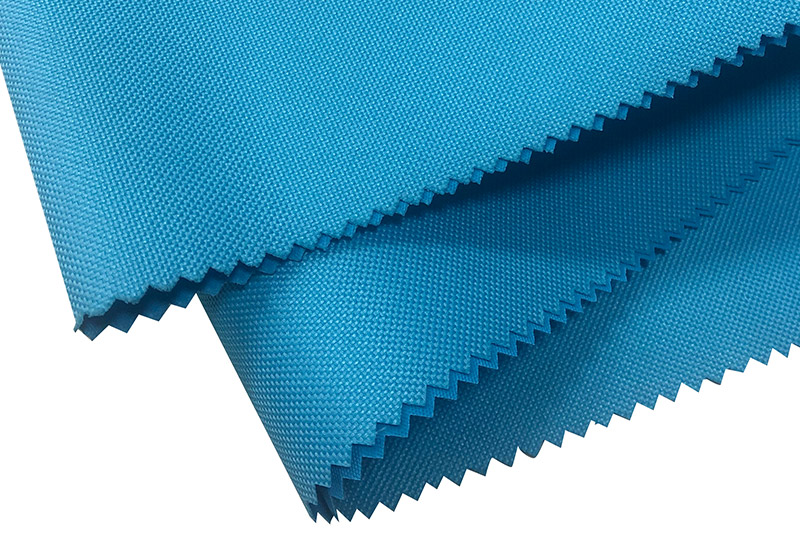
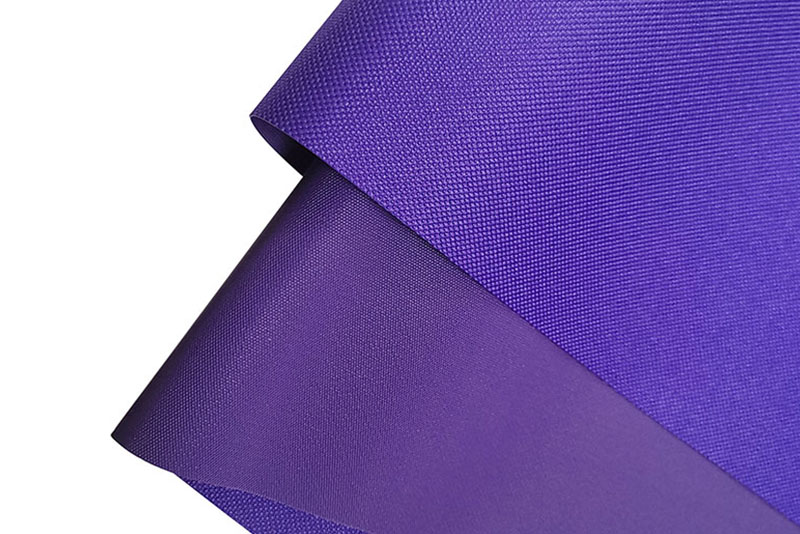
Cationic dyeing – Produces deep, colorfast shades that resist fading
-
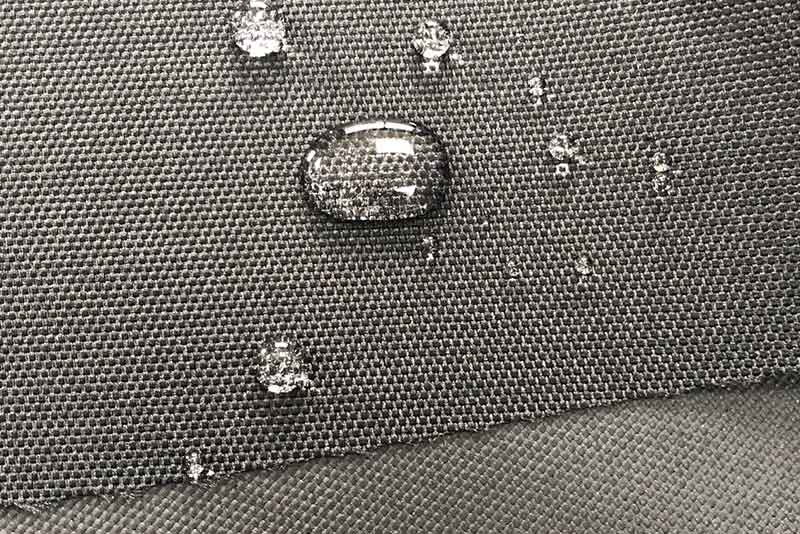
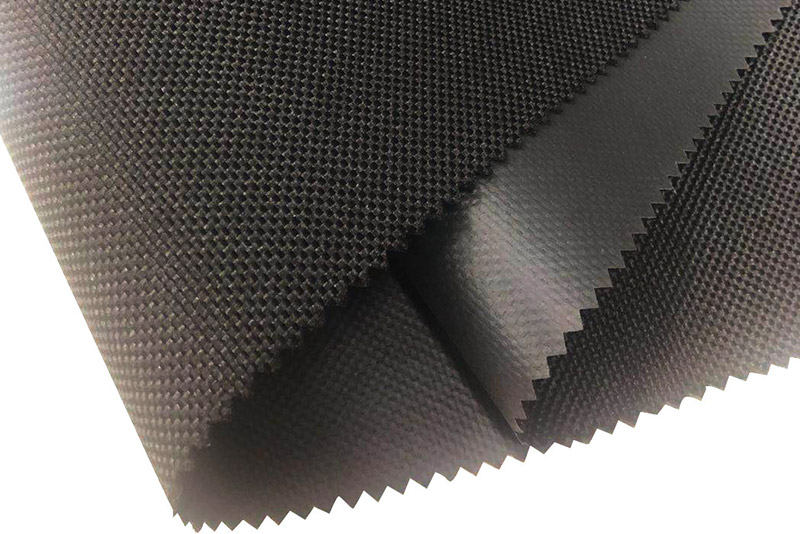
PU coating – Delivers waterproof protection without excessive weight
At 160gsm and 102T density, the fabric remains lightweight enough for daily-use backpacks while offering sufficient structure for bag panels and linings.
Key Specifications
| Parameter | Detail |
|---|---|
| Material | 50% RPET (recycled polyester) |
| Backing | PU |
| Yarn count | 300D |
| Density | 102T |
| Weight | 160gsm |
| Width | 58" |
| Color | Custom colors available |
| Standards | REACH, ROHS, EN71-3 |
| MOQ | 1000m |
| Supply ability | 2,000,000m monthly |
What Cationic Dyeing Means for Your Product
Cationic dyeing modifies the fiber structure so dye molecules bond more deeply. The practical results are:
-
Stronger color depth – Richer, more saturated shades
-
Better wash fastness – Color holds up through repeated cleaning
-
Consistent batch coloring – Reduces shade variation across production runs
-
Suitability for two-tone effects – Can be combined with regular polyester for visual contrast
For brands that rely on signature colors, this reduces the risk of returns caused by color mismatch.
Understanding Oxford Fabric Options
300D Polyester Oxford Fabric
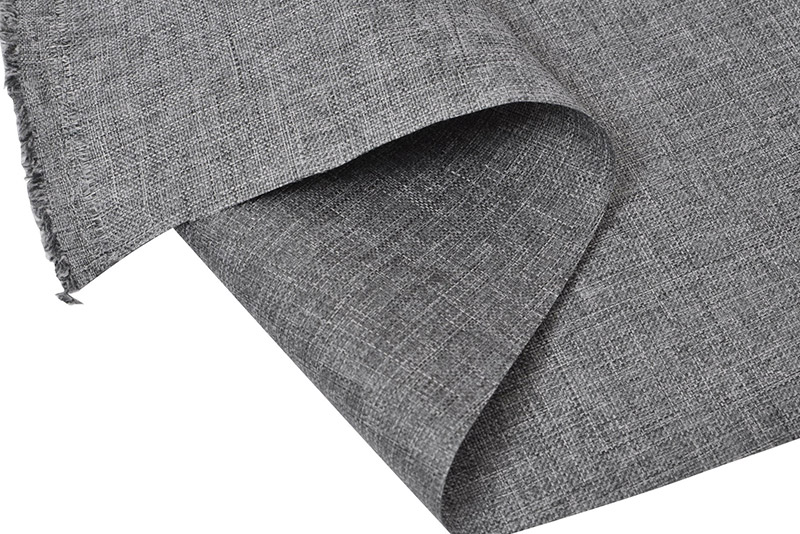
For applications where lightweight performance is important, 300d polyester oxford fabric offers a good balance of durability and portability. Our 300D 50% RPET version adds recycled content and cationic color depth.
210D Oxford Cloth
For very lightweight applications such as bag linings or ultra-light accessories, 210d oxford cloth provides a lighter weight option at approximately 80-100gsm.
420D Oxford Cloth
For medium-duty applications, 420d oxford cloth offers a good balance of durability and weight at approximately 150-180gsm.
150D Oxford Fabric Waterproof
For lightweight waterproof applications, 150d oxford fabric waterproof provides water resistance at minimal weight for packable rain gear or lightweight bags.
150D Oxford Fabric
For the lightest applications, 150d oxford fabric is ideal for ultra-lightweight gear, linings, and accessories where minimal weight is critical.
Primary Applications
| Application | Why It Fits |
|---|---|
| Backpacks & School Bags | Lightweight, waterproof, sustainable story |
| Promotional Bags | Recycled content supports brand messaging |
| Outdoor Accessories | PU coating handles light rain exposure |
| Fashion Bags | Cationic colors provide strong visual appeal |
| Luggage Linings | 102T density resists tearing in use |
Fabric Comparison
| Property | 300D 50% RPET (160gsm) | 420D Oxford | 210D Oxford | 150D Oxford |
|---|---|---|---|---|
| Weight | 160gsm | 150-180gsm | 80-100gsm | 60-80gsm |
| Recycled content | 50% RPET | Varies | Varies | Varies |
| Colorfastness | Excellent (cationic) | Good | Good | Good |
| Waterproof | Yes (PU) | Yes (with coat) | Yes (with coat) | Yes (with coat) |
| Best for | Sustainable bags | Mid-range bags | Linings | Ultra-light gear |
FAQ
Q1: What does 50% RPET mean in this fabric?
A: It means half of the polyester content comes from recycled sources, typically post-consumer plastic bottles, while the remaining half is conventional polyester.
Q2: Is this fabric waterproof?
A: Yes. The PU coating makes this waterproof rpet oxford fabric water-resistant, suitable for backpacks and daily-use bags.
Q3: Why choose cationic dyeing?
A: cationic rpet oxford provides deeper, more colorfast shades than standard dyeing, reducing fade and color variation.
Q4: How does 300D compare to 300d polyester oxford fabric ?
A: The base construction is similar; this version adds 50% recycled content and cationic coloration for brands prioritizing sustainability.
Q5: What is 210d oxford cloth used for?
A: 210d oxford cloth is lighter weight (80-100gsm) and typically used for bag linings or lightweight accessories.
Q6: What is 150d oxford fabric waterproof used for?
A: 150d oxford fabric waterproof is ideal for ultra-lightweight waterproof applications like packable rain gear.
Q7: What is 420d oxford cloth used for?
A: 420d oxford cloth is used where heavier durability is required, such as mid-range luggage and outdoor covers.
Q8: What is the MOQ and lead time?
A: MOQ is 1000m, with monthly supply capacity of 2,000,000m and typical delivery within 20 days.
Get a Quote
Ready to source a more sustainable waterproof fabric for your backpack line? Contact Hangzhou Gaoshi Luggage Textile Co., Ltd. today.
Tel: +86-571-22917799
Email: [email protected]
Address: No.88 Yinxin Rd., Yaqian Town, Hangzhou City, Zhejiang, China

 Tel: +86-571-22917799
 Fax: +86-571-82799678
 E-mail:
 Add: No.88 Yinxin Rd.,Yaqian Town,Hangzhou City, Zhejiang, China.