+86-571-22917799



 English
 简体中文
简体中文 русский
 Español
Content
Jacquard oxford fabric combines two distinct textile traditions: the durable, basket-weave structure of oxford cloth and the intricate pattern-weaving capability of jacquard looms. The result is a rugged, textured fabric with woven-in designs that holds up well under heavy use, making it a popular choice for bags, footwear, and outdoor gear. This article explains what sets jacquard oxford fabric apart, how it is constructed, and what to look for when sourcing or selecting it for different products.
What Defines Jacquard Oxford Fabric
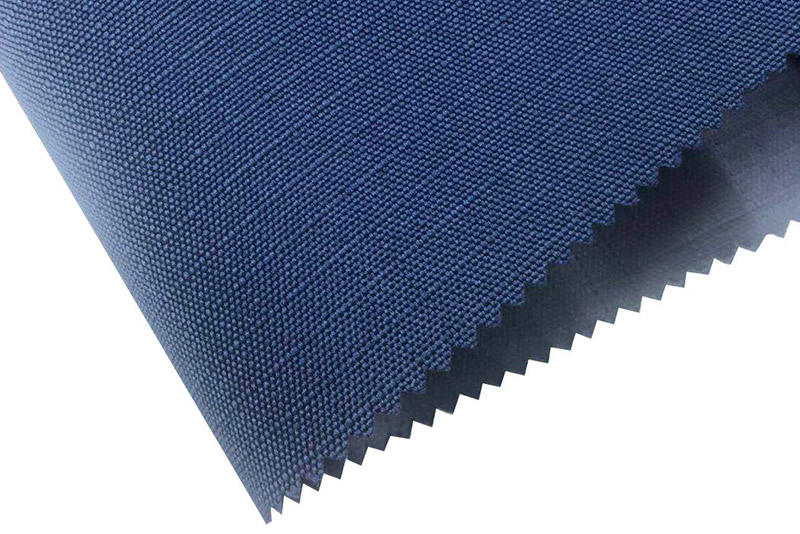
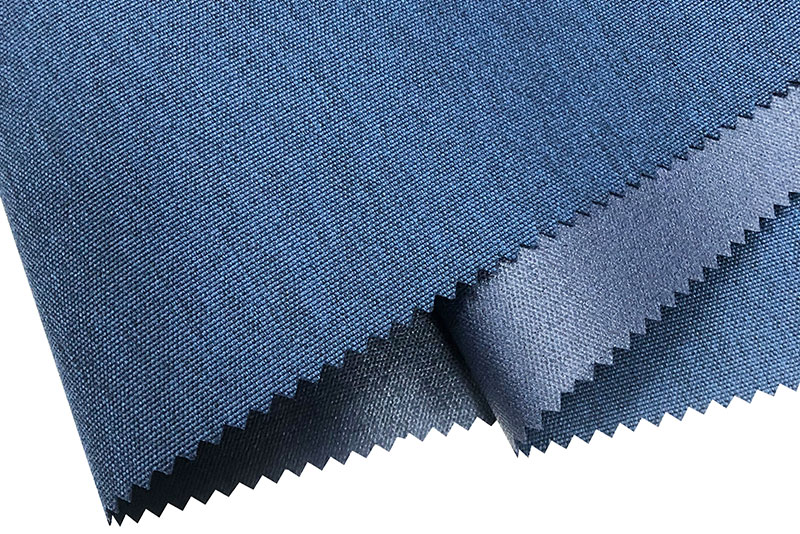
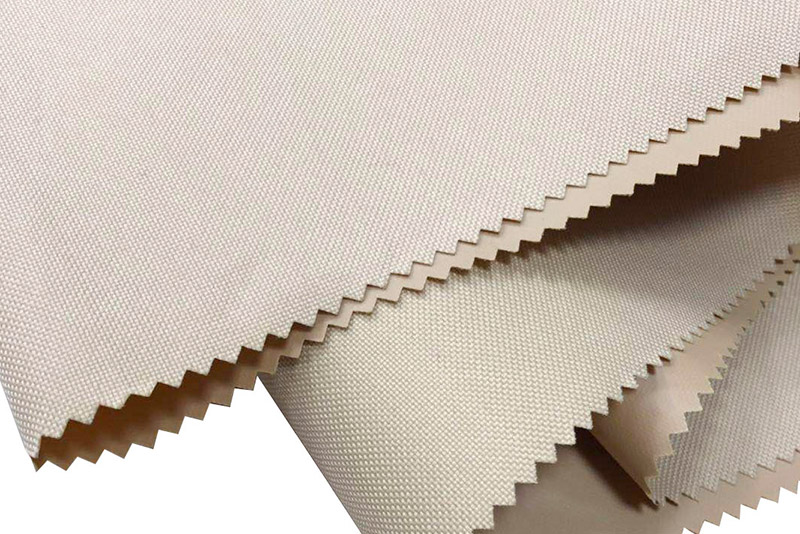
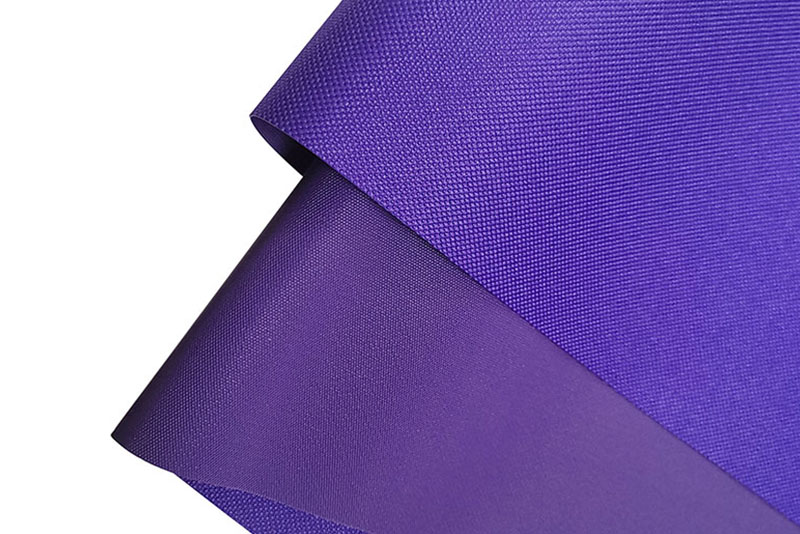
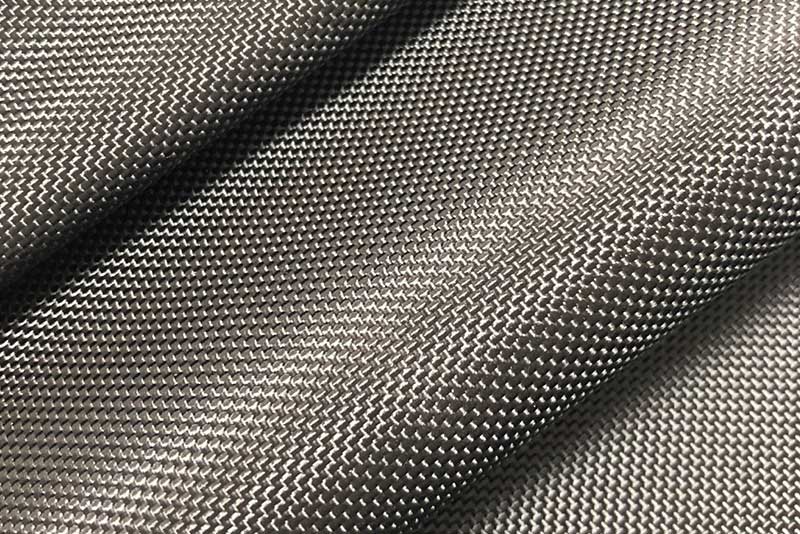
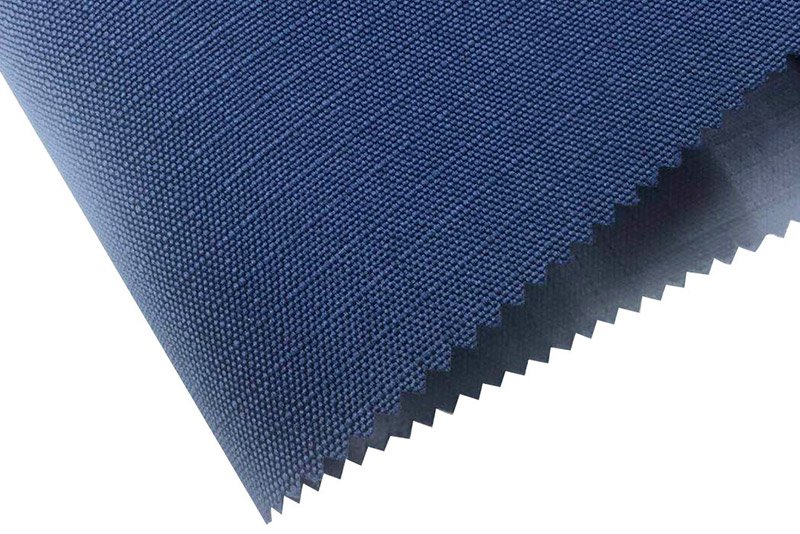
Oxford fabric on its own refers to a basket-weave construction, typically made from polyester or nylon, where two or more yarns are woven together as a single unit in both the warp and weft directions. This creates a fabric with a distinctive textured, slightly ribbed surface that is known for its strength and resistance to abrasion and tearing, which is why oxford cloth has long been a staple in luggage, backpacks, and workwear.
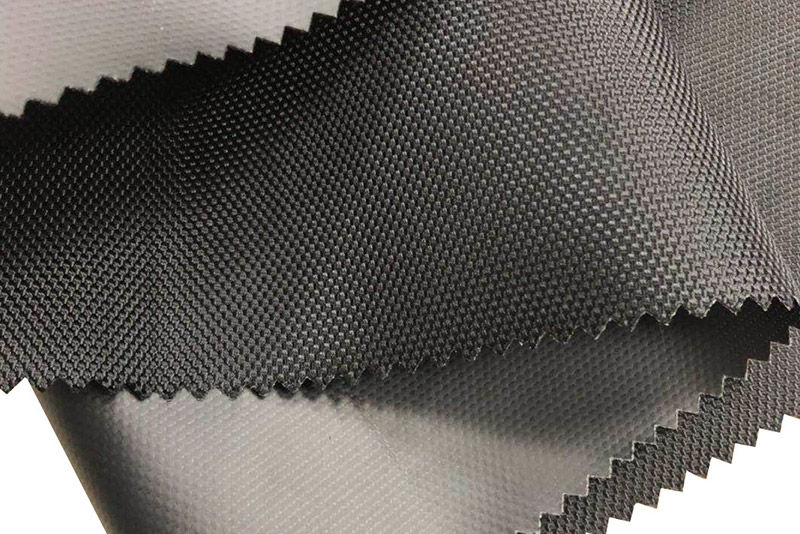
When jacquard weaving is applied to this base structure, the fabric gains the ability to display intricate patterns, logos, or textures directly within the weave itself rather than relying on surface printing. This is achieved using a jacquard loom that individually controls the lifting and lowering of warp threads, allowing manufacturers to introduce raised or textured designs into the fabric's basket-weave foundation. The combined result is a material that retains the ruggedness and durability of standard oxford cloth while adding the visual depth and pattern versatility of jacquard weaving.
Key Properties of Jacquard Oxford Fabric
Several performance characteristics make jacquard oxford fabric particularly well suited to functional, high-use products rather than delicate decorative applications. Its dense weave structure provides strong resistance to tearing and abrasion, an important quality for items that are frequently handled, dropped, or dragged, such as backpacks and duffel bags. The fabric also tends to hold its shape well over time, resisting the stretching or sagging that can affect looser woven materials under repeated stress.
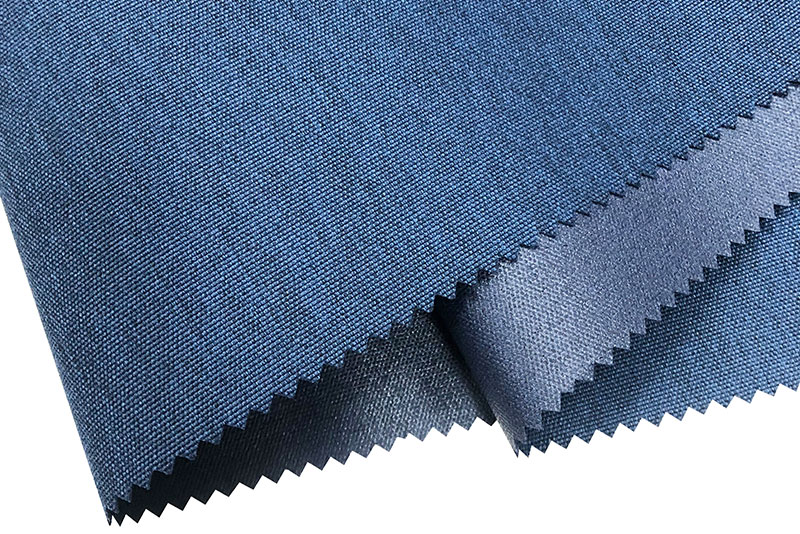
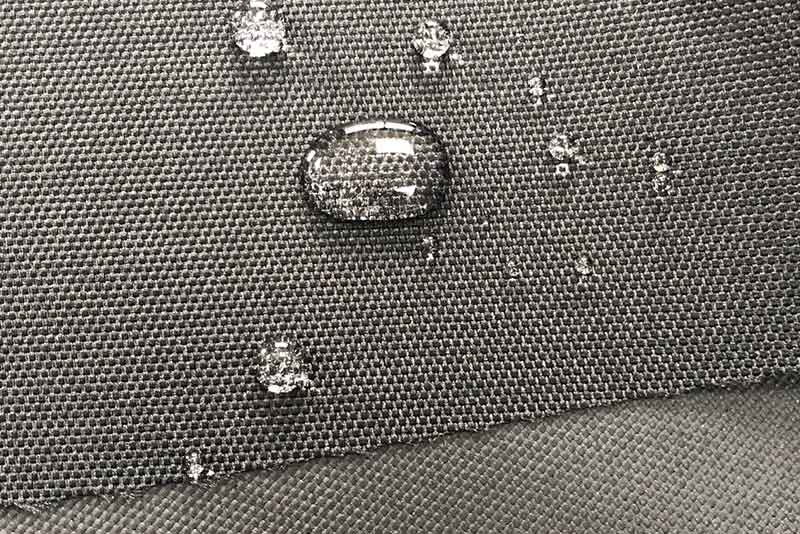
Because the jacquard pattern is woven into the structure rather than printed on top, the design does not crack, peel, or fade the way a surface print eventually would, even with extended outdoor exposure or repeated washing. Many jacquard oxford fabrics are also compatible with water-resistant coatings applied after weaving, further extending their practical use in bags and outdoor gear exposed to moisture.
Core Performance Characteristics
- High resistance to tearing and surface abrasion
- Woven-in pattern that resists fading, cracking, or peeling
- Good shape retention under repeated stress or heavy loads
- Compatible with water-resistant and durable finishing treatments
- Textured surface that helps mask minor surface scuffing
Common Denier Weights and What They Mean
Jacquard oxford fabric is commonly measured and sold by denier, a unit that indicates the thickness and weight of the individual yarn fibers used in the weave. Understanding denier ratings helps buyers select the right fabric weight for their intended product, since thicker, heavier fabrics are not always the better choice depending on the application.
| Denier Range | Weight Feel | Typical Uses |
| 300D-420D | Lightweight | Tote bags, lightweight pouches |
| 600D-840D | Medium weight | Backpacks, everyday bags |
| 900D-1200D | Heavy duty | Luggage, tactical gear, tool bags |
| 1680D and above | Extra heavy duty | Industrial bags, cargo covers |
Where Jacquard Oxford Fabric Is Commonly Used
Backpacks and travel bags represent one of the most common applications for jacquard oxford fabric, where its combination of durability and pattern capability allows manufacturers to create branded or decorative designs without sacrificing the ruggedness expected of everyday carry gear. Footwear manufacturers also use jacquard oxford fabric for sneaker uppers and shoe linings, taking advantage of its breathability compared to solid synthetic leather, along with its ability to incorporate logos or textured patterns directly into the shoe's material.
Outdoor and camping gear, such as tent bags, gear pouches, and equipment covers, frequently relies on jacquard oxford fabric for its resistance to abrasion from rough handling and ground contact. Home organization products, including storage bins and closet organizers, also use lighter-weight versions of this fabric, where the woven pattern adds a decorative element to otherwise utilitarian storage solutions.
Typical Product Applications
- Backpacks, duffel bags, and travel luggage
- Sneaker uppers and athletic footwear linings
- Outdoor gear pouches and equipment covers
- Home storage bins and closet organizers
- Tool bags and workwear accessories
What to Evaluate When Sourcing Jacquard Oxford Fabric
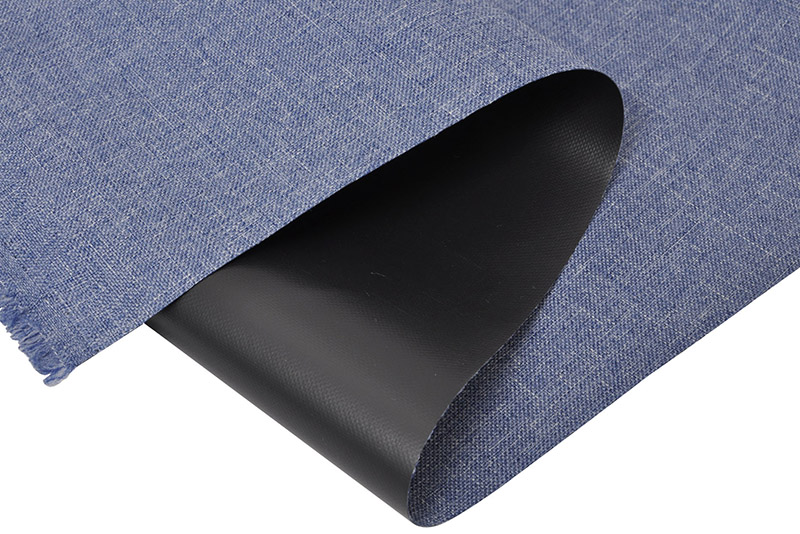
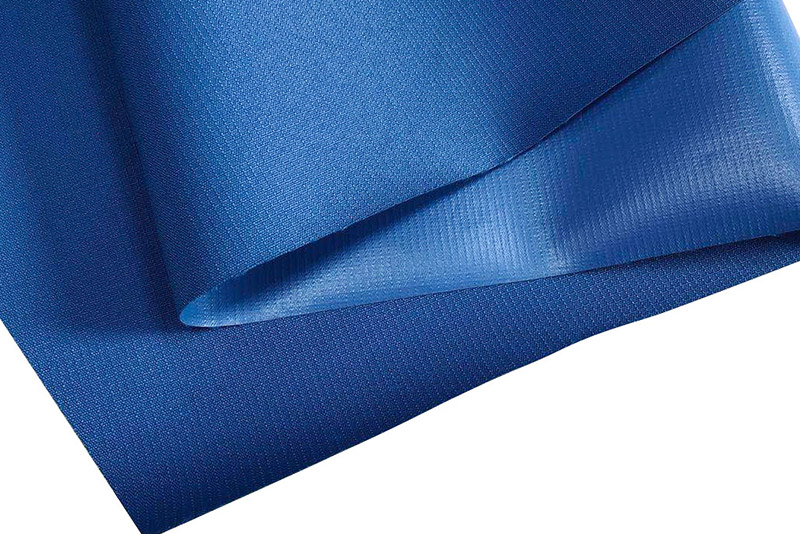
Buyers sourcing jacquard oxford fabric for manufacturing should start by confirming the denier weight aligns with the intended product's durability requirements, since undersized denier can lead to premature wear in high-stress applications like luggage or work bags. Checking the fabric's coating type is equally important; PU-coated jacquard oxford offers good water resistance at a lower cost, while PVC-coated versions provide even stronger waterproofing but tend to be stiffer and heavier, which may not suit every application.
Color fastness testing is another important consideration, particularly for products that will see outdoor use or frequent washing, since even woven-in jacquard patterns can experience some color shift over time if the dye process was not properly executed. Requesting a fabric swatch or sample yardage before committing to a bulk order allows manufacturers to physically test tear strength, coating adhesion, and overall hand-feel before finalizing a sourcing decision.
Sourcing Checklist
- Confirm denier weight matches the product's durability needs
- Choose PU or PVC coating based on water resistance and weight preferences
- Request color fastness and tear strength test data
- Order fabric samples before committing to bulk production
- Verify minimum order quantities and lead times with the supplier
Caring for Products Made from Jacquard Oxford Fabric
Products made from jacquard oxford fabric generally require straightforward care due to the material's synthetic composition and durable weave. Spot cleaning with a damp cloth and mild soap is usually sufficient for regular maintenance, and this approach helps preserve any water-resistant coating that may be compromised by full machine washing. For bags or gear that accumulate heavier dirt or stains, hand washing in cool water is preferable to machine washing, since the agitation of a washing machine can weaken stitched seams and edge bindings over repeated cycles.
Air drying is strongly recommended over machine drying, since high heat can damage water-resistant coatings and cause them to peel or become tacky over time. Storing jacquard oxford items away from prolonged direct sunlight also helps prevent gradual color fading, even though the woven-in pattern itself is more resistant to fading than a printed design would be.
Jacquard oxford fabric brings together the structural toughness of oxford weave with the design flexibility of jacquard patterning, making it a practical choice for bags, footwear, and outdoor gear that need to withstand daily wear while still looking intentional and well-designed. By understanding denier weights, coating options, and proper care practices, buyers and manufacturers can select a jacquard oxford fabric that performs reliably across its intended use.

 Tel: +86-571-22917799
 Fax: +86-571-82799678
 E-mail:
 Add: No.88 Yinxin Rd.,Yaqian Town,Hangzhou City, Zhejiang, China.