+86-571-22917799



 English
 简体中文
简体中文 русский
 Español
Content
Jacquard Oxford fabric is a sophisticated variation of the traditional Oxford weave, combining durability with intricate patterns and textures. While regular Oxford fabric is known for its simple basket-weave structure and plain surface, Jacquard Oxford fabric incorporates complex woven designs that enhance both its aesthetic and functional qualities. Understanding these differences is essential for designers, manufacturers, and consumers who want to make informed choices in fashion, home textiles, and upholstery applications.
This article explores the structural, visual, and performance distinctions between Jacquard Oxford and regular Oxford fabrics, providing a comprehensive guide to their uses, benefits, and maintenance.
Structural Differences Between Jacquard and Regular Oxford
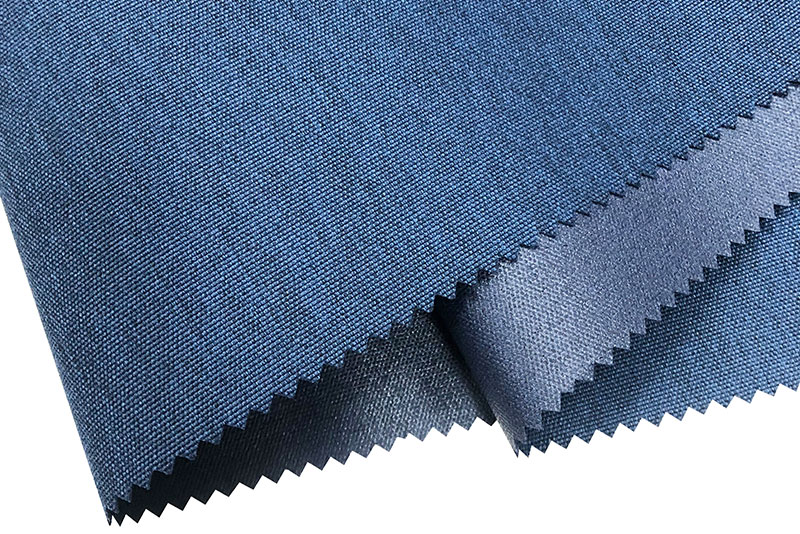
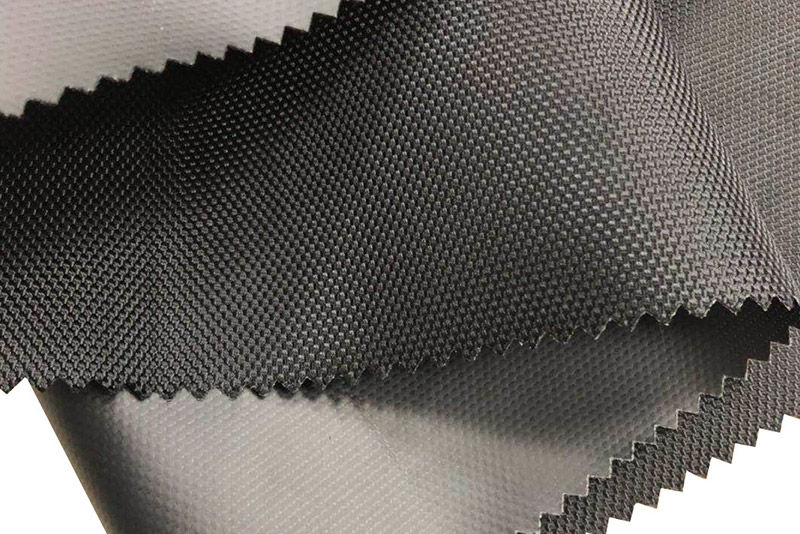
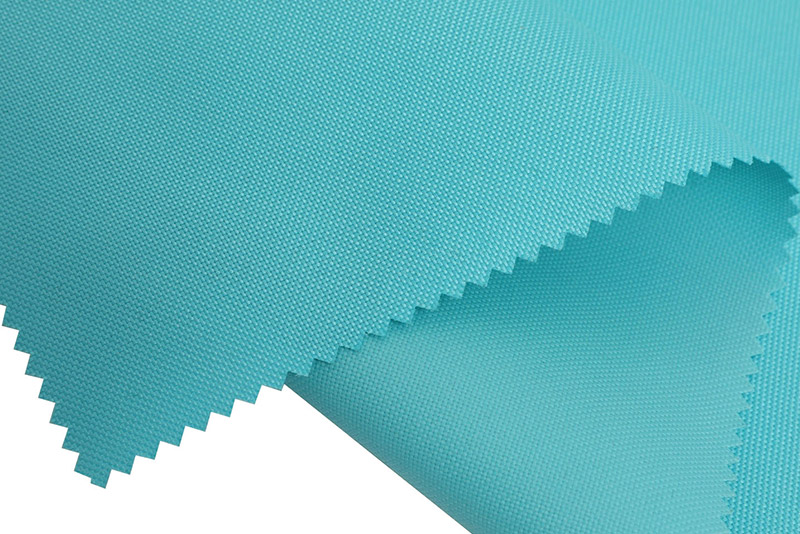
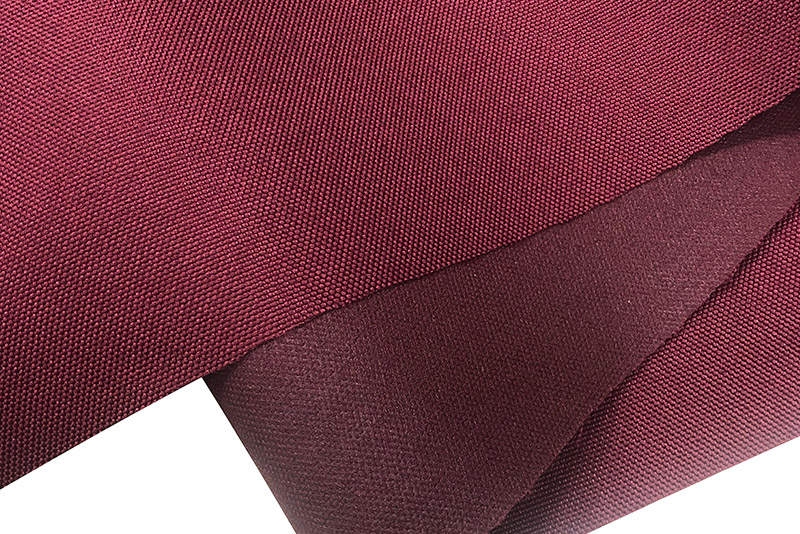
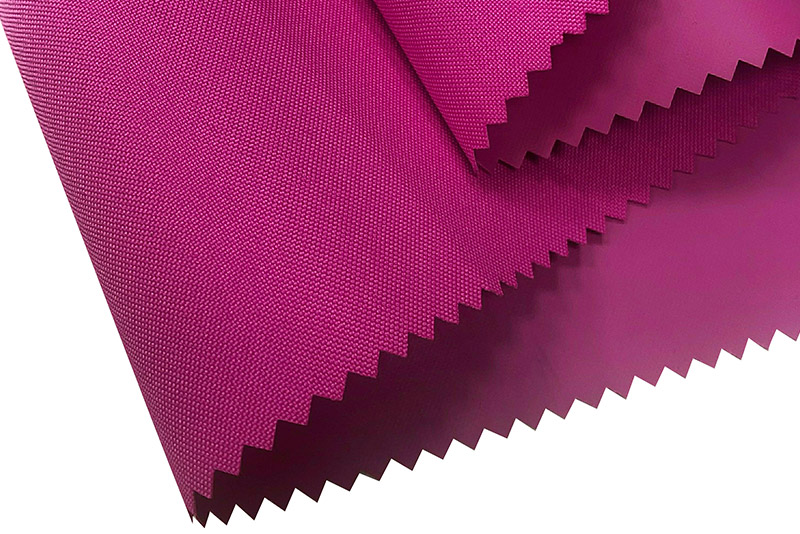
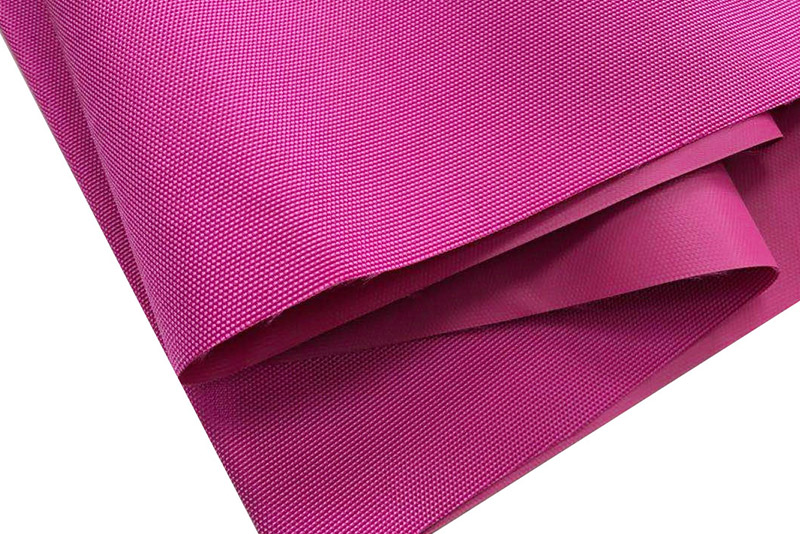
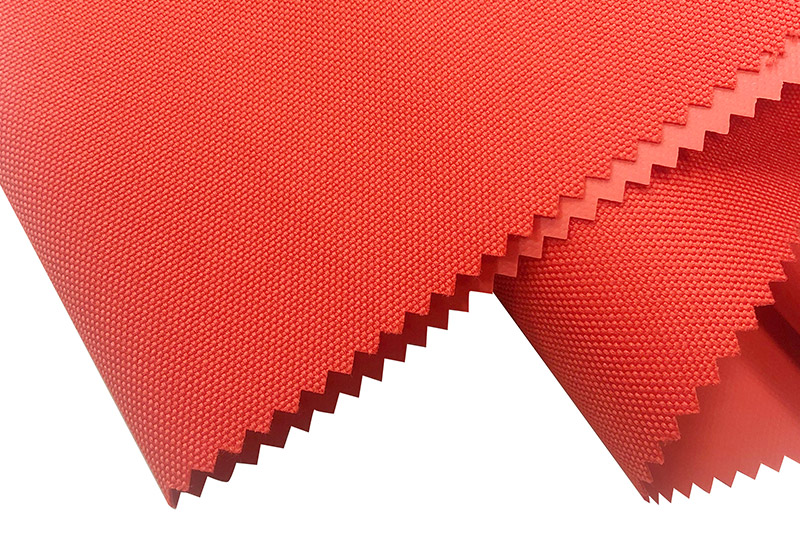
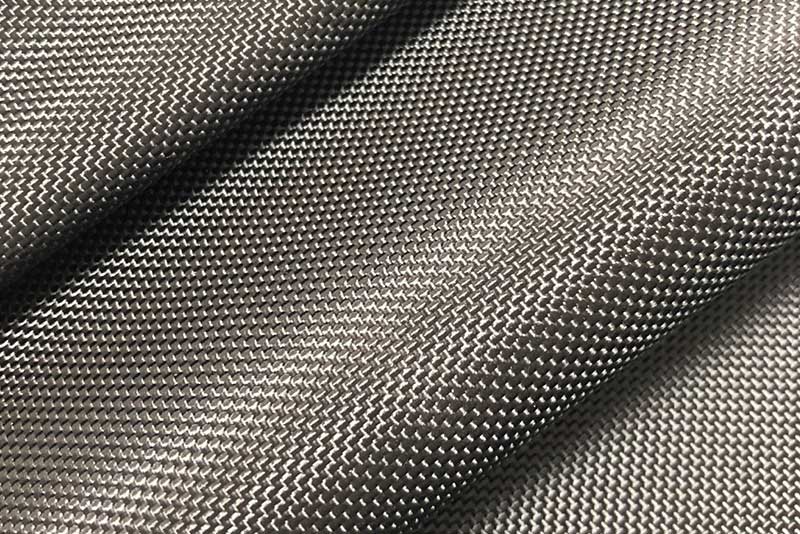
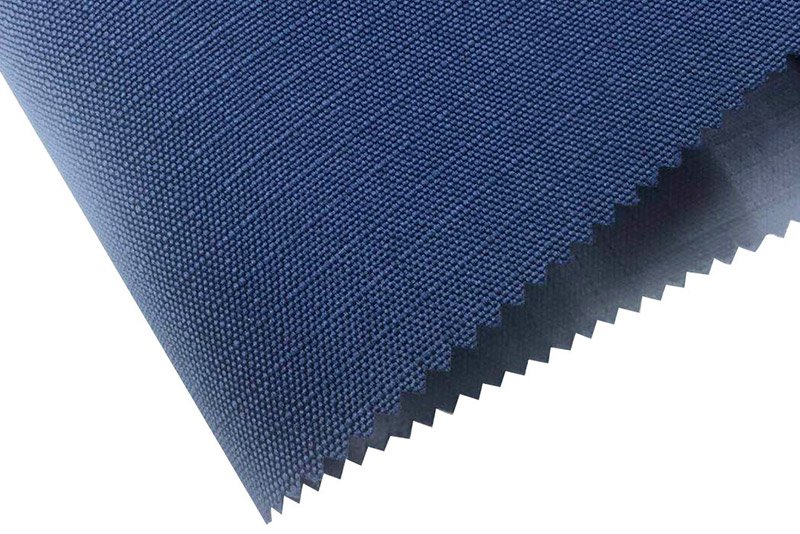
The primary difference between Jacquard Oxford and regular Oxford fabric lies in their weaving techniques. Regular Oxford fabric is woven using a simple basket weave, where multiple warp and weft threads are interlaced in a repetitive pattern. This creates a durable, lightweight, and slightly textured surface, ideal for shirts, casual wear, and some home textiles.
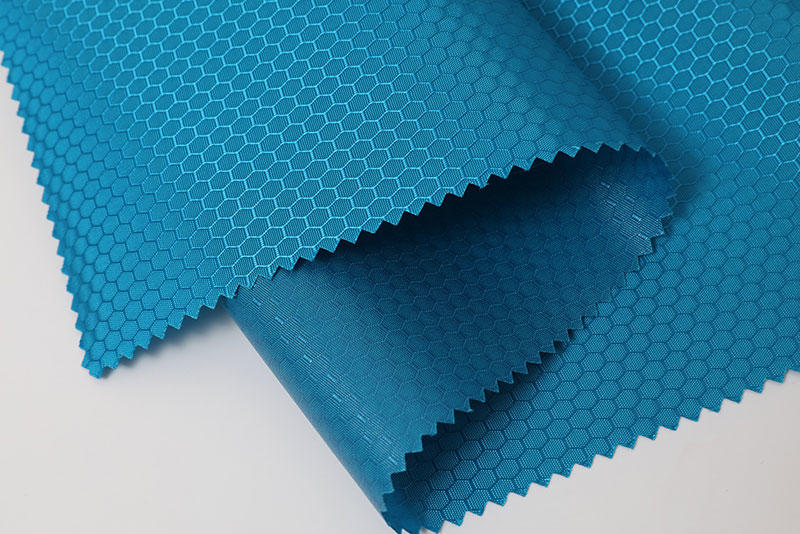
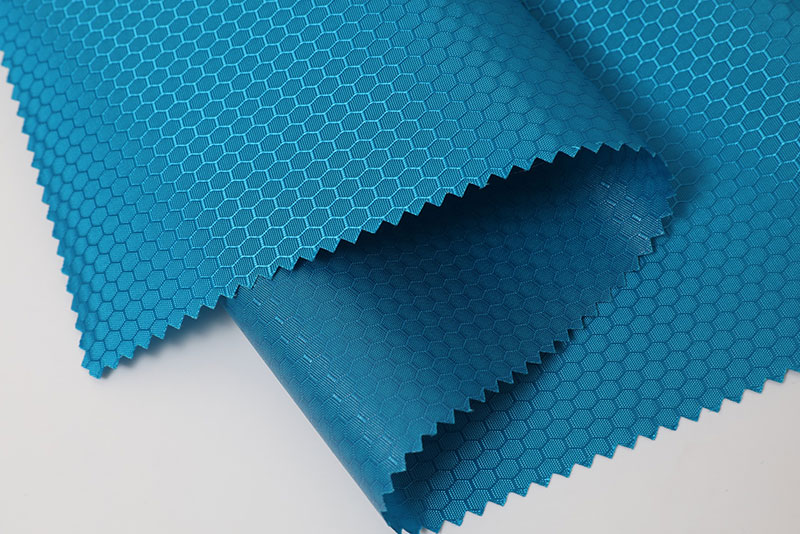
Jacquard Oxford fabric, on the other hand, is woven using a Jacquard loom, which allows for precise control of each warp thread. This weaving method enables the creation of complex patterns, including floral, geometric, and abstract designs, directly into the fabric without printing. As a result, Jacquard Oxford fabric often has a richer texture, enhanced depth, and a more luxurious appearance compared to standard Oxford fabric.
Visual and Textural Differences
Visually, regular Oxford fabric features a uniform texture and subtle sheen. Its basket-weave creates a grid-like surface that is noticeable up close but generally understated. This makes it versatile for casual and professional garments, as well as for basic upholstery projects.
Jacquard Oxford fabric distinguishes itself with intricate, woven patterns that are visible on both sides of the fabric. The interplay of light and shadow across the raised motifs provides a three-dimensional effect, giving garments and textiles a high-end, decorative quality. This textural complexity also makes Jacquard Oxford fabric suitable for statement pieces in fashion, such as patterned dress shirts, jackets, and luxury bedding or drapery.
Durability and Performance Considerations
Both Jacquard and regular Oxford fabrics are generally durable due to the strong interlacing of warp and weft threads. However, the Jacquard weave can sometimes be slightly heavier and thicker because of the additional threads needed to form patterns. This added density can enhance the fabric’s longevity and resistance to wear and tear, particularly in applications such as upholstery and home décor.
Regular Oxford fabric, being lighter, is easier to handle and more breathable, making it ideal for garments worn in warmer climates. Its straightforward construction allows for better airflow, while Jacquard Oxford may feel warmer and less breathable due to its denser weave.
Applications in Fashion
In fashion, regular Oxford fabric is commonly used for casual button-down shirts, school uniforms, and lightweight jackets. Its subtle texture and uniform appearance provide a versatile background for both solid colors and prints.
Jacquard Oxford fabric, with its elaborate patterns, is favored for premium fashion items where visual impact is important. This includes formal dress shirts, blouses, patterned jackets, and luxury accessories such as ties and pocket squares. Its decorative weave allows designers to incorporate intricate motifs directly into the fabric, creating a high-quality, seamless finish without the need for additional printing or embroidery.
Applications in Home Textiles and Upholstery
Regular Oxford fabric is used in home textiles for basic items like pillowcases, lightweight bed sheets, and simple curtains. Its durability and clean texture make it suitable for everyday use where elaborate design is not required.
Jacquard Oxford fabric is preferred for premium bedding, decorative pillow covers, curtains, and upholstery. Its patterns add elegance to interior spaces and provide a tactile dimension that elevates the overall aesthetic. Additionally, the thicker weave improves wear resistance, making it ideal for furniture that sees frequent use.
Care and Maintenance
Both fabrics are relatively easy to maintain but require slightly different care considerations. Regular Oxford fabric can generally be machine-washed at moderate temperatures and ironed without special precautions. It is important to avoid excessive heat to prevent shrinkage or distortion.
Jacquard Oxford fabric, because of its complex weave, should be handled more delicately. Gentle washing, preferably on a mild cycle or hand wash, is recommended to maintain the integrity of patterns. Ironing should be done at moderate temperatures on the reverse side, or using a pressing cloth, to avoid flattening the intricate weave. Proper care ensures the fabric retains its texture, pattern, and durability over time.
Summary of Differences
| Feature | Regular Oxford Fabric | Jacquard Oxford Fabric |
| Weave | Simple basket weave | Complex Jacquard weave |
| Appearance | Uniform, subtle texture | Intricate patterns, 3D texture |
| Weight | Lightweight | Moderate to heavier |
| Applications | Casual shirts, home textiles | Luxury fashion, decorative textiles |
| Care | Machine wash, moderate ironing | Gentle wash, careful ironing |
Conclusion
Jacquard Oxford fabric stands out from regular Oxford fabric due to its intricate weave, decorative patterns, and slightly heavier texture. While regular Oxford fabric is versatile, breathable, and suitable for everyday apparel and home textiles, Jacquard Oxford adds a layer of luxury and visual appeal, making it ideal for high-end fashion and decorative applications. Understanding these distinctions helps designers and consumers select the most appropriate fabric for their needs, balancing aesthetics, functionality, and care requirements.

 Tel: +86-571-22917799
 Fax: +86-571-82799678
 E-mail:
 Add: No.88 Yinxin Rd.,Yaqian Town,Hangzhou City, Zhejiang, China.