+86-571-22917799



 English
 简体中文
简体中文 русский
 Español
Content
What Is Jacquard Oxford Fabric?
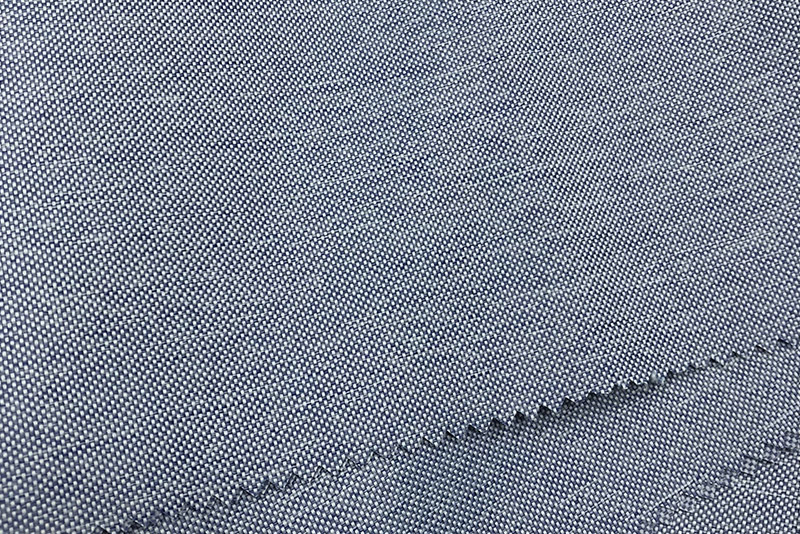
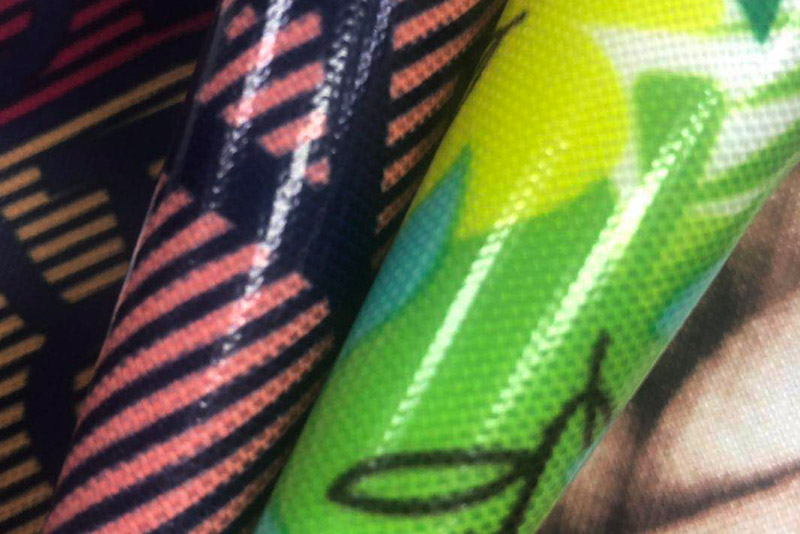
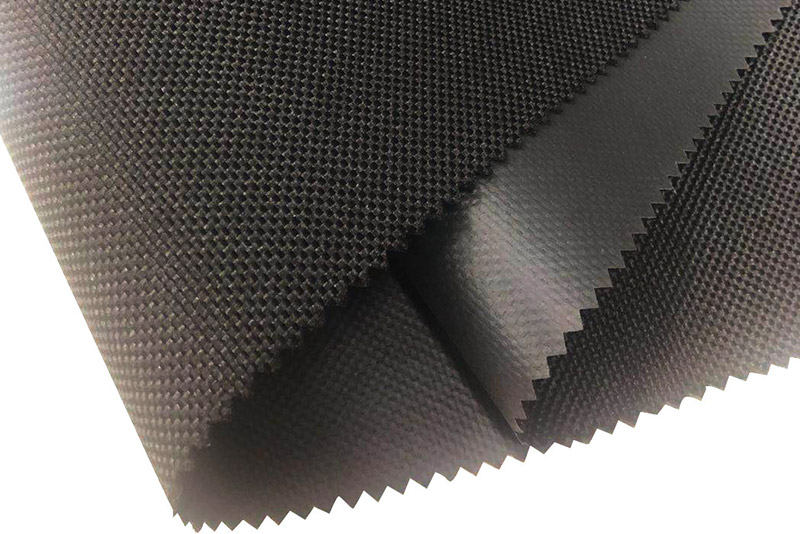
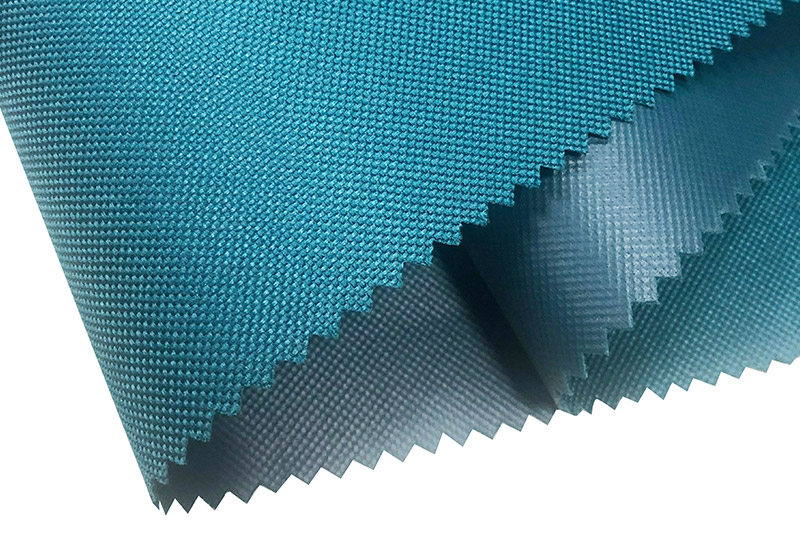
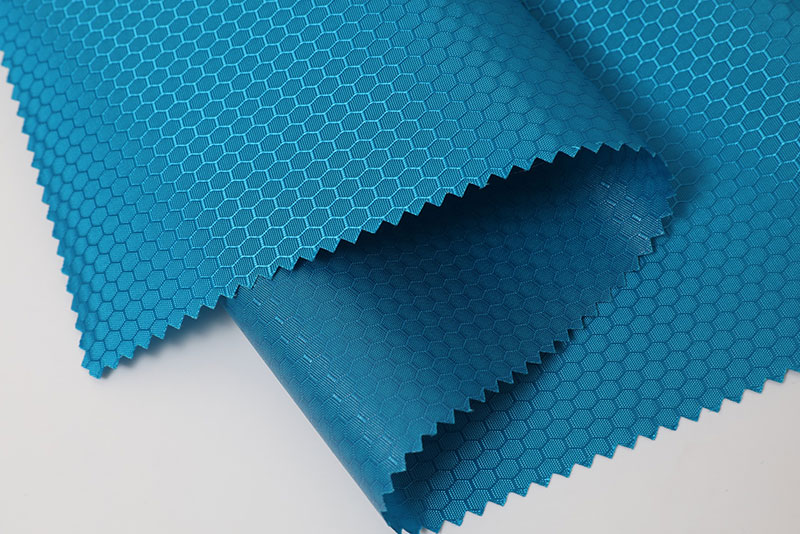
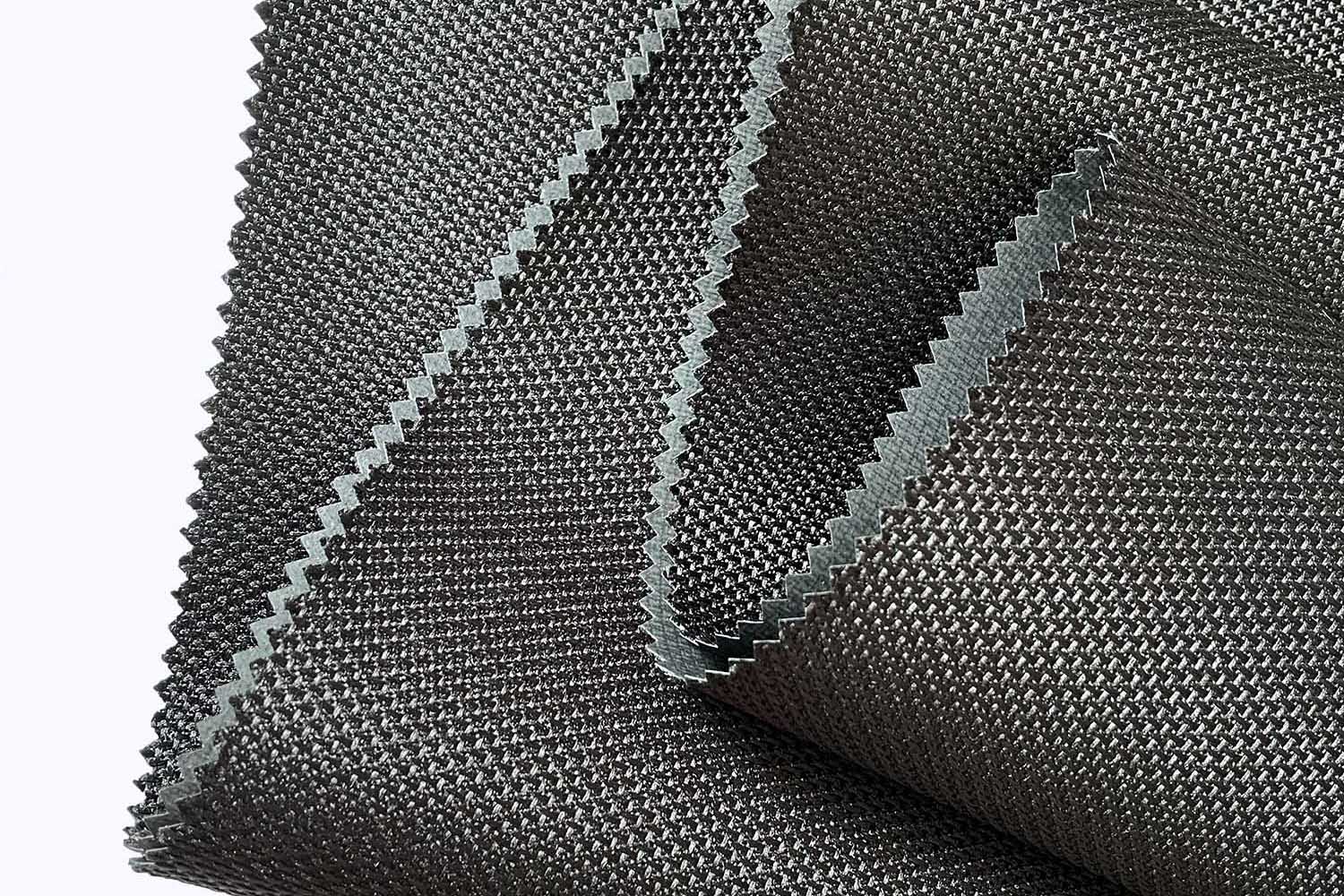
Jacquard Oxford fabric is a woven textile that combines two distinct textile traditions: the basket-weave structure of Oxford cloth and the pattern-forming technique of jacquard weaving. Traditional Oxford fabric is made using a simple over-under basket weave, which gives it a slightly textured surface and strong tear resistance. When a jacquard loom is used instead of a standard loom, intricate patterns, logos, or textures can be woven directly into the fabric structure rather than printed on top of it. This means the design becomes a permanent part of the material, resulting in a product that resists fading, cracking, and wear far better than printed alternatives.
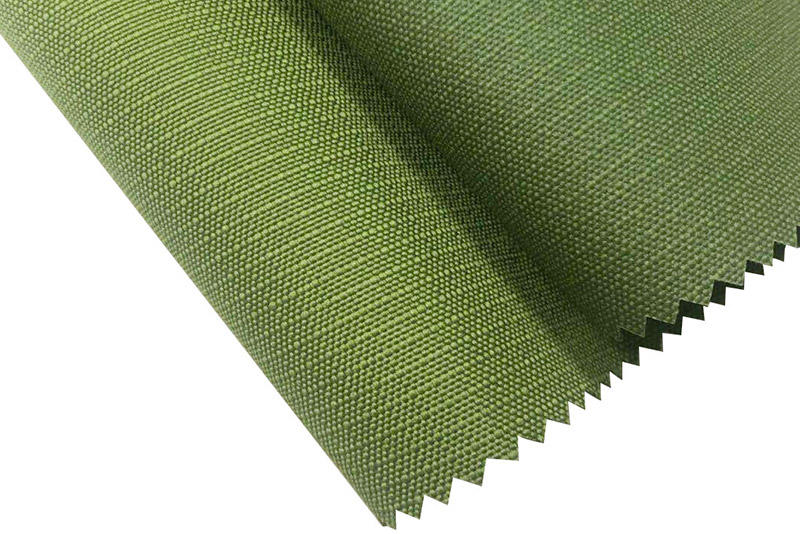
The base yarns are typically polyester, nylon, or a blend of the two, though cotton-blend versions exist for softer applications. The interlaced weave structure creates small square or rectangular patterns visible on the fabric surface, and the jacquard process layers additional woven motifs, such as diamonds, stripes, or brand-specific designs, onto this base texture.
Key Characteristics and Performance Properties
Jacquard Oxford fabric is valued primarily for its durability and dimensional stability. The tight basket weave distributes stress across multiple yarn intersections, which reduces the likelihood of tearing under tension. This makes it a popular choice for products that undergo frequent handling, such as bags, backpacks, and outdoor equipment.
Durability and Strength
Because the pattern is woven rather than printed, the fabric maintains its appearance even after repeated abrasion, folding, or exposure to sunlight. Manufacturers often measure this durability using denier ratings, with higher denier numbers indicating thicker, more robust yarns.
Water Resistance
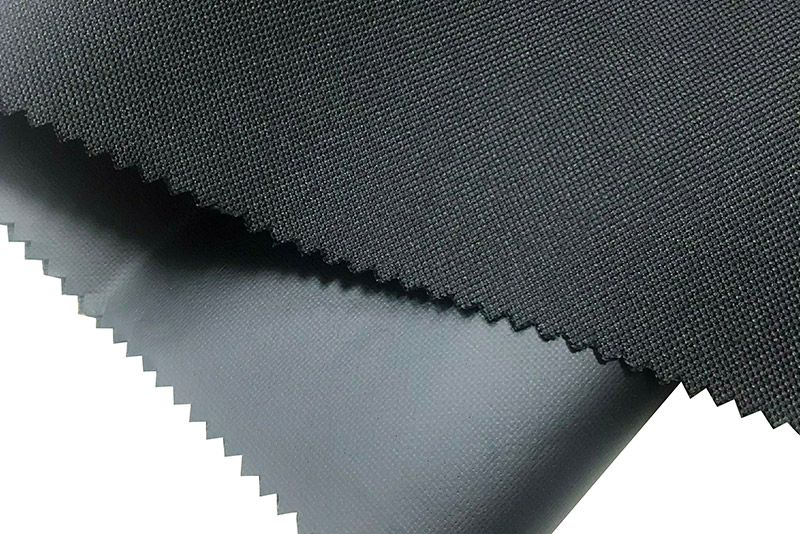
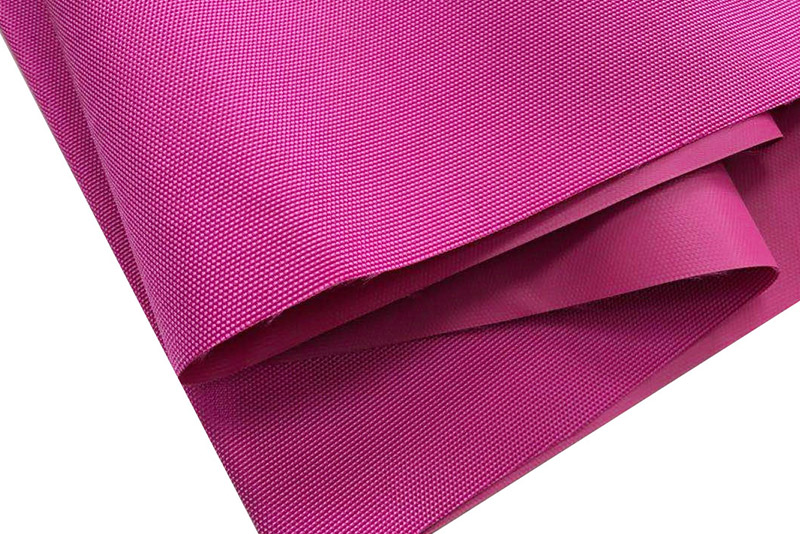
Most jacquard Oxford fabrics receive a polyurethane (PU) or polyvinyl chloride (PVC) coating on the reverse side, which significantly improves water resistance. This coating fills the small gaps between yarns, preventing moisture penetration while still allowing the fabric to remain flexible.
Breathability and Weight
Uncoated jacquard Oxford fabric allows for reasonable airflow, making it suitable for garments and lightweight accessories. Coated versions sacrifice some breathability in exchange for weatherproofing, which is a trade-off buyers should consider based on intended use.
Common Applications
The versatility of jacquard Oxford fabric means it appears across a wide range of product categories. Below are some of the most common uses:
- Backpacks, duffel bags, and travel luggage
- Outdoor gear such as tents, tarps, and gear covers
- Upholstery for chairs, sofas, and automotive interiors
- Promotional and corporate merchandise, including tote bags
- Home textiles such as curtains, cushion covers, and placemats
In each of these applications, the woven pattern adds a decorative element while the underlying Oxford structure provides the functional durability the product requires.
Jacquard Oxford vs Plain Oxford Fabric
Understanding the differences between jacquard Oxford and plain Oxford fabric can help buyers select the right material for their project. The table below compares the two across several practical factors.
| Factor | Jacquard Oxford | Plain Oxford |
| Pattern Method | Woven into structure | Solid color or printed |
| Pattern Durability | High, resists fading | Moderate, print can wear off |
| Production Cost | Higher | Lower |
| Typical Use | Branded bags, decorative textiles | Basic bags, linings, workwear |
How to Choose the Right Weight and Weave
Selecting the appropriate fabric weight depends heavily on the end product. Lighter weights, typically in the 300D to 420D range, work well for foldable bags, lightweight totes, and indoor upholstery where flexibility matters more than heavy-duty protection. Mid-range weights between 600D and 900D strike a balance between durability and weight, making them suitable for everyday backpacks and travel bags.
For products exposed to rough handling or outdoor elements, such as camping gear or industrial tool bags, fabrics rated 1000D or higher provide maximum abrasion resistance. Buyers should also consider the weave density, since a tighter weave generally correlates with better water resistance and structural integrity, even before any coating is applied.
Care and Maintenance Tips
Proper care extends the lifespan of jacquard Oxford fabric products significantly. The following practices help maintain both appearance and function over time:
- Spot clean with a damp cloth and mild detergent rather than fully submerging coated items
- Avoid prolonged direct sunlight exposure to prevent coating degradation
- Air dry completely before storage to prevent mildew growth on coated surfaces
- Store folded items loosely to avoid permanent creasing along the coating layer
Buying Considerations for Bulk or Business Use
Businesses sourcing jacquard Oxford fabric in bulk, whether for manufacturing bags or producing branded merchandise, should request fabric samples before committing to large orders. Testing samples for colorfastness, seam strength, and coating consistency helps avoid costly quality issues later. It is also worth confirming the minimum order quantity, lead time, and whether the supplier offers custom jacquard patterns, since minimum quantities for custom designs are often higher than for stock patterns.
Working with suppliers who provide detailed technical specifications, including denier, weight per square meter, and coating type, makes it easier to match the fabric to the intended application and ensures consistency across production batches.

 Tel: +86-571-22917799
 Fax: +86-571-82799678
 E-mail:
 Add: No.88 Yinxin Rd.,Yaqian Town,Hangzhou City, Zhejiang, China.