+86-571-22917799



 English
 简体中文
简体中文 русский
 Español
Content
- 1 What Is DTY Polyester Oxford Fabric?
- 2 How DTY Differs From FDY and Other Polyester Yarn Types in Oxford Fabric
- 3 Key Specifications and Weight Categories
- 4 Coatings and Finishes Applied to DTY Oxford Fabric
- 5 Major Application Areas for DTY Polyester Oxford Fabric
- 6 What to Evaluate When Sourcing DTY Polyester Oxford Fabric
What Is DTY Polyester Oxford Fabric?
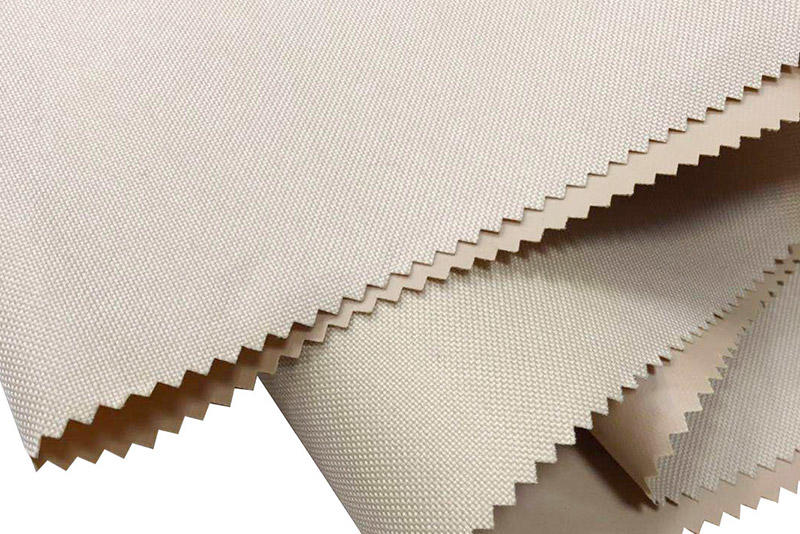
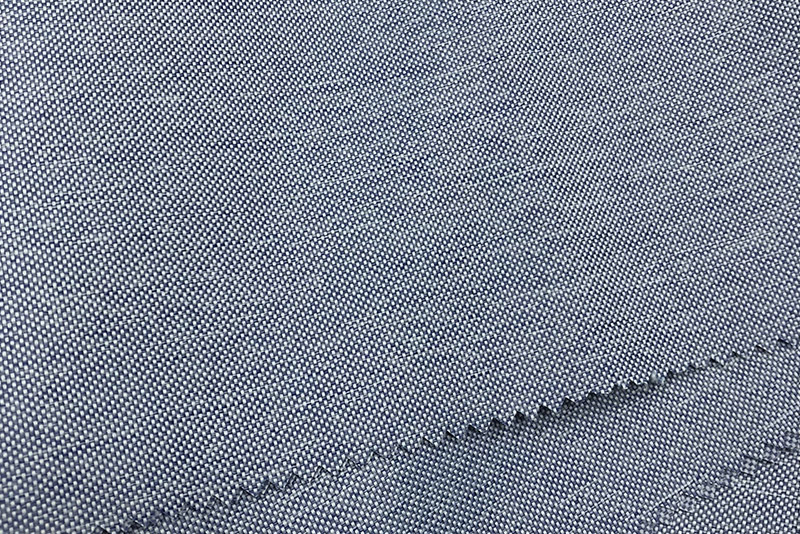
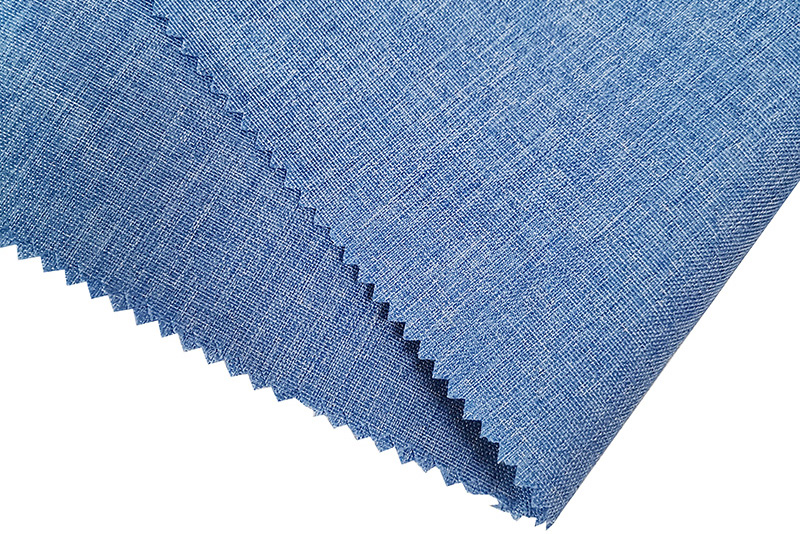
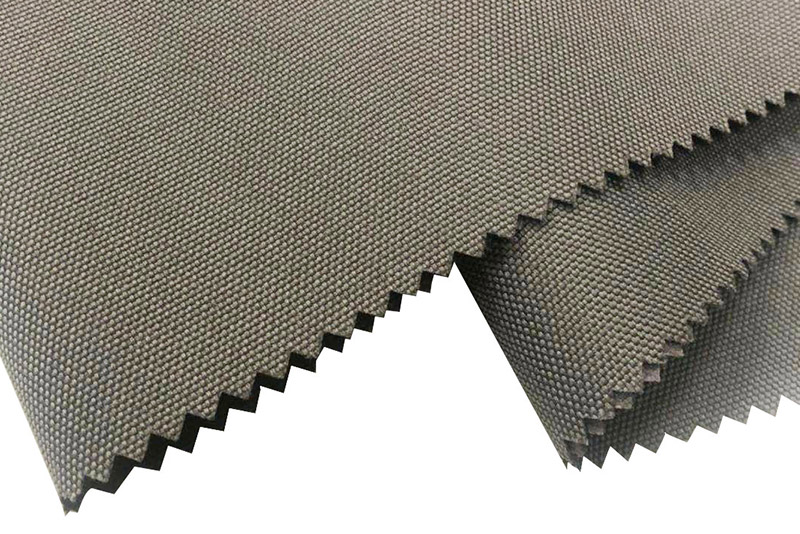
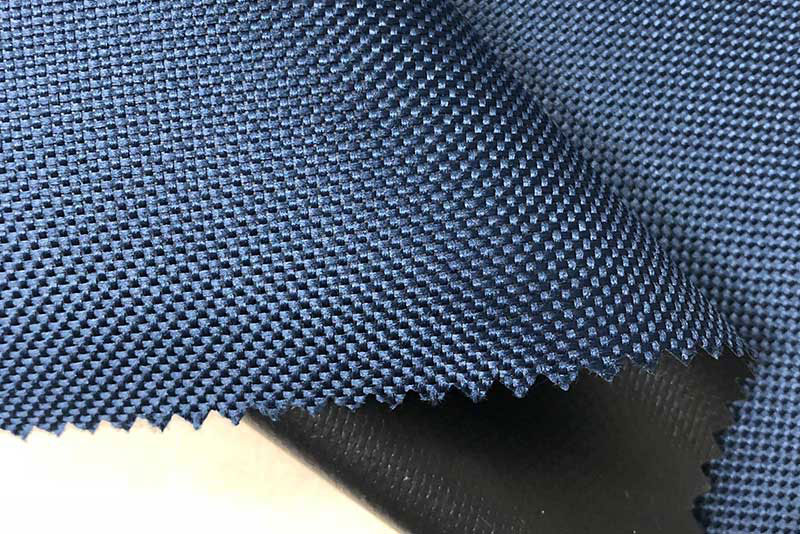
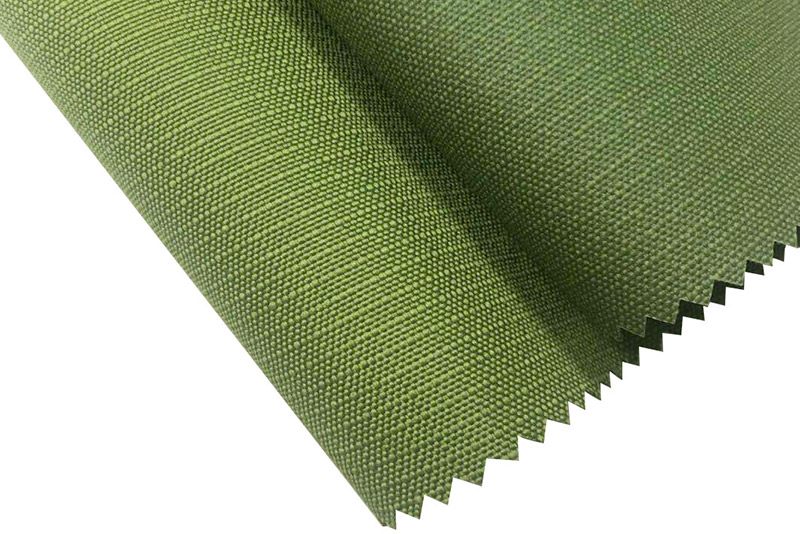
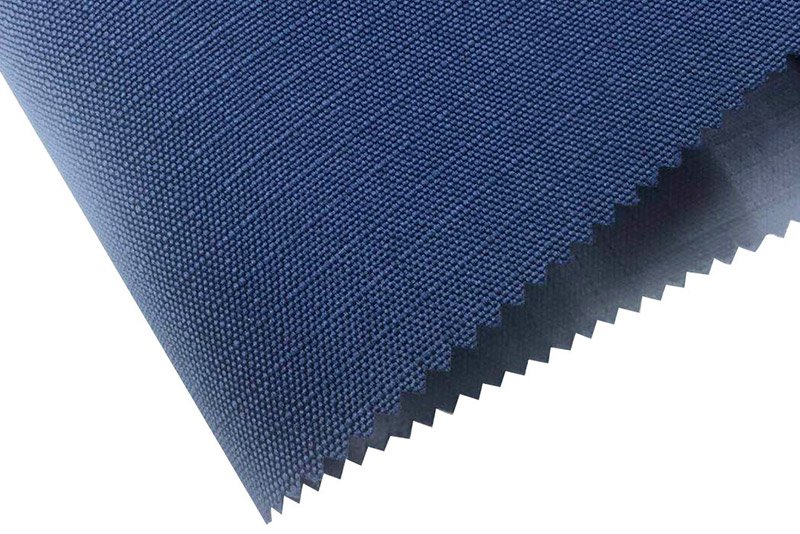
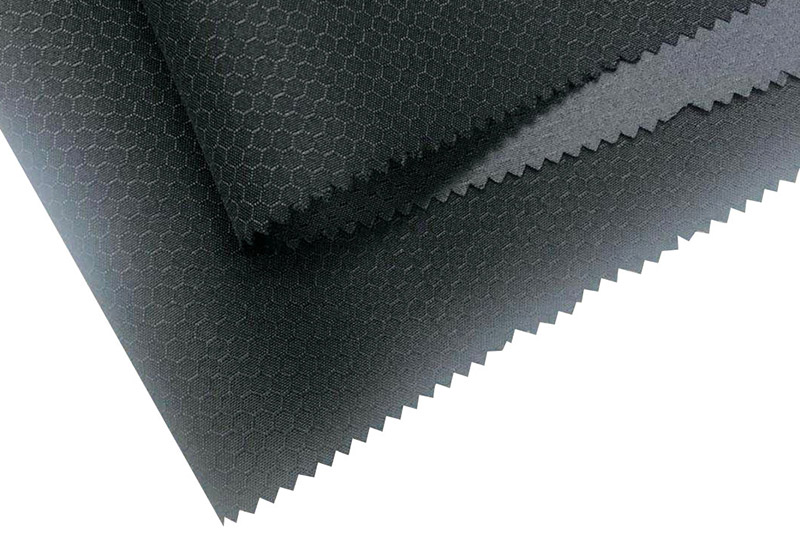
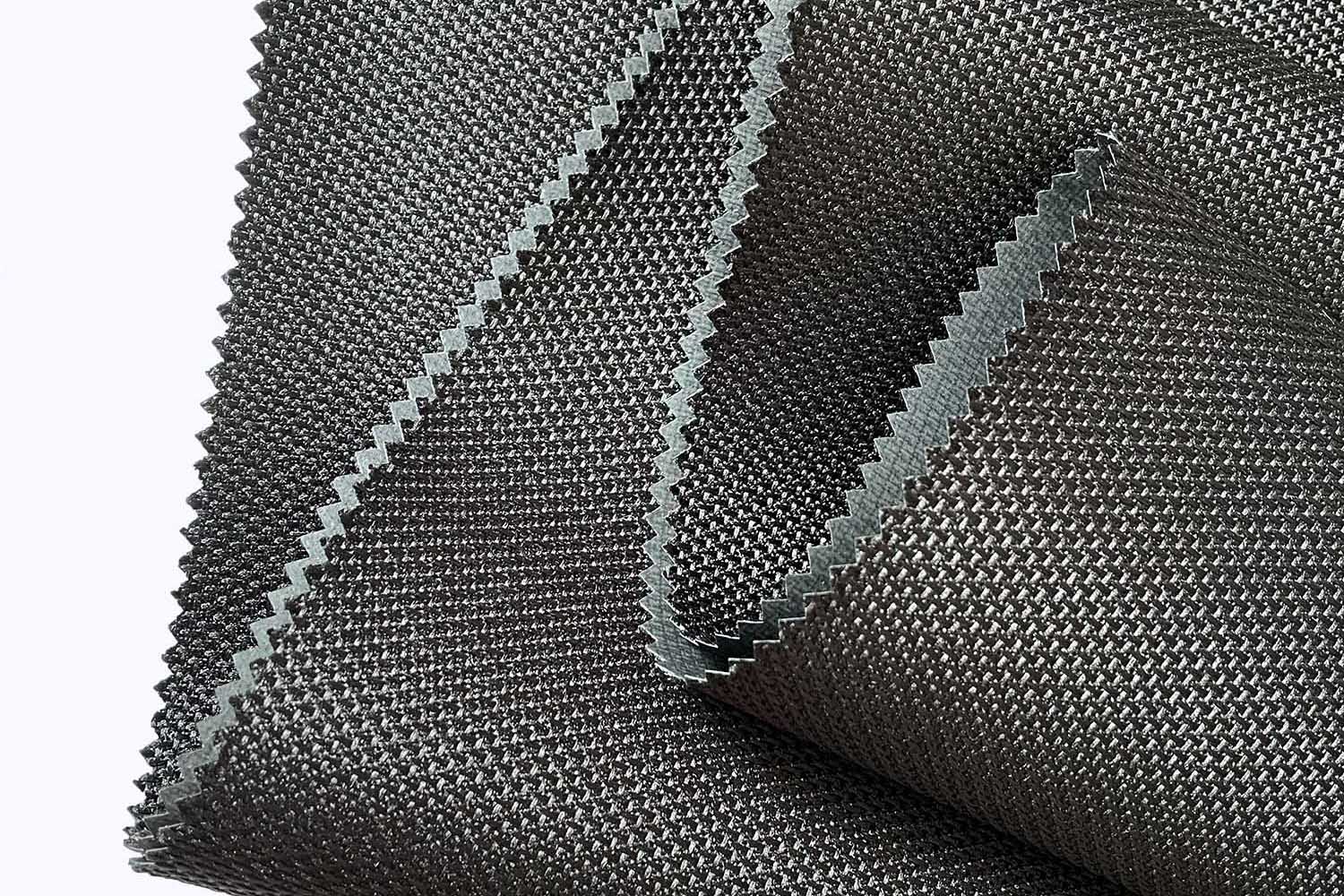
DTY polyester Oxford fabric is a woven textile made from Draw Textured Yarn (DTY) polyester as its primary fiber, constructed using the Oxford weave structure — a basket-style weave pattern where two or more warp yarns interlace with one or more weft yarns in a regular, balanced configuration. This combination of fiber type and weave structure produces a fabric that is simultaneously strong, flexible, and visually distinctive, with a subtle cross-hatch texture on the surface that is immediately recognizable across a wide range of product categories.
DTY yarn itself is produced by passing partially oriented polyester yarn (POY) through a draw-texturing machine, which simultaneously stretches and crimps the filaments. This texturing process gives the yarn a soft, slightly bulky character that resembles the hand feel of spun yarn more closely than flat filament polyester, while retaining the strength, consistency, and moisture resistance inherent to synthetic fibers. When woven into Oxford cloth, this crimped yarn structure contributes to the fabric's characteristic softness, slight stretch, and enhanced light diffusion across its surface.
How DTY Differs From FDY and Other Polyester Yarn Types in Oxford Fabric
Understanding the distinction between DTY and other polyester yarn types — particularly Fully Drawn Yarn (FDY) — is important when evaluating Oxford fabric specifications, as the yarn type directly affects the fabric's feel, appearance, and end-use performance.
| Yarn Type | Surface Character | Hand Feel | Typical Oxford Application |
| DTY | Slightly textured, matte | Soft, bulky | Bags, backpacks, outdoor fabric |
| FDY | Smooth, semi-glossy | Crisp, firm | Linings, luggage, formal accessories |
| POY (partially drawn) | Irregular, low luster | Weak, inconsistent | Not typically used in finished Oxford |
| Spun Polyester | Matte, cotton-like | Soft, natural feel | Apparel Oxford, shirting |
DTY Oxford fabric occupies a practical middle ground: it is softer and more pliable than FDY Oxford, making it more comfortable in applications where the fabric contacts skin or requires frequent folding, while still delivering the tensile strength and abrasion resistance expected of polyester-based technical textiles. This balance is a primary reason for its widespread adoption in the bag-making and outdoor equipment industries.
Key Specifications and Weight Categories
DTY polyester Oxford fabric is produced across a wide range of weights and constructions. The fabric's weight — expressed in grams per square meter (GSM) or denier — is one of the first specifications to evaluate when selecting material for a specific application, as it directly determines strength, pack size, drape, and suitability for coating or lamination.
Common Weight and Denier Ranges
- 150D Oxford (approx. 80–100 GSM): A lightweight construction used in foldable bags, stuff sacks, and inner linings where minimal weight and compact packability are prioritized over abrasion resistance.
- 300D Oxford (approx. 150–180 GSM): One of the most widely used grades, offering a balanced combination of strength, flexibility, and cost-efficiency. Commonly specified for school backpacks, tote bags, and light-duty cases.
- 420D Oxford (approx. 180–210 GSM): A mid-weight grade with improved tear and puncture resistance over 300D. Frequently used in tool bags, camera cases, and travel accessories requiring more robust construction.
- 600D Oxford (approx. 250–290 GSM): A heavy-duty grade offering excellent abrasion resistance and dimensional stability. Standard in military-style bags, laptop backpacks, and durable outdoor equipment covers.
- 900D and 1200D Oxford: Extra-heavy constructions used in luggage shells, heavy equipment bags, and industrial protective covers where maximum durability is the primary requirement.
It is important to note that denier specifications from different mills can vary slightly in actual GSM due to differences in yarn count, weave tightness, and finishing treatments. Always request fabric weight confirmation alongside denier designation when sourcing from new suppliers.
Coatings and Finishes Applied to DTY Oxford Fabric
In most commercial and industrial applications, DTY polyester Oxford fabric is not used in its uncoated state. A range of coatings and functional finishes are applied to the reverse side or throughout the fabric to enhance specific performance properties. Understanding these treatments is essential for matching the fabric to end-use requirements.
PU (Polyurethane) Coating
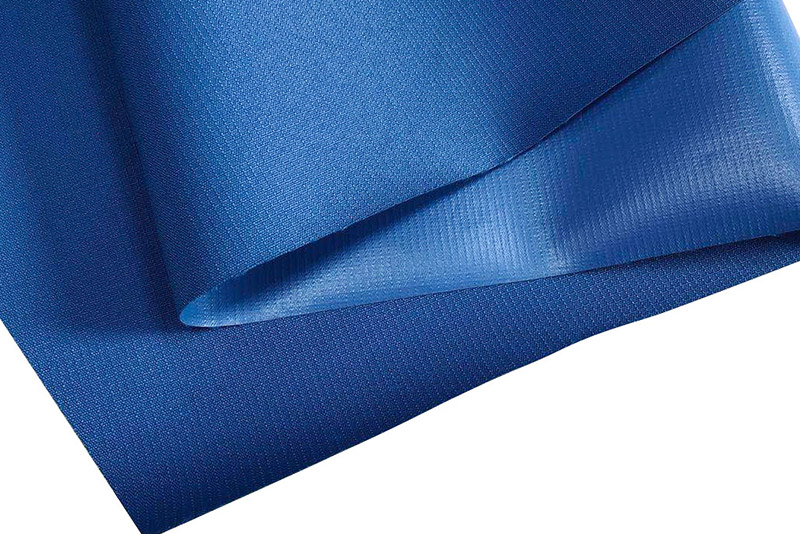
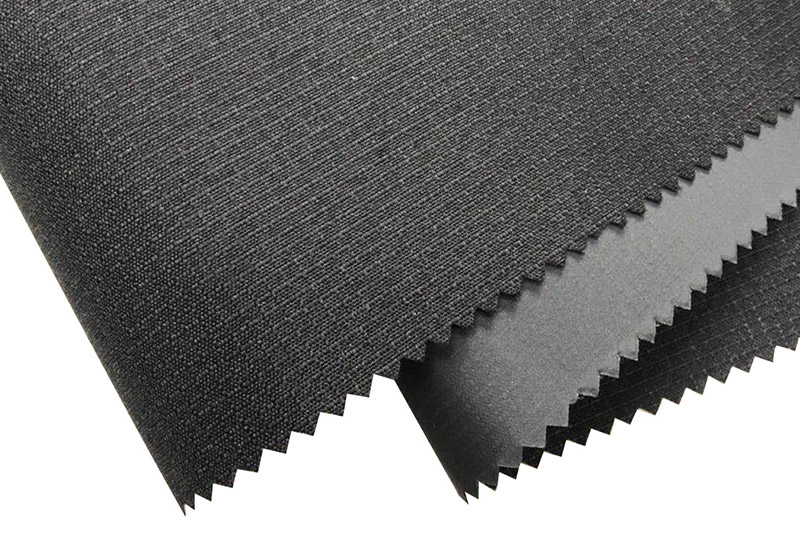
PU coating is the most widely applied finish for DTY Oxford fabric used in bags and outdoor applications. It creates a continuous film on the back of the fabric that provides water resistance, improves the fabric's dimensional stability, and adds a degree of stiffness that facilitates sewing and shaping. PU-coated Oxford is rated by hydrostatic head pressure — typically 500mm to 3000mm — indicating its resistance to water penetration under pressure. Heavier PU coatings improve waterproofing but reduce breathability and flexibility.
PVC (Polyvinyl Chloride) Coating
PVC coating produces a thicker, more rigid backing than PU, offering superior waterproofing and excellent resistance to oils, chemicals, and UV exposure. PVC-coated DTY Oxford is commonly specified for heavy-duty tarpaulins, truck covers, industrial storage bags, and marine equipment covers. The trade-off is increased weight and reduced pliability compared to PU-coated variants, making it less suitable for wearable items or lightweight packable products.
Silver or Aluminum Coating
Some DTY Oxford fabrics receive a metallic reflective coating on one side to enhance thermal insulation and UV reflectance. These are used in emergency blankets, insulated bag liners, sun shades, and automotive protective covers. The reflective layer significantly increases the fabric's ability to deflect radiant heat without adding substantial weight.
DWR (Durable Water Repellent) Finish
DWR is a chemical treatment applied to the face of the fabric — rather than as a backing coating — that causes water to bead and roll off the surface rather than soaking into the yarn. DWR-treated DTY Oxford is used in light outdoor apparel, day packs, and travel accessories where full waterproofing is not required but surface wetness resistance is desirable. DWR finishes diminish over time with washing and use, and may require periodic reapplication.
Major Application Areas for DTY Polyester Oxford Fabric
The combination of durability, water resistance, printability, and cost-effectiveness positions DTY Oxford polyester fabric as a dominant material across multiple product categories. Its adoption spans consumer goods, industrial applications, and outdoor equipment.
- Bags and backpacks: DTY Oxford — particularly in 300D, 420D, and 600D grades — is the default material for school bags, laptop backpacks, gym bags, and travel duffels. Its balance of strength, light weight, and ease of sewing makes it highly efficient for high-volume bag manufacturing.
- Outdoor and camping gear: Tent floors, groundsheets, stuff sacks, and equipment pouches frequently use PU-coated DTY Oxford for its tear resistance and waterproof performance in field conditions.
- Luggage and travel accessories: Soft-shell luggage, packing cubes, toiletry bags, and passport holders use DTY Oxford for its ability to maintain shape while remaining lightweight and resistant to scuffs and spills.
- Promotional and trade show items: The fabric's wide color range, printability with sublimation and screen printing, and low cost per meter make it the standard choice for branded tote bags, exhibition carry bags, and event merchandise.
- Industrial covers and protective cases: PVC-coated or heavy 900D+ DTY Oxford is used in protective equipment covers, machinery transport bags, and waterproof storage solutions for tools and electronics.
- Pet products: Carriers, beds, and travel accessories for pets frequently specify DTY Oxford due to its scratch resistance, ease of cleaning, and durability under repeated stress at seams and handles.
What to Evaluate When Sourcing DTY Polyester Oxford Fabric
Sourcing DTY Oxford fabric requires attention beyond basic color and price comparison. Several technical and quality factors determine whether a given fabric will perform reliably in its intended application and meet regulatory or customer requirements.
Yarn Quality and Consistency
The quality of the DTY yarn used in the base fabric determines color consistency, tensile strength, and resistance to pilling or yarn breakage. Low-grade recycled or blended DTY yarn may exhibit uneven texturing, inconsistent denier, or poor dye uptake that leads to streaking and shade variation across rolls. Request yarn denier tolerance data and confirm whether virgin or recycled DTY is being used, as this affects both performance and sustainability claims.
Coating Adhesion and Durability
For coated DTY Oxford, the adhesion strength of the PU or PVC layer to the base fabric is critical. Poor adhesion results in delamination during use — particularly at fold lines, stitching points, and areas subjected to repeated flexing. Request peel strength data and, where applicable, hydrostatic head test results to confirm that waterproof performance meets the specification required for the end product.
Colorfastness and UV Resistance
Outdoor and promotional applications demand good colorfastness to light, washing, and rubbing. Request ISO 105 or AATCC test results for colorfastness ratings before committing to a supplier. For outdoor covers and gear exposed to prolonged sunlight, UV stabilizer additions to the coating or yarn can significantly extend the fabric's service life and color retention.
Compliance with Chemical Regulations
DTY Oxford fabrics sold into European, American, or Japanese markets must comply with REACH regulations, OEKO-TEX Standard 100, or other relevant restricted substance requirements — particularly concerning PFAS chemicals used in some DWR finishes, phthalates in PVC coatings, and azo dye restrictions in coloring. Always request test reports confirming compliance with the applicable standards for your target market before placing large production orders.

 Tel: +86-571-22917799
 Fax: +86-571-82799678
 E-mail:
 Add: No.88 Yinxin Rd.,Yaqian Town,Hangzhou City, Zhejiang, China.