+86-571-22917799




 English
 简体中文
 русский
 Español
Content
Choosing outdoor fabric looks simple until you are staring at a spec sheet full of numbers. A 600D polyester oxford with a 1500mm PU backer is not the same animal as a 210D lining cloth, and the difference shows up two summers later when a cover is still standing or has quietly gone chalky and brittle. We have been weaving polyester oxford in Hangzhou since 2002, and most of what we know came from customers who came back with a failed sample and a specific complaint. This guide is that conversation, written down: what each number actually controls, and how to line up a fabric with the life you want it to live.
What Outdoor Fabric Has to Handle
Indoors, a fabric mostly has to look good and hold a seam. Outdoors, it works for a living. Sunlight breaks polymer chains, so colour fades and strength drops. Rain sits on the surface and finds every pinhole. Grit works into the weave and abrades it from the inside. Warm, damp storage between trips invites mildew into any crease that traps moisture. Add the occasional scrape against a rock or a truck bed, and you have five failure modes competing at once.
No single finish solves all five. That is why outdoor fabric is specified as a system: a base cloth that provides strength, a backer that provides a barrier, and a top finish that handles light, water or fire. Get the order right and each layer does its job without fighting the others.
Start With Denier, Then Work Outward
Denier describes the thickness of the yarn, and in polyester oxford it is the fastest shorthand for how much abuse a cloth will shrug off. Heavier yarn means more mass per square metre, better tear resistance and a stiffer hand. It also means more weight in the finished product, so the trick is to pick the lightest cloth that still passes your wear test rather than the heaviest one you can afford.
| Denier | Character | Common outdoor use |
|---|---|---|
| 210D – 300D | Light, flexible, packs small | Lining panels, stuff sacks, lightweight pouches |
| 420D | Balanced strength and weight | Daypack bodies, tent bags, equipment covers |
| 600D | The all-round workhorse | Backpacks, duffels, luggage, general covers |
| 900D – 1200D | Heavy, stiff, high abrasion resistance | Tool bags, tarpaulins, industrial covers |
| 1680D | Dense, tough, abrasion points only | Base panels, wheel housings, reinforced corners |
Weave matters as much as the count. A ripstop grid stops a small tear from running, twill gives a softer drape, and a jacquard or honeycomb structure can add texture without adding weight. If your product is dragged rather than carried, the grid is often worth more than the extra denier.
Backing and Coating Decide the Waterproofing
Water resistance comes from the backer, not the cloth. Polyurethane gives a soft, quiet hand and is the usual choice for bags and apparel-adjacent gear. PVC gives a hard-wearing, fully sealed surface that suits tarpaulins and industrial covers but adds weight and stiffness. TPE and PEVA laminations sit in between, and silicone finishes are the pick when you need slip and heat resistance more than a mirror-smooth face.
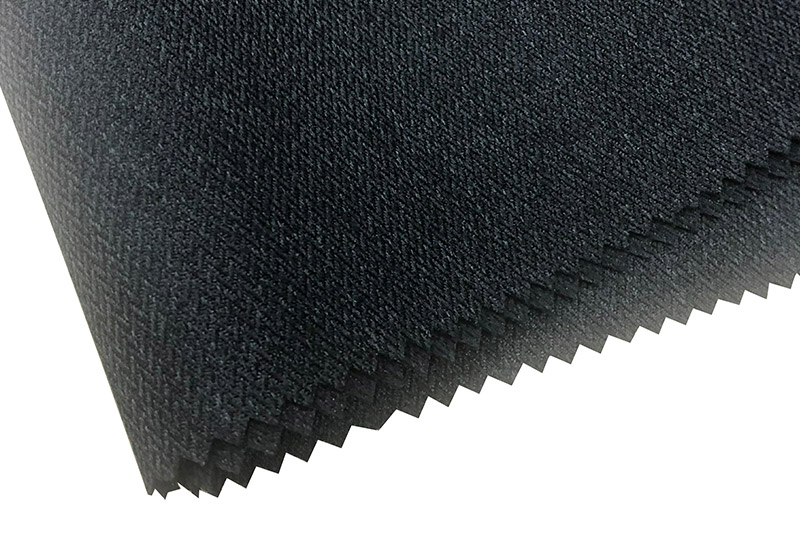
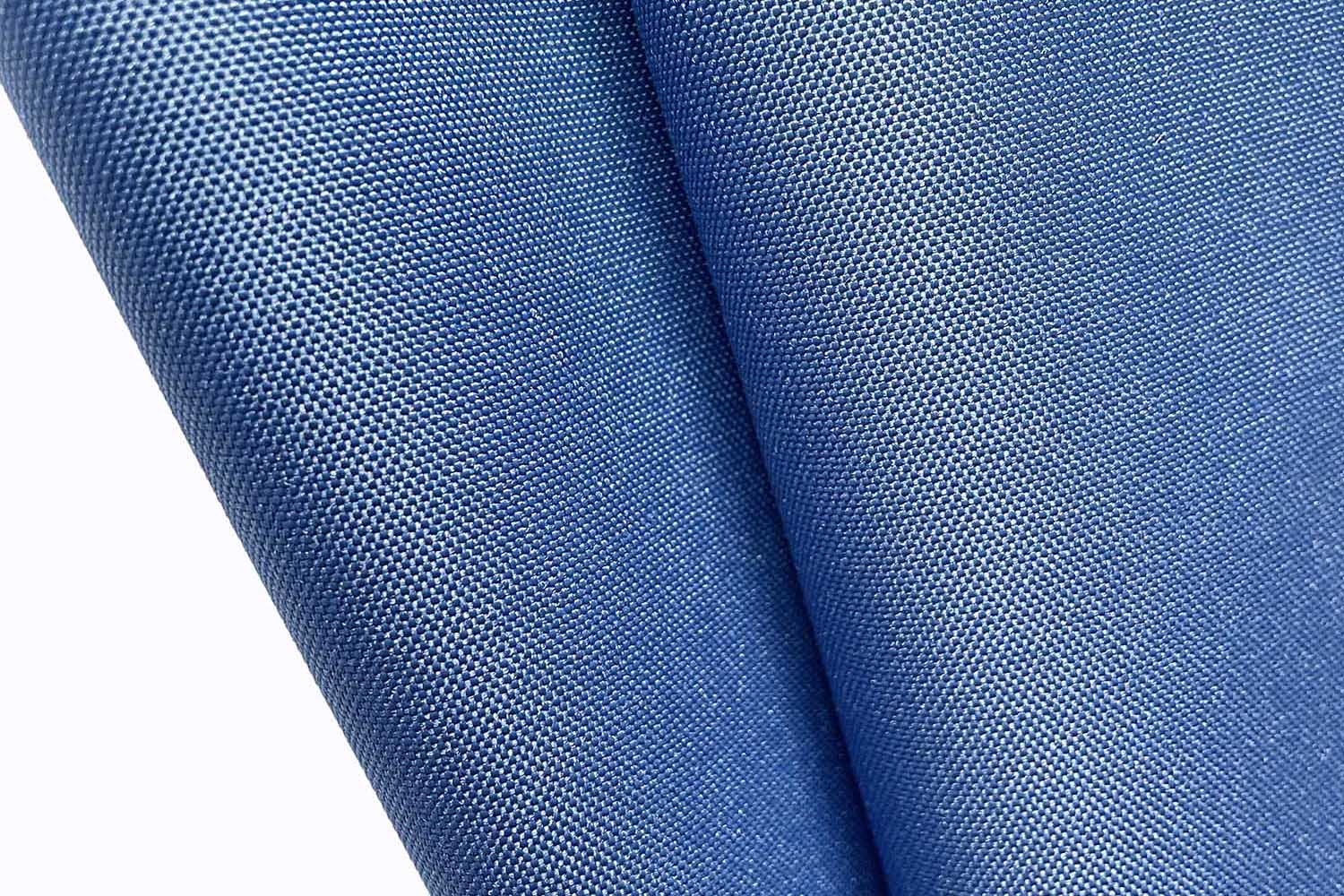 600D PU-Coated Oxford Fabric with 1500mm Water ResistanceA 600D, 90T polyester Oxford with PU backer and 1500mm rating, suited to bags and packs that need soft-hand water resistance.View Product →
Hydrostatic head numbers — 1000mm, 1500mm, 2000mm, 3000mm — tell you how much water column the coating resists before it starts to pass. A 1000mm cloth handles drizzle and dew; 1500mm to 2000mm is a sensible target for packs and covers that see real rain; 3000mm belongs on tarpaulins and anything that might pool water. Push the coating too far and you trade breathability and flexibility for a number nobody downstream will notice.
Our waterproof oxford fabric range runs from 200D to 1680D with PU coatings, so you can hold the base cloth constant and step the barrier up or down while you test.
Finishes That Extend Service Life
Above the backer sits the finish, and this is where most product failures could have been prevented cheaply.
Light and colour
UV absorbers and light-stable yarns slow the fade-and-chalk cycle. Solution-dyed polyester holds colour deeper in the fibre, which matters on awnings and anything permanently outdoors. Our UV-resistant outdoor fabric is built for sun exposure rather than occasional daylight.
Fire performance
Fire-retardant treatments are usually specified for tents and event structures where local rules demand it. They cost money and can affect hand feel, so confirm the standard you actually need before treating the whole order.
Water, oil and biology
Water-repellent top finishes make rain bead and roll, oil-repellent finishes keep grease from staining, and antibacterial treatments help with gear that gets packed away damp. None of these replace drying your product before storage, but they buy you margin.
One practical note from the floor: finishes interact. A heavy water repellent can dull a print, and an aggressive flame retardant can shift shade. Test the full stack together, not the components in isolation.
Matching Fabric to the Product
Different outdoor products fail in different ways, so the specification should follow the failure mode.
Tents and camping gear
Tents want a light base cloth, a hydrostatic head that matches local rainfall, and a ripstop grid for punctures. Pole sleeves and floors take far more abrasion than the fly, so mixed specifications within one product are normal. For the fly, look at our fire-retardant tent fabric if regulations apply.
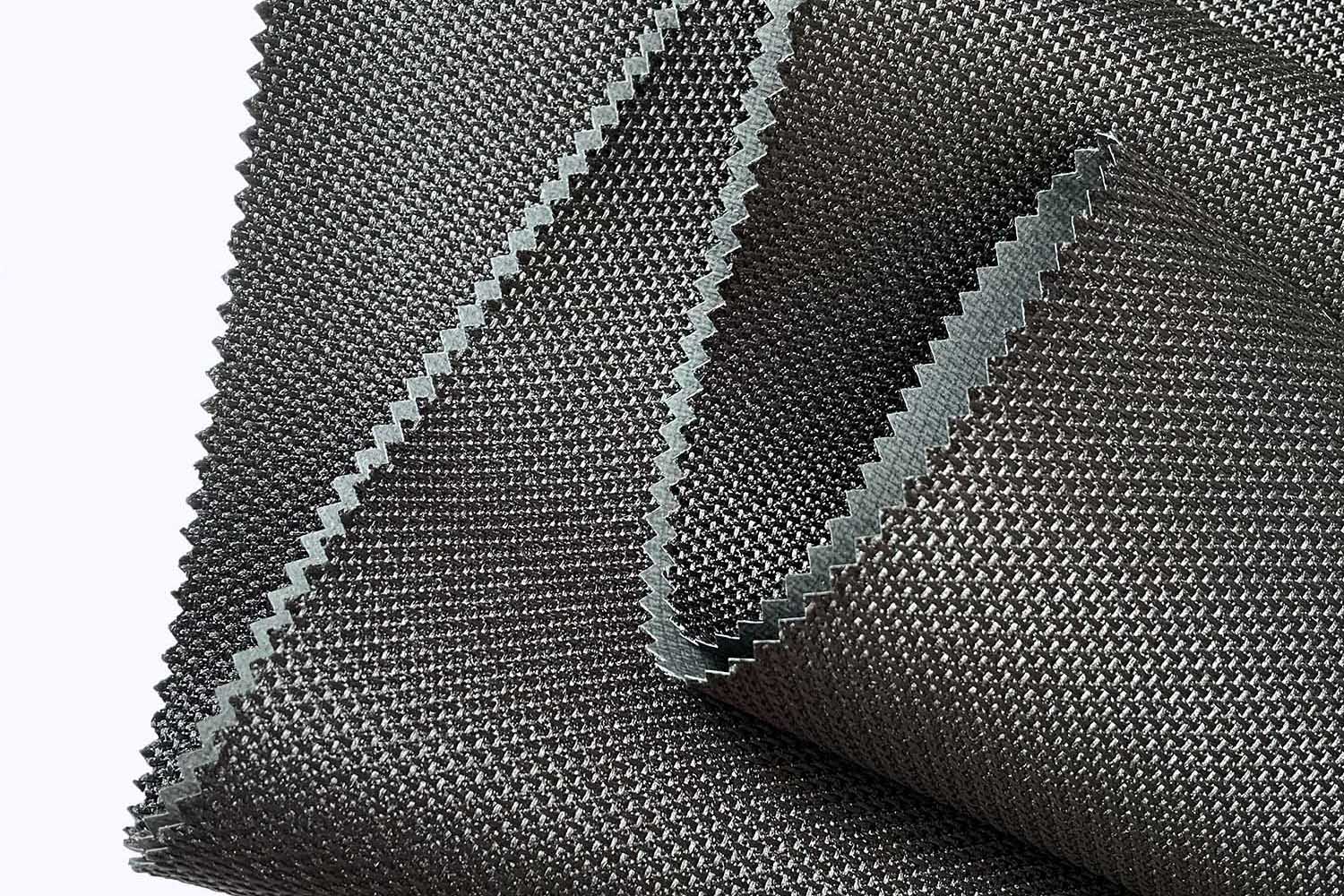
 600D PU-Coated Ripstop Oxford Fabric for Tent and Bag UseA 235gsm ripstop polyester Oxford with PU coating, offering a practical balance for tents and bags where puncture resistance and waterproofing matter.View Product →
Furniture, boat and equipment covers
Covers live outdoors permanently. That pushes you toward 600D and heavier, high UV stability, a 2000mm-plus backer and a colour that will not embarrass the customer in year three. 1680D at 3000mm is the kind of thing we recommend for marine and industrial covering.
 1680D PU-Coated Oxford Fabric with 3000mm Water ResistanceA heavy 1680D polyester Oxford with 3000mm PU coating, suited to climbing bags and high-wear areas needing durable water resistance.View Product →
Bags, packs and luggage
Bags are a wear problem more than a water problem. 420D and 600D with a PU backer cover most of the market, with 1680D at the base and corners where pavement meets fabric. If the product will be printed, choose a digital-print-ready base so the coating and the ink agree with each other.
Awnings, shade and pet products
Shade cloth and awnings care about UV and heat, sometimes more than about waterproofing, and a breathable weave can be better than a sealed one. Pet products need abrasion resistance plus something that wipes clean, which usually means a tight weave with a smooth PU face.
Recycled Content Without Compromise
Recycled polyester is no longer a novelty line item. We produce 100% RPET and 50% RPET oxford, with GRS certification available on selected articles, and in most constructions the physical performance sits within normal tolerance of virgin cloth. The honest caveats are colour consistency batch to batch and slightly higher cost. If a brand needs a recycled story, tell your mill early, because the recycled yarn has to be booked into the weaving plan rather than swapped in at coating.
Questions Worth Asking Before You Order
Whether you buy from us or anyone else, a few questions separate a smooth programme from a painful one.
- What is the actual hydrostatic head, tested on the finished cloth rather than the coating drum?
- Which test method and standard apply — ISO, ASTM or a customer protocol?
- What is the shrinkage after coating, and how does that affect my cut sizes?
- Can you supply a lab dip and a bulk sample from the same yarn lot?
- What is the minimum order per colour, and what is the lead time on a repeat?
- How is the roll packed, and what is the usable width edge to edge?
Answers to those six questions tell you more about a supplier than any catalogue. The rest is sampling.
Outdoor fabric is a chain of small decisions, and the good news is that none of them are mysterious once you know what each number controls. Start with the abuse the product will take, pick the lightest denier that survives it, choose a backer that matches the weather, then add only the finishes you can justify. Do that in order and you will spend less, ship faster, and hear far fewer complaints from the field two summers from now. If you are working through a specification and want a second opinion on denier or coating weight, our team is glad to talk it through.

 Tel: +86-571-22917799
 Fax: +86-571-82799678
 E-mail:
 Add: No.88 Yinxin Rd.,Yaqian Town,Hangzhou City, Zhejiang, China.