+86-571-22917799



 English
 简体中文
简体中文 русский
 Español
Content
- 1 Understanding Oxford Fabric And Its Composition
- 2 What Makes DTY Polyester Different From Other Yarns
- 3 Common Types Of Oxford Fabric
- 4 Key Properties Of DTY Polyester Oxford Fabric
- 5 Popular Applications And Uses
- 6 DTY Oxford Versus FDY Oxford: Which One To Choose
- 7 How To Care For Oxford Fabric Products
- 8 Choosing The Right Oxford Fabric Supplier
Understanding Oxford Fabric And Its Composition
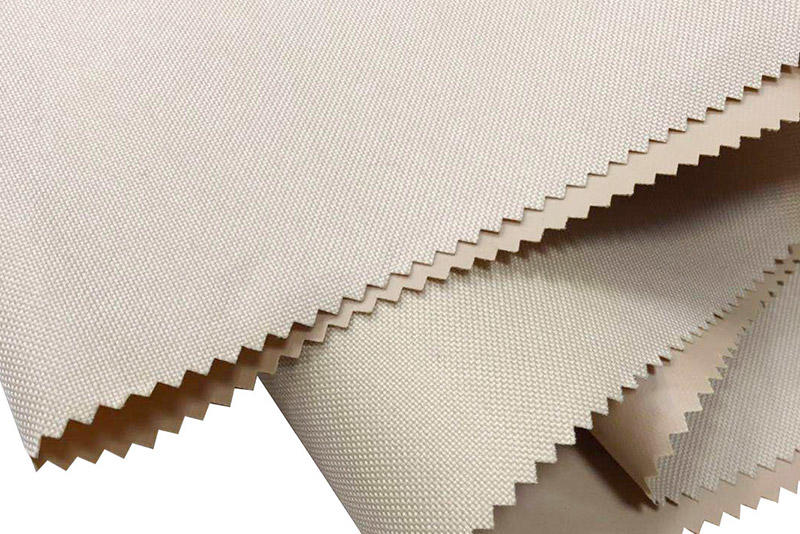
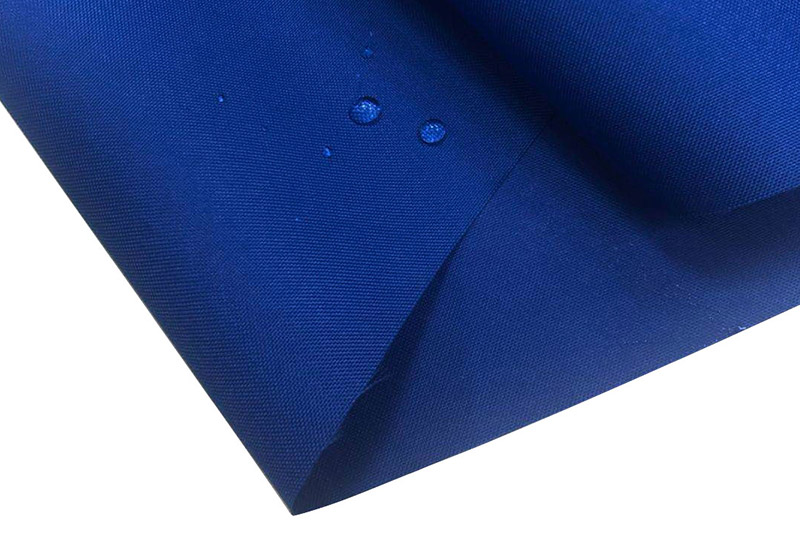
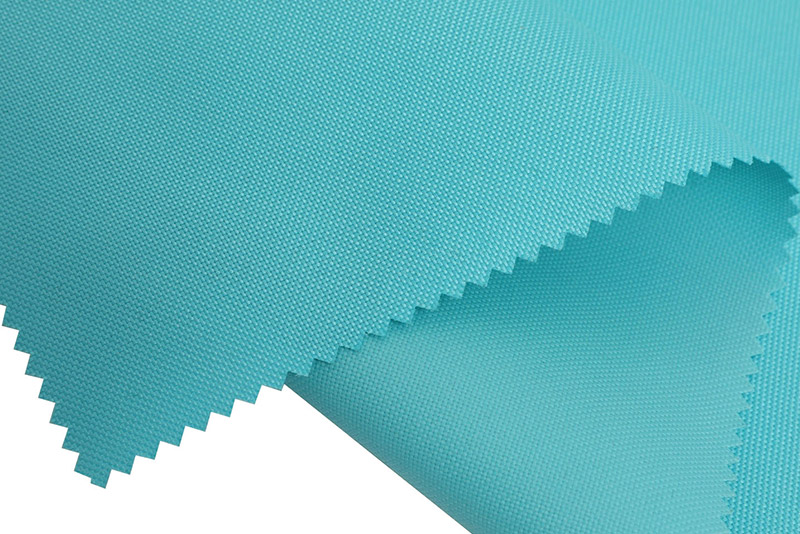
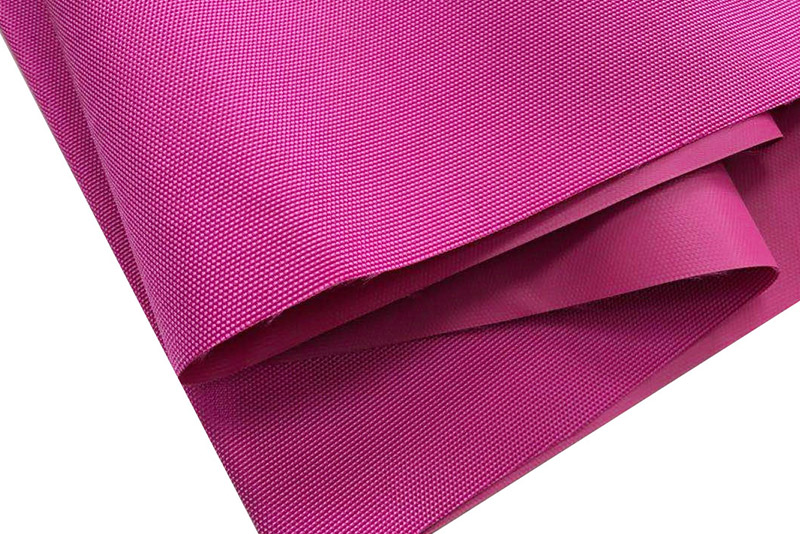
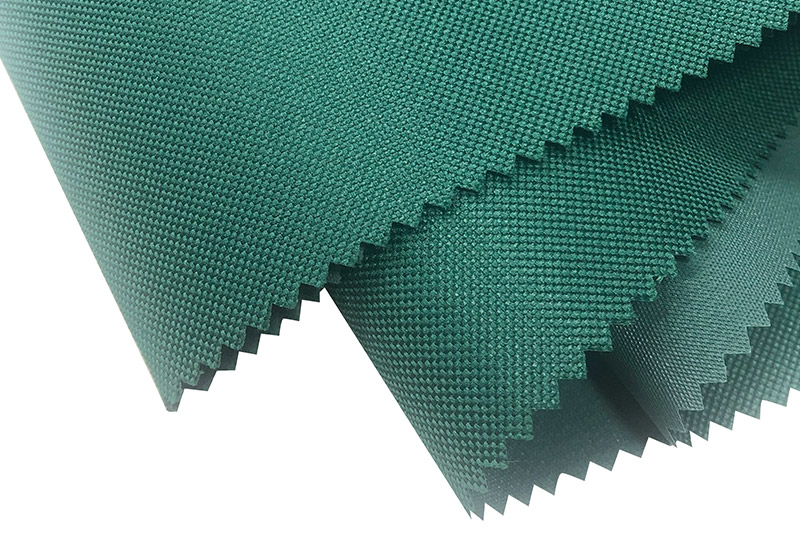
Oxford fabric is a woven textile originally developed for dress shirts but now used across a much wider range of products, from backpacks and tote bags to outdoor gear and home furnishings. The name comes from its distinctive basket-weave construction, in which two or more yarns are woven together as a single thread and then interlaced with a single weft yarn. This structure creates a fabric with a slightly textured surface, a soft hand feel, and noticeable durability compared to plain weave textiles of similar weight.
While Oxford fabric can be made from cotton, nylon, or blended fibers, polyester has become the dominant material in commercial production because it offers a strong balance of cost, strength, and easy maintenance. Among polyester yarn types, DTY (Draw Textured Yarn) polyester has emerged as a preferred choice for Oxford fabric manufacturing, particularly for applications that require a fabric with some stretch, bulk, and a soft, slightly matte finish.
What Makes DTY Polyester Different From Other Yarns
DTY polyester is produced by texturing polyester filament yarn through a process that adds crimp, loop, and bulk to what would otherwise be a smooth, straight filament. This texturing process changes the yarn's physical behavior in several important ways. First, it increases the yarn's bulk without significantly increasing its weight, which allows manufacturers to produce fabric with more coverage using less raw material. Second, it introduces a degree of elasticity and softness that flat polyester filament yarn does not have on its own.
When DTY polyester is woven into Oxford fabric, the result is a textile that retains the classic Oxford basket-weave texture while gaining a softer surface feel and slightly more give than fabric woven from flat yarn. This makes DTY polyester Oxford fabric especially suitable for products where comfort against the skin or slight flexibility in the material is beneficial, such as jacket linings, casual bags, and some furniture upholstery applications.
Common Types Of Oxford Fabric
Oxford fabric is not a single uniform product. Manufacturers vary the yarn count, weave density, and finishing treatments to create fabric suited to different end uses. Below are the most common variations found in the market today.
Plain Oxford
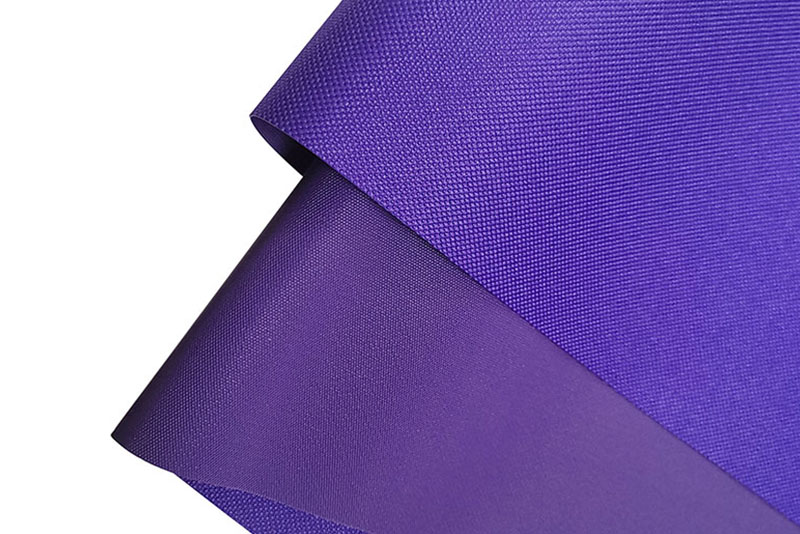
Plain Oxford uses a simple basket weave with a balanced yarn ratio in both the warp and weft directions. It produces a smooth, even surface and is typically lightweight, making it a common choice for shirting and lightweight bag linings.
Basketweave Oxford
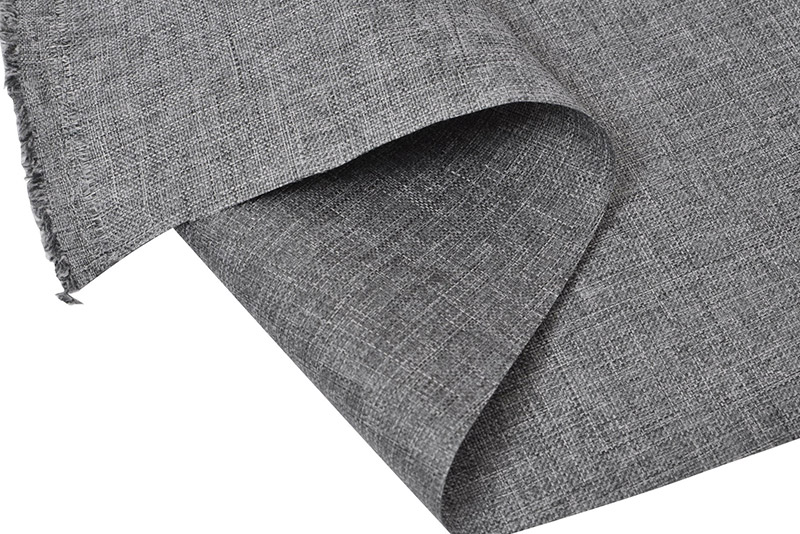
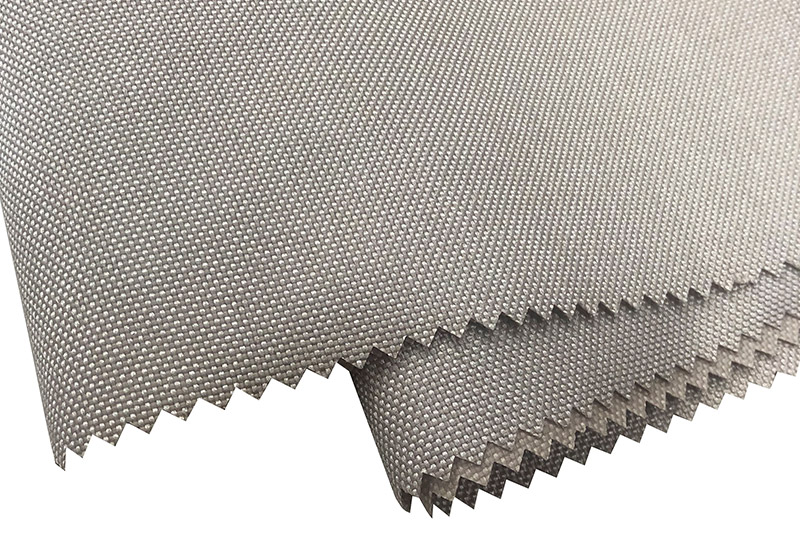
This variation intensifies the traditional Oxford texture by grouping multiple yarns together before weaving, creating a visibly checkered or basket-like pattern. It is heavier and more durable than plain Oxford, and is frequently used for bags, luggage, and outdoor equipment.
Twill Oxford
Twill Oxford combines the diagonal rib pattern of twill weaving with the yarn characteristics of Oxford fabric. This produces a fabric with strong abrasion resistance and a slightly glossy surface, often chosen for workwear and heavy-duty bags.
Pin Dot Oxford
Also known as pique Oxford in some markets, this type incorporates small raised dot patterns across the fabric surface. It is commonly used in polo shirts and casual apparel where breathability and a distinctive texture are desired.
| Oxford Type | Typical Weight | Common Use |
| Plain Oxford | Light | Shirting, linings |
| Basketweave Oxford | Medium to heavy | Bags, luggage |
| Twill Oxford | Heavy | Workwear, heavy bags |
| Pin Dot Oxford | Light to medium | Polo shirts, casualwear |
Key Properties Of DTY Polyester Oxford Fabric
DTY polyester Oxford fabric brings together the structural strength of the Oxford weave and the softness of textured yarn, resulting in a material with several practical advantages for manufacturers and end users alike.
- Good abrasion resistance due to the tight basket-weave construction, which helps the fabric withstand repeated friction and handling.
- Softer hand feel compared to fabric made from flat filament polyester, thanks to the texturing process used in DTY yarn production.
- Moderate stretch and recovery, which improves comfort in garments and reduces stiffness in bags and covers.
- Resistance to shrinking and wrinkling, making the fabric easier to maintain than many natural fiber alternatives.
- Lower moisture absorption than cotton, which speeds up drying time and reduces mildew risk in humid conditions.
- Consistent dyeing results, since polyester filament takes color evenly, supporting bright and long-lasting colorways.
Popular Applications And Uses
The combination of strength, softness, and cost efficiency has made DTY polyester Oxford fabric a common material choice across several industries.
- Backpacks, school bags, and travel luggage, where the fabric's abrasion resistance extends product lifespan under daily use.
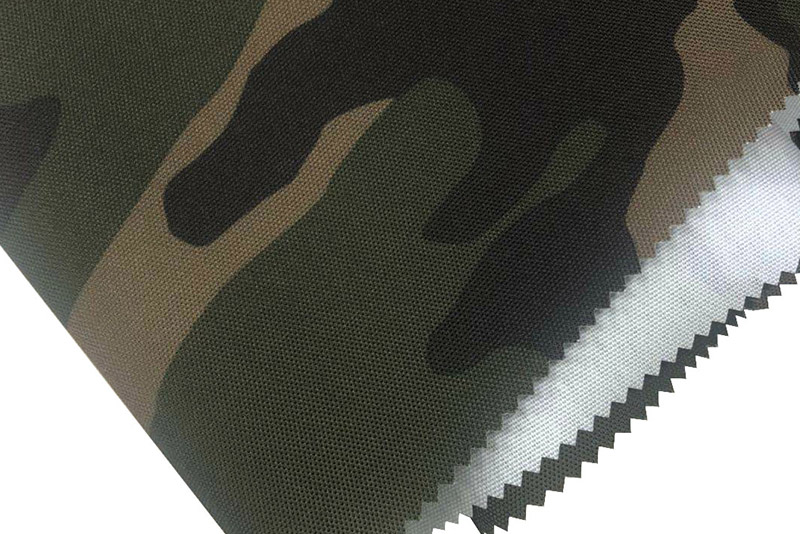
- Outdoor gear such as tents, tarps, and equipment covers, where water-resistant coatings can be applied to the base Oxford weave.
- Furniture and upholstery fabric, particularly for outdoor or patio furniture that benefits from fade and moisture resistance.
- Uniform and workwear production, where durability and easy-care properties reduce maintenance costs for businesses.
- Home textiles including curtains, cushion covers, and storage organizers, where the fabric's texture adds visual interest.
DTY Oxford Versus FDY Oxford: Which One To Choose
Buyers sourcing Oxford fabric often compare DTY (Draw Textured Yarn) polyester against FDY (Fully Drawn Yarn) polyester, since both are widely used in fabric production. Understanding the difference helps in selecting the right material for a specific product.
| Feature | DTY Polyester Oxford | FDY Polyester Oxford |
| Surface feel | Soft, textured | Smooth, glossy |
| Elasticity | Moderate stretch | Minimal stretch |
| Best suited for | Bags, apparel linings, upholstery | Rigid covers, technical fabrics |
| Cost | Generally lower | Slightly higher |
In general, DTY polyester Oxford fabric is the better choice when softness, comfort, and cost efficiency are priorities, while FDY polyester Oxford is preferred when a smoother, more rigid surface is required, such as in technical outerwear or structured cases.
How To Care For Oxford Fabric Products
Because DTY polyester Oxford fabric is synthetic, it responds differently to washing and cleaning than natural fiber textiles. Most products made from this fabric can be cleaned with a damp cloth or mild detergent, and machine washing on a cool, gentle cycle is generally safe for items such as bags and covers that do not have complex structural components.
High heat should be avoided during both washing and drying, since polyester fibers can lose shape or develop a glazed surface when exposed to excessive temperatures. Air drying is recommended for most Oxford fabric products, particularly those with waterproof or water-resistant coatings, as tumble drying can degrade these finishes over time. For items with printed logos or laminated backing, spot cleaning is often the safer option to preserve both the fabric and any applied coatings.
Choosing The Right Oxford Fabric Supplier
When sourcing DTY polyester Oxford fabric for manufacturing, several factors should guide the selection process beyond price alone. Yarn denier and weave density directly affect fabric weight and durability, so buyers should request specifications and, where possible, physical samples before committing to bulk orders. Coating options, such as PU or PVC backing, should also be discussed if the finished product requires water resistance.
Testing for colorfastness, tensile strength, and tear resistance is particularly important for products that will see heavy use, such as bags and outdoor equipment. Working with suppliers who provide consistent quality control documentation and clear technical data sheets helps reduce the risk of inconsistent batches, which can affect both product performance and brand reputation over time.
Overall, DTY polyester Oxford fabric remains a practical and versatile material choice across many product categories. Its blend of durability, softness, and manageable cost makes it a dependable option for manufacturers looking to balance performance with production efficiency.

 Tel: +86-571-22917799
 Fax: +86-571-82799678
 E-mail:
 Add: No.88 Yinxin Rd.,Yaqian Town,Hangzhou City, Zhejiang, China.