+86-571-22917799



 English
 简体中文
简体中文 русский
 Español
Content
Introduction to Recycled Polyester Fabric
Recycled polyester fabric is gaining recognition in sustainable fashion and home textiles. Derived from post-consumer plastic bottles and industrial polyester waste, this fabric reduces environmental impact by conserving resources and minimizing waste. Its versatile properties make it a suitable alternative to virgin polyester while promoting circular economy principles in the textile industry.
Environmental Benefits of Recycled Polyester
One of the main advantages of recycled polyester is its positive environmental impact. By reusing plastic waste, it reduces landfill accumulation and lowers the demand for petroleum-based raw materials. Additionally, recycled polyester production generally consumes less energy and emits fewer greenhouse gases compared to traditional polyester, making it a more eco-conscious choice for manufacturers and consumers.
Energy and Resource Efficiency
Producing recycled polyester consumes approximately 30-50% less energy than virgin polyester. This is due to bypassing the initial polymer synthesis from petroleum, allowing manufacturers to focus on melting, extrusion, and spinning processes. Reduced energy use directly translates into fewer carbon emissions and a lower ecological footprint.
Waste Reduction and Circular Economy
By converting plastic bottles and industrial scrap into high-quality fibers, recycled polyester promotes circularity in the textile industry. Instead of contributing to plastic pollution, these materials are transformed into valuable fabrics, supporting the principles of reduce, reuse, and recycle in sustainable manufacturing practices.
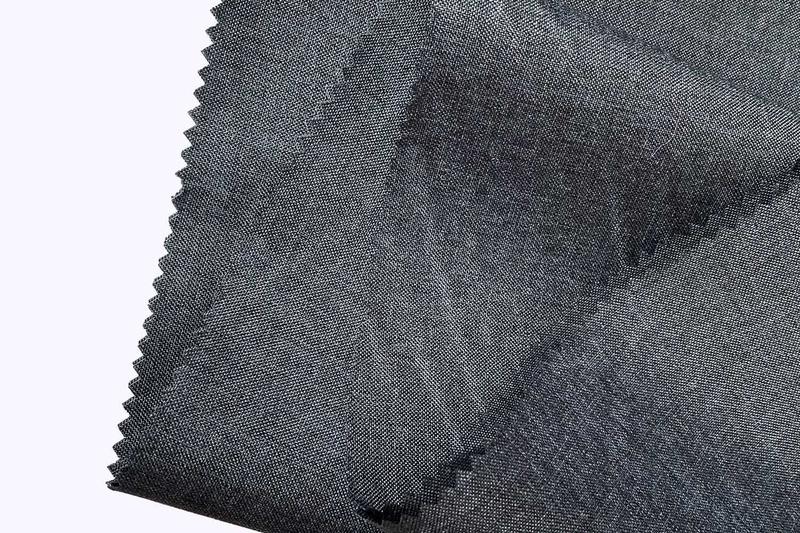
Applications in Sustainable Fashion
Recycled polyester fabric is widely used in clothing, ranging from casual wear to performance sportswear. Its properties such as durability, color retention, and moisture-wicking capabilities make it an excellent material for sustainable fashion collections.
Casual and Everyday Wear
Recycled polyester can be blended with natural fibers like cotton or bamboo to create comfortable and stylish casual wear. These blends provide softness and breathability while maintaining the environmental advantages of using recycled materials.
Activewear and Performance Apparel
In activewear, recycled polyester excels due to its lightweight and moisture-wicking features. Many brands now integrate recycled polyester into leggings, jackets, and sports bras, offering consumers high-performance clothing with reduced environmental impact.
Use in Home Textiles
Beyond fashion, recycled polyester is increasingly used in home textiles. Its durability, stain resistance, and easy maintenance make it suitable for bedding, curtains, upholstery, and decorative fabrics.
Bedding and Linens
Recycled polyester blends in bed sheets, pillowcases, and duvet covers provide softness and longevity. Consumers benefit from fabrics that maintain their appearance and performance after multiple washes, all while contributing to sustainability goals.
Curtains and Upholstery
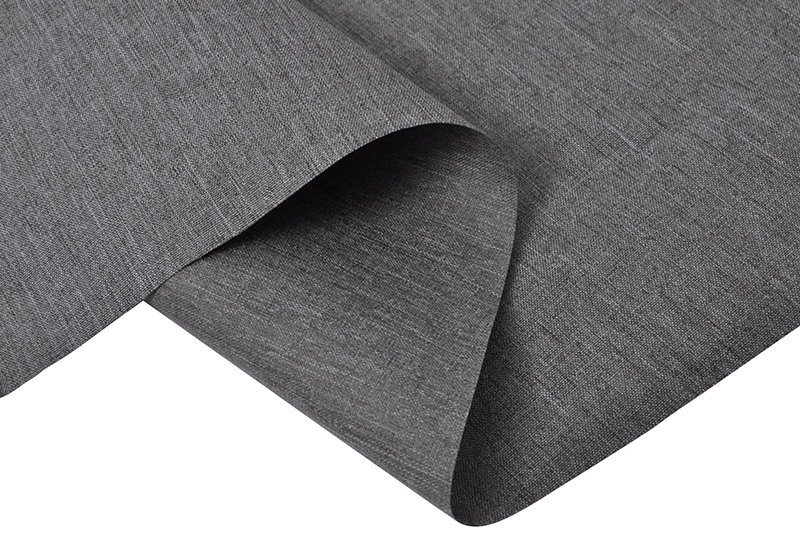
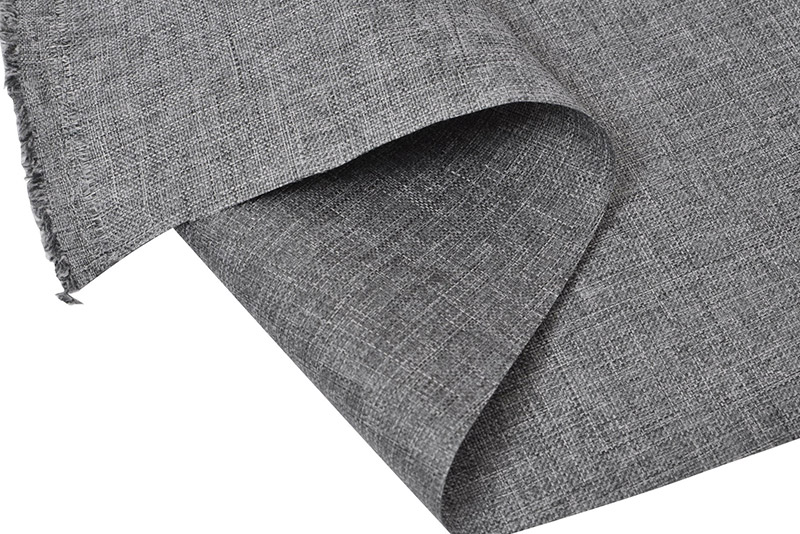
Polyester microfiber and jacquard fabrics made from recycled polyester are ideal for curtains and upholstery. They resist fading, wrinkles, and wear, ensuring that home textiles remain functional and stylish over time. Using recycled materials reduces the environmental footprint of these products.
Quality and Performance Considerations
While recycled polyester offers sustainability benefits, manufacturers must ensure that quality standards are maintained. Advanced recycling technologies, such as mechanical and chemical recycling, help produce fibers with consistent strength, uniformity, and colorfastness suitable for both fashion and home applications.
Mechanical vs. Chemical Recycling
Mechanical recycling involves shredding and melting plastic waste into fibers, which can retain some impurities affecting texture. Chemical recycling breaks down polymers into monomers before repolymerization, producing higher-quality fibers suitable for premium textiles.
Durability and Care
Recycled polyester fabrics are generally strong, resistant to stretching and shrinking, and maintain color after repeated washing. Proper care includes washing with mild detergents, avoiding high heat, and gentle tumble drying, which prolongs the fabric's lifespan and maintains sustainability advantages.
Consumer Awareness and Adoption
The adoption of recycled polyester fabrics depends on consumer awareness and demand. Educating buyers about the environmental benefits, durability, and versatility of recycled fabrics encourages sustainable purchasing decisions and supports eco-friendly brands in expanding their offerings.
Sustainable Fashion Branding
Brands emphasizing transparency in their supply chains and promoting recycled materials can attract environmentally conscious consumers. Labels, certifications, and marketing campaigns highlighting recycled polyester use enhance trust and encourage adoption.
Home Textile Market Trends
Consumers are increasingly seeking sustainable home textiles. Recycled polyester products align with trends favoring eco-friendly materials without compromising style, comfort, or performance, boosting demand for sustainable interior solutions.
Challenges and Future Outlook
Despite its benefits, recycled polyester faces challenges including quality consistency, cost competitiveness, and limited awareness among some manufacturers. However, technological advancements and growing consumer demand indicate strong potential for widespread adoption in both fashion and home textiles.
Technological Improvements
Innovations in recycling processes, fiber spinning, and fabric finishing are enhancing the performance of recycled polyester. These improvements allow high-quality fabrics that rival virgin polyester in aesthetics and functionality.
Market Expansion
The increasing focus on sustainable consumption and production practices in the textile industry is driving market growth. Recycled polyester fabric is poised to become a mainstream material in eco-conscious fashion lines and home textile collections worldwide.
Conclusion
Recycled polyester fabric is a versatile, durable, and environmentally responsible material suitable for both sustainable fashion and home textiles. Its benefits in reducing waste, conserving resources, and providing quality performance make it an ideal choice for brands and consumers seeking eco-friendly solutions. With technological advancements and increasing consumer awareness, recycled polyester will continue to play a pivotal role in shaping a more sustainable textile industry.

 Tel: +86-571-22917799
 Fax: +86-571-82799678
 E-mail:
 Add: No.88 Yinxin Rd.,Yaqian Town,Hangzhou City, Zhejiang, China.