+86-571-22917799



 English
 简体中文
简体中文 русский
 Español
Content
- 1 What Makes a Fabric Right for Bags?
- 2 The Core Families of Bag Fabric
- 3 Why Oxford Fabric Dominates Bag Making
- 4 Coatings, Backings, and Finishes
- 5 How to Match Fabric to the Bag Type
- 6 Denier, Weight, and Hand Feel: A Quick Guide
- 7 Sustainability and Recycled Bag Fabrics
- 8 Quality Checks Before You Order
Hello, and welcome to our fabric workshop. If you make bags, backpacks, or outdoor gear, you already know that the fabric you choose shapes everything—from the feel of the final product to how long it survives real use. At Hangzhou Gaoshi Luggage Textile, we have been weaving and coating polyester Oxford fabrics since 2002, and we have watched bag fabric trends come and go. In this guide, we will share practical, field-tested knowledge about bag fabrics, so you can make a more confident choice for your next collection.
What Makes a Fabric Right for Bags?
A good bag fabric is not just strong. It must balance abrasion resistance, tear strength, water repellency, colorfastness, weight, and cost. The best choice depends on whether the bag will carry books, tools, camera gear, or camping equipment. Here are the properties we look at first:
- Abrasion resistance: how well the surface resists rubbing against shelves, floors, and clothing.
- Tear strength: resistance to ripping once a cut or puncture starts.
- Water resistance: coatings or tight weaves that keep rain and spills out.
- Dimensional stability: fabric that will not stretch or shrink during cutting and sewing.
- Colorfastness: ability to hold color through sunlight, washing, and friction.
- Weight and hand feel: the right balance between durability and comfort.
The Core Families of Bag Fabric
Most bags are made from a small group of woven fabrics. Understanding their strengths helps you narrow the field quickly.
Oxford and Polyester Wovens
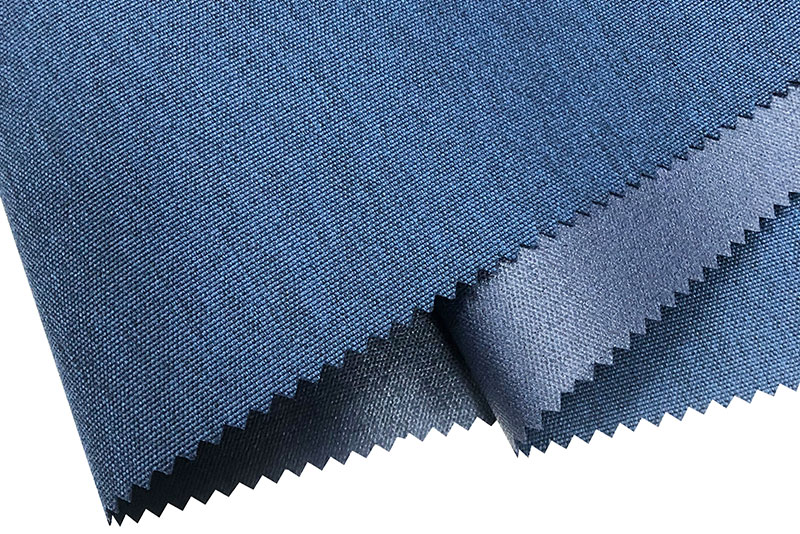
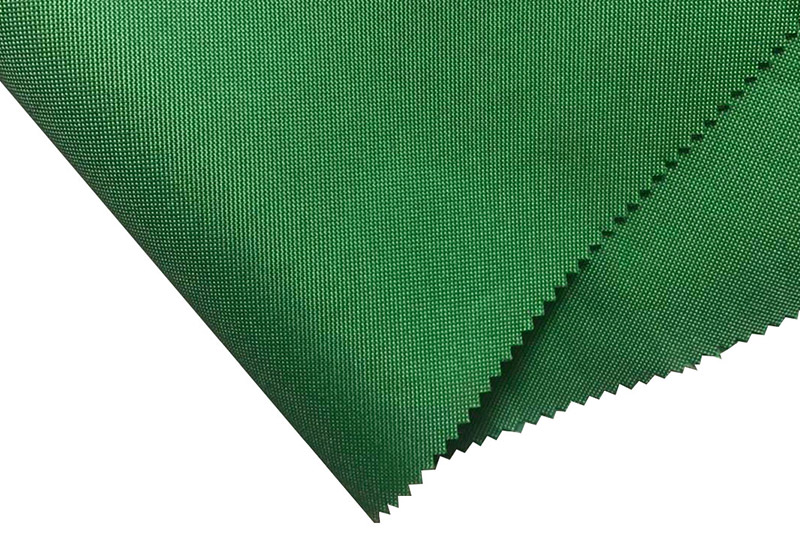
Oxford cloth is a basket-weave fabric, usually made from polyester or nylon. It is the backbone of the bag industry because it offers an excellent strength-to-weight ratio, takes coatings well, and can be printed or dyed in almost any color. You will often see it in 210D, 300D, 420D, 600D, 840D, 900D, and 1680D.
Nylon and Cordura-Style Fabrics
Nylon is naturally strong and abrasion-resistant, and it feels softer than polyester at the same denier. Cordura-style fabrics push that performance further and are popular for technical backpacks, luggage, and motorcycle gear.
Canvas and Heavy Twills
Canvas is a plain-weave cotton or cotton-blend fabric. It has a natural look, excellent hand feel, and good durability, though it is heavier and less water-resistant unless treated. Denim and duck cloth are close cousins used in tote bags and casual packs.
Specialty and Sustainable Options
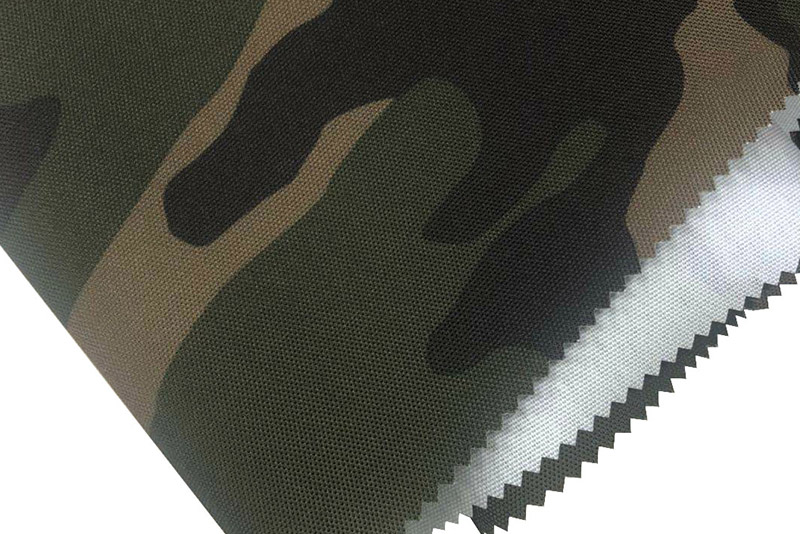
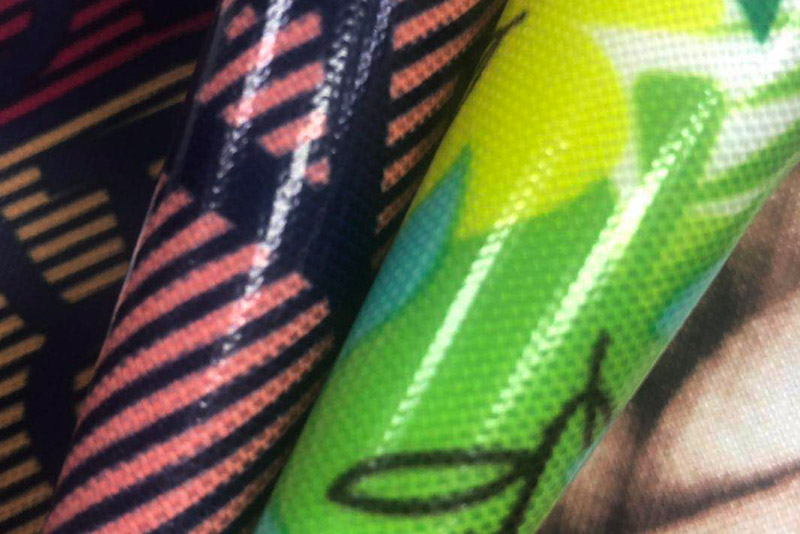
Beyond the classics, bag makers use ripstop fabrics, jacquard weaves, two-tone Oxford, recycled PET, and even bio-based coatings. These options solve specific problems: ripstop stops tears, jacquard adds texture, and recycled PET supports sustainability goals.
Why Oxford Fabric Dominates Bag Making
If you look at backpacks, trolley bags, and school bags, Oxford fabric appears again and again. It is cost-effective, durable, and easy to work with. A 600D Oxford fabric, for example, is a sweet spot for many everyday bags: heavy enough to resist wear, yet light enough to keep the bag comfortable. For more rugged use, 840D and 1680D versions add extra toughness.
The real magic, however, is in the finishing. A plain Oxford weave can become waterproof, flame-retardant, anti-static, or UV-resistant with the right coating and treatment. That is why we always ask our customers about the bag's end use before recommending a specification. You can explore our 600D Oxford fabric range to see typical constructions and weights.
Coatings, Backings, and Finishes
The base weave is only half the story. Coatings and backings determine how a bag fabric performs in the real world.
PU Coating
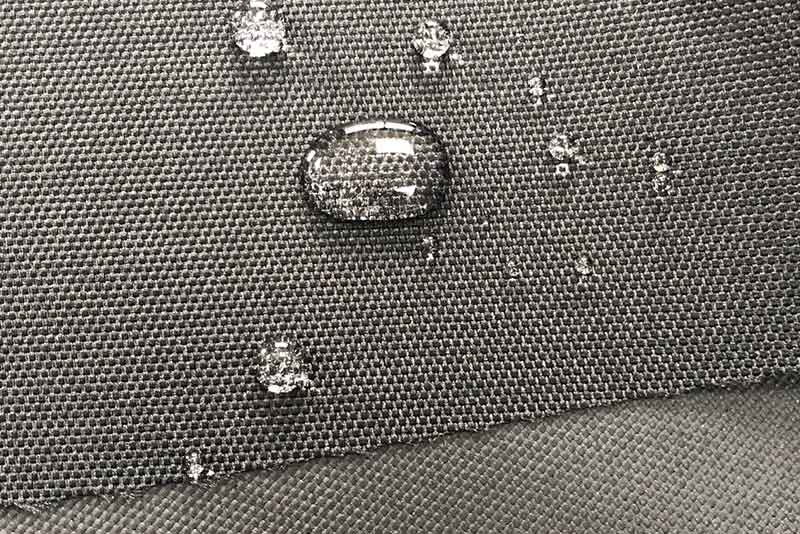
Polyurethane coating is flexible, lightweight, and can be applied at different thicknesses to reach water pressure ratings such as 1000mm, 1500mm, or 3000mm. It is common on backpacks, laptop bags, and outdoor covers. A well-made PU coating keeps the fabric breathable enough for comfort while blocking rain.
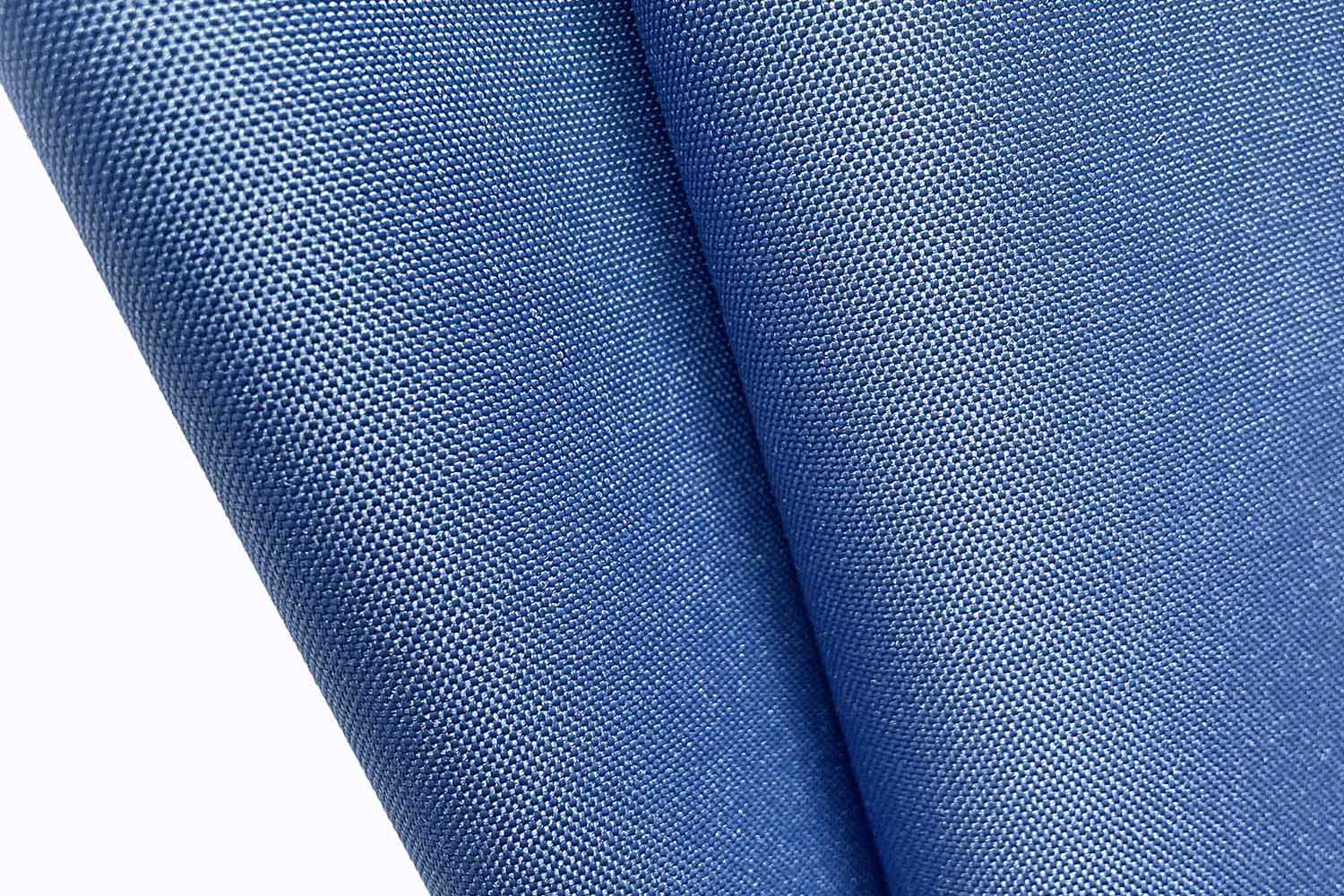 60060090T Waterproof With 1500MM PU CoatedView Product →
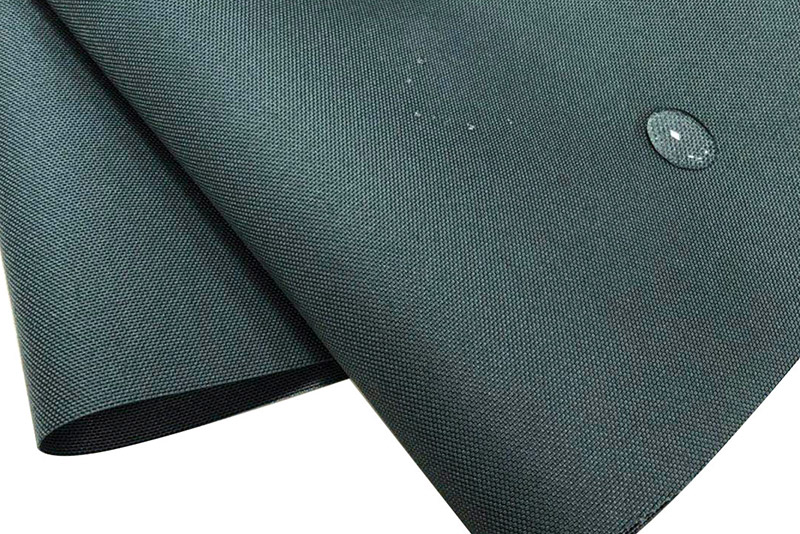
For example, our 600D x 600D 90T PU-coated Oxford with a 1500mm water pressure rating is a reliable choice for daypacks and travel bags.
PVC Coating
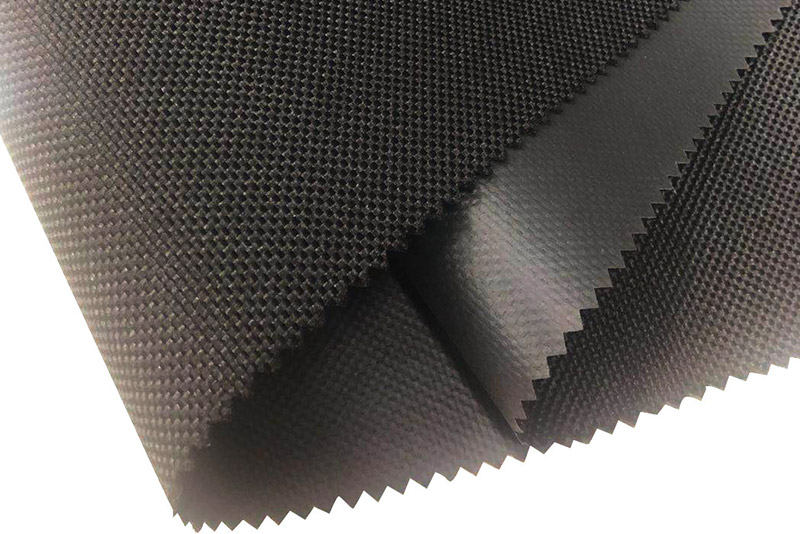
PVC coating is thicker, more rigid, and extremely water-resistant. It is often used for heavy-duty luggage, tool bags, and tarpaulins. PVC-backed fabrics can be welded or stitched, and they hold their shape well.
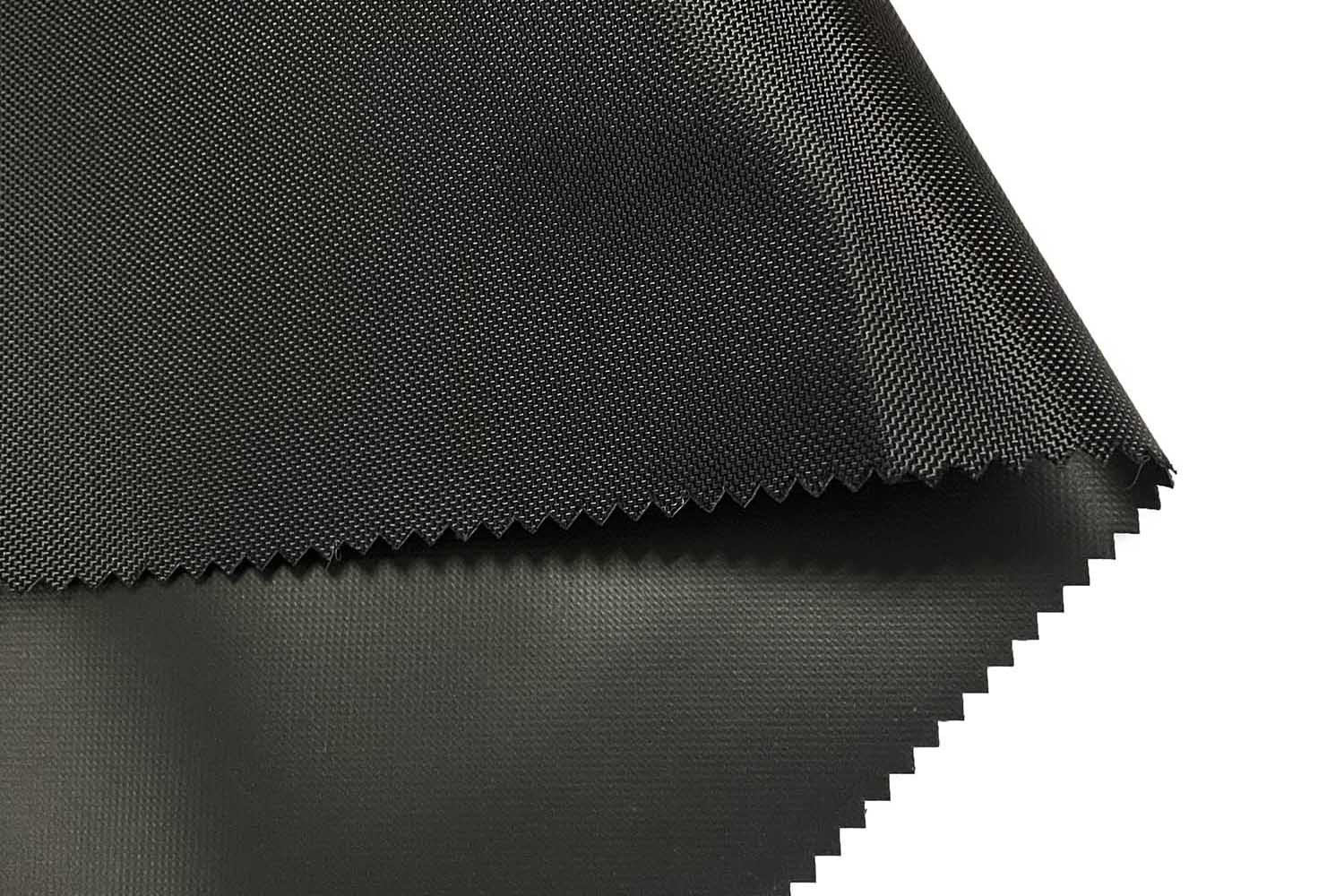 840D PVC-Coated Polyester Oxford Fabric for Heavy-Duty BagsA thick, water-resistant 840D Oxford with PVC backing, suited for durable luggage, tool bags, and tarpaulins where wipe-clean strength matters.View Product →
A 840D PVC-coated Oxford, for instance, offers a tough, wipe-clean surface for demanding bag applications.
TPE and PE/PEVA Coatings
TPE and PE/PEVA are more environmentally friendly alternatives to traditional PVC. They are lightweight, flexible, and free from some of the plasticizers that concern brands today. These coatings are increasingly popular for cooler bags, cosmetic bags, and children's products.
Specialty Finishes
Beyond waterproofing, we can add anti-bacterial, anti-static, oil-repellent, flame-retardant, and UV-resistant finishes. Each finish is developed for a specific environment, such as medical bags, industrial tool bags, or outdoor furniture covers.
How to Match Fabric to the Bag Type
Use this table as a starting point. It reflects common industry practice, but every project deserves its own testing.
| Bag Type | Recommended Fabric | Typical Denier | Common Coating | Key Benefit |
|---|---|---|---|---|
| Everyday backpack | Oxford polyester | 300D-600D | PU | Lightweight durability |
| School bag | Oxford or jacquard | 600D-900D | PU or PVC | Abrasion resistance |
| Travel luggage | Oxford or nylon | 840D-1680D | PVC or PU | Heavy-duty strength |
| Tote bag | Canvas or Oxford | 10oz-16oz / 600D | None or PU | Natural look or easy care |
| Outdoor gear | Ripstop or Cordura-style | 210D-500D | PU or silicone | Tear resistance |
| Cooler bag | PE/PEVA or TPE | 300D-500D | PE/PEVA/TPE | Food-safe, waterproof |
| Industrial cover | Heavy polyester | 1000D-1680D | PVC or TPE | Weather and tear resistance |
Denier, Weight, and Hand Feel: A Quick Guide
Denier (D) measures the linear density of the yarn. Higher denier generally means a thicker, stronger, and heavier fabric. But it is not the only factor. Weave structure, thread count, and coating add their own effects.
- 210D-300D: Lightweight linings, pouches, and ultralight daypacks.
- 420D-600D: The most versatile range for everyday backpacks and school bags.
- 840D-900D: Rugged luggage, tool bags, and outdoor equipment.
- 1000D-1680D: Maximum abrasion resistance for heavy-duty and tactical use.
Hand feel matters, too. A soft PU coating feels comfortable against the body, while a stiff PVC backing gives structure. If you are unsure, ask for a sample card and compare the fabrics side by side.
Sustainability and Recycled Bag Fabrics
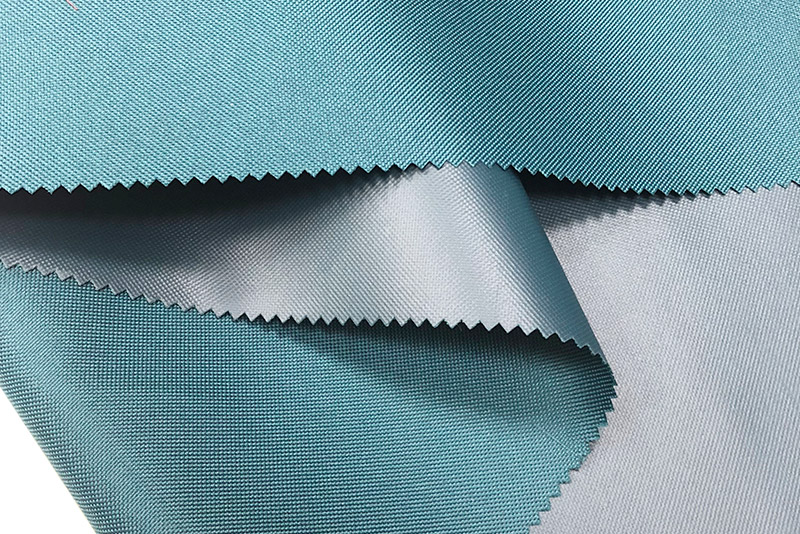
More brands are asking for recycled content, and the technology has matured. Recycled PET (RPET) fabric is made from post-consumer plastic bottles and can match the performance of virgin polyester in many bag applications. Our recycled PET fabric options include 100% RPET and 50% RPET constructions, some with GRS certification.
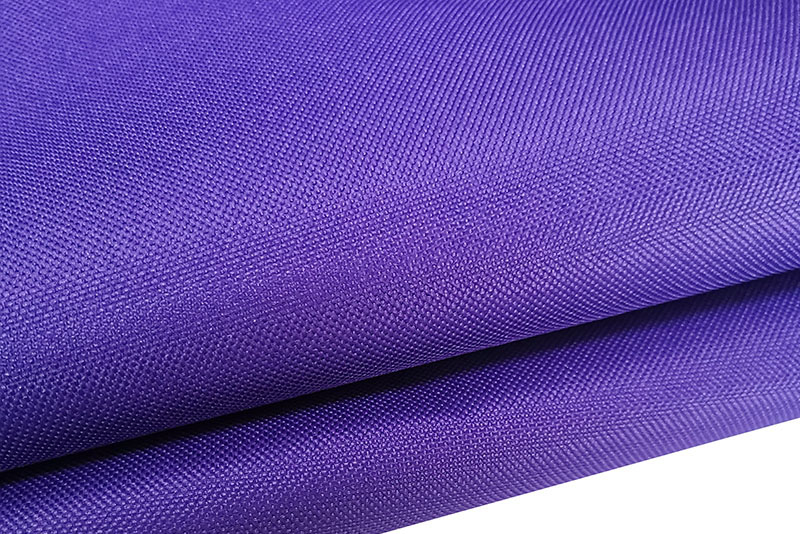 Eco-Friendly Recycled PET Oxford Fabric with GRS CertificateA 500D recycled polyester Oxford with PVC backing and GRS certification, offering durable, eco-conscious material for bag applications.View Product →
Choosing recycled fabric is not just about marketing. It reduces landfill waste and can help you meet customer expectations without sacrificing durability.
Quality Checks Before You Order
When you source bag fabric in bulk, a few simple checks can prevent costly surprises.
- Confirm the denier, thread count, and weave structure.
- Ask for water pressure and abrasion test reports.
- Check colorfastness to light, washing, and rubbing.
- Review coating adhesion after folding and creasing.
- Verify environmental certificates if recycled content is required.
- Request a pre-production sample and test it on your actual sewing line.
These steps are standard in our own production, and they are especially important for international orders where rework is expensive.
Whether you are developing a new backpack, refreshing a luggage line, or looking for a more sustainable bag fabric, we are happy to share what we have learned. With our own yarn, weaving, printing, and coating equipment, we can help you move from an idea to a production-ready fabric. Feel free to reach out—we would love to hear about your project.

 Tel: +86-571-22917799
 Fax: +86-571-82799678
 E-mail:
 Add: No.88 Yinxin Rd.,Yaqian Town,Hangzhou City, Zhejiang, China.