+86-571-22917799



 English
 简体中文
简体中文 русский
 Español
Content
- 1 What Is Oxford Fabric and How Is It Constructed?
- 2 The Main Types of Oxford Fabric Available Today
- 3 Key Properties That Make Oxford Fabric Suitable for Garments
- 4 Why Oxford Fabric Is Essential for Garment Applications
- 5 Specific Garment Applications Where Oxford Fabric Excels
- 6 Functional Finishes That Extend Oxford Fabric's Performance
- 7 Practical Guidance for Sourcing Oxford Fabric for Garment Production
- 8 Oxford Fabric's Continuing Relevance in Modern Garment Design
What Is Oxford Fabric and How Is It Constructed?
Oxford fabric is a category of woven textile distinguished by its basket-weave structure, in which two or more weft yarns are woven over and under a single warp yarn in an alternating pattern that produces a characteristic checkered or basketwork surface texture. This construction gives Oxford fabric its defining combination of visual interest, structural solidity, and surface durability that has made it a staple in both apparel and technical textile applications for well over a century. The name derives from the Oxford shirt — a classic menswear garment originally associated with the prestigious British university — though the fabric itself is now produced globally and used far beyond dress shirts.
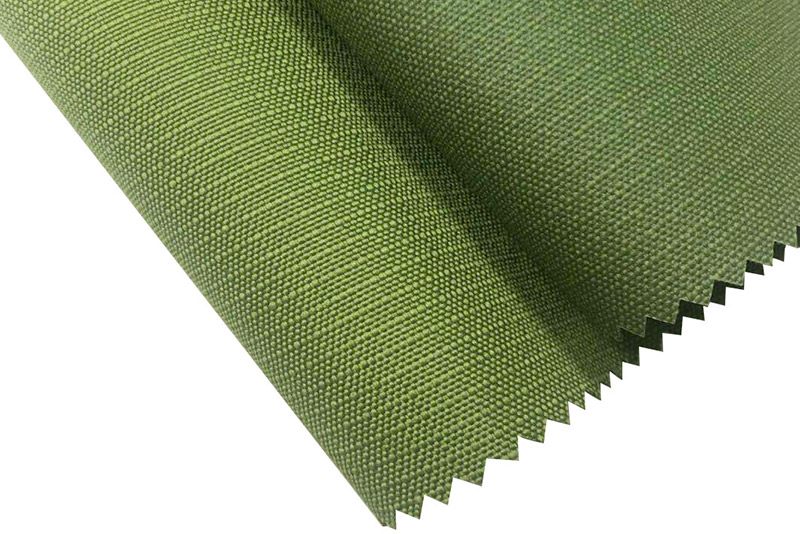
The weave structure of Oxford fabric creates a slightly textured, matte surface that is visually distinct from plain-weave or twill-weave fabrics of similar weight. The interlocking of doubled or grouped yarns produces a fabric that holds its shape reliably, resists abrasion, and maintains a professional appearance through repeated wear and washing. Modern Oxford fabrics are produced in a wide range of fiber types — from traditional cotton to high-tenacity polyester and nylon — and in weights spanning from lightweight shirt fabrics to heavy-duty technical textiles used in bags, workwear, and outdoor apparel.
The Main Types of Oxford Fabric Available Today
Oxford fabric is not a single standardized product but a broad family of related textiles that share the same foundational weave structure while differing significantly in fiber content, weight, yarn type, and finish. Understanding the main variants helps buyers and designers select the most appropriate type for their specific garment or product application.
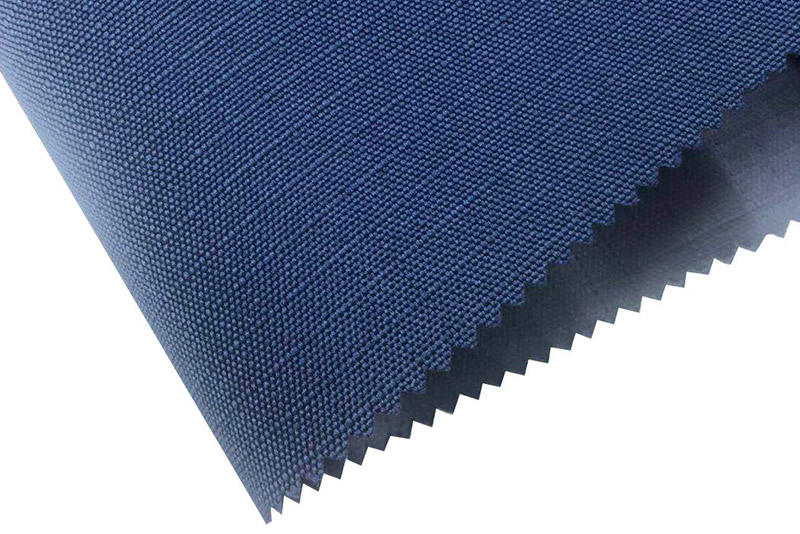
Cotton Oxford
Cotton Oxford is the original and most traditional form of the fabric. It uses combed or carded cotton yarns in a basket weave to produce a soft, breathable textile with a subtle surface texture. Classic Oxford shirting fabric typically weighs between 100gsm and 140gsm and has a fine, regular basketwork pattern. Pinpoint Oxford, a finer variant, uses two-ply yarns of smaller diameter to produce a denser, smoother surface with a more refined appearance suitable for formal shirts and dress occasions. Cotton Oxford is prized for its natural feel, moisture absorption, and comfort in warm conditions, making it the fabric of choice for casual and smart-casual shirts across global menswear and womenswear markets.
Polyester Oxford
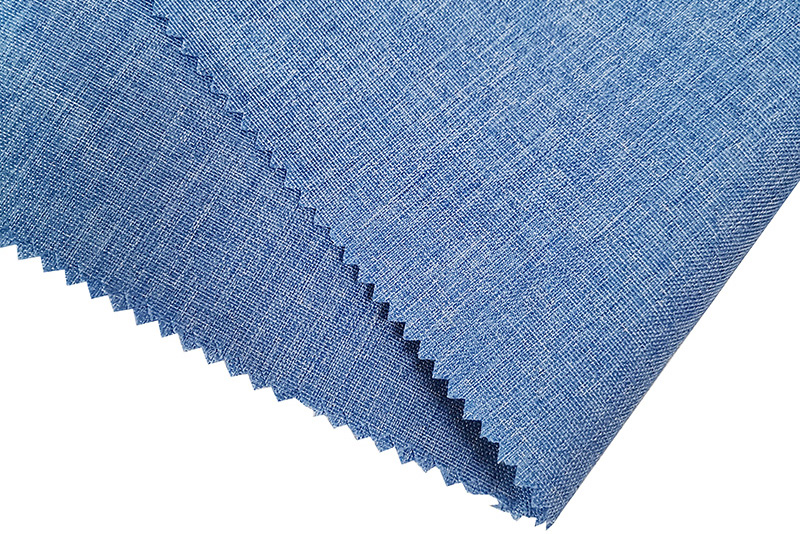
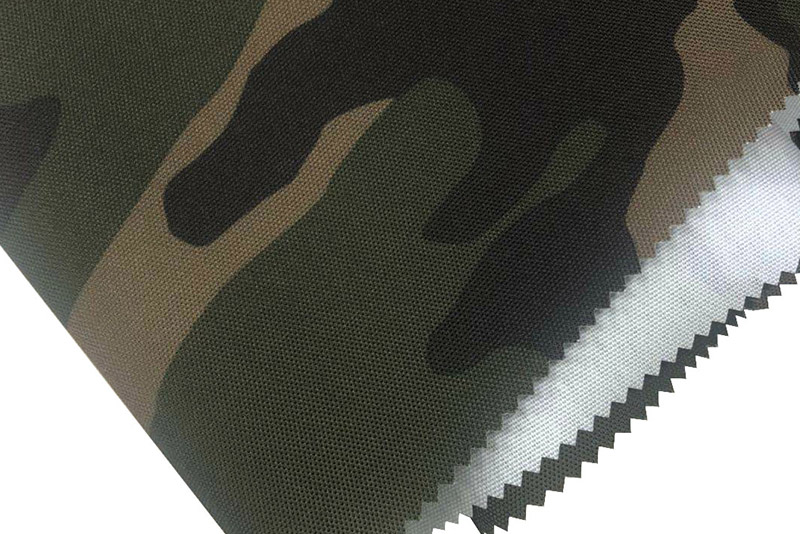
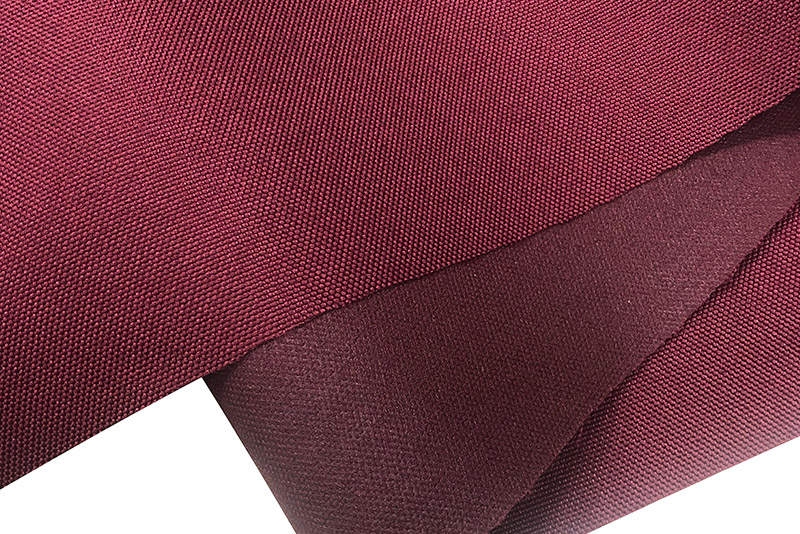
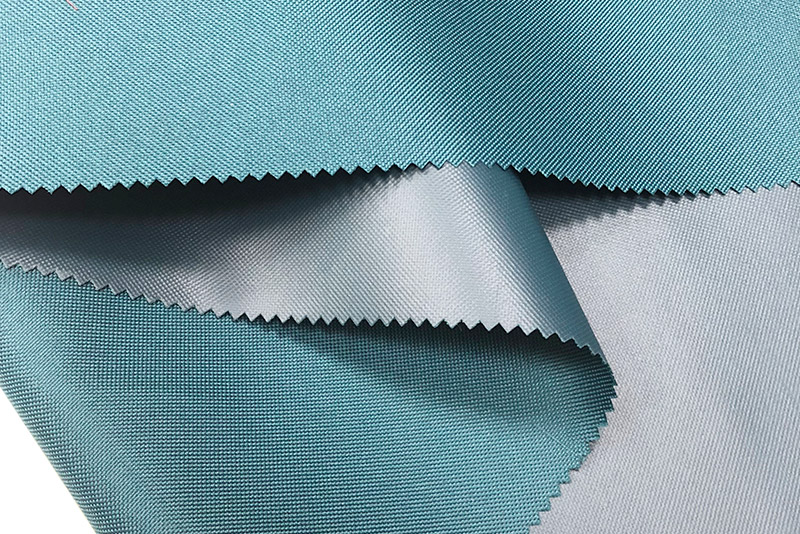
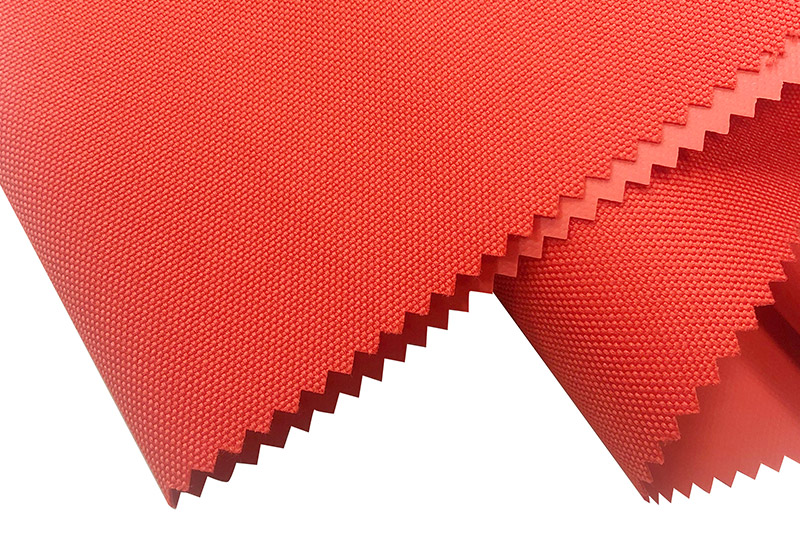
Polyester Oxford fabric uses high-tenacity polyester filament yarns woven in the basket structure to produce a fabric that is significantly stronger and more abrasion-resistant than its cotton counterpart. It is available in a wide range of weights, typically from 75D to 600D (denier), where higher denier values indicate thicker, heavier yarns and a more robust fabric. Lightweight polyester Oxford (150D–300D) is commonly used for outdoor jackets, windbreakers, and casual garments where water resistance and durability are required alongside manageable weight. Heavier polyester Oxford (420D–600D) transitions into bag and accessory territory, used for backpacks, luggage, tool bags, and protective covers.
Nylon Oxford
Nylon Oxford shares the structural characteristics of polyester Oxford but uses nylon filament yarns, which offer superior abrasion resistance, higher tensile strength, and better flex fatigue resistance than equivalent polyester. Nylon Oxford is lighter for a given strength level, making it the preferred choice for high-performance outdoor apparel, technical packs, and military or tactical garments where weight savings and extreme durability are both required. Its primary trade-offs are higher cost compared to polyester and lower UV resistance over long-term outdoor exposure.
PU-Coated and Laminated Oxford
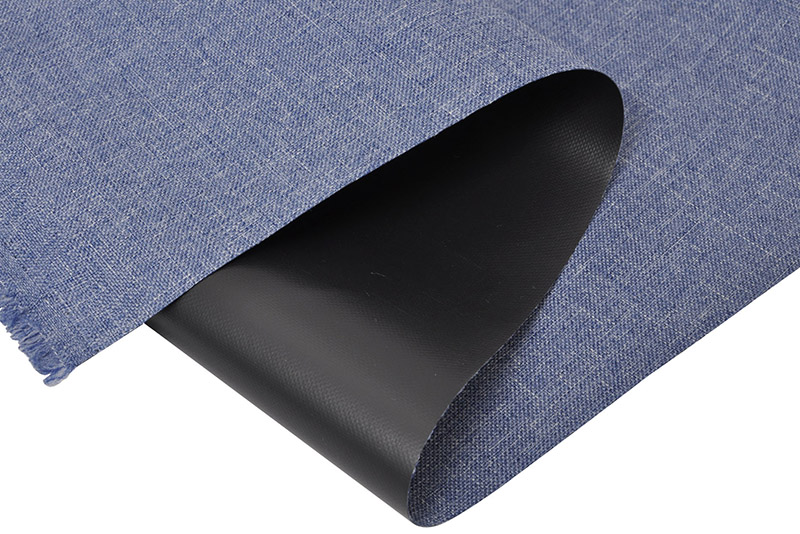
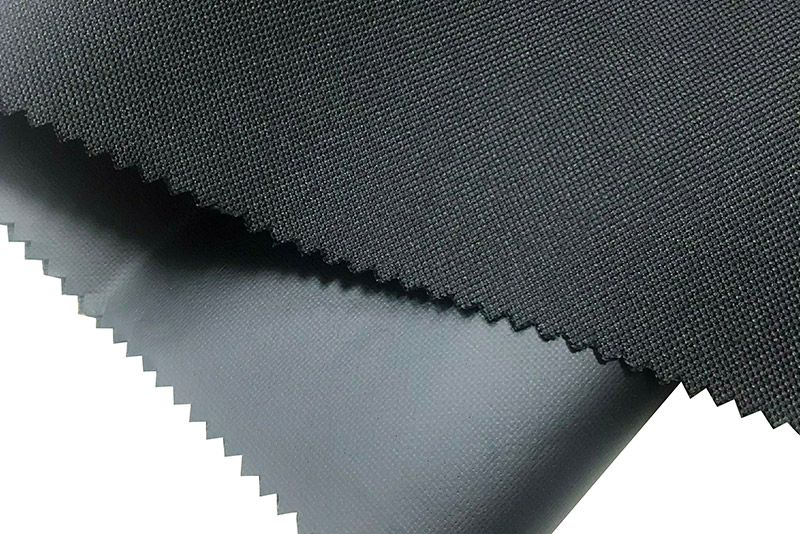
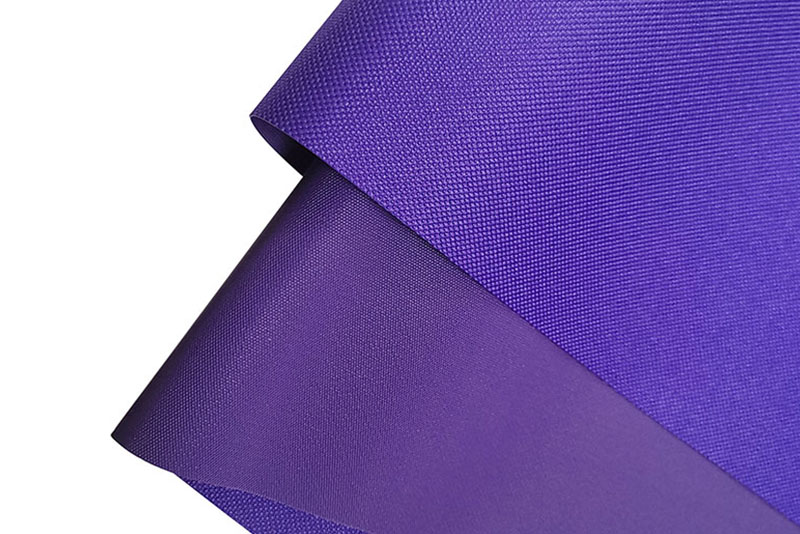
A large proportion of polyester and nylon Oxford fabric used in garment and accessory applications is finished with a polyurethane (PU) coating applied to the back of the fabric. This coating fills the interstices of the weave, preventing water penetration through the fabric structure while maintaining the woven surface appearance and texture on the face side. PU-coated Oxford fabric is rated by its hydrostatic head pressure resistance, typically ranging from 1,000mm to 5,000mm for garment applications, and is widely used in rain jackets, waterproof trousers, outdoor vests, and protective workwear where controlled water repellency at an affordable price point is required.
Key Properties That Make Oxford Fabric Suitable for Garments
Oxford fabric's enduring popularity in garment applications is not simply a matter of aesthetic tradition. The fabric delivers a specific combination of functional properties that make it practically superior to many alternatives across a range of end uses.
| Property | Cotton Oxford | Polyester Oxford | Nylon Oxford |
| Breathability | Excellent | Moderate | Moderate |
| Abrasion Resistance | Good | Very Good | Excellent |
| Water Resistance | Low (untreated) | High (with PU coat) | High (with PU coat) |
| Weight Range | 100–200gsm | 80–350gsm+ | 60–250gsm |
| Wash Durability | Very Good | Excellent | Excellent |
| Cost | Moderate | Low to Moderate | Moderate to High |
Why Oxford Fabric Is Essential for Garment Applications
The question of why Oxford fabric occupies such a central place in garment manufacturing is answered by looking at the specific demands that clothing places on textile materials — demands that Oxford fabric meets with unusual consistency across a wide range of product categories and price points.
Durability That Outlasts Comparable Fabrics
The basket-weave construction of Oxford fabric distributes mechanical stress across multiple interlocked yarns rather than concentrating it at single thread intersections as in plain weave. This means Oxford fabric resists tearing, pilling, and abrasion more effectively than plain-weave fabrics of equivalent weight. For workwear, schoolwear, sportswear, and outdoor garments that are subject to regular abrasive contact and frequent washing, this structural durability translates directly into longer product life and lower total cost of ownership — a significant selling point for both consumers and institutional buyers such as schools, employers, and military organizations.
Shape Retention and Appearance Stability
Oxford fabric maintains its woven structure and surface appearance through extended use and repeated laundering with notable consistency. The grouped yarn interlacing resists the yarn slippage and distortion that can cause plain-weave shirts to lose their shape at collar points, cuffs, and pocket edges over time. For garments where a neat, structured appearance is important — uniforms, dress shirts, smart-casual jackets — this shape retention is a fundamental performance requirement that Oxford fabric reliably delivers.
Versatility Across Garment Categories
Few fabric types serve as broad a range of garment applications as Oxford fabric does across its full family of variants. Fine cotton Pinpoint Oxford works in formal dress shirts. Standard cotton Oxford covers casual and smart-casual shirting. Lightweight polyester Oxford serves windbreakers and packable jackets. Heavier coated polyester Oxford supplies workwear, tactical garments, and outdoor shells. This range means that a brand or manufacturer familiar with Oxford fabric can apply consistent design language and construction techniques across product lines at very different price points and performance levels.
Specific Garment Applications Where Oxford Fabric Excels
Oxford fabric's role in garment manufacturing spans both everyday clothing and specialized technical apparel. The following applications represent areas where the fabric's properties align most closely with end-use requirements.
- Dress and casual shirts: Cotton Oxford and Pinpoint Oxford remain the dominant fabric choices for button-down shirts across all market segments, from entry-level retail to premium tailoring. Their texture, drape, and comfort under varied conditions make them the benchmark against which other shirting fabrics are measured.
- Uniforms and workwear: The durability and appearance retention of Oxford fabric make it a standard specification for school uniforms, hospitality workwear, corporate dress codes, and industrial uniforms where garments must maintain a professional appearance through heavy use and institutional laundering programs.
- Outdoor and performance jackets: Lightweight PU-coated polyester or nylon Oxford is the foundation material for a large proportion of the global market in waterproof and water-resistant outerwear, from budget rain jackets to mid-range hiking shells and urban commuter jackets.
- Tactical and military garments: High-denier nylon Oxford with specialized coatings is used in combat jackets, tactical vests, field shirts, and load-bearing garments where extreme abrasion resistance, dimensional stability, and compatibility with add-on systems such as MOLLE webbing are required.
- Children's clothing: Cotton Oxford's softness combined with its durability makes it a popular choice for children's shirts, school uniforms, and casual tops that must withstand active play and frequent washing without rapid degradation.
- Sportswear and activewear: Moisture-wicking and stretch-treated polyester Oxford variants are used in sports shirts, training jackets, and team uniforms where durability, color retention, and easy care are prioritized alongside adequate freedom of movement.
Functional Finishes That Extend Oxford Fabric's Performance
The base properties of Oxford fabric can be significantly extended through the application of functional finishes and coatings that add specific performance characteristics without fundamentally altering the fabric's woven structure or hand. These treatments are applied during or after fabric production and allow a single base fabric to be tailored for a wide range of end-use environments and performance requirements.
DWR (Durable Water Repellent) Finish
DWR treatment causes water to bead and roll off the fabric surface rather than being absorbed into the yarn structure. Applied to both cotton and synthetic Oxford, DWR finish is the first line of defense in water-resistant garments and extends the time before water penetrates through to the lining or the wearer. DWR finishes are effective for light rain and splash resistance but are not a substitute for PU coating in applications requiring full waterproofing. The finish degrades with washing and abrasion and can be partially reactivated through tumble drying or specialist reapplication products.
Anti-Static and Moisture-Wicking Treatments
Synthetic Oxford fabrics can be treated with anti-static finishes to reduce the uncomfortable clinging and static discharge that synthetic textiles are prone to, particularly in dry environments. Moisture-wicking treatments modify the surface energy of polyester or nylon yarns to pull perspiration away from the skin and spread it across a wider surface area for faster evaporation — a performance feature increasingly demanded in activewear, workwear, and military garments where comfort under physical exertion is a functional requirement.
Flame-Retardant and Chemical-Resistant Finishes
For industrial and protective workwear applications, Oxford fabric — particularly heavier polyester and cotton blends — can be treated with flame-retardant (FR) chemistry to meet workplace safety standards such as NFPA 2112 or EN ISO 11612. Chemical-resistant coatings and treatments are also available for garments intended for use in environments with exposure to acids, solvents, or other industrial chemicals, significantly expanding Oxford fabric's applicability in safety-critical professional garment categories.
Practical Guidance for Sourcing Oxford Fabric for Garment Production
For garment manufacturers and brands sourcing Oxford fabric, specifying the right combination of fiber, weight, weave density, and finish requires a clear understanding of the end product's performance requirements, target market, and care instructions. Working through the following considerations will help ensure the fabric you source delivers the results your garment design requires.
- Define the denier or yarn count first: For synthetic Oxford, denier is the primary determinant of fabric weight and strength. Match denier to application — 150D for lightweight jackets, 300D–420D for heavier outerwear, 600D for bags and accessories. For cotton Oxford, specify yarn count (e.g., 40/2 for fine shirting, 20/2 for heavier casual fabric).
- Confirm coating weight and hydrostatic head for waterproof applications: If water resistance is required, specify the PU coating weight (in gsm) and minimum hydrostatic head pressure. Garment applications typically require 1,500mm–3,000mm; heavier-duty applications may need 5,000mm or more.
- Request colorfastness data: For garments subject to frequent washing or outdoor UV exposure, confirm colorfastness ratings for washing (ISO 105-C06) and light (ISO 105-B02) before committing to bulk production quantities.
- Verify shrinkage performance for cotton variants: Pre-shrink testing is essential for cotton Oxford used in garments with precise fit requirements. Request pre-wash and post-wash dimensional stability data and confirm whether the fabric has been pre-shrunk (Sanforized) at the mill.
- Align finish type with care label requirements: Some functional finishes — particularly FR treatments and certain DWR chemistries — require specific washing temperatures, detergent types, or drying conditions to maintain performance. Confirm finish durability specifications before writing care label instructions for the finished garment.
Oxford Fabric's Continuing Relevance in Modern Garment Design
In a textile market characterized by rapid innovation and an ever-expanding palette of technical fabric options, Oxford fabric's sustained relevance is a function of its genuine functional versatility rather than mere tradition. From the fine cotton Pinpoint Oxford of a premium dress shirt to the heavy PU-coated polyester Oxford of a technical workwear jacket, the basket-weave family of fabrics covers more ground across the garment industry than almost any comparable textile category. Its combination of structural durability, appearance stability, adaptability to functional finishes, and compatibility with standard garment construction processes makes it a rational first choice across a wide range of apparel applications — and a fabric that rewards the investment of understanding its variants and selecting the right specification for each specific end use.

 Tel: +86-571-22917799
 Fax: +86-571-82799678
 E-mail:
 Add: No.88 Yinxin Rd.,Yaqian Town,Hangzhou City, Zhejiang, China.