+86-571-22917799



 English
 简体中文
简体中文 русский
 Español
Content
- 1 What Oxford Fabric Is and How the Jacquard Element Changes It
- 2 Construction Details: Yarn Types, Weight, and Finish Options
- 3 Key Performance Properties and Typical Specifications
- 4 Primary Applications of Jacquard Oxford Fabric
- 5 How to Evaluate and Select the Right Jacquard Oxford Fabric
- 6 Jacquard Oxford vs. Standard Oxford Fabric: Key Differences
Jacquard Oxford fabric sits at the intersection of two well-established textile technologies — the structural durability of Oxford weave and the pattern complexity of Jacquard loom production. The result is a fabric that combines the basketweave-derived strength and abrasion resistance Oxford fabrics are known for with the intricate, woven-in surface designs that Jacquard production uniquely enables. This combination has made Jacquard Oxford fabric a preferred material across a broad range of demanding applications — from outdoor gear, luggage, and bags to automotive interiors, promotional products, and technical textiles — where both functional performance and visual differentiation are required simultaneously. Understanding what this fabric actually is, how it is manufactured, what distinguishes quality grades from commodity material, and how to match specifications to application requirements is essential for product developers, textile buyers, and manufacturers working with this category.
What Oxford Fabric Is and How the Jacquard Element Changes It
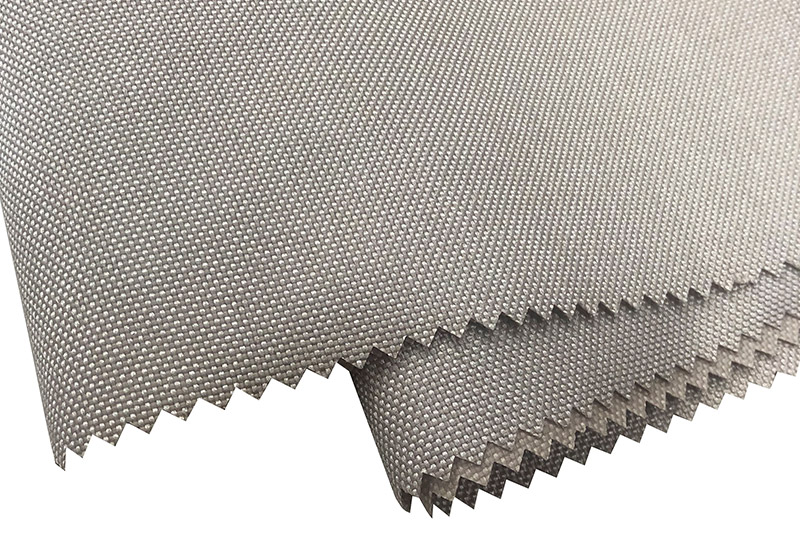
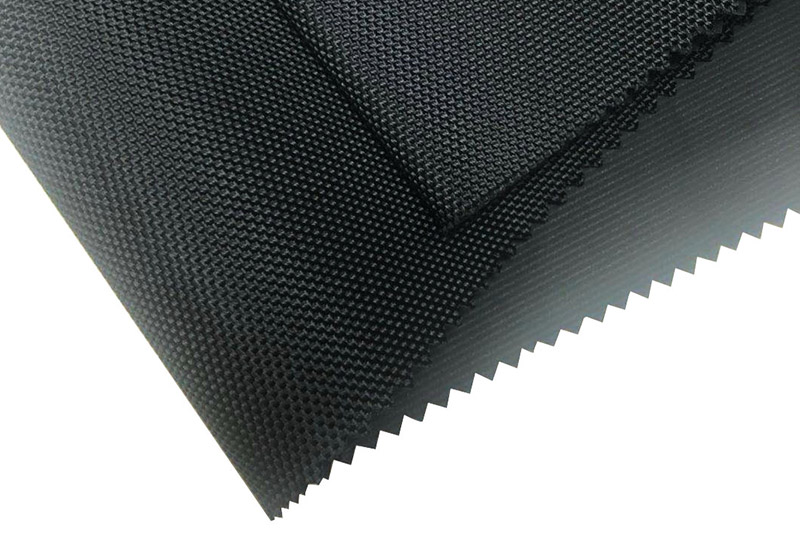
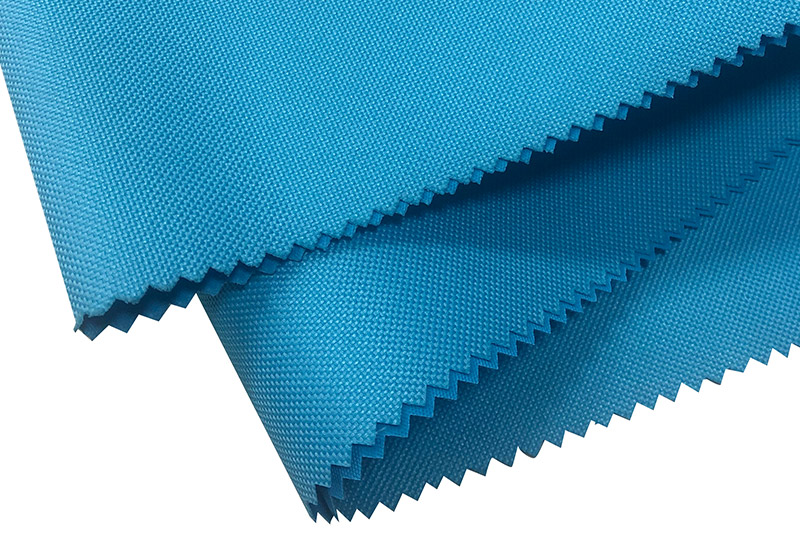
Standard Oxford fabric is produced using a basketweave construction — a variation of the plain weave in which two or more warp yarns are woven together as a single unit alongside two or more weft yarns, creating a characteristic grid-like surface texture with rounded, raised crosspoints. This structure distributes mechanical stress across a broader yarn surface than a simple plain weave, giving Oxford fabric superior tear resistance and abrasion durability relative to its weight. It also creates a slightly open, breathable structure that makes Oxford fabrics comfortable in bag linings, apparel interiors, and other applications where air circulation matters.
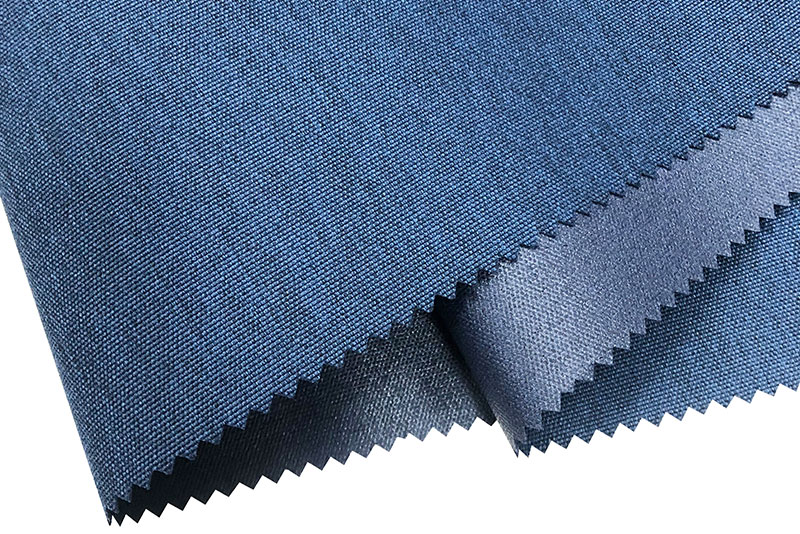
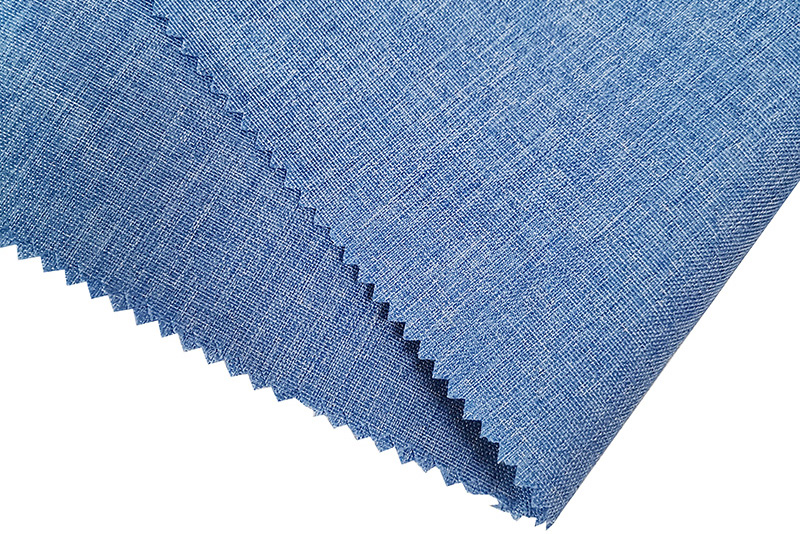
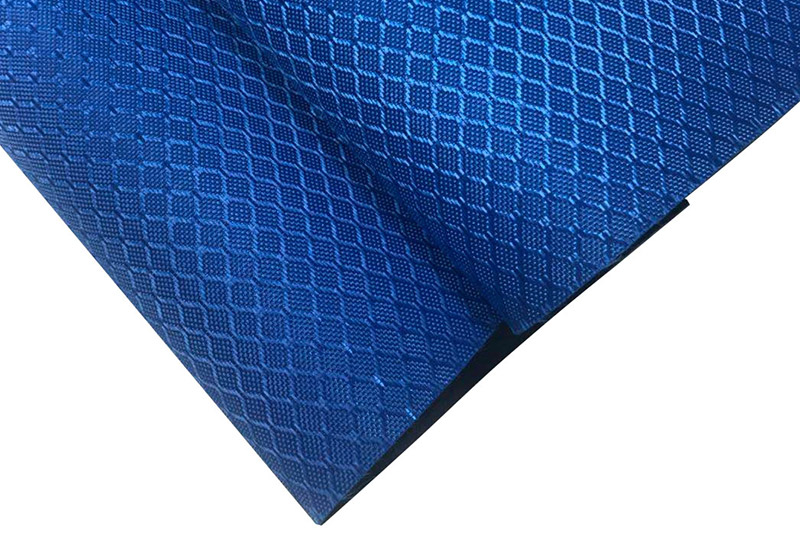
Jacquard Oxford fabric takes this basketweave foundation and produces it on a Jacquard loom — a weaving machine equipped with electronic or mechanical heads that control individual warp yarns independently. This individual yarn control allows complex patterns — geometric designs, logos, diamond grids, textured motifs, tonal checks, and even photographic-level design detail in high-count constructions — to be woven directly into the Oxford weave structure rather than printed or embroidered onto its surface afterward. The pattern in Jacquard Oxford is therefore inherent in the fabric's construction, not a surface treatment that can wear off, fade unevenly, or crack with flexing. This woven-in pattern durability is one of the most commercially important characteristics of Jacquard Oxford fabric for applications involving heavy use, outdoor exposure, or frequent handling.
Construction Details: Yarn Types, Weight, and Finish Options
Jacquard Oxford fabric is produced in a wide range of constructions that vary in yarn denier, thread count, fabric weight, and finishing treatment — each parameter combination producing a fabric with a distinct performance profile suited to different end-use requirements.
Yarn Fiber and Denier
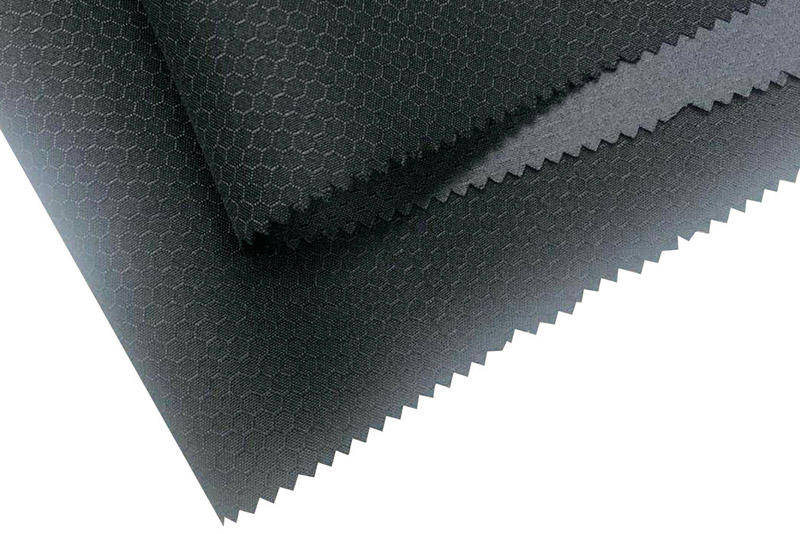
The dominant fiber used in Jacquard Oxford fabric production is polyester, particularly textured polyester filament yarn produced by false-twist texturing, which gives the yarn a slightly bulked, matte surface character that suits the basketweave grid's visual texture. Polyester's dimensional stability, UV resistance, color retention, and moisture management properties make it the practical choice for the outdoor, bag, and gear applications that represent Jacquard Oxford's largest market segments. Nylon Jacquard Oxford — typically using nylon 6 or nylon 66 filament yarns — is preferred in applications where superior abrasion resistance and higher tensile strength are the priority over UV stability or cost, such as military gear, technical bags, and high-performance backpacks. The denier of the yarn used determines the fabric's weight class and durability: fine 150D to 300D constructions produce lightweight, flexible Jacquard Oxford suitable for linings and lightweight bags; mid-weight 420D to 600D constructions are the most common for standard bags and promotional products; heavy 900D to 1680D constructions produce rigid, high-strength fabric for luggage shells, tool bags, and heavy-duty outdoor applications.
Finishing Treatments That Expand Performance
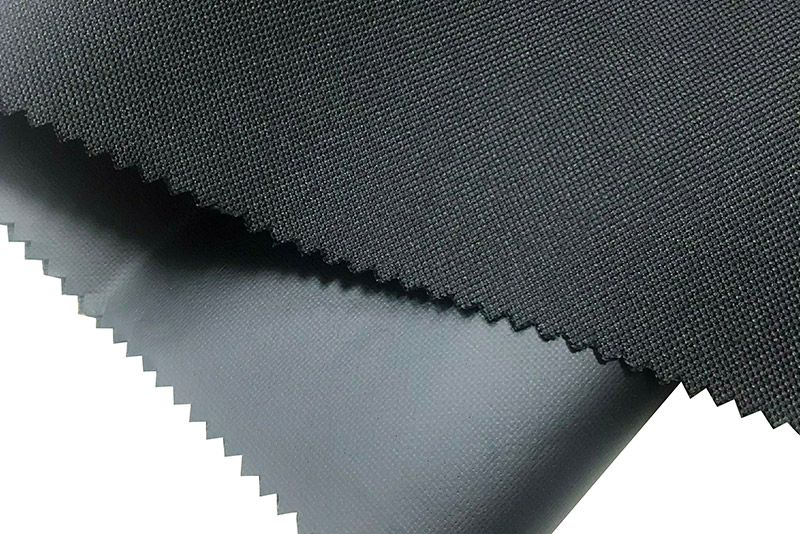
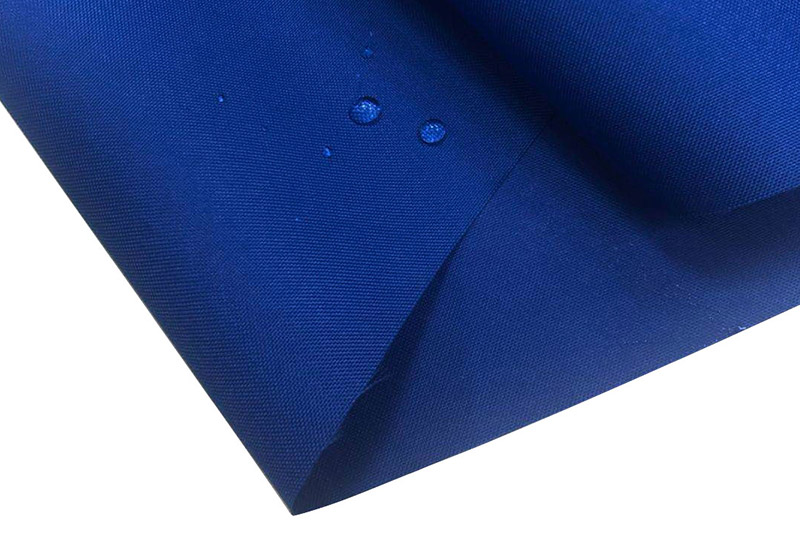
Jacquard Oxford fabric is rarely used in its unfinished woven state for demanding applications. A range of finishing treatments applied after weaving significantly expand the fabric's functional capability beyond the base fiber's inherent properties. PU (polyurethane) coating applied to the reverse face of the fabric creates a water-resistant barrier that blocks liquid penetration while maintaining the fabric's flexibility — the most common finishing approach for bags, backpacks, and outdoor covers. The thickness and density of the PU coating determines the degree of water resistance, expressed as a hydrostatic head pressure rating: coatings achieving 1,000 mm to 3,000 mm hydrostatic head are standard for general bag applications, while ratings of 5,000 mm or above are specified for rain gear and waterproof bag covers. PVC coating provides a heavier, more rigid waterproof layer used in applications requiring maximum water exclusion and chemical resistance, such as tarps and heavy-duty tool bags. DWR (Durable Water Repellent) finish applied to the face of the fabric causes water to bead and roll off rather than being absorbed into the yarn structure — effective as a face treatment for outdoor gear but insufficient as a primary waterproofing method without a backing coating. Flame-retardant finishes meeting standards such as NFPA 701, EN 13773, or BS 5852 are applied for Jacquard Oxford fabric used in automotive interiors, commercial furniture, exhibition displays, and other applications where fire performance is a regulatory requirement.
Key Performance Properties and Typical Specifications
Evaluating Jacquard Oxford fabric for a specific application requires assessing a defined set of performance parameters against the demands of the end product. The following table summarizes the most important specifications and typical values across common grades of commercial Jacquard Oxford fabric.
| Specification | Lightweight Grade | Mid-Weight Grade | Heavy-Duty Grade |
| Yarn Denier | 150D – 300D | 420D – 600D | 900D – 1680D |
| Fabric Weight (GSM) | 120 – 180 g/m² | 200 – 320 g/m² | 380 – 600 g/m² |
| Tensile Strength (warp/weft) | 600 / 500 N | 1,200 / 1,000 N | 2,500 / 2,000 N |
| Tear Strength | 25 – 40 N | 50 – 90 N | 120 – 200 N |
| Water Column (PU coated) | 800 – 1,500 mm | 1,500 – 3,000 mm | 3,000 – 10,000 mm |
| Colorfastness (wash) | Grade 4 | Grade 4 – 5 | Grade 4 – 5 |
| UV Resistance (light fastness) | Grade 4 | Grade 4 – 5 | Grade 5 – 6 |
Tear strength is a particularly important specification for Jacquard Oxford fabric in load-bearing and outdoor applications because it measures the force required to propagate an existing tear through the fabric — the failure mode that matters most in real-world use when a small cut or puncture encounters stress. The basketweave construction of Oxford fabric provides inherently higher tear resistance relative to plain-weave fabrics of equivalent weight, because the grouped warp and weft yarns redistribute stress around the tear initiation point more effectively than single-yarn-per-interlacing plain weave structures.
Primary Applications of Jacquard Oxford Fabric
Jacquard Oxford fabric's combination of structural strength, woven pattern capability, and finishing versatility positions it across several distinct application categories, each of which exploits a different aspect of the fabric's performance profile.
Bags, Backpacks, and Luggage
This is the largest single application category for Jacquard Oxford fabric by volume. The woven Jacquard pattern provides visual differentiation for branded bags and promotional products without the cost and durability limitations of printed surface decoration — printed bags lose their design integrity as the surface print wears and fades, while the woven-in Jacquard pattern remains intact throughout the bag's service life. Mid-weight 420D to 600D polyester Jacquard Oxford with PU backing is the dominant specification for laptop bags, school backpacks, travel bags, and corporate gifting items. The fabric handles high-frequency abrasion at contact points, maintains its structure when loaded to its design weight capacity, and accepts standard bag hardware (rivets, D-rings, webbing stitching) without tearing at attachment points when correctly reinforced.
Outdoor and Camping Equipment
Tent floors, ground sheets, equipment covers, dry bags, and camp furniture use heavier Jacquard Oxford grades for their combination of abrasion resistance against rough terrain, resistance to moisture penetration through high-rating PU or PVC coatings, and resistance to UV degradation during extended outdoor deployment. The woven Jacquard texture also provides a slightly non-slip surface quality compared to plain-weave coated fabrics of equivalent denier, which is functionally useful for ground-contact applications. Equipment covers and protective cases for outdoor power tools, generators, and garden equipment are a growing application segment for 600D to 900D Jacquard Oxford with FR (flame-retardant) finishes where use near heat sources is anticipated.
Automotive and Transportation Interiors
Jacquard Oxford fabric is used for seat covers, door panel trim, trunk liners, and cargo area surfaces in automotive, van, and RV interiors where a durable, cleanable, and visually structured textile surface is preferred over leather, plain cloth, or molded plastic. The basketweave texture provides a practical non-slip surface that prevents cargo from sliding on trunk liners and seat covers, while the Jacquard pattern element allows vehicle-specific branding, decorative geometric designs, or color-coordinated patterns to be woven in without secondary decoration processes. Automotive-grade Jacquard Oxford must meet specific performance standards including abrasion resistance (typically Martindale 50,000+ cycles), colorfastness to light (ISO 105-B02 Grade 5 minimum), and low VOC emission compliance for enclosed interior environments.
Promotional Products and Corporate Merchandise
Jacquard Oxford fabric is widely specified for branded promotional items because the Jacquard process can weave logos, brand patterns, and geometric brand elements directly into the fabric at the yarn level. This produces a premium-quality branded fabric appearance — comparable to woven label quality — across large surface areas at cost structures that embroidery or badge application cannot match at scale. Common promotional applications include branded tote bags, conference bags, tool rolls, USB drive pouches, and packaging inserts where the fabric itself communicates brand quality through its woven design rather than requiring separate decoration application.
How to Evaluate and Select the Right Jacquard Oxford Fabric
With the broad range of Jacquard Oxford constructions and finish combinations available from global suppliers, selecting the right specification requires a structured evaluation approach rather than relying on generic product descriptions or visual assessment alone.
- Define the performance requirement first, then specify: Identify the minimum acceptable tensile strength, tear strength, and water resistance rating for the end product before engaging suppliers. These values should come from the mechanical demands of the product design — calculated load capacity, expected abrasion contact surfaces, and exposure conditions — not from what similar products in the market use. Using competitor specifications as a reference risks inheriting under-specification decisions made by others.
- Request test reports, not just data sheets: Supplier data sheets for Jacquard Oxford fabric frequently present best-case performance values that may not reflect standard production lot performance. Request actual third-party test reports — particularly for tensile strength, tear strength, colorfastness, and hydrostatic head — on production samples of the specific fabric construction you are evaluating. Test reports from accredited laboratories (SGS, Intertek, BV) provide independently verified data rather than manufacturer claims.
- Evaluate the Jacquard pattern registration and repeatability: Request multiple meters of sample fabric and examine the woven pattern for consistency — pattern repeat alignment across the fabric width, color consistency between repeat units, and absence of weaving defects (broken threads, skipped interlacings, visible warp streaks). In mass production, Jacquard Oxford pattern quality can vary significantly between suppliers depending on loom quality, yarn lot consistency, and production quality control rigor.
- Verify coating adhesion, not just coating presence: PU-coated Jacquard Oxford fabric can be supplied with widely varying coating adhesion quality — from robust coatings that remain bonded through hundreds of wash and flex cycles to thin coatings that delaminate from the base fabric within weeks of use. Test coating adhesion by performing a simple peel test — secure a strip of the coated fabric face-down to a flat surface and peel the coating layer from the base at a 90-degree angle. High-quality coating adhesion resists this peel firmly; poor adhesion delaminates easily. For critical applications, specify a minimum peel adhesion value (typically 8 to 12 N/cm for general bag applications) and require certification against ISO 2411 or an equivalent peel adhesion standard.
- Confirm compliance certifications for the target market: Jacquard Oxford fabric for consumer products sold in European, North American, or other regulated markets must comply with restricted substance requirements. REACH compliance (EU), CPSIA compliance (USA for children's products), and OEKO-TEX Standard 100 certification are the most commonly required documentation for textile products in these markets. Request current, dated certificates — not general compliance declarations — and verify they cover the specific fabric construction and colorways you are procuring, since compliance status can vary between fabric variants from the same supplier.
- Consider roll-to-roll color consistency: For large production runs, color consistency between fabric rolls from different dye lots is a critical quality parameter for Jacquard Oxford fabric. Request maximum acceptable ΔE (color difference) values between dye lots — typically ΔE ≤ 1.5 for demanding applications — and establish with the supplier that color-matched production will be dyed in a single lot where possible, or that dye lot records will be maintained for traceability when multiple lots are required for large orders.
Jacquard Oxford vs. Standard Oxford Fabric: Key Differences
For buyers and product developers choosing between standard Oxford fabric and Jacquard Oxford for a specific application, understanding the practical differences between the two — beyond the obvious visual differentiation — clarifies where the premium cost of Jacquard production is justified and where standard Oxford is the more rational choice.
| Factor | Standard Oxford | Jacquard Oxford |
| Surface Pattern | Uniform basketweave grid only | Complex woven-in design patterns |
| Pattern Durability | N/A (no surface decoration) | Inherent — woven into structure, will not wear off |
| Unit Cost | Lower | Higher (Jacquard loom overhead) |
| Minimum Order Quantity | Lower (standard construction) | Higher (Jacquard setup cost) |
| Branding Capability | Requires separate printing/embroidery | Logo/pattern woven directly into fabric |
| Mechanical Performance | Equivalent at same denier and weight | Equivalent at same denier and weight |
| Design Lead Time | Minimal | Longer (pattern programming, sampling) |
The mechanical performance equivalence between standard and Jacquard Oxford at the same denier and weight is an important point: choosing Jacquard Oxford does not compromise structural performance compared to standard Oxford of the same specification. The premium paid for Jacquard production goes entirely toward the woven pattern capability and the visual and branding differentiation it enables — not toward any mechanical performance improvement. For applications where plain Oxford adequately meets the visual requirement and branded decoration is handled separately through printing or labeling, standard Oxford remains the more economical choice. Where the woven pattern is itself the product's visual and brand identity, or where the permanence and premium quality signal of a woven-in design justifies the cost difference in the target market, Jacquard Oxford delivers value that no subsequent decoration process applied to plain Oxford fabric can match.
Jacquard Oxford fabric offers a uniquely capable combination of structural performance and design sophistication that has secured its position across demanding applications in bags, outdoor equipment, automotive interiors, and branded merchandise. The practical decision-making framework for specifying it correctly — defining performance requirements, verifying test data, evaluating pattern quality, and confirming compliance certifications — applies equally whether sourcing small development quantities or committing to full production volumes, and consistently separates products that perform as designed from those that disappoint under real-world conditions.

 Tel: +86-571-22917799
 Fax: +86-571-82799678
 E-mail:
 Add: No.88 Yinxin Rd.,Yaqian Town,Hangzhou City, Zhejiang, China.