+86-571-22917799



 English
 简体中文
简体中文 русский
 Español
Content
- 1 What Is Jacquard Oxford Fabric?
- 2 How Jacquard Oxford Fabric Is Woven
- 3 Key Properties and Performance Characteristics
- 4 Common Fiber Types Used in Jacquard Oxford Fabric
- 5 Primary Applications Across Industries
- 6 Jacquard Oxford Fabric vs. Standard Oxford Fabric
- 7 What to Look for When Buying Jacquard Oxford Fabric
What Is Jacquard Oxford Fabric?
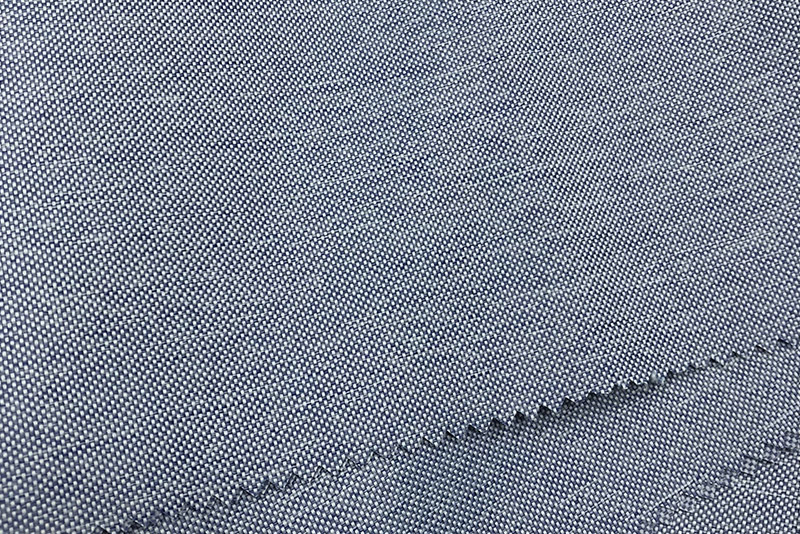
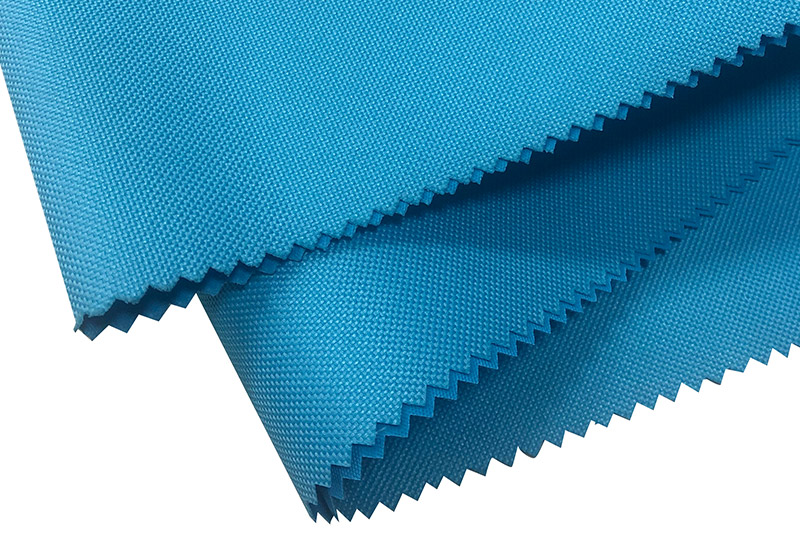
Jacquard Oxford fabric is a specialized textile that combines two distinct weaving traditions into a single, high-performing material. Oxford fabric is a classic basketweave cloth originally developed in Scotland, known for its durability, structure, and subtle texture. Jacquard weaving, on the other hand, is a sophisticated technique that uses a programmable loom — the Jacquard loom — to create complex, intricate patterns directly within the weave structure itself, rather than printing them on the surface. When these two approaches are merged, the result is a fabric that is both structurally strong and visually detailed: Jacquard Oxford fabric.
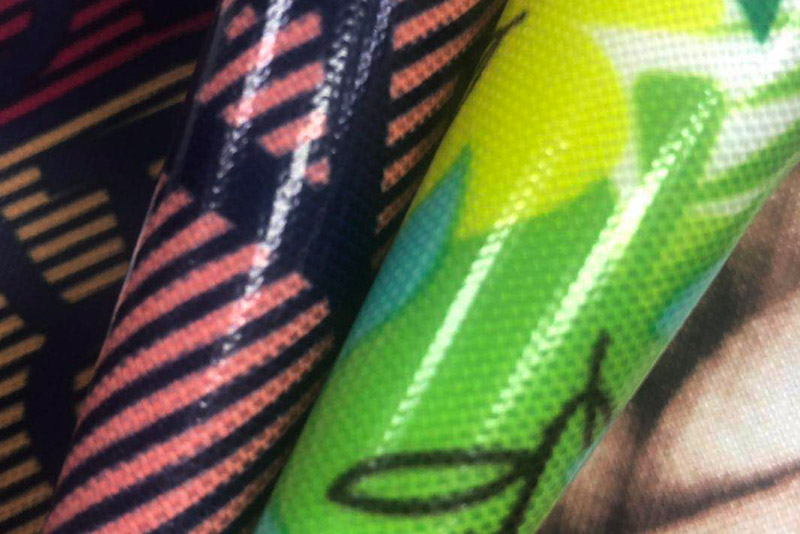
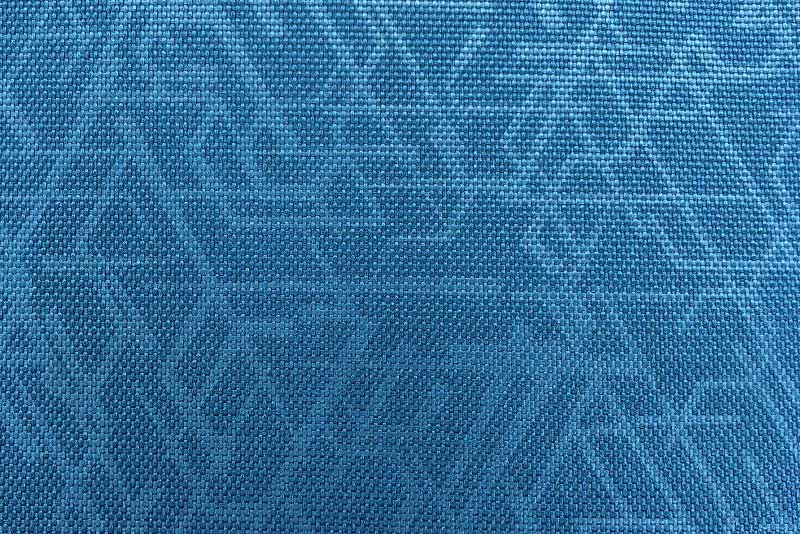
Unlike printed fabrics where the design sits on top of the fibers and can fade or peel over time, Jacquard patterns are woven into the fabric during production. This means the pattern is an integral part of the cloth, giving Jacquard Oxford fabric a dimensional, textured appearance with excellent long-term visual durability. It is widely used across luggage, bags, upholstery, outerwear, and a range of industrial and decorative applications.
How Jacquard Oxford Fabric Is Woven
To fully appreciate what Jacquard Oxford fabric offers, it helps to understand how it is made. The manufacturing process draws on the strengths of both Oxford weaving and Jacquard technology.
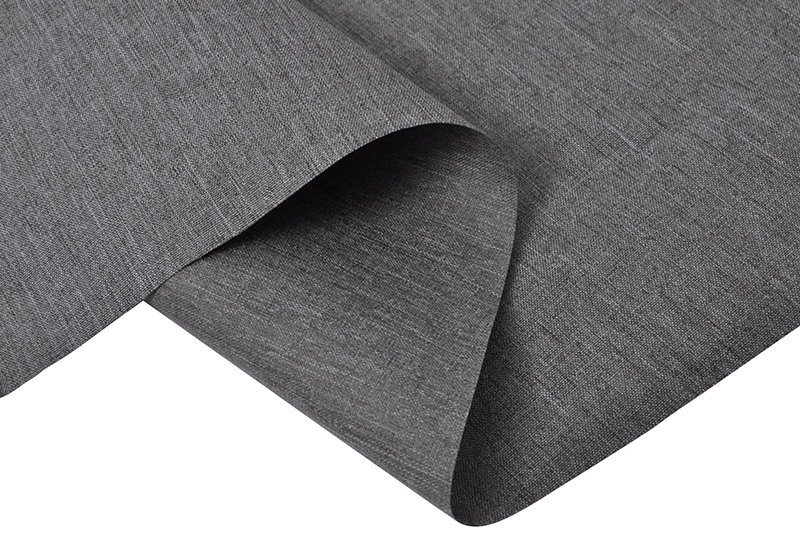
Standard Oxford fabric is created using a basketweave or plain weave variation in which two weft yarns cross over two warp yarns in an alternating pattern. This interlocking structure gives Oxford cloth its characteristic slight texture and exceptional resistance to tearing and abrasion. It is a workhorse weave — simple, reliable, and highly functional.
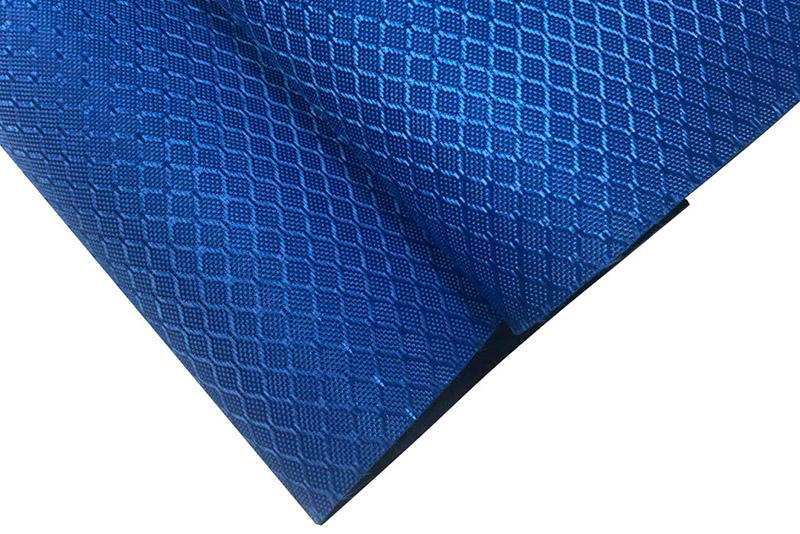
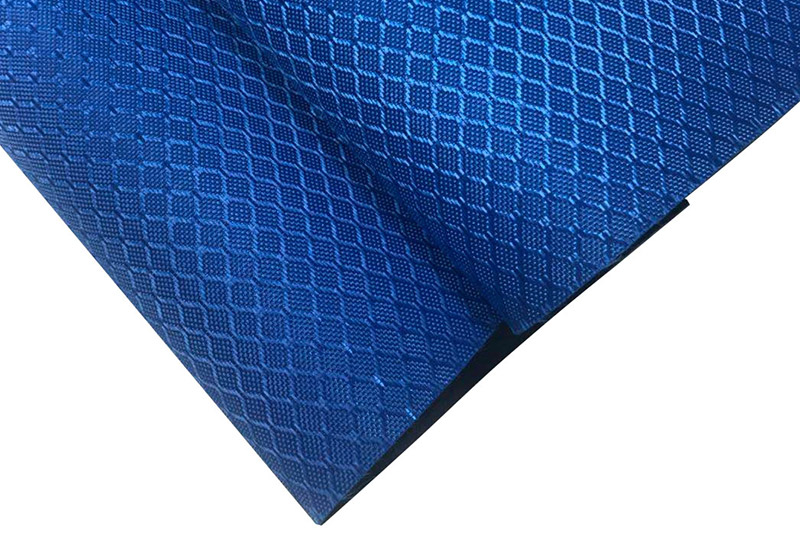
Jacquard weaving elevates this foundation by using a computer-controlled loom head that can independently control each individual warp thread. This level of control allows weavers to produce virtually any pattern — florals, geometric shapes, damask motifs, logos, and custom designs — directly within the fabric's structure. The pattern is formed by different interlacing sequences that create raised or recessed areas, giving the fabric its signature textured, woven appearance.
In Jacquard Oxford fabric, these two systems work together: the overall structure retains the durability and body of Oxford cloth, while the Jacquard mechanism adds decorative patterning that is precise, repeatable, and permanently embedded in the textile.
Key Properties and Performance Characteristics
Jacquard Oxford fabric is valued across many industries precisely because it delivers on multiple performance fronts simultaneously. Understanding these properties helps buyers and designers make informed decisions about when and where to use it.
Durability and Abrasion Resistance
The Oxford basketweave base gives the fabric outstanding strength. Yarns interlace in a tight, multi-thread pattern that distributes stress across a wider area, reducing the likelihood of fiber breakage under tension or friction. This makes it well-suited for products like bags, backpacks, and luggage that experience constant handling, rubbing, and loading.
Pattern Permanence
Because the Jacquard design is woven into the fabric rather than printed onto it, the pattern does not fade, crack, or peel with washing or use. This is a significant advantage over screen-printed or digitally printed fabrics, especially for products that see frequent laundering or outdoor exposure.
Texture and Visual Depth
Jacquard Oxford fabric has a naturally dimensional appearance. The interplay of raised and recessed pattern areas creates a tactile surface with visual depth that catches light differently depending on the viewing angle. This elevates the aesthetic quality of finished products, giving them a premium, crafted look that flat-woven fabrics cannot achieve.
Weight and Body
This fabric tends to be heavier than standard woven textiles due to the density of its basketweave structure and the complexity of the Jacquard patterning. This weight translates to a structured, substantial feel in finished goods — ideal for products where shape retention and rigidity matter, such as tote bags, briefcases, and panel-based upholstery.
Coating Compatibility
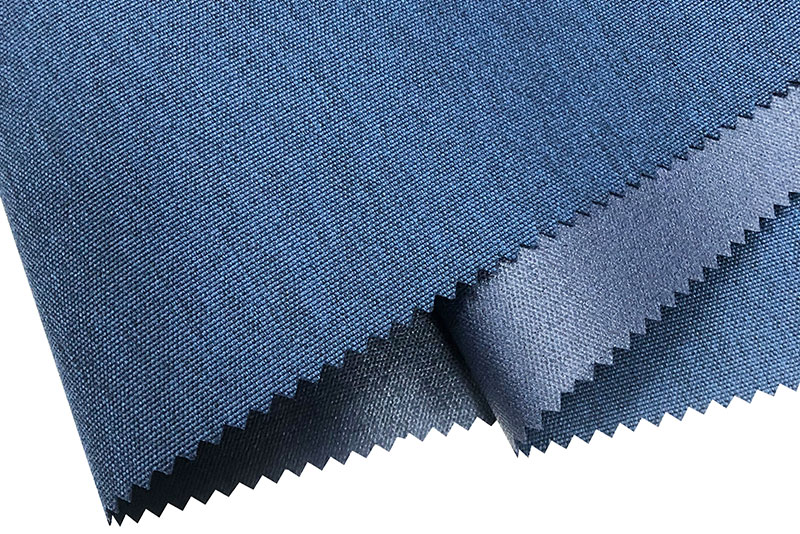
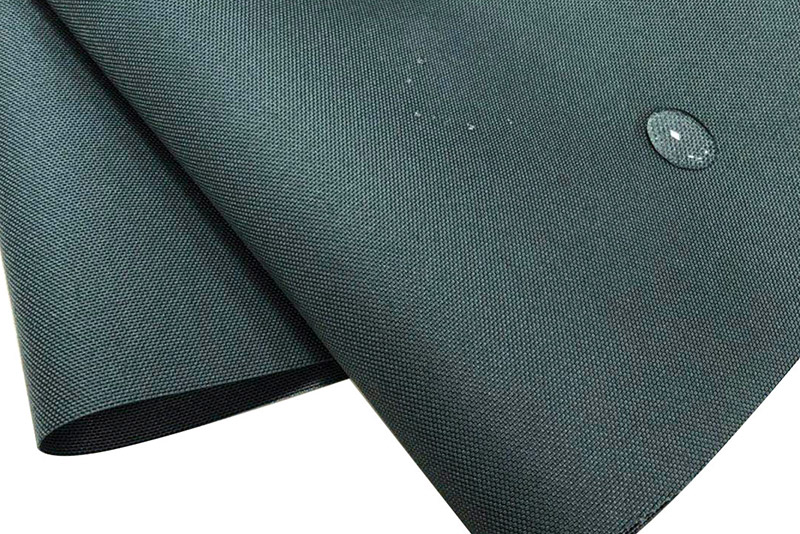
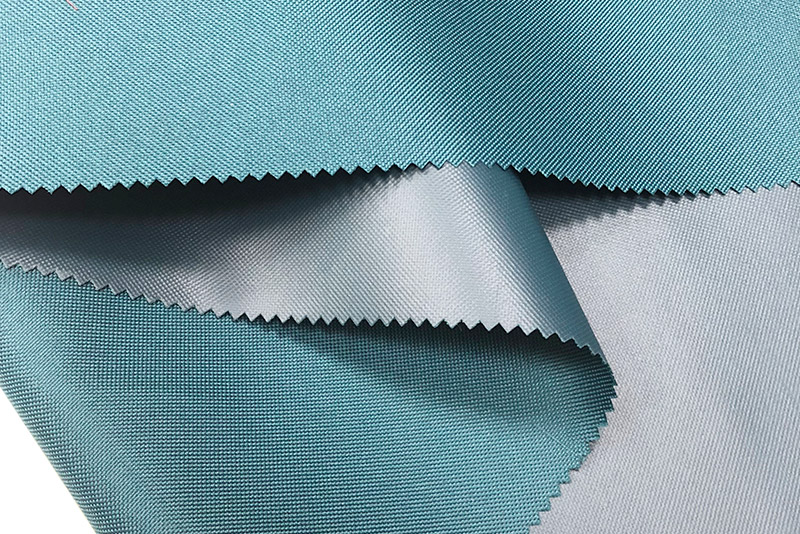
Jacquard Oxford fabric is frequently coated with PVC, PU (polyurethane), or other water-resistant finishes on its reverse side. Because the base fabric is structurally dense, it accepts these coatings well without compromising the visual quality of the Jacquard surface. The result is a fabric that combines decorative appeal with practical water resistance — a pairing that makes it especially popular in outdoor and travel product categories.
Common Fiber Types Used in Jacquard Oxford Fabric
The fiber content of Jacquard Oxford fabric varies significantly depending on its intended application. The most common options include:
- Polyester: The most widely used fiber for Jacquard Oxford fabric. Polyester offers excellent strength, colorfastness, UV resistance, and low moisture absorption. It is cost-effective, easy to dye in complex Jacquard patterns, and highly compatible with PVC and PU coatings.
- Nylon: Lighter and stronger than polyester on a per-weight basis, nylon Jacquard Oxford fabric is used in premium bags, backpacks, and technical outerwear. It has superior abrasion resistance but is generally more expensive.
- Cotton: Less common in performance applications but used when a natural hand feel and breathability are priorities. Cotton Jacquard Oxford fabric is often found in home furnishings, decorative cushions, and apparel.
- Polyester-Cotton Blends: These blends balance the durability and dye retention of polyester with the softness and breathability of cotton, making them suitable for a wider range of apparel and interior textile applications.
- Recycled Polyester (rPET): Increasingly used by brands focused on sustainability, recycled polyester retains most of the performance properties of virgin polyester and is compatible with Jacquard weaving processes.
Primary Applications Across Industries
The combination of structure, aesthetics, and durability makes Jacquard Oxford fabric suitable for an exceptionally wide range of end uses. Below is an overview of its most common applications:
| Industry | Typical Products | Key Requirement |
| Bags & Luggage | Backpacks, tote bags, travel bags | Durability, water resistance |
| Fashion & Apparel | Jackets, coats, structured skirts | Aesthetic detail, body |
| Home Furnishings | Cushion covers, curtains, upholstery | Pattern permanence, wear resistance |
| Outdoor & Sport | Camping gear, sports bags, covers | UV resistance, weatherproofing |
| Promotional & Corporate | Branded bags, conference materials | Logo integration, premium finish |
One of the most commercially significant uses is in the bags and luggage sector. Jacquard Oxford fabric allows manufacturers to weave brand logos, signature patterns, or decorative motifs directly into the bag material, creating a high-end look without relying on embroidery or surface printing. This is particularly valuable for luxury brands and corporate gifting markets where perceived quality is directly tied to material selection.
Jacquard Oxford Fabric vs. Standard Oxford Fabric
Buyers sometimes wonder whether the added complexity and cost of Jacquard Oxford fabric is justified compared to standard Oxford cloth. The answer depends heavily on the end application.
- Visual appeal: Standard Oxford fabric has a clean, uniform surface with no pattern. Jacquard Oxford fabric introduces woven-in designs that significantly enhance visual interest and product differentiation.
- Cost: Jacquard weaving requires more sophisticated machinery and longer setup times, making Jacquard Oxford fabric more expensive per meter than plain Oxford cloth of similar weight and fiber content.
- Branding flexibility: Jacquard Oxford allows custom patterns and logos to be woven directly into the fabric during production, which is not possible with standard Oxford cloth without additional processes like embroidery or printing.
- Structural performance: Both fabrics offer similar core durability from their Oxford base. The Jacquard process does not significantly reduce tensile strength or abrasion resistance when executed correctly.
For purely functional, unbranded products where aesthetics are secondary, standard Oxford cloth remains a cost-effective choice. However, for products where visual differentiation, branding, or premium positioning matters, Jacquard Oxford fabric delivers clear added value.
What to Look for When Buying Jacquard Oxford Fabric
Sourcing the right Jacquard Oxford fabric requires evaluating several technical and aesthetic factors before committing to a purchase or production run.
Denier and Weight
Denier refers to the thickness of the individual yarns used. Common denier specifications for Jacquard Oxford fabric range from 300D for lighter applications like apparel to 600D or 900D for heavy-duty bags and outdoor products. Higher denier means greater weight and durability but also less flexibility. Matching denier to the product's intended use is critical for both performance and manufacturability.
Pattern Definition and Repeat Size
The clarity and sharpness of the woven pattern varies between manufacturers. Request fabric samples and examine them closely under different lighting conditions to assess pattern definition. Also confirm the pattern repeat size, as this affects how much material is needed per unit of finished product and influences cutting efficiency and waste in production.
Coating Type and Performance
If water resistance is required, verify what type of coating has been applied and to what standard. PU coatings generally offer a softer hand feel and better environmental profile than PVC coatings, while PVC provides a higher level of waterproofing and is more cost-effective. Ask for water resistance test data — such as hydrostatic head pressure ratings — to confirm the coating meets your product specifications.
Colorfastness and Environmental Certifications
Test colorfastness to washing, rubbing, and light exposure before approving fabric for bulk production. For brands selling into regulated markets, look for certifications such as OEKO-TEX Standard 100, which confirms the fabric has been tested for harmful substances. This is particularly important for products intended for children or direct skin contact.
Jacquard Oxford fabric represents a sophisticated meeting point between weaving craftsmanship and practical textile engineering. Its ability to deliver durable performance alongside woven-in visual complexity makes it one of the most versatile specialty fabrics available to designers, manufacturers, and sourcing professionals today. By understanding its construction, properties, and sourcing criteria, buyers can confidently select the right specification for their project and achieve results that stand apart in both quality and appearance.

 Tel: +86-571-22917799
 Fax: +86-571-82799678
 E-mail:
 Add: No.88 Yinxin Rd.,Yaqian Town,Hangzhou City, Zhejiang, China.