+86-571-22917799



 English
 简体中文
简体中文 русский
 Español
Content
- 1 What Is FDY Polyester Oxford Fabric?
- 2 Understanding FDY: The Yarn Behind the Fabric
- 3 The Oxford Weave Structure Explained
- 4 Key Technical Specifications and Grades
- 5 Performance Properties of FDY Polyester Oxford Fabric
- 6 Comparing FDY Oxford With Related Fabrics
- 7 Common Applications by Industry
- 8 What to Check When Sourcing FDY Polyester Oxford Fabric
What Is FDY Polyester Oxford Fabric?
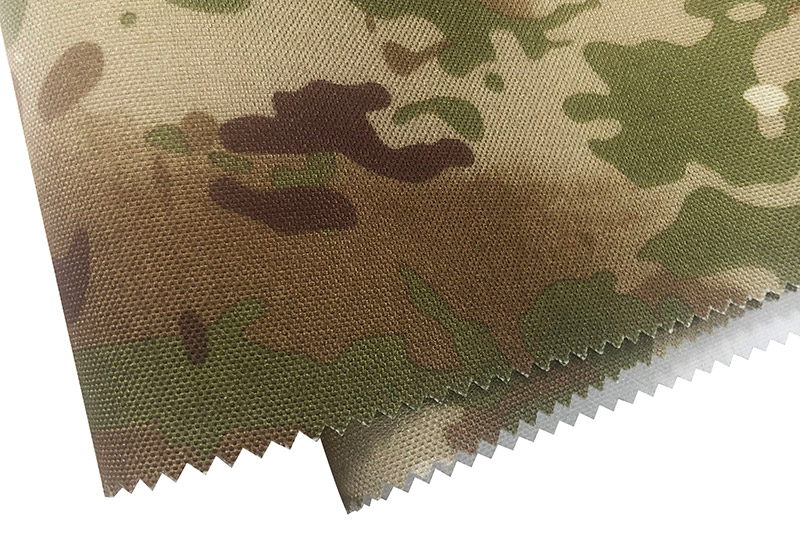
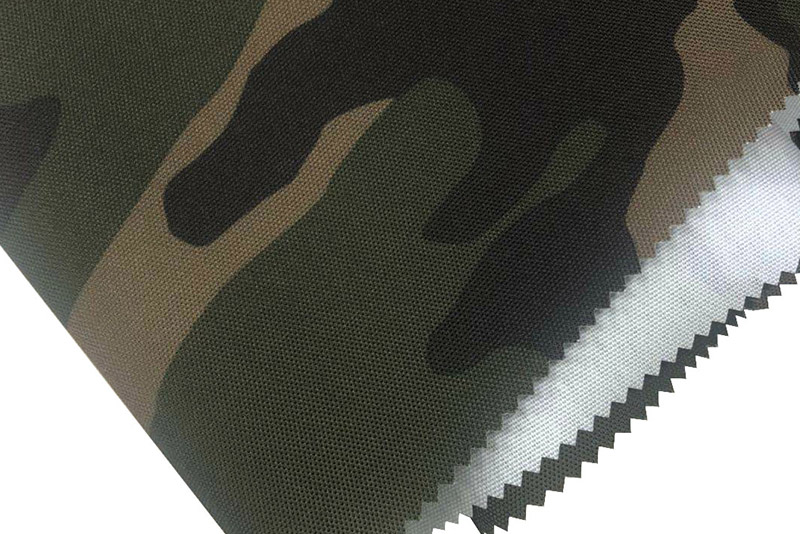
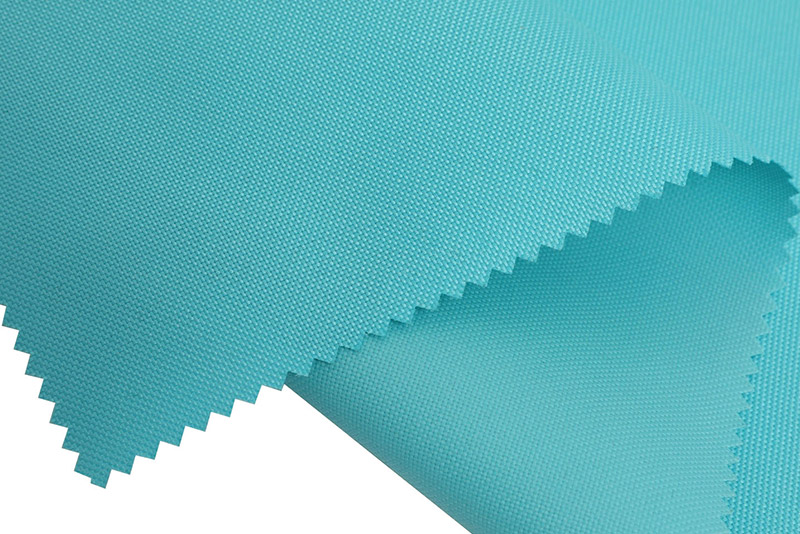
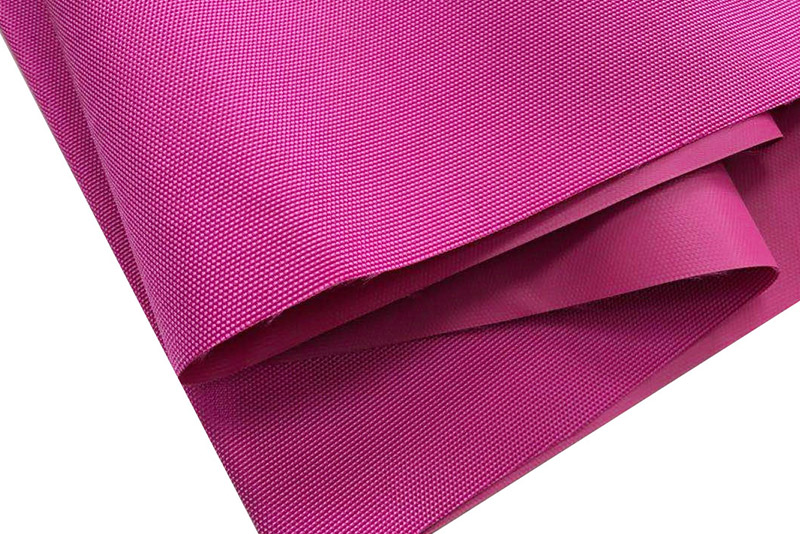
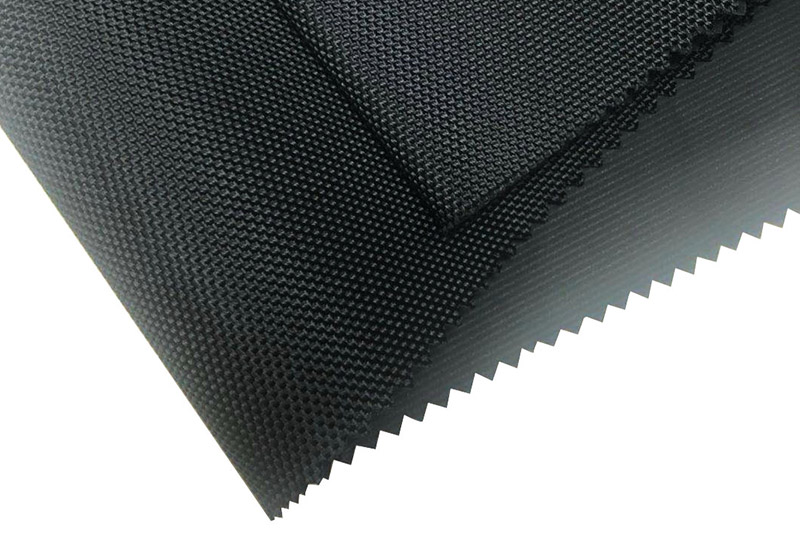
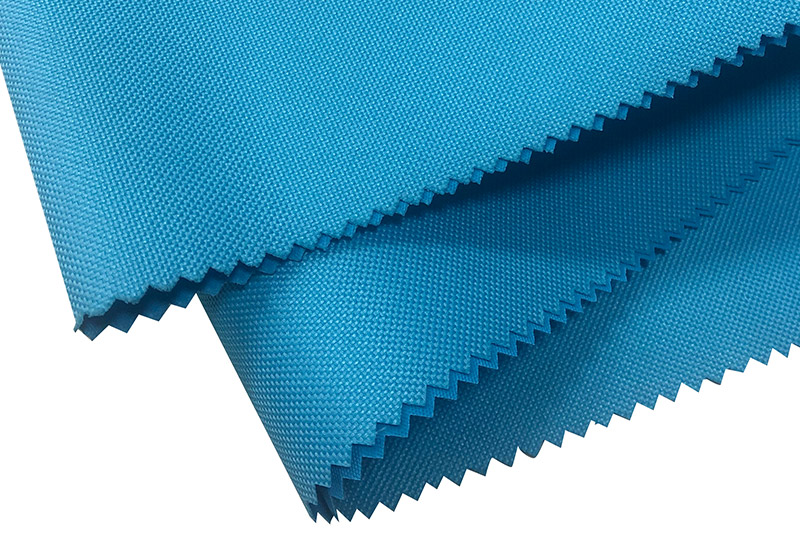
FDY polyester Oxford fabric is a high-performance textile produced by weaving Fully Drawn Yarn (FDY) polyester through an Oxford weave structure. The result is a fabric that combines the smooth, uniform surface of FDY filament yarn with the characteristic basket-weave texture and durability of Oxford construction. It is widely used across bags, luggage, outdoor gear, workwear, and industrial applications — anywhere that strength, weather resistance, and consistent appearance are required simultaneously.
Understanding why this fabric performs the way it does requires looking at both components: the yarn technology and the weave structure. Neither alone explains the full picture. FDY polyester Oxford fabric earns its reputation through the interaction between the two, and knowing how that interaction works helps buyers, designers, and manufacturers make better material decisions.
Understanding FDY: The Yarn Behind the Fabric
FDY stands for Fully Drawn Yarn, a type of continuous filament polyester yarn produced through a single-step spinning and drawing process. During manufacturing, the polyester polymer is extruded through spinnerets and simultaneously stretched — or drawn — to its final molecular orientation. This drawing process aligns the polymer chains within the filament, producing a yarn that is dimensionally stable, smooth in texture, and consistent in diameter along its entire length.
This is what sets FDY apart from POY (Partially Oriented Yarn) and DTY (Draw Textured Yarn). POY is only partially drawn and requires a second processing step before it can be woven. DTY is mechanically textured to create a slightly crimped, bulkier profile suited for stretch fabrics and softer applications. FDY skips the texturing and delivers a flat, lustrous filament that weaves cleanly, dyes evenly, and maintains its shape under tension. For Oxford fabric construction, FDY is the preferred yarn precisely because its uniformity produces a consistent weave surface with predictable mechanical properties.
The Oxford Weave Structure Explained
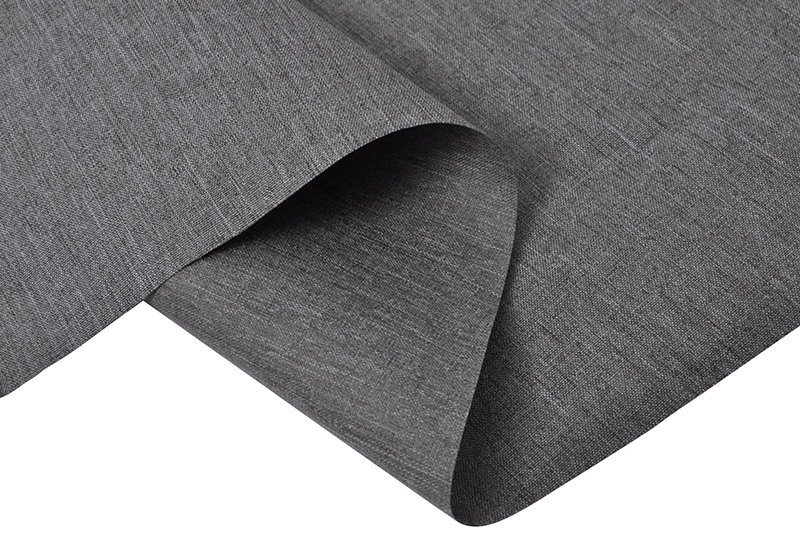
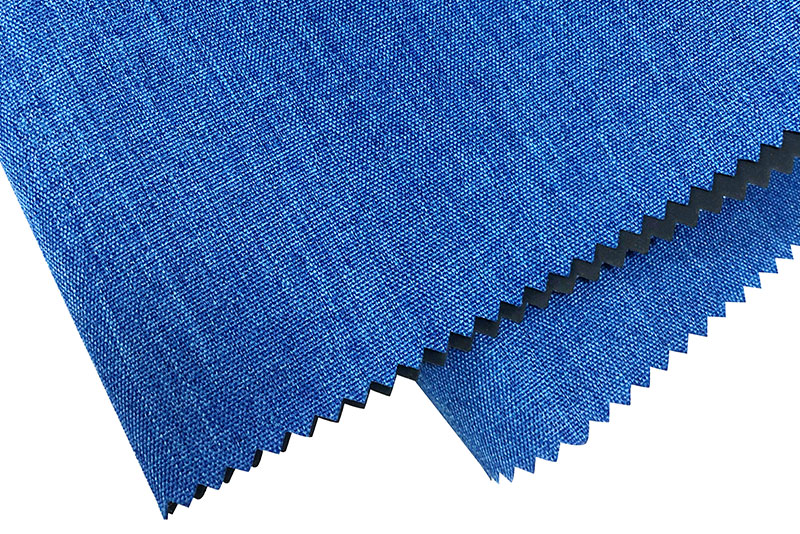
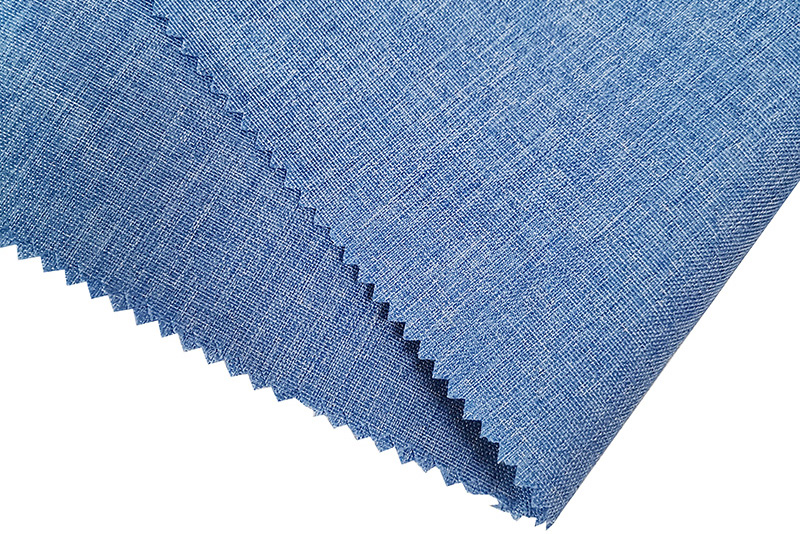
Oxford weave is a plain weave variation in which two warp yarns are woven over and under a single, heavier weft yarn together, as a paired unit. This pairing creates the characteristic basket-weave appearance — a grid-like texture with visible squares — that distinguishes Oxford fabric from standard plain weave textiles. The structure also produces a fabric with greater yarn coverage per square centimeter, which directly contributes to tear resistance and dimensional stability.
When FDY polyester is used as the yarn in this structure, the smooth filament surface allows each paired warp thread to slide slightly against the weft during stress, distributing load across a wider area rather than concentrating it at a single point. This load-distribution behavior is one reason FDY polyester Oxford fabric resists tearing even when punctured or abraded — the weave structure absorbs force rather than failing at a single thread. It also explains why the fabric retains its shape after repeated folding, a property critical for bags and covers that are compressed and opened regularly.
Key Technical Specifications and Grades
FDY polyester Oxford fabric is produced in a range of weights and constructions, typically described by denier — the unit measuring yarn thickness and fabric weight. Common grades available in the market include:
- 150D Oxford: Lightweight at approximately 80–100 gsm. Used for thin shopping bags, light tote bags, and inner linings where weight is a priority over abrasion resistance.
- 210D Oxford: Mid-light weight, commonly used for promotional bags, light backpacks, and packaging. Balances cost with adequate strength for everyday carry loads.
- 300D Oxford: Medium weight with improved tear strength. Popular for travel bags, laptop sleeves, and sports gear bags. The most widely used grade in general consumer products.
- 420D Oxford: Heavy-duty weight suited for luggage, tool bags, and outdoor backpacks. Provides strong resistance to abrasion and repeated stress.
- 600D Oxford: High-strength fabric used in heavy bags, military-style packs, and industrial covers. Often coated with PU or PVC for enhanced waterproofing.
- 1680D Oxford: The heaviest standard grade, used in hard-use luggage shells, heavy equipment covers, and load-bearing industrial applications.
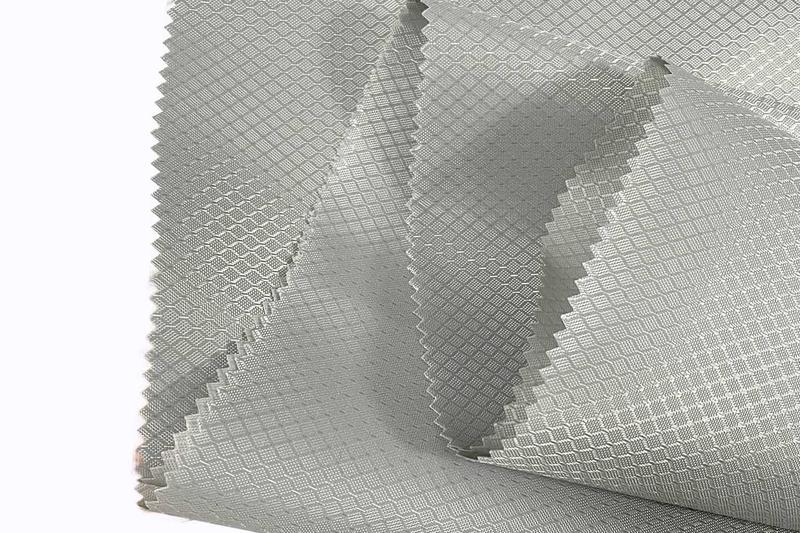
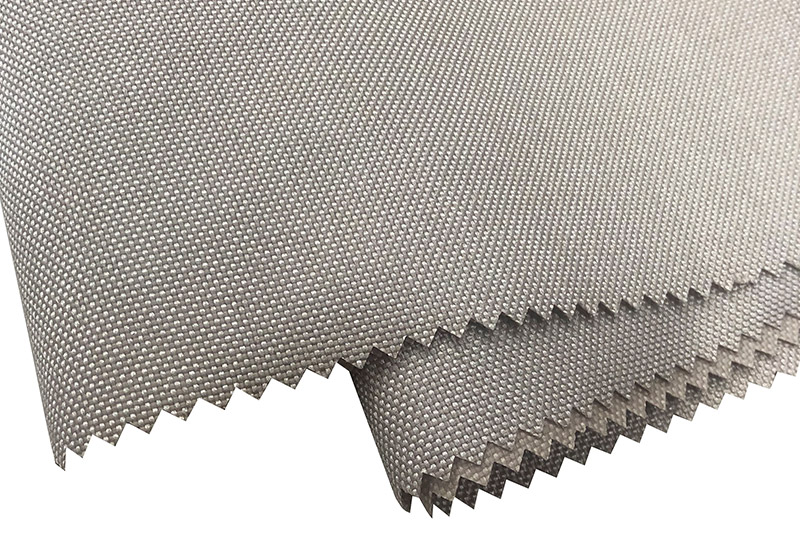
In addition to denier, buyers should pay attention to whether the fabric has been coated and with what material. Uncoated FDY polyester Oxford has moderate water resistance due to its tight weave, but PU (polyurethane) coating significantly improves waterproofness and adds a matte, soft-touch finish. PVC coating offers higher waterproofing and a stiffer hand feel, preferred for industrial or heavy outdoor use. Silver or black coating on the reverse is used for thermal-reflective applications such as car covers and camping shelters.
Performance Properties of FDY Polyester Oxford Fabric
The combination of FDY yarn and Oxford weave delivers a specific and consistent set of performance characteristics that make this fabric a practical choice across many demanding applications.
Tensile and Tear Strength
FDY polyester filament has high tenacity — typically in the range of 4.5 to 6.5 grams per denier — because the drawing process aligns its polymer chains into an ordered, load-bearing orientation. The Oxford weave distributes stress across paired thread groups rather than individual yarns, so the fabric resists tearing even when a single filament is cut or broken. In practical terms, a 600D FDY polyester Oxford fabric can withstand static loads well above the carrying requirements of standard luggage, and its tear resistance holds up after prolonged use.
Water and Weather Resistance
Polyester is inherently hydrophobic — its molecular structure does not absorb water — which gives FDY polyester Oxford fabric a baseline resistance to moisture without any finishing treatment. The dense Oxford weave further reduces penetration by leaving minimal gaps between yarns. With a PU coating, the fabric achieves a hydrostatic head rating of 1000 mm or higher, sufficient for moderate rain exposure. UV resistance is also strong; FDY polyester retains its tensile properties and color stability after extended outdoor exposure better than nylon or cotton alternatives.
Abrasion Resistance and Dimensional Stability
The smooth surface of FDY filament reduces friction coefficient against other surfaces, which contributes to abrasion resistance in situations where the fabric rubs repeatedly against hard edges or rough surfaces — such as luggage in cargo holds or tool bags on construction sites. The fabric also holds its dimensions well under load, meaning seams and panels maintain their shape rather than stretching out of alignment over time.
Comparing FDY Oxford With Related Fabrics
It is useful to understand how FDY polyester Oxford fabric compares to similar materials a buyer might consider for the same applications.
| Fabric | Yarn Type | Surface Feel | Strength | Best For |
| FDY Polyester Oxford | Fully Drawn filament | Smooth, slight sheen | High tenacity, stable | Bags, luggage, covers |
| DTY Polyester Oxford | Textured filament | Softer, matte | Moderate | Soft bags, lining fabric |
| Nylon Oxford | Nylon filament | Smooth, higher sheen | Very high | Technical packs, premium bags |
| Polyester Ripstop | Reinforced grid yarn | Lightweight, crisp | Tear-resistant grid | Tents, lightweight apparel |
Nylon Oxford generally offers superior abrasion resistance and a higher strength-to-weight ratio than polyester, but at a significantly higher cost. FDY polyester Oxford fills the gap between budget-grade DTY fabrics and premium nylon, delivering reliable performance for mid-range and commercial-grade products where cost efficiency matters.
Common Applications by Industry
FDY polyester Oxford fabric appears across a wide range of industries, with the specific denier and coating chosen to match the demands of each application.
- Bags and luggage: 300D to 600D grades are standard for backpacks, duffel bags, suitcase liners, and laptop bags. PU coating is common to improve water resistance.
- Outdoor and camping gear: Tent floors, tarpaulins, and equipment covers use 420D to 600D with PVC coating for waterproofing and UV stability.
- Automotive and vehicle covers: 210D to 300D with silver coating is used for car covers, motorcycle covers, and seat protectors requiring thermal reflection.
- Workwear and safety products: High-visibility vests, aprons, and tool pouches use 300D to 420D for combination of durability and printability.
- Promotional and retail packaging: 120D to 210D is used for non-woven alternatives, reusable shopping bags, and trade show giveaways where lightweight and cost are priorities.
What to Check When Sourcing FDY Polyester Oxford Fabric
When evaluating suppliers or ordering fabric for production, several technical details should be confirmed before committing to a bulk order. First, verify that the yarn is genuinely FDY and not DTY or spun polyester — the distinction affects surface quality, strength, and dyeing behavior. Ask for a yarn specification sheet or test the fabric's surface smoothness against a sample of known FDY fabric. DTY Oxford will feel noticeably softer and slightly duller under direct light.
Second, confirm the coating type and weight. A fabric described as "waterproof" can vary enormously depending on whether it uses a light PU laminate, a full PVC coating, or simply a water-repellent (DWR) finish. Ask for hydrostatic head test data if the fabric will be used in rain-exposed applications. Third, request a colorfastness report — especially for dark or bright colors — as lower-quality FDY polyester may bleed during washing or fade rapidly under UV exposure. AATCC or ISO test results should be available from reputable mills. Sampling before bulk production remains the most reliable way to confirm that the fabric performs as specified in real-world conditions.

 Tel: +86-571-22917799
 Fax: +86-571-82799678
 E-mail:
 Add: No.88 Yinxin Rd.,Yaqian Town,Hangzhou City, Zhejiang, China.