+86-571-22917799



 English
 简体中文
简体中文 русский
 Español
Content
- 1 What DTY Polyester Oxford Fabric Is and How It Is Made
- 2 How DTY Oxford Differs from FDY Oxford and Other Polyester Fabrics
- 3 Key Technical Specifications and What They Mean for Performance
- 4 Coatings and Finishes Applied to DTY Oxford Fabric
- 5 Primary Applications Across Industries
- 6 How to Evaluate DTY Oxford Fabric Quality Before Purchasing
- 7 Sewing and Fabrication Considerations for DTY Oxford Fabric
Among the wide range of synthetic technical fabrics available to manufacturers, designers, and procurement specialists today, DTY polyester Oxford fabric occupies a particularly versatile position. Combining the textured, bulked character of draw-textured yarn with the structured, basket-weave construction of Oxford fabric, this material delivers a distinctive combination of durability, dimensional stability, and surface aesthetics that standard flat-yarn Oxford fabrics cannot replicate. It is used across an extraordinarily broad range of end-use categories — from luggage and backpacks to outdoor furniture, military equipment, automotive interiors, and industrial protective covers. Understanding what sets DTY Oxford apart from related fabrics, how its technical properties translate into real-world performance, and what to evaluate when specifying or purchasing it will help you make better decisions across every project where this fabric is a candidate material.
What DTY Polyester Oxford Fabric Is and How It Is Made
DTY stands for Draw-Textured Yarn — a polyester filament yarn produced through a simultaneous drawing and texturing process that introduces a permanent helical crimp into the individual filaments. In standard flat yarn (FDY — Fully Drawn Yarn), filaments are smooth, straight, and tightly packed, producing fabrics with a slick surface and limited bulk. DTY processing subjects the yarn to friction-twist texturing over a heated surface, causing the filaments to develop a spring-like, coiled geometry that gives the yarn significantly more bulk, a softer hand, better moisture-wicking capability through capillary action between crimped filaments, and improved cover at equivalent yarn counts compared to FDY.
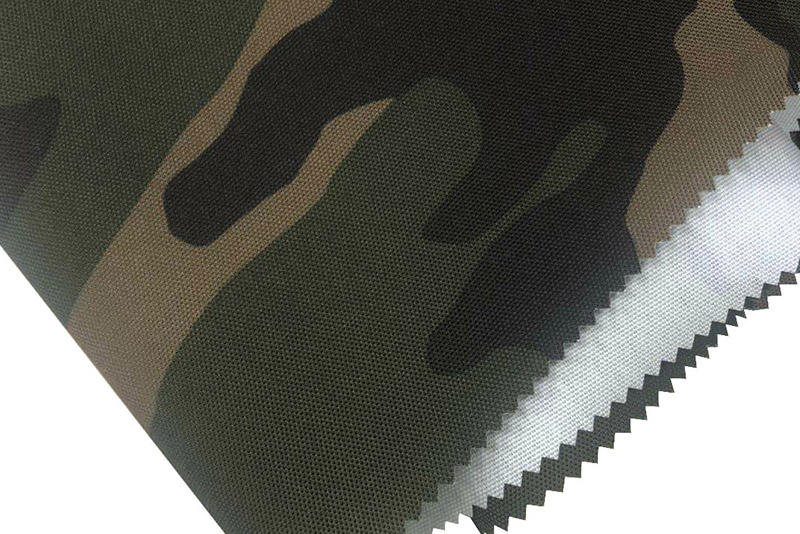
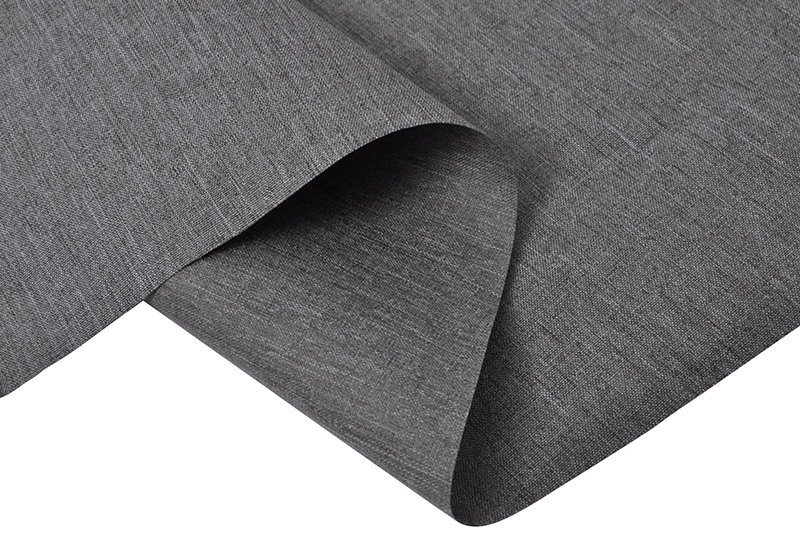
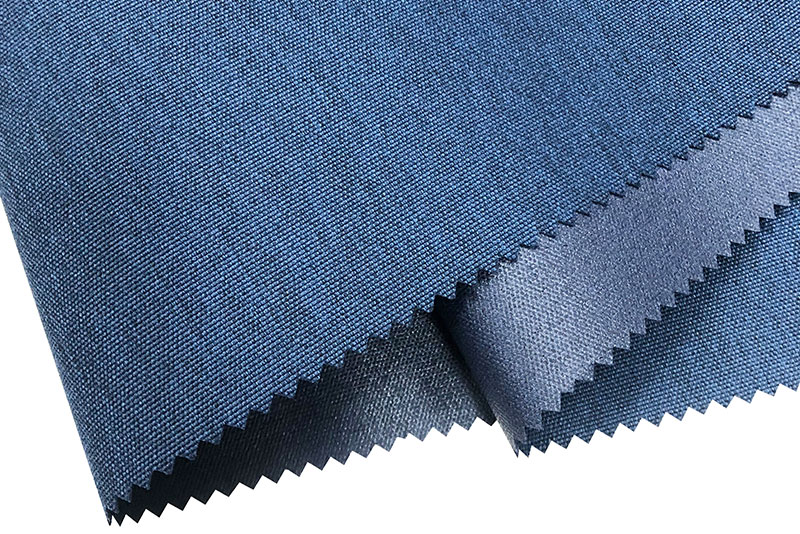
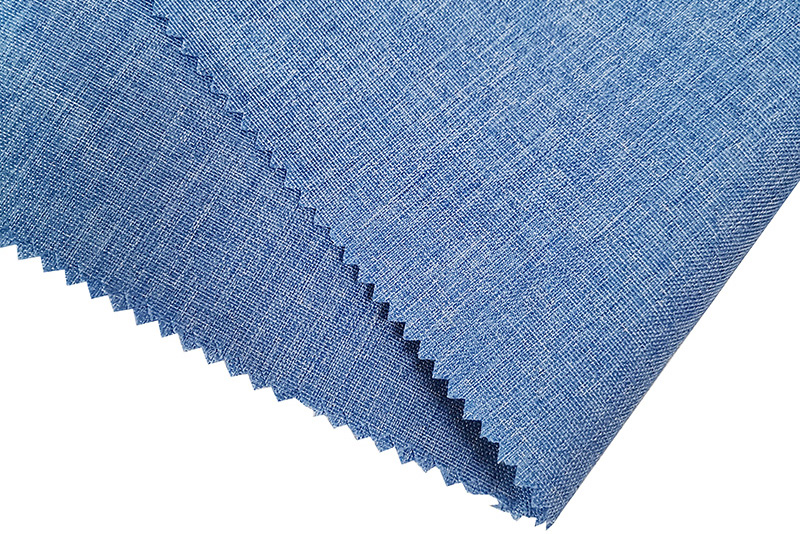
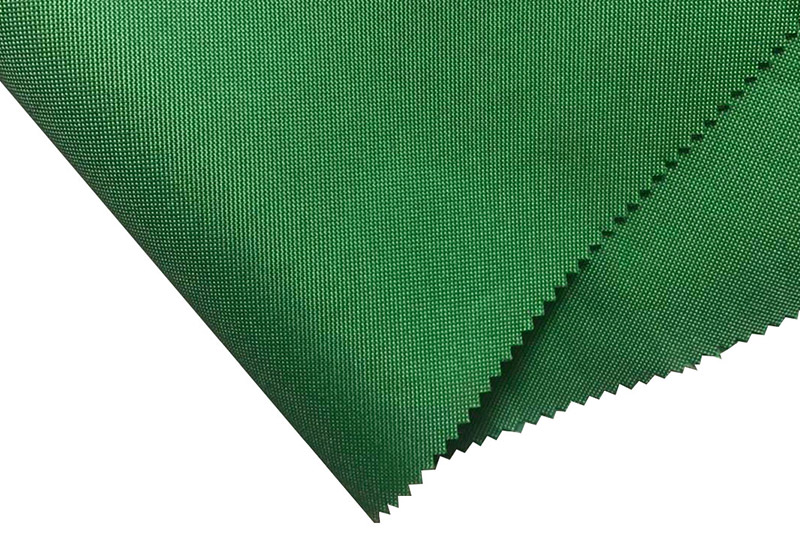
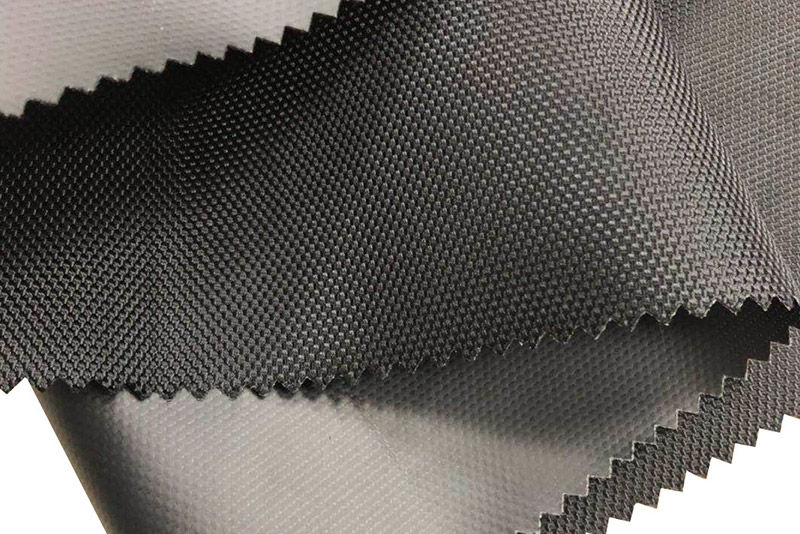
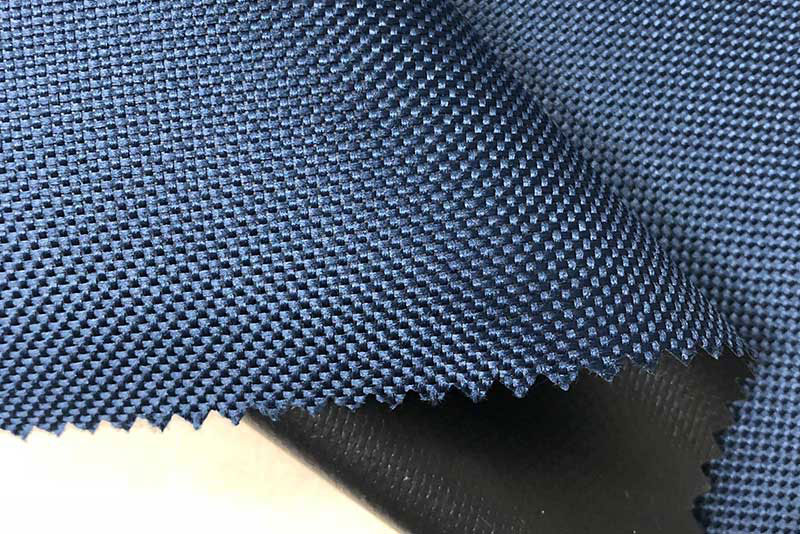
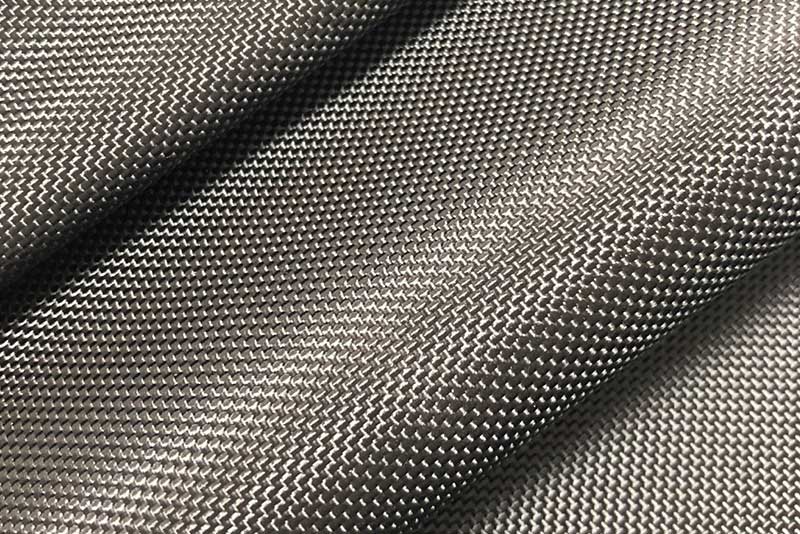
Oxford fabric refers specifically to a basket weave construction in which two or more warp yarns weave together as a single unit over and under corresponding groups of weft yarns, creating a distinctive grid-like surface pattern of interlocked squares or rectangles. This structure produces a fabric with greater thickness and more visible surface texture than plain weave, while maintaining good dimensional stability and a balanced weave that resists bias distortion. When DTY yarn is used as the base fiber for Oxford weaving, the resulting fabric combines the surface texture and softness of the crimped filament with the structural robustness of the basket weave, producing a material that is notably softer and more visually interesting than FDY-based Oxford fabrics of equivalent weight while retaining excellent mechanical performance.
How DTY Oxford Differs from FDY Oxford and Other Polyester Fabrics
The distinction between DTY and FDY Oxford fabrics is meaningful in practice, and understanding the differences clarifies which product is appropriate for a given application. Both are woven from polyester in an Oxford basket weave, but their yarn structure creates measurably different fabric characteristics that translate into different end-use performance profiles.
Surface Texture and Hand Feel
FDY Oxford fabric has a smoother, slightly shiny surface due to the straight, flat filaments lying closely together in the weave. DTY Oxford has a more matte, subtly textured surface with a softer, more fabric-like hand that reduces the synthetic "plastic" feel associated with smooth polyester. This makes DTY Oxford more appropriate for applications involving direct human contact — bag interiors, garment outer shells, soft luggage — where tactile quality affects the perceived product value.
Bulk and Coverage
The crimped structure of DTY yarn provides greater bulk per unit weight compared to FDY. A DTY Oxford fabric at 300D (denier) will appear visually fuller and cover a surface more opaquely than a 300D FDY Oxford of the same weave density, because the crimped filaments occupy more volume in the weave. This improved coverage reduces pinholes and fabric porosity — an advantage in water resistance applications where coating adhesion depends on an adequately closed fabric substrate.
Elongation and Recovery
The helical crimp in DTY filaments gives DTY Oxford a measurably higher elongation at break and better elastic recovery compared to FDY Oxford of equivalent weight. This means DTY Oxford fabric absorbs dynamic loads — impacts, flex cycles, and stretching forces at stitched seams and attachment points — with less risk of yarn breakage or seam failure. For bags, backpacks, and equipment covers that undergo repeated loading and flexing cycles, this additional strain tolerance contributes meaningfully to the product's service life.
Key Technical Specifications and What They Mean for Performance
DTY polyester Oxford fabric is produced in a wide range of specifications that determine its weight, strength, finish, and suitability for different applications. Evaluating fabric against the following parameters ensures you select material that will perform correctly in its intended end use rather than discovering inadequacies only after production has begun.
| Specification | Common Range | Practical Significance |
| Yarn Count (Denier) | 150D, 300D, 420D, 600D, 900D, 1200D | Higher denier = heavier, stronger fabric; lower denier = lighter, more flexible |
| Fabric Weight (GSM) | 100 – 450 GSM | Determines structural body, drape, and suitability for specific product categories |
| Tensile Strength | 800 – 2500 N (warp/weft) | Governs ability to withstand load forces at seams and attachment hardware |
| Tear Strength | 40 – 200 N (Elmendorf) | Critical for resistance to notch propagation and puncture failure in use |
| Water Column (Hydrostatic Head) | 600 – 3000+ mm H₂O (coated) | Measures resistance to water penetration under pressure — essential for outdoor use |
| Width | 150cm, 160cm (standard) | Determines cutting efficiency and pattern piece nesting in production |
Coatings and Finishes Applied to DTY Oxford Fabric
As woven from DTY polyester yarn alone, Oxford fabric provides excellent mechanical strength but limited water resistance and no thermal or chemical barrier properties. Functional coatings and finishes are applied to the base fabric during finishing to extend its performance into application areas where the uncoated fabric would be inadequate. The coating or finish selected is often as important as the base fabric specification when evaluating DTY Oxford for a specific use case.
PU (Polyurethane) Coating
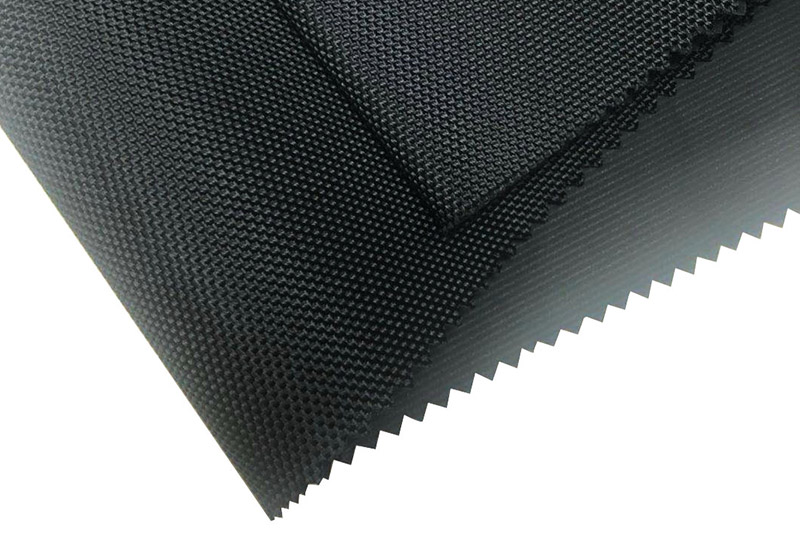
PU coating is the most widely applied finish on DTY Oxford fabrics intended for bags, luggage, outdoor covers, and rain gear. A thin film of polyurethane is applied to one face of the woven fabric by knife-over-roll or gravure coating, filling the interstices between yarns and creating a continuous waterproof membrane on the fabric back. PU-coated DTY Oxford fabrics are tested for water resistance by hydrostatic head (ISO 811 or equivalent), with typical values ranging from 800mm H₂O for light-duty applications to over 2000mm H₂O for demanding waterproof products. PU coating also improves abrasion resistance on the coated face and provides a stable substrate for printing or embossing decorative patterns.
PA (Polyacrylate) Coating
Polyacrylate coatings provide water resistance and improved fabric body at lower cost than PU coatings, and they are commonly used in mid-range Oxford fabric products for bags, canopies, and promotional items. PA-coated fabrics have a slightly stiffer hand than PU-coated alternatives and generally lower hydrostatic head values for the same coating weight, making them appropriate for applications where light rain resistance is adequate but sustained waterproofing is not the primary requirement.
Silver and Thermal Coatings
For automotive sunshades, insulated bags, picnic mats, and thermal covers, DTY Oxford is coated with aluminum-pigmented or foil-laminated coatings that reflect radiant heat and provide thermal insulation. Silver-coated Oxford fabric reflects a significant proportion of solar radiation, maintaining lower surface and interior temperatures in applications like windshield covers and pet carriers — a function entirely absent from standard PU-coated fabric.
DWR (Durable Water Repellent) Finish
DWR finishes are applied to the fabric face rather than the back, causing water to bead and roll off the fabric surface rather than wetting out and soaking through. Modern DWR finishes are fluorocarbon-free formulations that meet PFAS restriction requirements in European and North American markets, applied by pad-dry-cure processes that bond the repellent chemistry to the yarn surface. DWR treatment is often applied in combination with a back coating — the coating provides the waterproof barrier while the DWR prevents the fabric face from absorbing water weight during rain exposure.
Primary Applications Across Industries
DTY polyester Oxford fabric's balance of toughness, workability, and finish versatility makes it one of the most broadly deployed technical fabrics in global manufacturing. Its applications span product categories with very different functional requirements, all united by the need for a fabric that is strong, dimensionally stable, and economical to produce with.
- Bags and Luggage: This is the single largest application category for DTY Oxford fabric globally. Backpacks, duffel bags, laptop bags, tote bags, tool bags, and hard-sided luggage shells all use DTY Oxford in weights from 300D to 1200D depending on the load-bearing requirements of the product. The fabric's high tensile and tear strength withstand the stresses of heavy contents, repeated zipping, and rough handling through transport systems, while the soft hand and matte surface of DTY yarn give finished bags a more premium appearance than equivalent FDY-based fabrics.
- Outdoor Furniture and Canopies: Garden furniture covers, parasol canopies, gazebo roofs, and sun shelter panels use UV-stabilized and PU-coated DTY Oxford fabrics that withstand prolonged outdoor exposure, rain loading, and UV degradation. Fabrics for these applications are typically specified with UV resistance ratings of at least Grade 5 on the Blue Scale (ISO 105-B02) and water columns above 1500mm H₂O.
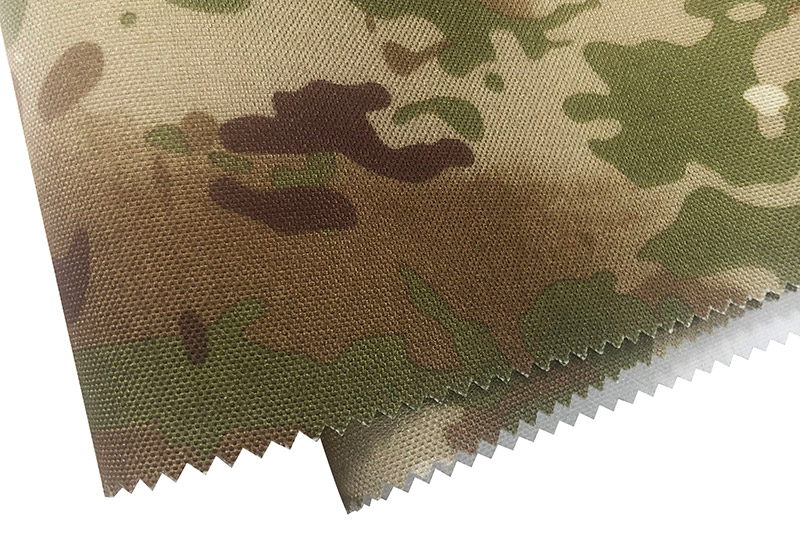
- Military and Tactical Equipment: Pouches, MOLLE webbing panels, hydration carrier covers, and equipment bags in military applications use heavy DTY Oxford fabrics in 600D to 1200D, often in camouflage colorways with infrared-reflective dyes that comply with military spectral requirements. The combination of high strength, abrasion resistance, and PU water resistance makes DTY Oxford a standard substrate for military soft goods manufacturing worldwide.
- Automotive Interiors and Accessories: Car boot organizers, seat back pockets, tool roll holders, and windshield covers commonly use DTY Oxford in 300D to 600D with PU or thermal coatings. The fabric's dimensional stability under temperature cycling — from sub-zero winter storage to high summer interior temperatures — makes it a reliable choice for automotive accessory manufacturing where dimensional consistency affects fit and assembly quality.
- Industrial Protective Covers: Equipment dustcovers, machinery protective sheets, cable management sleeves, and workshop storage organizers use heavyweight DTY Oxford fabrics where the requirement is abrasion resistance and shape retention under repeated use rather than decorative appeal. In these applications, the fabric's performance at the reinforced stitching points and grommets that attach it to the protected object is as important as the fabric body itself.
How to Evaluate DTY Oxford Fabric Quality Before Purchasing
The DTY polyester Oxford fabric market spans a wide quality range, and price alone is an unreliable indicator of performance. Factories producing for budget markets routinely blend lower-grade recycled polyester or use coarser yarn counts labeled as finer deniers to reduce material costs — producing fabric that fails to meet performance expectations in use despite appearing adequate on inspection. Systematic evaluation against the following criteria before committing to a supplier or fabric specification prevents costly production issues and product failures.
- Yarn Count Verification: Request third-party testing of actual denier count against the declared specification using ASTM D1577 or ISO 1889 test methods. Yarn count directly governs tensile strength and fabric weight — understated denier means weaker fabric than specified, which compromises every downstream performance claim built on the declared yarn count.
- Coating Adhesion and Uniformity: Flex a coated fabric sample repeatedly and examine the coating face for cracking, delamination, or pinholes that indicate insufficient coating weight or poor adhesion. Check the coating uniformity by holding the fabric up to a strong light source — uncoated pinholes appear as bright spots that confirm inadequate fabric coverage or coating penetration.
- Colorfastness Testing: For any colored DTY Oxford fabric, request ISO 105-C06 wash fastness and ISO 105-B02 light fastness test reports. A minimum rating of Grade 4 for wash fastness and Grade 5 for light fastness is appropriate for most bag and outdoor applications. Fabrics with lower ratings will fade, bleed color onto adjacent materials, or develop unsightly color changes in service.
- Shrinkage After Washing: Test a fabric sample through a standard 40°C machine wash cycle and measure dimensional change. DTY Oxford should exhibit less than 3% shrinkage in warp and weft — higher shrinkage indicates insufficient heat-setting during finishing and will cause sewn products to distort in shape after the first customer wash, generating returns and quality complaints.
- REACH and Chemical Compliance: For products sold into European, North American, or Japanese markets, verify that the fabric and its coatings comply with relevant chemical restrictions — specifically REACH SVHC (Substances of Very High Concern), PFAS restrictions on DWR treatments, and OEKO-TEX Standard 100 for products with skin contact. Request up-to-date third-party test reports rather than relying on supplier declarations alone, as chemical compliance status changes as new substances are added to restriction lists.
Sewing and Fabrication Considerations for DTY Oxford Fabric
DTY polyester Oxford fabric is generally straightforward to sew and fabricate, but a few process adjustments improve seam quality and extend the working life of finished products. Use industrial sewing needles in size 90/14 to 110/18 depending on fabric weight — finer needles for 150D to 300D fabrics, heavier needles for 600D and above. Sewing thread should be bonded polyester in weight matched to the needle size, as polyester thread has equivalent elongation and UV resistance to the fabric and will not degrade at a faster rate than the material it secures.
Stitch length of 3.0–4.0mm provides a good balance between seam strength and fabric perforation — shorter stitches weaken the fabric along the stitch line by creating a closely spaced series of needle holes that can propagate into a tear under load. For load-bearing seams on bags and equipment, double-stitched or bar-tacked reinforcement at stress points distributes forces over a larger area and prevents premature seam failure at attachment points. When cutting coated Oxford fabric, use a hot knife or heat-cutting blade rather than cold scissors for edges that will remain unstitched — heat-sealing the cut edge melts the polyester filaments and fuses them together, preventing fraying and yarn pullout in the finished product without requiring additional tape or binding treatment.

 Tel: +86-571-22917799
 Fax: +86-571-82799678
 E-mail:
 Add: No.88 Yinxin Rd.,Yaqian Town,Hangzhou City, Zhejiang, China.