+86-571-22917799



 English
 简体中文
简体中文 русский
 Español
Content
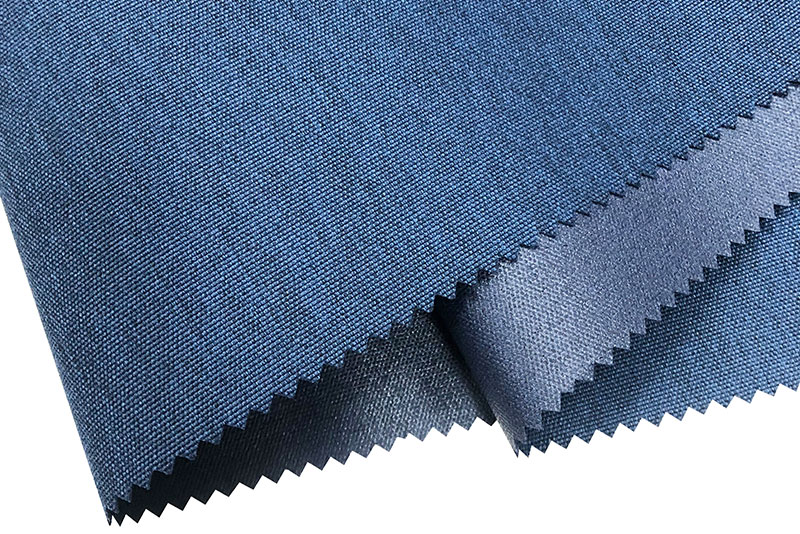
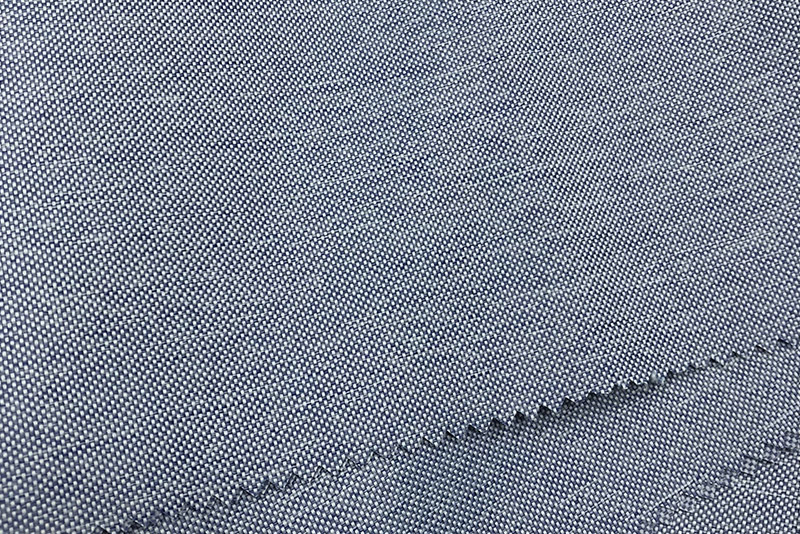
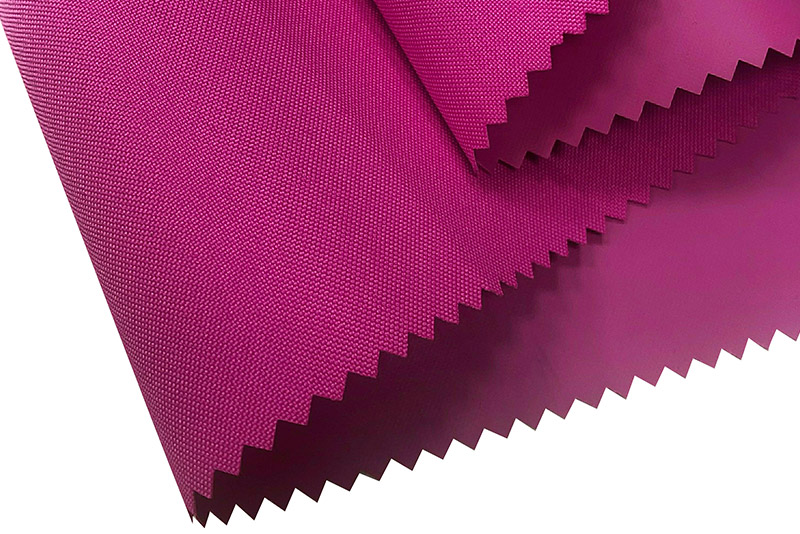
Nylon fabric has played a major role in clothing manufacturing since its introduction in the 1930s, valued for its strength, elasticity, and resistance to moisture. Unlike natural fibers, nylon is a synthetic polymer engineered specifically for durability and performance, which is why it appears in everything from lightweight activewear to heavy-duty outerwear. This guide breaks down the main types of nylon fabric used in clothing production and explains which type works best for different garment categories.
What Makes Nylon Different From Other Synthetic Fibers
Nylon is a synthetic polymer fiber made through a chemical process that combines diamine and dicarboxylic acid, producing a material known for exceptional tensile strength, elasticity, and resistance to abrasion. Compared to polyester, nylon generally offers better elasticity and a smoother, silkier feel, though it tends to be more expensive to produce and less resistant to UV degradation over long-term sun exposure.
These fundamental properties explain why nylon became a preferred material for products requiring both flexibility and strength, from parachutes and stockings in its earliest applications to the wide range of technical and fashion garments it appears in today. Manufacturers have since developed several distinct nylon variants, each engineered to emphasize different performance characteristics depending on the intended clothing application.
Nylon 6 and Nylon 6,6: The Foundation Types
The two most fundamental nylon variants used in textile production are Nylon 6 and Nylon 6,6, named according to the number of carbon atoms in their respective chemical structures. While both share similar general properties, subtle differences affect how they perform in finished garments.
| Type | Key Characteristics | Common Uses |
| Nylon 6 | Softer, slightly more elastic | Hosiery, lingerie, activewear |
| Nylon 6,6 | Higher melting point, more rigid | Outerwear, industrial textiles |
Nylon 6,6 generally holds up better under high-heat conditions and offers slightly greater dimensional stability, which is why it often appears in outerwear and technical fabrics where durability under stress matters more than the softer hand-feel that Nylon 6 provides.
Specialty Nylon Fabric Types Used in Clothing
Beyond the two foundational nylon types, manufacturers have developed several specialized nylon fabrics engineered for particular garment functions.
Ripstop Nylon
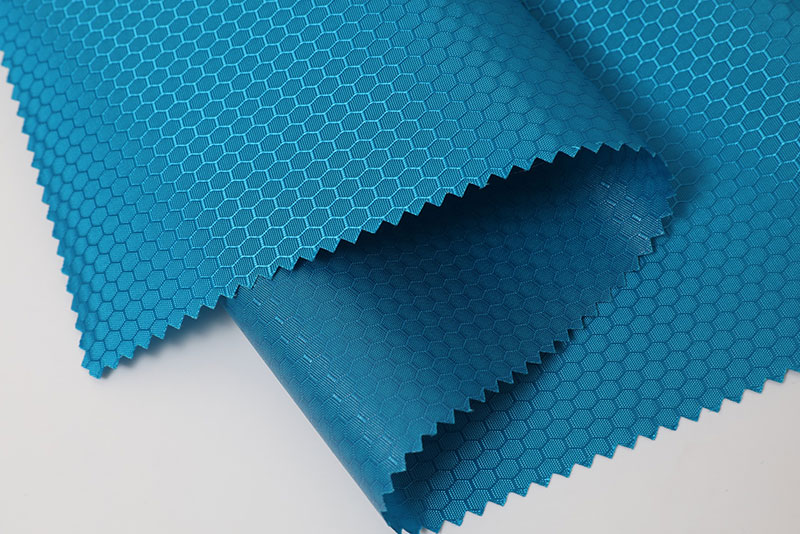
Ripstop nylon incorporates a reinforcing crosshatch pattern woven into the fabric using thicker threads at regular intervals, which prevents small tears from spreading further across the material. This makes it a popular choice for outdoor jackets, windbreakers, and gear where tear resistance is a priority.
Nylon Taffeta
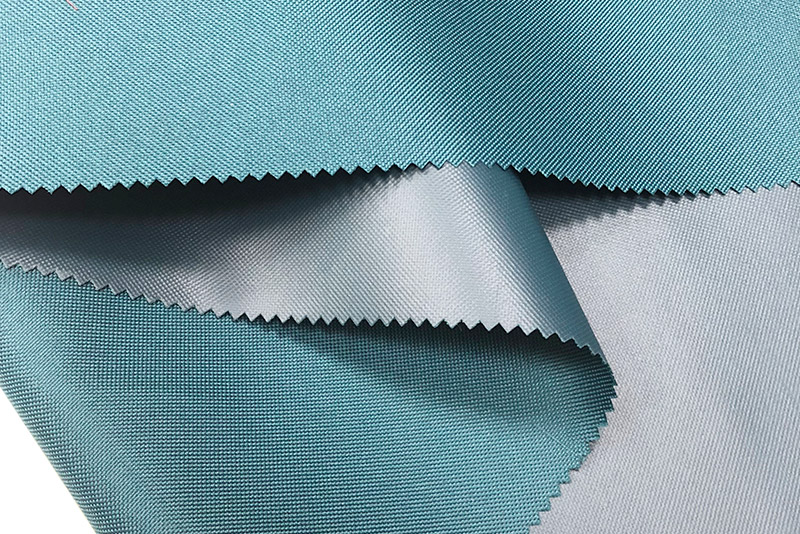
Nylon taffeta is a tightly woven, smooth fabric known for its crisp hand-feel and slight sheen. It is commonly used in jacket linings and lightweight windbreakers because it offers good wind resistance while remaining relatively lightweight.
Nylon Spandex Blends
Combining nylon with spandex, typically in ratios ranging from 80/20 to 90/10, produces a stretchy, form-fitting fabric widely used in activewear, swimwear, and athletic leggings where four-way stretch and shape retention are essential.
Ballistic Nylon
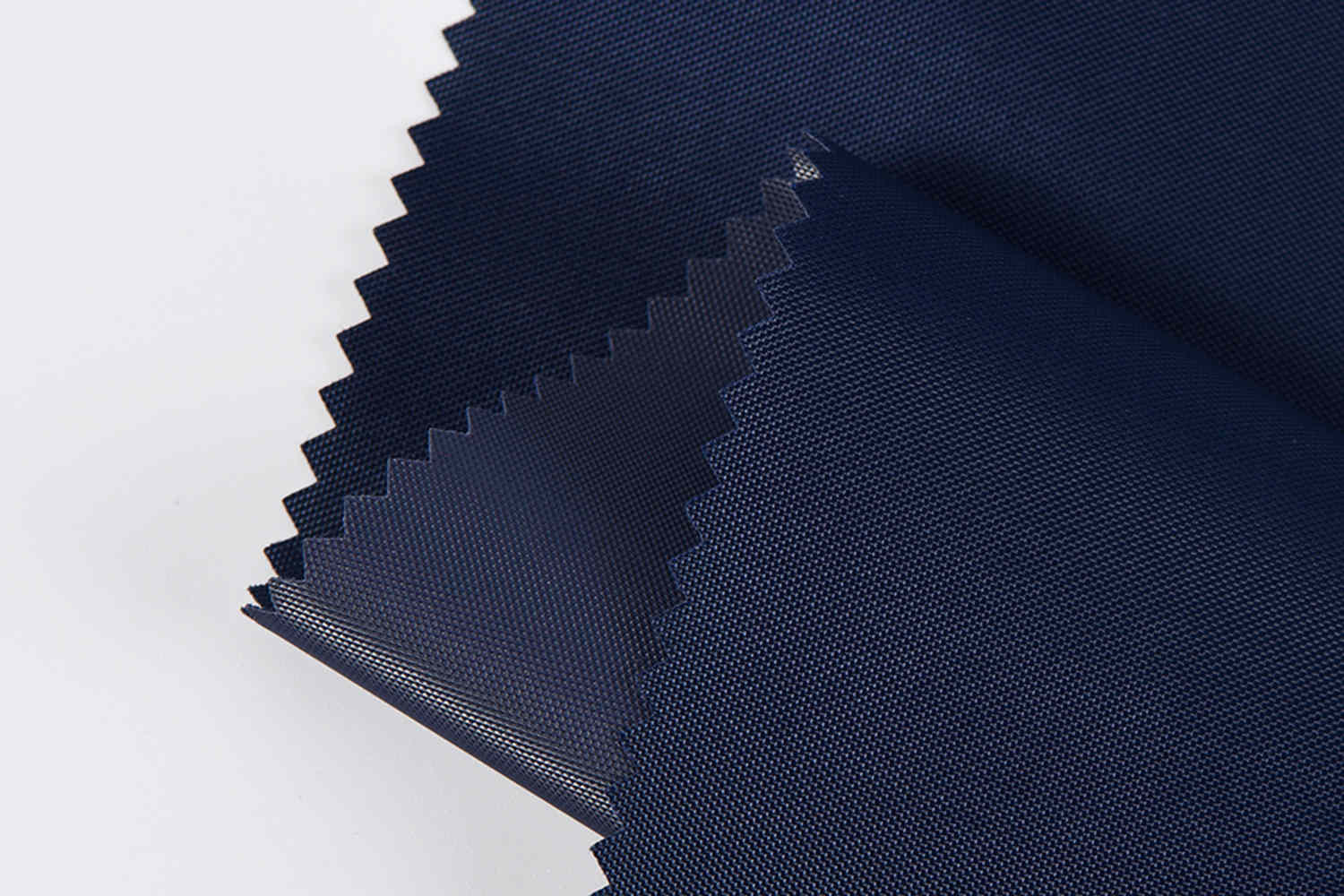
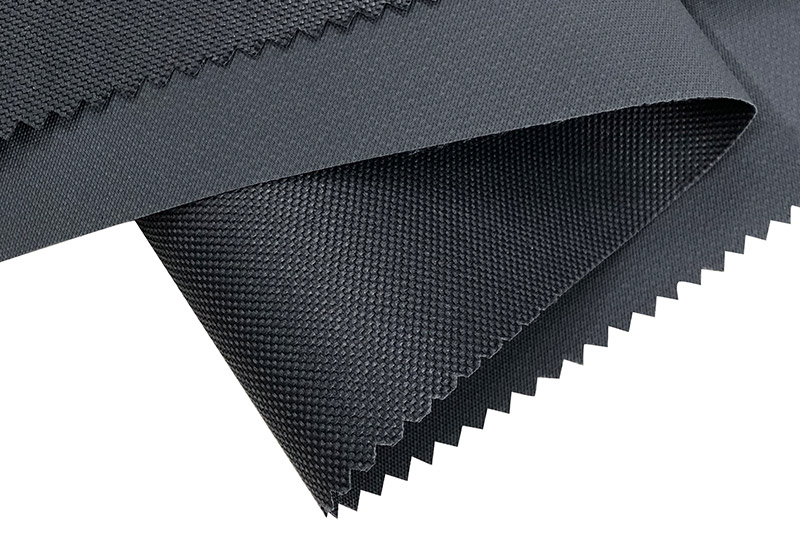
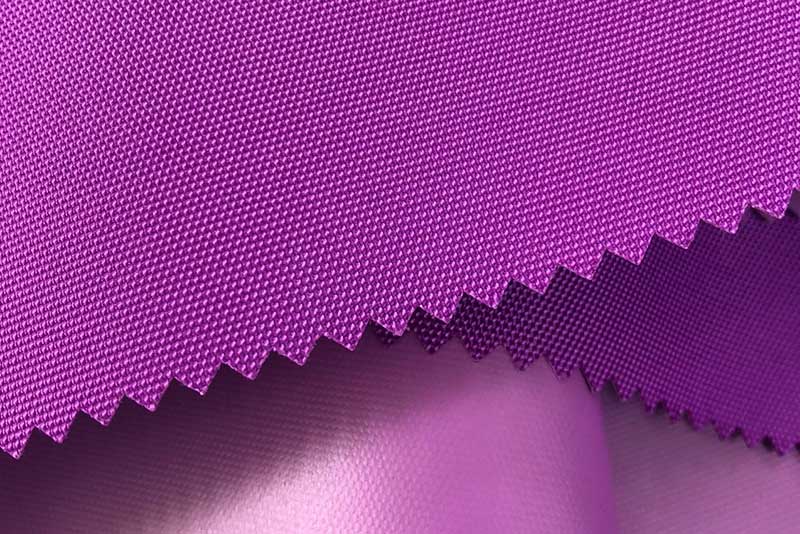
Originally developed for military applications, ballistic nylon is a thick, heavyweight fabric prized for exceptional abrasion and puncture resistance. In clothing, it typically appears in reinforced areas of outerwear or technical apparel designed for rugged use.
Microfiber Nylon
Woven from extremely fine nylon filaments, microfiber nylon produces an exceptionally soft, lightweight fabric often used in performance base layers and lightweight travel clothing where a smooth, non-bulky feel is desired.
Matching Nylon Types to Specific Clothing Categories
Selecting the right nylon type for a garment depends heavily on the intended function and the performance demands the fabric will face.
- Activewear and leggings: nylon spandex blends for stretch and shape retention
- Rain jackets and windbreakers: nylon taffeta or ripstop nylon for wind and water resistance
- Hiking and outdoor gear: ripstop nylon for tear resistance under rugged conditions
- Hosiery and lingerie: standard Nylon 6 for softness and elasticity
- Backpacks, bags, and reinforced garment panels: ballistic nylon for abrasion resistance
Many performance garments actually combine multiple nylon types within a single piece, using a stretch blend in the body of a garment while reinforcing high-wear areas like knees or elbows with a tougher ripstop or ballistic nylon panel.
Key Properties to Consider When Choosing Nylon Fabric
Beyond fabric type, several performance characteristics should factor into fabric selection for clothing production.
Denier Rating
Denier measures fiber thickness and directly correlates with durability and weight. Lower denier nylon, often in the 20D to 40D range, suits lightweight linings and packable jackets, while higher denier nylon, such as 500D or higher, is better suited to rugged outerwear and bags requiring maximum abrasion resistance.
Coating and Treatment
Many nylon fabrics used in outerwear receive additional coatings, such as polyurethane or DWR (durable water repellent) treatments, to enhance waterproofing beyond what the base fabric alone can provide.
Breathability
Standard nylon has relatively low breathability compared to natural fibers, which is why performance nylon fabrics often incorporate specialized weave structures or moisture-wicking finishes to improve comfort during active use.
Caring for Nylon Clothing
Nylon garments generally require gentler care than many other synthetic fabrics due to their sensitivity to high heat. Washing in cold or lukewarm water and air drying or using a low-heat setting helps prevent the fibers from weakening or losing their shape over repeated washes.
Nylon is also more prone to UV degradation than some synthetic alternatives, so garments that see frequent sun exposure, such as outdoor and activewear pieces, may show gradual weakening or color fading over time if not stored or treated with UV-protective care. Avoiding high-heat ironing and using a pressing cloth when necessary also helps preserve the fabric's surface finish and prevent melting or glazing. By understanding the distinct properties of each nylon type, clothing manufacturers and shoppers alike can make more informed choices that match fabric performance to the specific demands of a garment's intended use.

 Tel: +86-571-22917799
 Fax: +86-571-82799678
 E-mail:
 Add: No.88 Yinxin Rd.,Yaqian Town,Hangzhou City, Zhejiang, China.