+86-571-22917799



 English
 简体中文
简体中文 русский
 Español
Content
What Is Nylon Fabric and Where Did It Come From?
Nylon fabric is a synthetic textile made from polyamide fibers, first developed by DuPont chemist Wallace Carothers and introduced to the public in 1938. It was the world's first fully synthetic fiber produced entirely from petrochemical sources, and its debut marked a turning point in the history of textiles. Originally launched as a replacement for silk in women's stockings, nylon quickly demonstrated a range of properties that made it valuable far beyond the hosiery market. Within a decade of its introduction, it was being used in parachutes, ropes, toothbrush bristles, and military gear during World War II, establishing its reputation as a high-performance industrial and consumer material.
The name "nylon" does not stand for anything specific — it was coined by DuPont as a generic brand term that eventually became the common name for the entire class of polyamide-based synthetic fibers. The chemistry behind nylon involves the polymerization of diamine and dicarboxylic acid molecules to form long molecular chains with repeating amide linkages. These chains are then extruded through fine holes called spinnerets to produce filaments, which are stretched, drawn, and twisted into yarn. The precise molecular structure of the polymer determines the mechanical and thermal properties of the resulting fiber, and different nylon variants — such as nylon 6 and nylon 6,6 — are produced by varying the chemical starting materials and polymerization conditions.
Key Properties That Make Nylon Fabric Stand Out
Nylon fabric possesses a combination of properties that very few natural or synthetic fibers can match across the board. These characteristics explain why it remains one of the most widely used textile materials in the world more than eight decades after its introduction.
- Exceptional tensile strength: Nylon has one of the highest strength-to-weight ratios of any textile fiber. It resists tearing, breaking, and abrasion far better than most natural fibers of equivalent weight, making it ideal for applications that involve stress, friction, or heavy use.
- Outstanding elasticity and recovery: Nylon fibers can stretch significantly under load and return to their original dimensions once the stress is released. This elastic recovery makes nylon an excellent choice for activewear, hosiery, and any garment that must retain its shape after repeated stretching.
- Abrasion resistance: The surface of nylon fabric is highly resistant to rubbing and friction damage, which gives nylon garments and gear a long service life even under conditions of regular physical contact with rough surfaces.
- Low moisture absorption: Nylon absorbs relatively little water compared to natural fibers like cotton or wool. It dries quickly after exposure to moisture, which is a valuable property for outdoor clothing, swimwear, and rainwear.
- Lightweight construction: Despite its strength, nylon is a very lightweight material. This combination of low weight and high durability makes it the fabric of choice for performance gear, travel accessories, and technical apparel where carrying weight is a concern.
- Chemical and mildew resistance: Nylon resists damage from many chemicals, oils, and biological agents including mold and mildew. This makes it a practical choice for bags, luggage, outdoor equipment, and marine applications where exposure to harsh environments is expected.
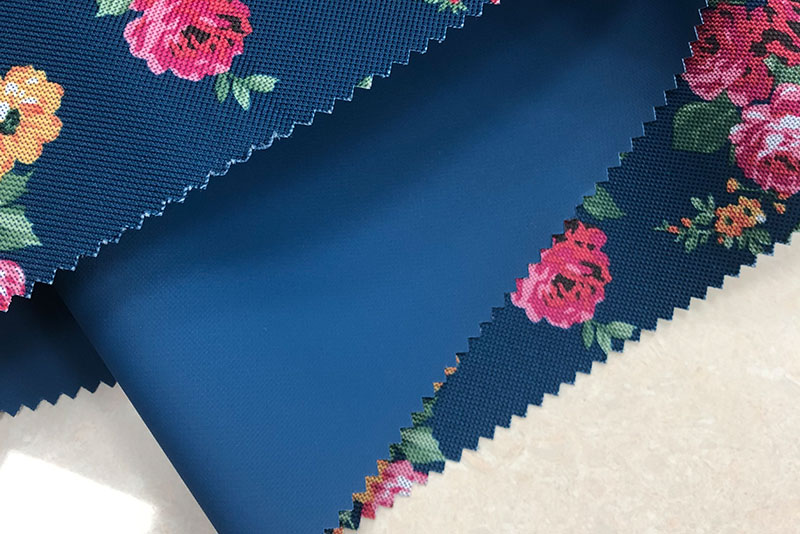
- Dyeability: Nylon accepts dyes readily and can be produced in a wide range of vibrant, long-lasting colors. It can also be printed with complex designs using heat transfer or screen printing methods.
However, nylon is not without limitations. It is sensitive to prolonged exposure to ultraviolet light, which can cause yellowing and degradation of fiber strength over time. It also has low resistance to high heat and can melt or deform when exposed to temperatures above approximately 160°C to 220°C depending on the specific grade. Nylon is not naturally breathable in the way that cotton or linen is, which can make it uncomfortable in hot, humid conditions unless specially engineered with moisture-wicking or open-weave constructions.
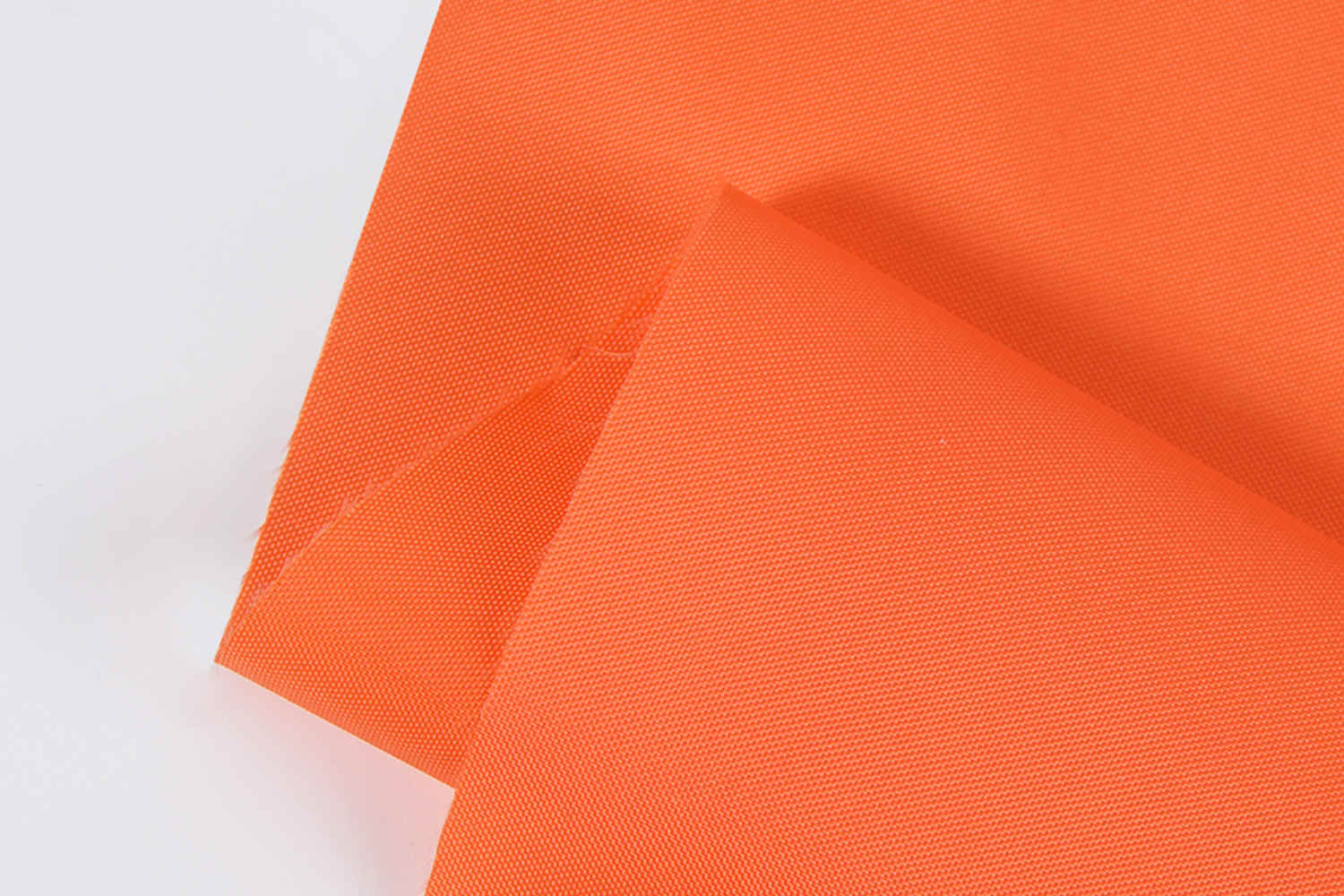
Main Types of Nylon Fabric
The term "nylon fabric" covers a broad family of materials that differ significantly in their construction, weight, finish, and intended use. Understanding the main types helps buyers and designers select the right variant for each application.
Nylon Taffeta
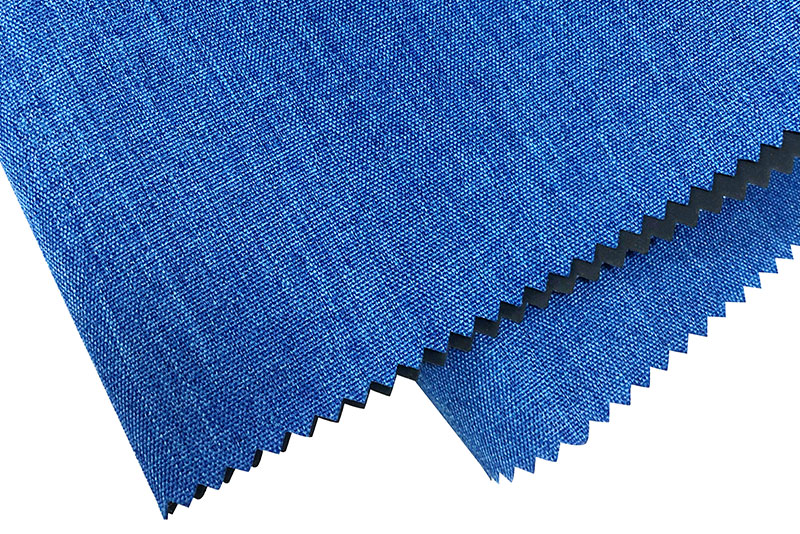
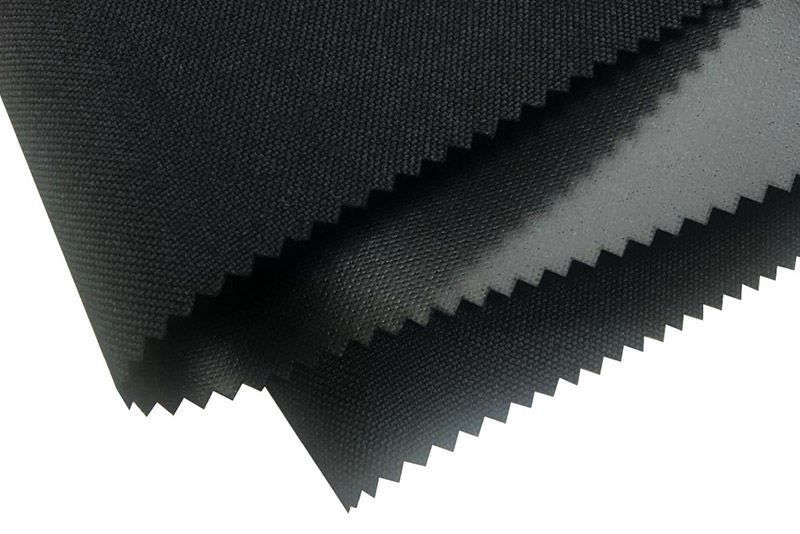
Nylon taffeta is a lightweight, tightly woven fabric with a crisp hand feel and a smooth, slightly lustrous surface. It is one of the most commonly used nylon fabrics for outerwear, windbreakers, and jacket linings because of its wind resistance and low weight. Ripstop nylon taffeta incorporates a reinforcing grid of thicker threads woven at regular intervals into the base fabric, preventing small tears from propagating across the material. This construction is widely used in backpacks, tents, sleeping bag shells, and kites where tear resistance is critical but weight must remain minimal.
Nylon Spandex Blend
Combining nylon with spandex (elastane) produces a fabric with exceptional stretch, recovery, and a smooth, body-conforming fit. Nylon-spandex blends are the dominant material in athletic leggings, yoga pants, swimwear, compression garments, and form-fitting activewear. The nylon component provides strength, abrasion resistance, and color vibrancy, while the spandex contributes the four-way stretch and elastic recovery that makes the fabric comfortable during dynamic movement. Most nylon-spandex fabrics contain between 15% and 30% spandex by weight, with higher spandex content delivering greater stretch and compression.
Ballistic Nylon
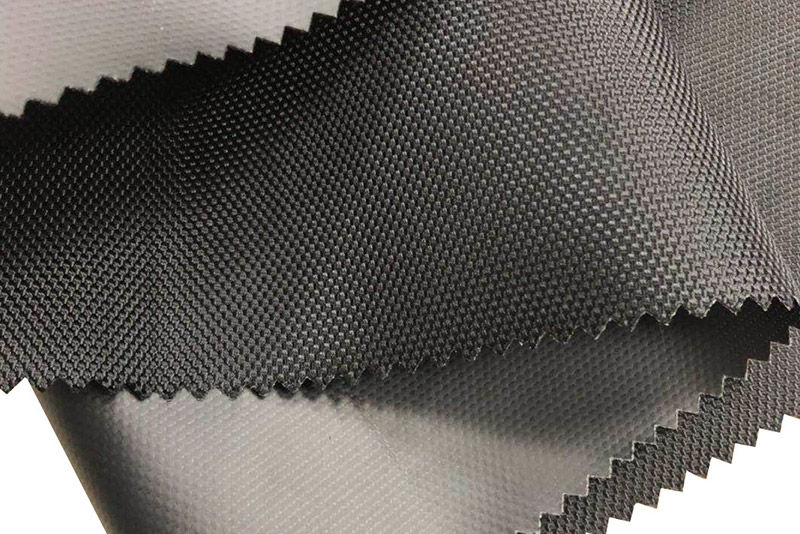
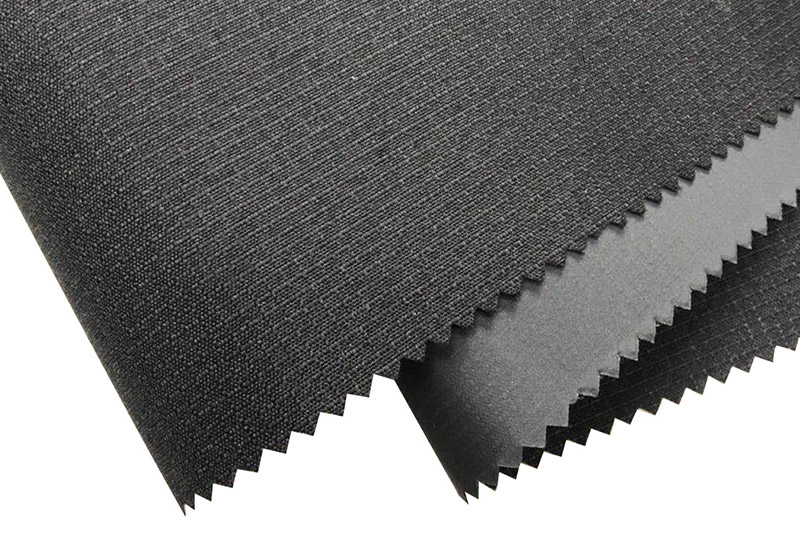
Ballistic nylon was originally developed during World War II for use in flak jackets and military body armor. It is a thick, extremely tough woven fabric constructed from high-denier nylon yarn in a distinctive 2x2 or 3x3 basket weave pattern that distributes impact forces across a wide area of the fabric. Today, ballistic nylon is no longer used for personal ballistic protection — modern body armor relies on aramid fibers — but it remains widely used in heavy-duty luggage, briefcases, military bags, holsters, and protective cases where maximum abrasion and puncture resistance are required. The surface texture of ballistic nylon is characteristically rough and matte, and the fabric is very stiff compared to lighter nylon types.
Nylon Mesh
Nylon mesh is an open-weave or knit fabric with a regular pattern of holes or openings across its surface. The size and distribution of these openings can be varied to control the degree of breathability, visibility, and structural support the fabric provides. Nylon mesh is widely used in sports jerseys, athletic shorts, shoe uppers, laundry bags, produce bags, and industrial filtration applications. In footwear, nylon mesh provides lightweight, breathable panels that allow air circulation while maintaining structural integrity around the sole attachment and toe box areas.
Nylon Satin
Nylon satin uses the satin weave structure applied to nylon filament yarns to produce a fabric with a smooth, glossy surface on one side and a matte finish on the other. It is softer and more affordable than silk satin and is widely used in lingerie, nightwear, dress linings, and fashion garments where a luxurious surface appearance is desired at a moderate price. Nylon satin drapes well, resists wrinkling to a reasonable degree, and is machine washable, making it more practical for everyday use than silk-based alternatives.
Applications of Nylon Fabric Across Industries
Nylon fabric's unique combination of strength, flexibility, and durability makes it relevant across an exceptionally wide range of industries and product categories. The table below provides a structured overview of major application areas and the nylon fabric types most commonly used in each:
| Industry | Application | Nylon Type Used |
| Sportswear & Activewear | Leggings, sports bras, swimwear | Nylon-spandex blend |
| Outdoor & Technical Gear | Tents, backpacks, sleeping bags | Ripstop nylon taffeta |
| Luggage & Bags | Hard-use travel bags, briefcases | Ballistic nylon |
| Fashion & Lingerie | Nightwear, linings, hosiery | Nylon satin, sheer nylon |
| Footwear | Shoe uppers, breathable panels | Nylon mesh |
| Military & Tactical | Pouches, webbing, tactical vests | Ballistic nylon, Cordura nylon |
| Medical & Industrial | Filtration, sutures, conveyor belts | Industrial nylon mesh & film |
Practical Tips for Sewing With Nylon Fabric
Nylon fabric can be rewarding to sew with once you understand how it behaves differently from woven natural fibers. Its smooth surface, tendency to slip during cutting, and sensitivity to heat all require specific adaptations in tools and technique.
Cutting Nylon Accurately
Nylon's slippery surface makes it prone to shifting on the cutting table, leading to inaccurate cuts if the fabric is not properly secured. Place the fabric on a non-slip cutting mat and use pattern weights rather than pins where possible to avoid distorting the material. A rotary cutter produces cleaner, more precise edges than scissors on most nylon fabrics, particularly taffeta and ripstop. For nylon mesh, sharp fabric scissors give better control around the open weave structure. Cut a single layer where accuracy is critical rather than cutting through multiple layers, which can shift and skew the cut pieces.
Needle, Thread, and Stitch Selection
Use a sharp universal needle in size 70/10 or 75/11 for lightweight nylon fabrics like taffeta or satin, and step up to an 80/12 for medium-weight nylons. A microtex needle works well for very fine or tightly woven nylon. Polyester thread is the preferred choice over cotton thread for nylon garments because it has similar stretch and recovery characteristics to the fabric and will not break under stress where cotton thread might. For nylon-spandex blends, use a ballpoint needle and a stretch stitch or a narrow zigzag to accommodate the fabric's elasticity without popping seams during wear. Nylon mesh benefits from a longer stitch length — approximately 3mm — to avoid perforating and weakening the material along seam lines.
Pressing and Heat Management
Nylon is sensitive to heat and can melt, distort, or develop shiny spots if pressed directly with a hot iron. Always use the lowest iron setting appropriate for synthetics and place a pressing cloth between the iron and the fabric surface. For ripstop and taffeta nylons, finger pressing seams open is often sufficient and safer than using an iron. Seam sealant tape applied with low heat provides a cleaner finish on technical outerwear than iron-on interfacing, which may not adhere reliably to smooth nylon surfaces.
How to Care for Nylon Fabric Garments and Products
Nylon fabric is generally easy to care for, but a few specific guidelines will help preserve its appearance, strength, and functional coatings over the long term. Most nylon garments and products are machine washable, which is one of the practical advantages of synthetic textiles over delicate natural fibers.
Wash nylon items in cool or warm water on a gentle cycle using a mild liquid detergent. Avoid using chlorine bleach, which can weaken nylon fibers and cause yellowing or discoloration. Fabric softeners should also be avoided for technical nylon products such as activewear or outdoor gear, as they can clog moisture-wicking finishes and reduce the effectiveness of durable water repellent (DWR) coatings. Tumble dry nylon on a low heat setting or air dry flat to prevent heat damage and maintain the shape of structured items. Store nylon garments away from prolonged direct sunlight, as UV exposure gradually degrades fiber strength and causes color fading even in UV-stabilized versions. For items with DWR coatings such as rainwear or backpacks, reactivating the coating periodically by tumbling the dry item on low heat for ten to fifteen minutes will restore water repellency after multiple washes have reduced its effectiveness.

 Tel: +86-571-22917799
 Fax: +86-571-82799678
 E-mail:
 Add: No.88 Yinxin Rd.,Yaqian Town,Hangzhou City, Zhejiang, China.