+86-571-22917799



 English
 简体中文
简体中文 русский
 Español
Content
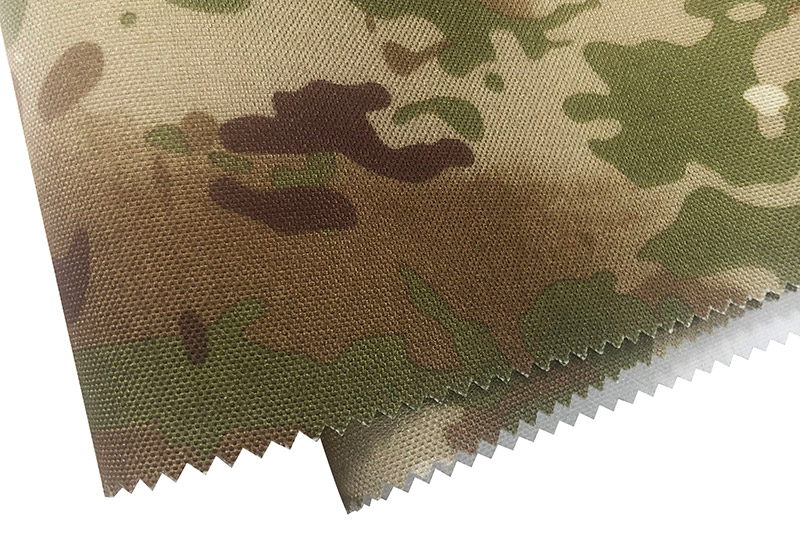
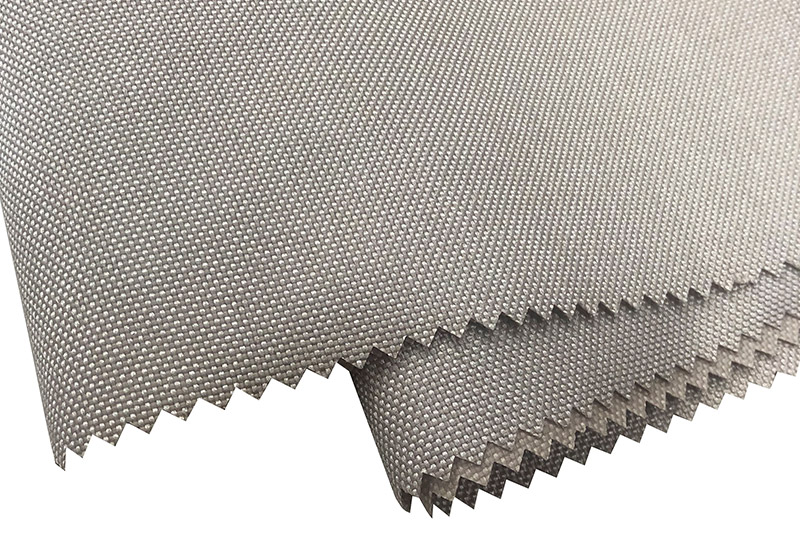
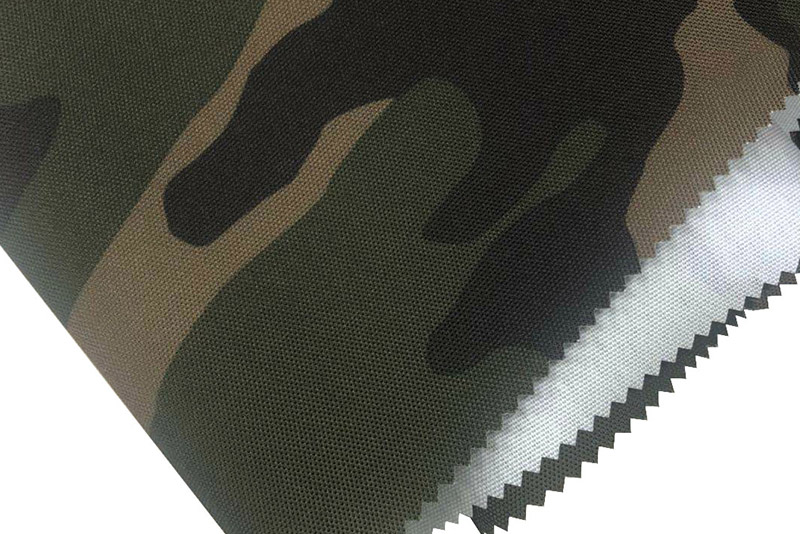
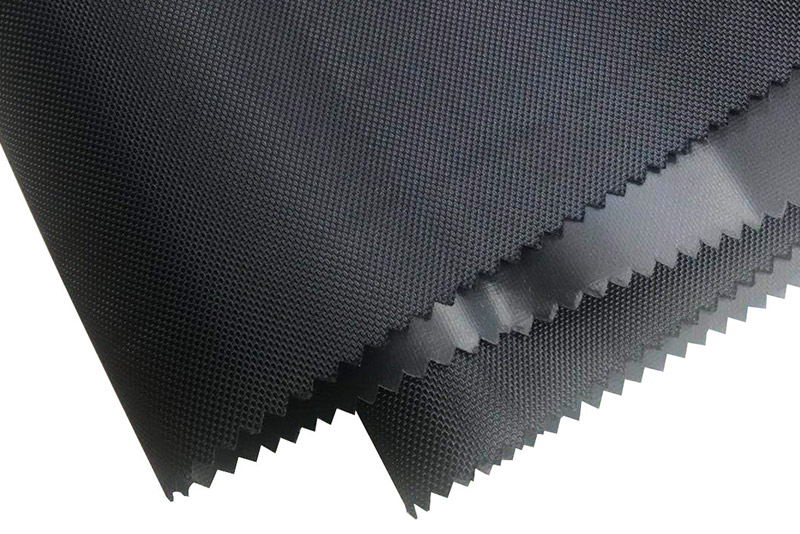
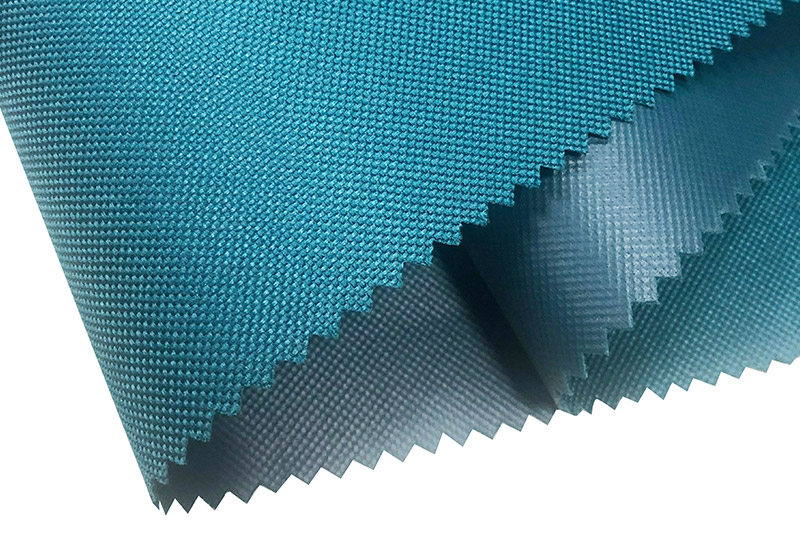
DTY polyester Oxford fabric represents a sophisticated textile material combining draw textured yarn technology with the classic Oxford weaving pattern to create versatile fabrics suited for numerous applications. This specialized fabric construction delivers enhanced softness, elasticity, and aesthetic appeal compared to conventional polyester Oxford materials while maintaining the durability, water resistance, and easy-care properties that make polyester fabrics so popular across industries. Understanding DTY polyester Oxford fabric's unique characteristics, manufacturing processes, and optimal applications enables designers, manufacturers, and consumers to make informed material selections that deliver superior performance and value. This comprehensive guide explores the technical aspects, practical benefits, and diverse uses of DTY polyester Oxford fabric in contemporary textile markets.
Understanding DTY Technology and Oxford Weave Construction
Draw textured yarn, commonly abbreviated as DTY, represents a specialized polyester yarn manufacturing process that transforms flat, smooth filament yarns into textured yarns with enhanced bulk, stretch, and tactile properties. The DTY process begins with partially oriented yarn (POY) produced during initial polyester fiber extrusion. This POY undergoes simultaneous drawing and texturing operations where the yarn passes through heated zones while being stretched to orient the polymer molecules, then immediately textured using false-twist spindles or air-jet systems that introduce permanent crimp and loops into the filament structure.
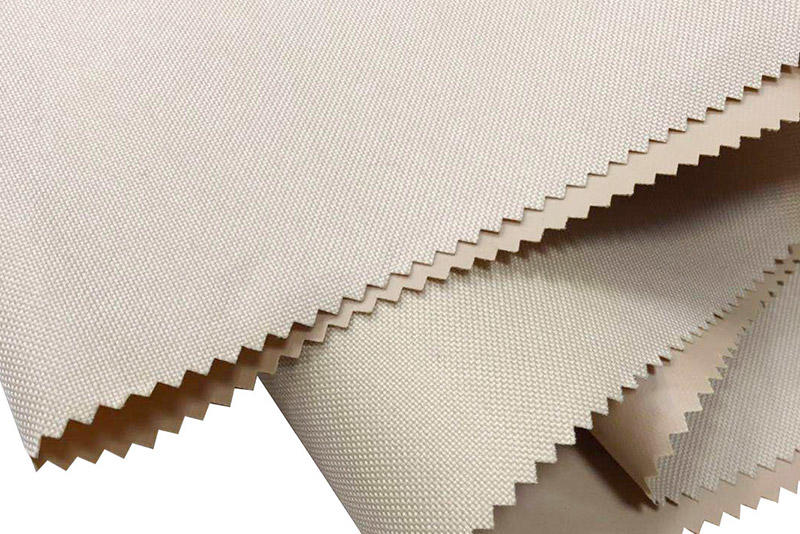
The texturing process fundamentally alters the yarn's physical characteristics, creating spaces between filaments that trap air and provide insulation while giving the yarn a softer, more natural hand feel compared to flat filament yarns. The introduced crimp provides inherent stretch and recovery properties, allowing fabrics made from DTY to exhibit gentle elasticity without requiring spandex or other elastic fibers. This stretch characteristic improves garment comfort, drape, and fit while maintaining dimensional stability after repeated wearing and washing cycles.
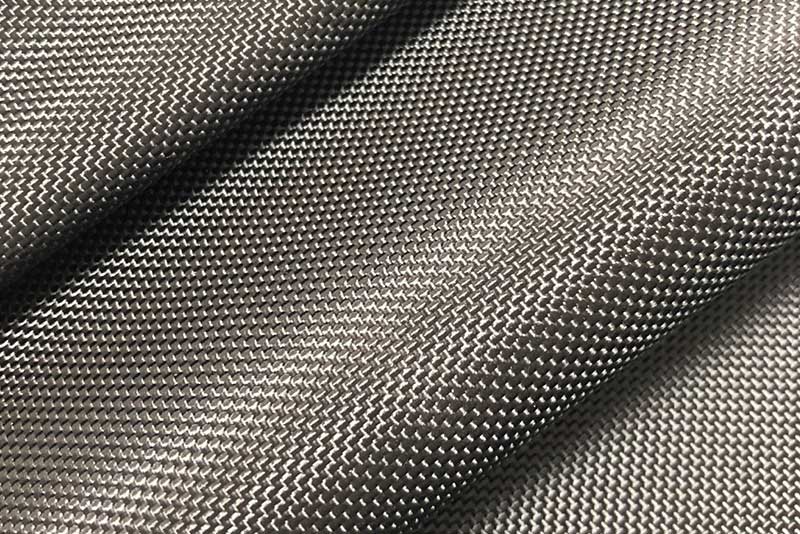
Oxford weave construction refers to a basketweave variation where two or more warp yarns interlace with one or more filling yarns in a specific pattern that creates a distinctive textured surface appearance. The classic Oxford weave uses a 2x1 or 2x2 basketweave structure producing a subtle checkerboard effect visible on the fabric surface. This weave pattern provides several functional advantages including enhanced fabric thickness and weight compared to plain weaves using similar yarn counts, improved abrasion resistance through the multi-yarn interlacing pattern, and distinctive visual texture that adds depth and interest to the fabric appearance.
When DTY technology combines with Oxford weave construction, the resulting fabric exhibits unique properties derived from both components. The textured yarns provide superior softness and drape while the Oxford weave contributes durability and visual appeal. This synergy creates fabrics that outperform both flat filament Oxford fabrics and DTY fabrics in plain weave constructions, offering manufacturers and designers expanded creative possibilities and performance optimization opportunities across diverse application categories.
Key Performance Properties and Characteristics
DTY polyester Oxford fabric demonstrates a comprehensive suite of performance properties that make it suitable for demanding applications across apparel, bags, outdoor gear, and industrial uses. Understanding these properties helps stakeholders evaluate whether this fabric meets specific project requirements and how it compares to alternative materials in terms of functionality and longevity.
Mechanical strength and abrasion resistance rank among the most important properties for Oxford fabrics, as these materials often face harsh usage conditions in bags, luggage, outdoor equipment, and workwear. The multi-yarn Oxford weave construction distributes stress across multiple filaments rather than single yarns, significantly improving tear strength and abrasion resistance compared to plain weave fabrics of similar weight. DTY yarns contribute additional strength through their oriented molecular structure while the textured surface reduces friction-induced wear by cushioning contact points and distributing abrasion forces across a larger surface area.
Water resistance represents another critical property for many DTY polyester Oxford applications, particularly in outdoor gear, bags, and protective covers. Polyester fiber itself exhibits inherently low moisture absorption, typically less than 0.4% moisture regain under standard conditions, preventing water from penetrating the fiber structure. The tight Oxford weave construction creates small interstices between yarns that resist water penetration through surface tension effects, while common finishing treatments including water-repellent coatings further enhance hydrophobic properties. These combined factors enable DTY polyester Oxford fabrics to shed water effectively while maintaining breathability for comfort in apparel applications.
Dimensional stability and wrinkle resistance derive from polyester's thermoplastic nature and the molecular orientation achieved during DTY processing. Once heat-set during finishing operations, DTY polyester Oxford fabrics maintain their dimensions through repeated washing and wearing cycles, exhibiting minimal shrinkage or growth. The fabric's resistance to wrinkling eliminates or reduces ironing requirements, a significant advantage for travel bags, outdoor gear, and easy-care apparel. The inherent stretch from DTY texturing allows the fabric to accommodate body movement or bag contents without permanent deformation, recovering its original shape after stress removal.
| Property | Performance Level | Key Benefits |
| Tensile Strength | High (300-500 N) | Excellent durability for heavy-duty use |
| Abrasion Resistance | Excellent (Grade 4-5) | Extended service life in friction environments |
| Water Resistance | Good to Excellent | Protection against moisture and rain |
| Colorfastness | Excellent (Grade 4-5) | Maintains appearance through washing and sun exposure |
| Wrinkle Recovery | Very Good (85-95%) | Low-maintenance, professional appearance |
Primary Applications and End-Use Markets
DTY polyester Oxford fabric's balanced property profile makes it exceptionally versatile across numerous market segments, from consumer products through industrial applications. Understanding where this fabric excels helps manufacturers and designers leverage its strengths while avoiding applications where alternative materials might perform better.
Bag and luggage manufacturing represents one of the largest consumption areas for DTY polyester Oxford fabric, with applications spanning backpacks, travel bags, laptop cases, camera bags, and specialized carrying equipment. The fabric's combination of strength, abrasion resistance, water repellency, and aesthetic appeal makes it ideal for these demanding applications. Lighter weight DTY Oxford fabrics (150-300 denier) suit school backpacks, daypacks, and casual bags where reduced weight and softer hand feel enhance user comfort. Heavier constructions (600-1200 denier) provide the ruggedness required for hiking packs, luggage, and equipment bags subjected to harsh handling and environmental conditions.
Outdoor and sportswear applications leverage DTY polyester Oxford's weather resistance, durability, and easy-care properties for jackets, pants, vests, and specialized activewear. The fabric's breathability combined with water-repellent treatments creates comfortable garments that protect against light rain and wind while allowing moisture vapor escape to prevent internal condensation buildup. The inherent stretch from DTY texturing improves garment mobility and fit without requiring elastic fiber addition, particularly valuable in outdoor pants, shorts, and active jackets where unrestricted movement enhances performance and comfort.
Industrial and commercial applications include protective covers for equipment, machinery, and vehicles where weather protection, UV resistance, and durability justify material selection. Tent manufacturing for camping and events utilizes lighter DTY Oxford fabrics that balance strength with packability and reasonable weight. Upholstery for outdoor furniture, marine applications, and commercial seating benefits from the fabric's stain resistance, easy cleaning, and color retention under sun exposure. Military and tactical gear represents a specialized but significant market segment where DTY polyester Oxford's performance characteristics meet demanding specification requirements for field equipment, pouches, and carrying systems.
Common Application Categories
- Backpacks, daypacks, and school bags for everyday carrying needs
- Travel luggage, duffel bags, and wheeled suitcases for tourism and business
- Outdoor apparel including windbreakers, rain jackets, and hiking pants
- Sports equipment bags for gym, team sports, and individual athletics
- Protective covers for vehicles, equipment, and outdoor furniture
- Camping and outdoor gear including tents, tarps, and storage solutions
- Tactical and military equipment pouches, vests, and carrying systems
Coating and Finishing Options
While DTY polyester Oxford fabric delivers excellent baseline performance, various coating and finishing treatments further enhance specific properties to meet specialized application requirements. Understanding available finishing options enables optimization of fabric performance for particular end-uses while managing cost implications of additional processing.
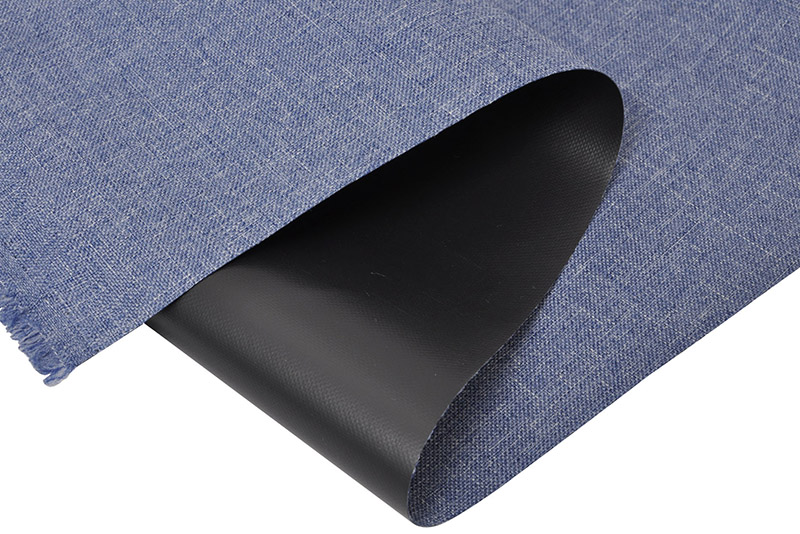
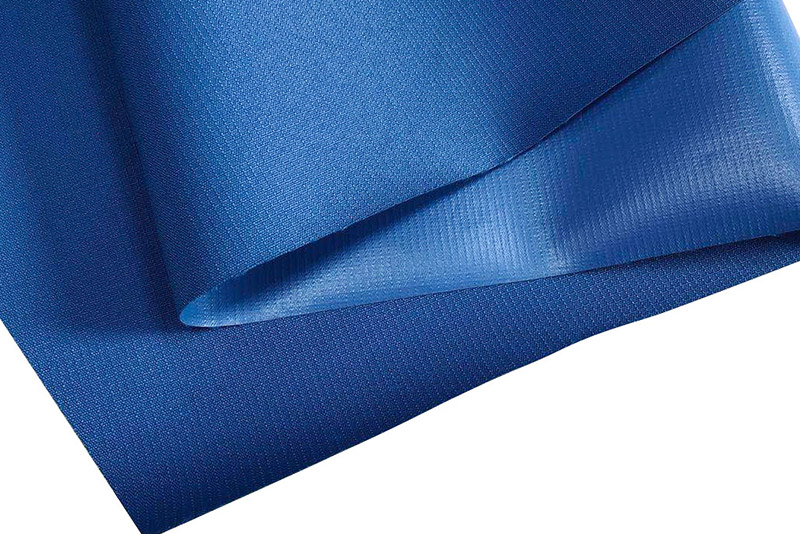
Polyurethane (PU) coating represents one of the most common finishing treatments for DTY polyester Oxford fabric, applied to the fabric back surface to enhance water resistance, add structural stability, and improve overall durability. PU coatings range from light applications (5-10 grams per square meter) providing basic water repellency through heavy coatings (50+ grams per square meter) creating completely waterproof barriers suitable for rain gear and outdoor equipment. The coating process involves spreading liquid polyurethane onto the fabric surface, then curing it through heat to create a continuous film bonded to the textile substrate. Microporous PU formulations offer waterproof protection while maintaining breathability through microscopic pores that allow water vapor passage but block liquid water penetration.
Polyvinyl chloride (PVC) coating provides maximum waterproofing and durability for heavy-duty applications including industrial covers, tarps, and equipment protection. PVC coatings create thicker, more rigid barriers compared to PU, sacrificing some drape and hand softness for superior weather protection and abrasion resistance. The application methods include direct coating, lamination, or calendaring processes that bond PVC films to the Oxford fabric substrate. While PVC-coated fabrics excel in protective applications, their reduced breathability and environmental concerns regarding PVC production and disposal limit use in apparel and consumer products where sustainable materials gain importance.
Fluorocarbon-based water and oil repellent (WOR) treatments provide durable hydrophobic and oleophobic properties without the weight or stiffness of coating applications. These chemical treatments modify the fabric surface energy, causing water and oil-based liquids to bead up and roll off rather than penetrating the textile structure. Modern fluorocarbon-free alternatives address environmental and health concerns associated with traditional PFOA and PFOS-based treatments while maintaining good repellent performance. WOR treatments suit applications requiring stain resistance and easy cleaning alongside basic water repellency, including bags, outdoor apparel, and upholstery fabrics.
Antimicrobial finishes inhibit bacterial and fungal growth on fabric surfaces, particularly valuable for sports bags, outdoor gear, and apparel where perspiration and humidity create conditions conducive to microbial proliferation and odor development. These treatments incorporate silver ions, quaternary ammonium compounds, or other biocidal agents that disrupt microbial cell functions. UV protective finishes absorb or reflect ultraviolet radiation, protecting both the fabric from photodegradation and users from sun exposure in outdoor applications. Flame retardant treatments meet fire safety requirements for commercial upholstery, industrial applications, and regulated environments where flammability standards apply.
Selection Criteria and Specification Guidelines
Selecting appropriate DTY polyester Oxford fabric for specific applications requires evaluating multiple specification parameters that determine performance, appearance, and cost. Understanding these selection criteria enables informed decision-making that balances competing priorities and optimizes material selection for intended uses.
Denier rating represents the primary indicator of fabric weight and strength, measuring the linear mass density of the yarns used in fabric construction. Common DTY polyester Oxford fabric denier ratings range from 150D for lightweight applications through 1200D or higher for heavy-duty uses. Lower denier fabrics (150-300D) provide softer hand feel, better drape, and reduced weight suitable for fashion bags, lightweight apparel, and applications where bulk and stiffness prove undesirable. Mid-range deniers (420-600D) balance strength with reasonable weight and flexibility for general-purpose bags, outdoor gear, and moderate-duty applications. Heavy denier fabrics (900-1200D+) deliver maximum strength and abrasion resistance for rugged luggage, industrial equipment, and demanding outdoor applications where durability outweighs weight considerations.
Fabric weight measured in grams per square meter (GSM) or ounces per square yard provides another important specification parameter reflecting both yarn denier and weave density. Typical DTY polyester Oxford fabrics range from 100-150 GSM for lightweight constructions through 300-400+ GSM for heavy-duty materials. Weight directly correlates with fabric strength, durability, and cost, but also affects drape, flexibility, and suitability for different applications. Consider the end-use requirements when selecting fabric weight, avoiding over-specification that adds unnecessary cost and bulk while ensuring adequate weight for anticipated stress levels and performance expectations.
Weave density expressed as threads per inch in both warp and filling directions influences fabric strength, appearance, and coating adhesion properties. Tighter weaves create denser fabrics with smaller interstices, improving water resistance and creating smoother surfaces for coating application. Looser weaves reduce fabric weight and cost while potentially compromising water resistance and coating uniformity. Standard DTY polyester Oxford fabrics typically feature weave densities from 200-400 threads per inch total, with balanced constructions showing similar thread counts in warp and filling directions.
Color options and dyeing methods affect both aesthetic appeal and performance characteristics. Solution-dyed DTY yarns incorporate pigments during polymer extrusion, creating superior colorfastness and UV resistance compared to piece-dyed fabrics where dyes apply to finished textiles. While solution dyeing limits color flexibility and requires minimum order quantities, the enhanced color durability justifies selection for outdoor applications and products where fading represents a significant concern. Piece dyeing offers unlimited color options with lower minimum quantities but may show reduced colorfastness in harsh environmental conditions or under extended UV exposure.
Care and Maintenance Requirements
Proper care and maintenance extend the service life of DTY polyester Oxford fabric products while maintaining their appearance and performance characteristics. Understanding appropriate cleaning methods and use precautions ensures long-term satisfaction and prevents premature deterioration or damage from inappropriate care practices.
Regular cleaning prevents dirt accumulation that can abrade fabric surfaces and degrade coatings or finishes over time. For routine maintenance, spot clean localized soiling using mild detergent solutions and soft brushes or cloths, avoiding harsh scrubbing that could damage surface treatments. When deeper cleaning becomes necessary, most DTY polyester Oxford products tolerate machine washing in cold to warm water using gentle cycles and mild detergents. Avoid chlorine bleach which can damage polyester fibers and degrade coatings, and select detergents free from optical brighteners that may react with certain finishing treatments or cause color changes.
Drying methods significantly impact fabric appearance and coating integrity. Air drying represents the gentlest approach, hanging or laying products flat in well-ventilated areas away from direct sunlight which could cause localized heating and potential coating damage. If machine drying proves necessary, use low heat settings and remove items promptly to prevent heat-induced wrinkling or coating deformation. High heat exposure can soften or damage PU and PVC coatings, create permanent creases in the fabric, or potentially melt polyester fibers at extreme temperatures above 300°F.
Storage conditions affect long-term fabric integrity, particularly for coated materials susceptible to environmental influences. Store DTY polyester Oxford products in cool, dry locations with adequate ventilation to prevent moisture accumulation that could promote mold growth on coatings or trapped organic matter. Avoid prolonged storage in compressed conditions that could create permanent creases or coating adhesion to adjacent surfaces. For seasonal items like tents or outdoor gear, ensure complete drying before storage to prevent mildew development during storage periods. Periodic inspection during extended storage enables early detection of any degradation issues requiring corrective action.
DTY polyester Oxford fabric represents a technologically advanced textile material offering exceptional versatility, performance, and value across diverse applications from consumer products through industrial uses. The combination of draw textured yarn technology with classic Oxford weave construction creates fabrics that outperform conventional alternatives in softness, durability, and aesthetic appeal while maintaining the easy-care properties and cost-effectiveness that make polyester fabrics industry standards. Understanding this material's unique characteristics, available options, and proper application guidelines enables designers, manufacturers, and consumers to harness its benefits effectively, creating products that deliver superior performance and lasting satisfaction throughout extended service lives.

 Tel: +86-571-22917799
 Fax: +86-571-82799678
 E-mail:
 Add: No.88 Yinxin Rd.,Yaqian Town,Hangzhou City, Zhejiang, China.