+86-571-22917799



 English
 简体中文
简体中文 русский
 Español
Content
- 1 What the Name 600D Polyester Oxford PVC Coated Fabric Tells You
- 2 How the PVC Coating Is Applied to the Base Cloth
- 3 Typical Specifications at a Glance
- 4 Why This Fabric Works So Well Outdoors
- 5 Where 600D PVC Coated Oxford Fabric Is Used
- 6 PVC, PU or PEVA: Choosing the Right Coating
- 7 Specification Choices That Change Performance and Cost
- 8 Quality Checks Worth Requesting Before Bulk Production
- 9 Sourcing the Fabric from a Manufacturer
If you have ever unzipped a heavy duffel bag, folded a camping tarp, or lifted a cover off a boat, you have already handled 600D polyester oxford PVC coated fabric. It is one of those materials that works quietly in the background, and once you understand how it is built, specifying it for your own product becomes far easier.
In short, it is a woven polyester oxford base cloth with a polyvinyl chloride coating bonded to one or both sides. The result is a thick, waterproof and abrasion resistant material at a cost that still makes sense in volume production, which is why it has been a workhorse for luggage, outdoor equipment and industrial covers for decades.
What the Name 600D Polyester Oxford PVC Coated Fabric Tells You
Every part of that long name carries information you can use when comparing quotations from different mills.
- 600D refers to the denier of the yarn in the warp and weft. A 600 denier yarn is heavier than 300D and lighter than 900D or 1200D, so it sits in the sweet spot where strength, weight and price balance nicely.
- Polyester is the fibre. Polyester oxford keeps its shape, resists stretching and is far less sensitive to moisture than cotton canvas, and it accepts coatings and prints predictably.
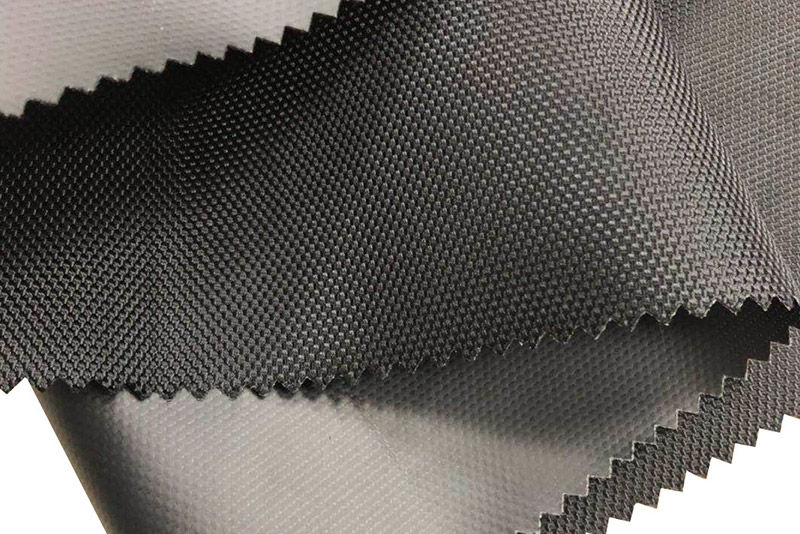
- Oxford is the weave structure, traditionally a plain or basket weave that pairs two yarns in the warp and weft. It produces a dense, even surface with a subtle check appearance.
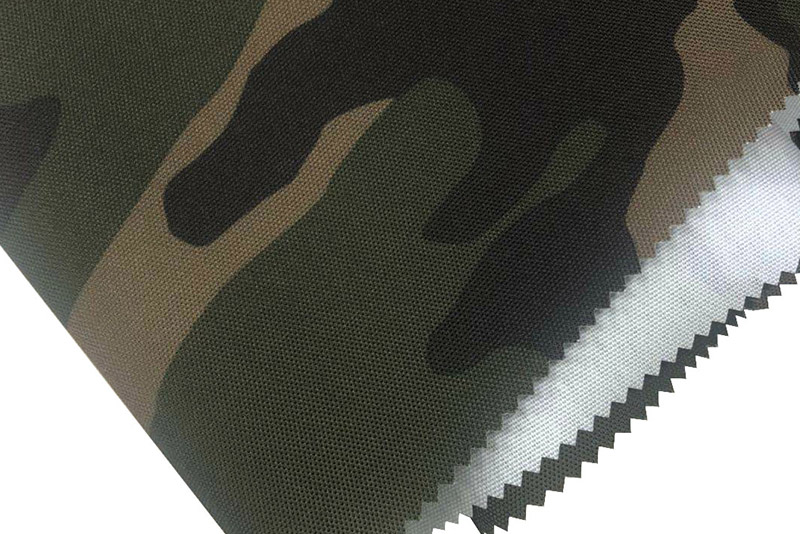
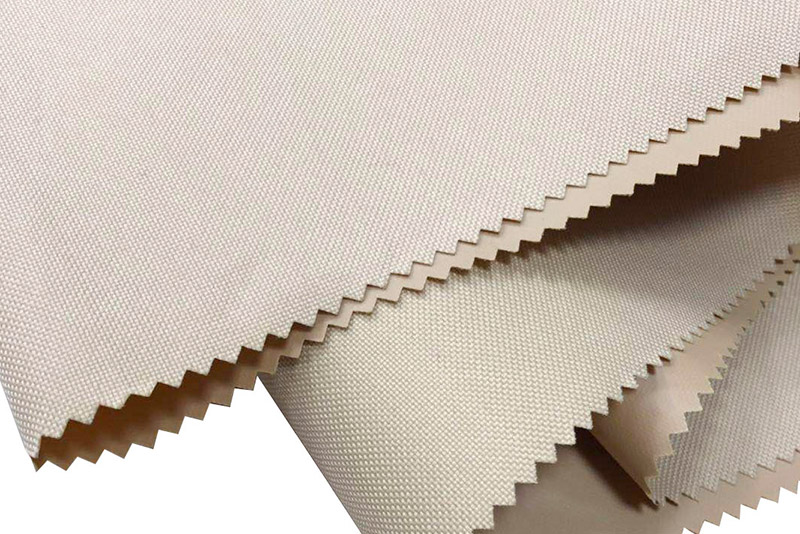
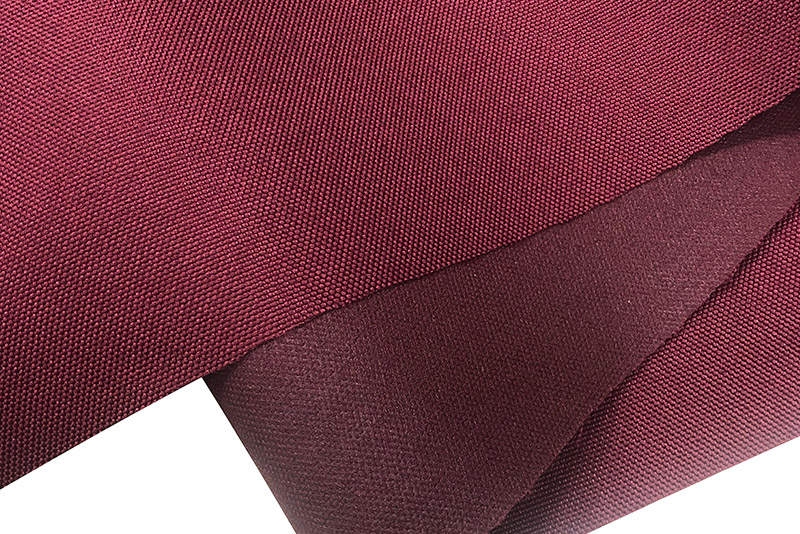
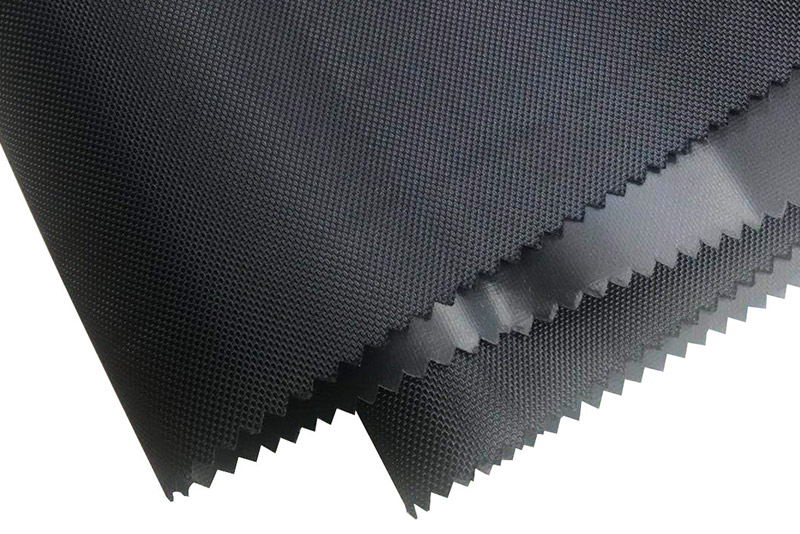
- PVC coated describes the finish. A PVC paste is applied to the back, sometimes both sides, and then cured. This is the layer that delivers waterproofing, extra tear strength and the firm, slightly rubbery hand feel buyers recognise immediately.
How the PVC Coating Is Applied to the Base Cloth
Most mills run a knife-over-roller or floating knife line. The base fabric passes under a blade while PVC paste is spread across it, and the coated cloth then travels through an oven where resin and plasticiser fuse into a continuous film. Lamination is a different route, where a ready-made PVC film is bonded to the fabric with heat and pressure.
Coating weight is the number worth watching. Light coatings of roughly 80 to 150 g/m² give a soft hand and suit bags and promotional items. Heavier coatings of 250 g/m² and above produce stiff, board-like panels for tarpaulins, truck curtains and industrial covers. Single-sided coating keeps the cloth lighter and more flexible, while double-sided coating maximises waterproofing and abrasion resistance.
Typical Specifications at a Glance
Use the table below as a starting point for discussion with a mill. Values shift with yarn quality, weave density and coating weight, so every figure should be confirmed on a bulk sample.
| Property | Common Range | What It Means in Use |
|---|---|---|
| Base construction | 600D x 600D, 64T to 72T | A higher thread count gives a denser, stronger cloth |
| Coating | PVC, one side or both sides | Single side stays flexible; double side boosts waterproofing |
| Coating weight | 100 to 400 g/m² | Drives stiffness, abrasion resistance and cost |
| Total fabric weight | 320 to 700 g/m² | A quick check that a quoted fabric is what it claims to be |
| Roll width | 150 to 220 cm | Wider rolls cut waste on large cover panels |
| Hydrostatic resistance | 1,000 to 5,000 mm | Above 2,000 mm handles prolonged rain exposure comfortably |
| Tear strength | 40 to 90 N, warp and weft | Critical for tarps, straps and stress points |
| Cold crack | around -20 °C | Prevents coatings cracking in cold storage and winter shipping |
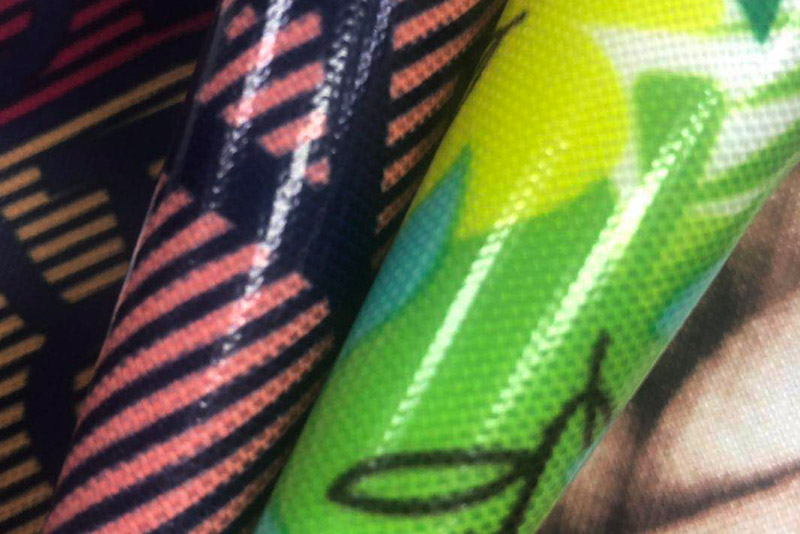
| Surface finish | matte, glossy, embossed, printed | Affects appearance and slip resistance |
Why This Fabric Works So Well Outdoors
Three properties explain most of the demand. The first is mechanical: the heavy yarn and dense weave resist tearing even after the cloth has been cut and punched for eyelets or stitching. The second is waterproofing, because a properly cured PVC film is continuous, so water cannot pass through the way it can through a water-repellent finish that merely slows absorption. The third is durability, as PVC shrugs off mud, oil and most everyday chemicals and can be wiped clean instead of washed.
PVC also does not feed mould the way some organic finishes and natural fibres can, and it can be welded with high-frequency equipment, letting manufacturers build leak-free seams without stitching holes.
Where 600D PVC Coated Oxford Fabric Is Used
This fabric shows up wherever a surface has to take punishment and still look presentable after a season of use.
- Luggage, backpacks, duffel bags and tool bags, where the coating protects the base cloth from scuffing
- Tarpaulins, equipment covers and hay covers that stay outdoors all year
- Tents, awnings and gazebos that need welded, leak-free seams
- Marine and patio covers that face sun, salt spray and rain
- Industrial curtains, machine covers and truck side curtains
- Pet products, protective bags and reusable shopping totes
For bag factories, our PVC-backed luggage fabric is a common starting point, because the coating adds body that keeps a packed bag standing upright while still allowing clean stitching around zips and binding.
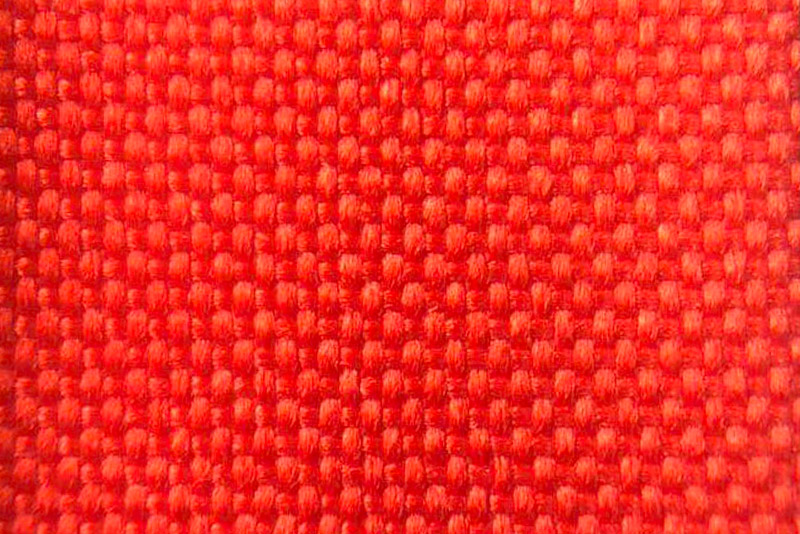 PVC COATED Oxford Fabric 60060068PVCAdditional InformationView Product →
That specification, a 600D x 600D 68T oxford with PVC coating, is the everyday workhorse behind countless travel bags and tool bags.
PVC, PU or PEVA: Choosing the Right Coating
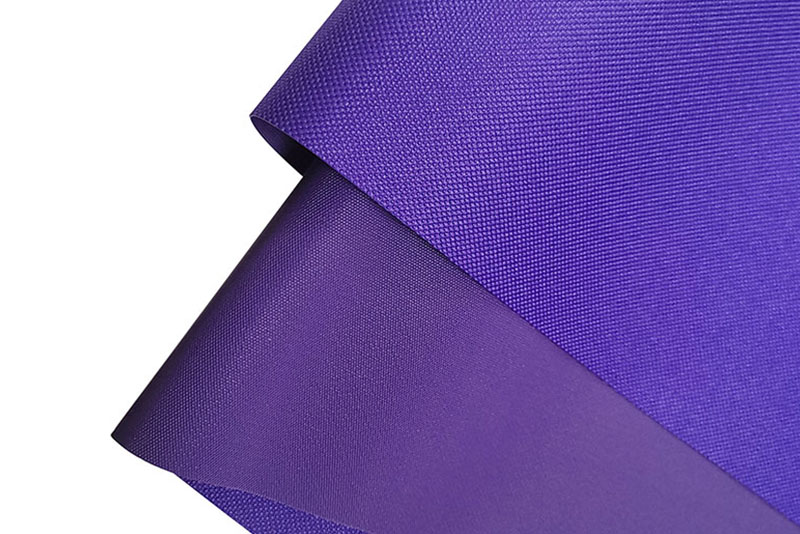
PVC is not the only option, and the right answer depends on how the finished product will be used. PVC gives the heaviest hand, the strongest waterproofing and the lowest cost per square metre, but it is the stiffest and the least breathable of the three. PU coating is softer, more flexible and quieter, which is why it dominates fashion bags and lightweight outdoor gear, though it costs more and generally offers a lower hydrostatic head at the same weight. PEVA and TPE are chlorine-free and phthalate-free, which makes them attractive where consumer safety regulations or brand sustainability policies are strict.
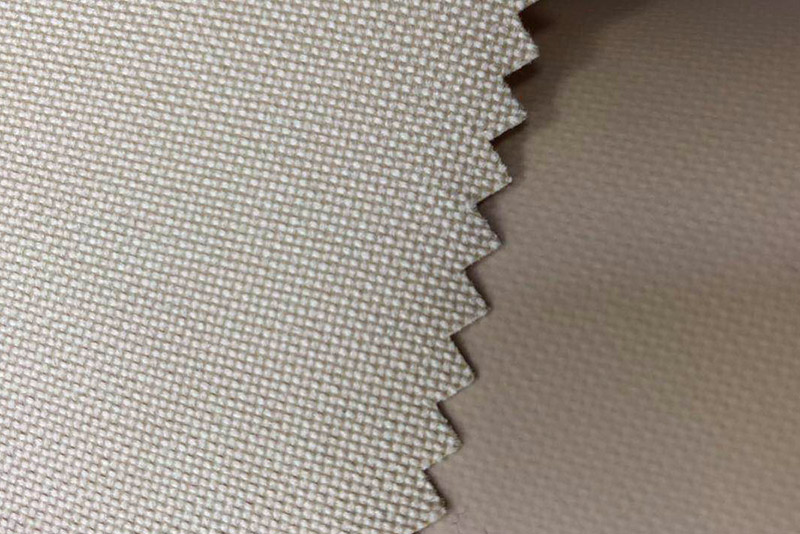 600DX300D With PEVA laminatedAdditional InformationView Product →
Many buyers keep both routes open and let the target market decide, switching to a PEVA laminated version when a retail customer asks for a chlorine-free construction.
Specification Choices That Change Performance and Cost
Once you have settled on the family, a handful of details decide whether the fabric performs exactly as promised.
- Coating weight and whether it is applied to one side or both
- Phthalate-free PVC formulations for markets with strict chemical regulations
- Cold crack additives for products shipped or stored in freezing conditions
- Colour method, since dyed yarn, solution-dyed yarn and printed surfaces behave very differently when exposed to sunlight
- Surface finish, especially when a matte or embossed look is part of the brand identity
- Roll width, core size and packing, which quietly influence your cutting efficiency
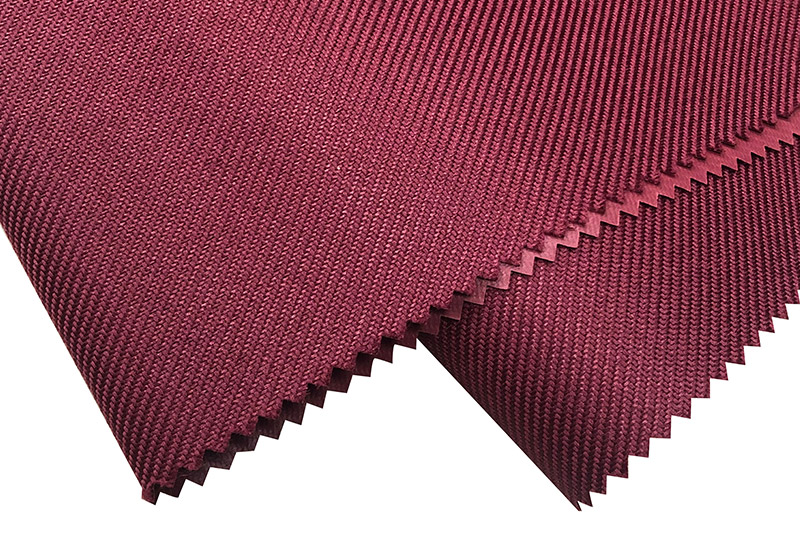
Heavier constructions follow the same logic at a larger scale, and mills often quote a two-tone version when a customer wants a distinctive look on a thicker cloth.
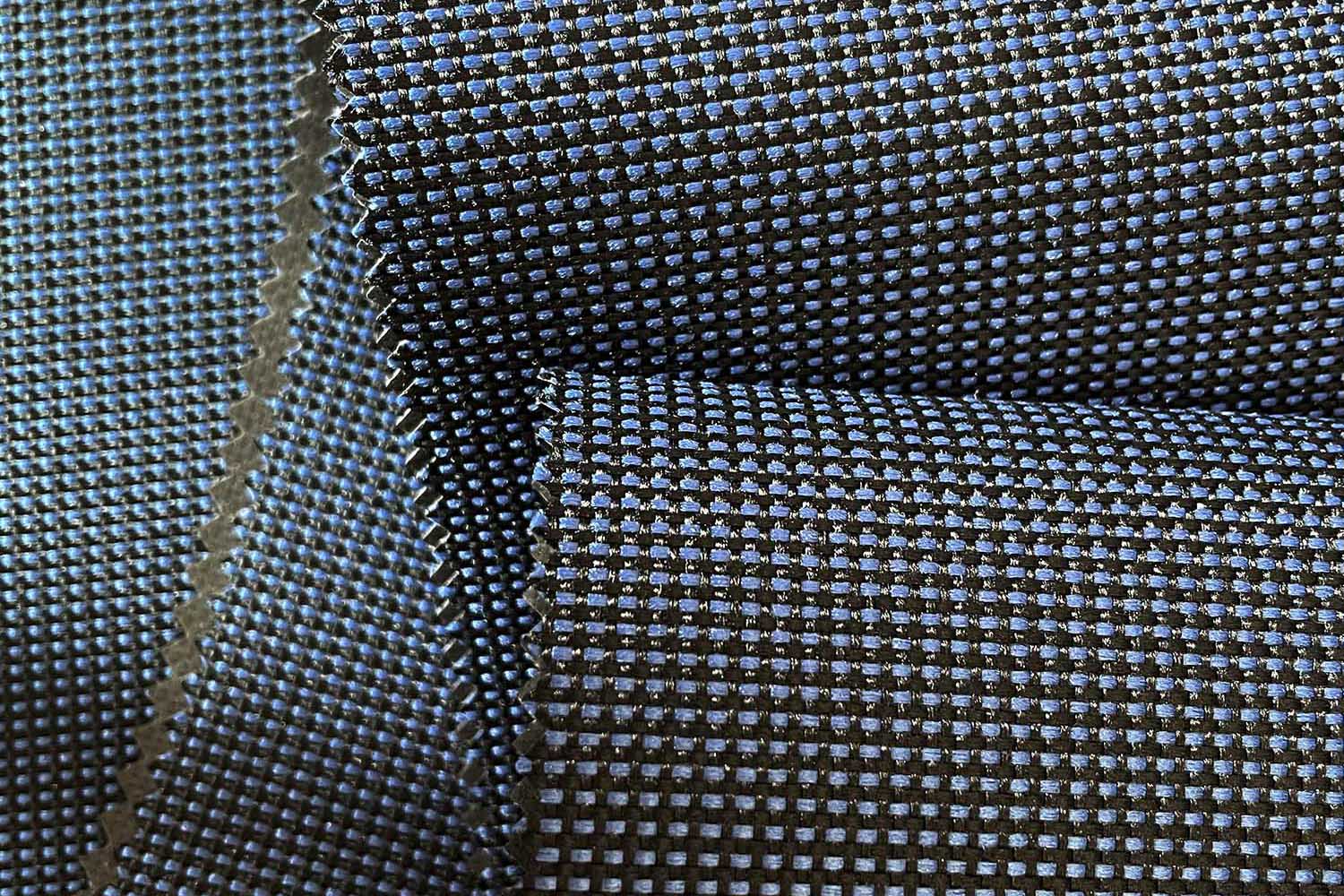 1200D Two Tone With PVC CoatedAdditional InformationView Product →
Deciding these points before sampling saves weeks of back-and-forth later.
Quality Checks Worth Requesting Before Bulk Production
A short testing list protects both sides of the order. Ask your supplier to confirm the following on a pre-production sample, and repeat the key ones on the bulk goods.
- Coating adhesion, checked by a peel or rub test so the film does not flake at folds
- Hydrostatic head, measured on the finished coated cloth rather than the greige fabric
- Tear and tensile strength in both directions
- Colour fastness to rubbing and to light, especially on dark shades
- Cold crack behaviour for shipments heading into winter markets
- Visual inspection of coating uniformity, width, roll length and packing
Sourcing the Fabric from a Manufacturer
Hangzhou Gaoshi Luggage Textile Co., Ltd. has been producing polyester oxford fabrics since 2002, and our own yarn, weaving, printing and coating equipment means the base cloth and the coating are controlled under one roof. We run an annual capacity of around 30 million metres and have more than ten years of export experience across South America, Eastern Europe, Western Europe and South Asia, with shipment handled through Ningbo and Shanghai ports.
If you are weighing specifications for a new bag, cover or tent programme, our 600D oxford fabric range is a practical place to start, and our team can advise on coating weight, surface finish and the performance tests your market demands.
600D polyester oxford PVC coated fabric is not complicated once its four ingredients are clear: a heavy yarn, a dense oxford weave, a tough base cloth and a cured PVC film that seals it. Match those details to the way your product will actually be used, verify the numbers on a sample, and you will end up with a material that keeps performing long after the first season.

 Tel: +86-571-22917799
 Fax: +86-571-82799678
 E-mail:
 Add: No.88 Yinxin Rd.,Yaqian Town,Hangzhou City, Zhejiang, China.