+86-571-22917799



 English
 简体中文
简体中文 русский
 Español
Content
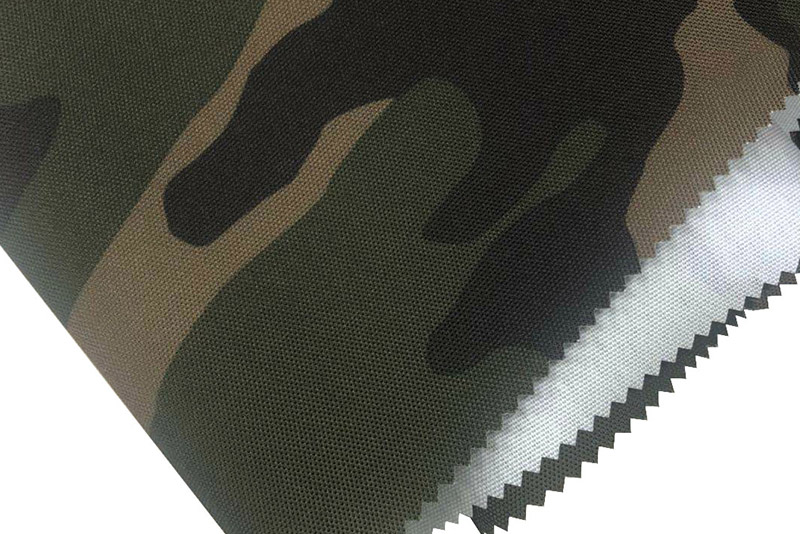
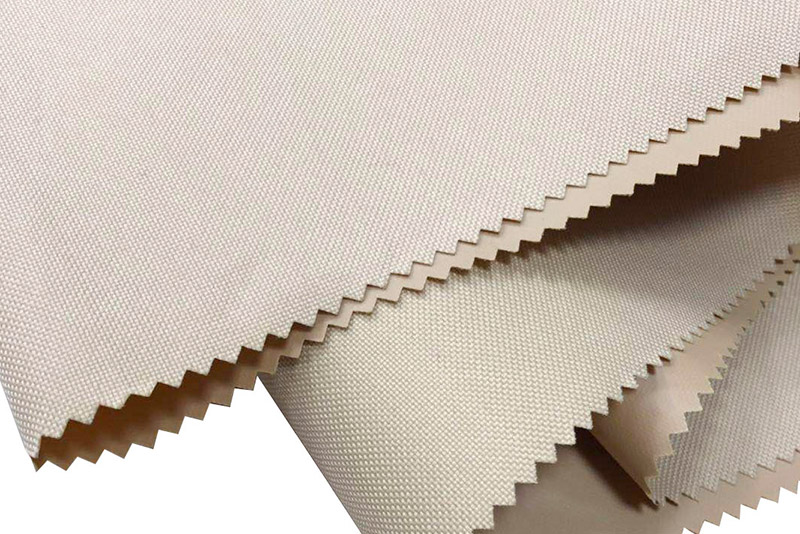
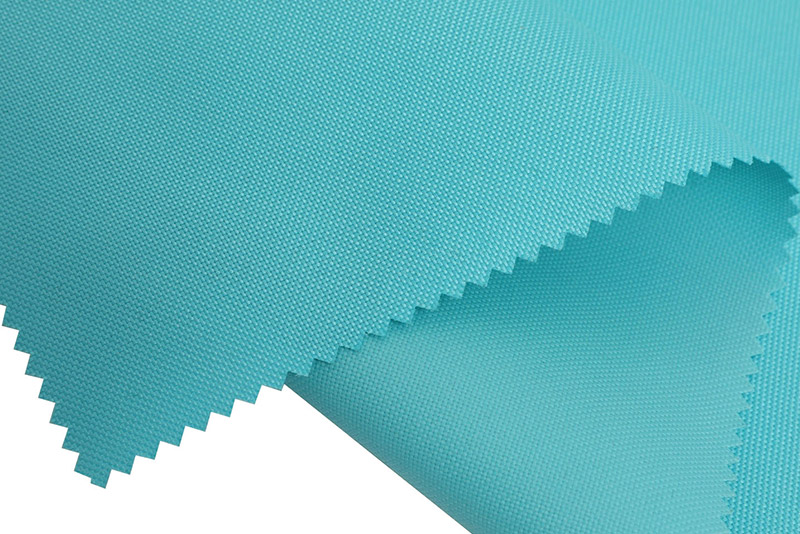
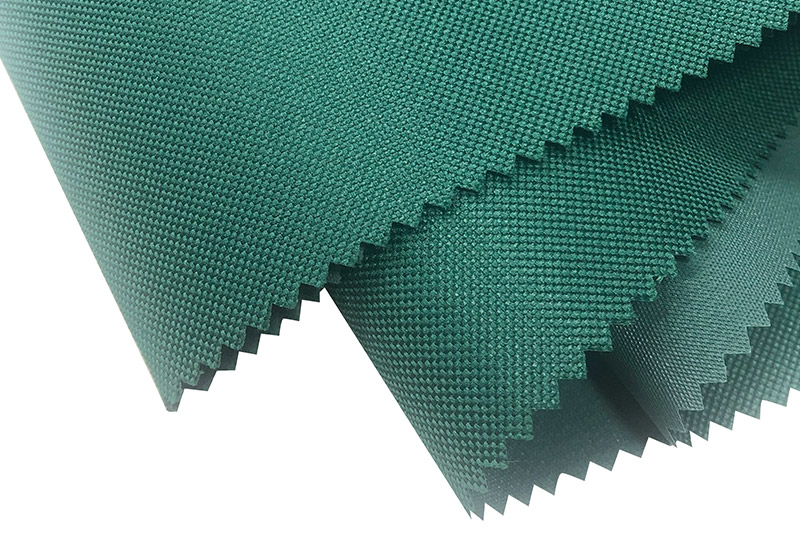
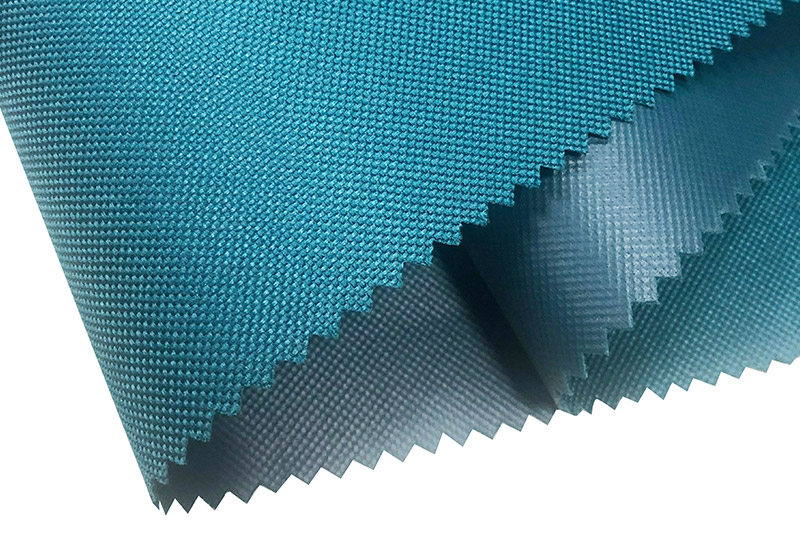
For manufacturers seeking a sustainable, durable, and waterproof fabric for backpacks and bags, the 300D/102T Cation 50% RPET is an excellent choice. This 300D fabric features 50% RPET (recycled polyester) content, PU coating, and a high-density 102T weave, offering durability, waterproof protection, and environmental responsibility at 160gsm.
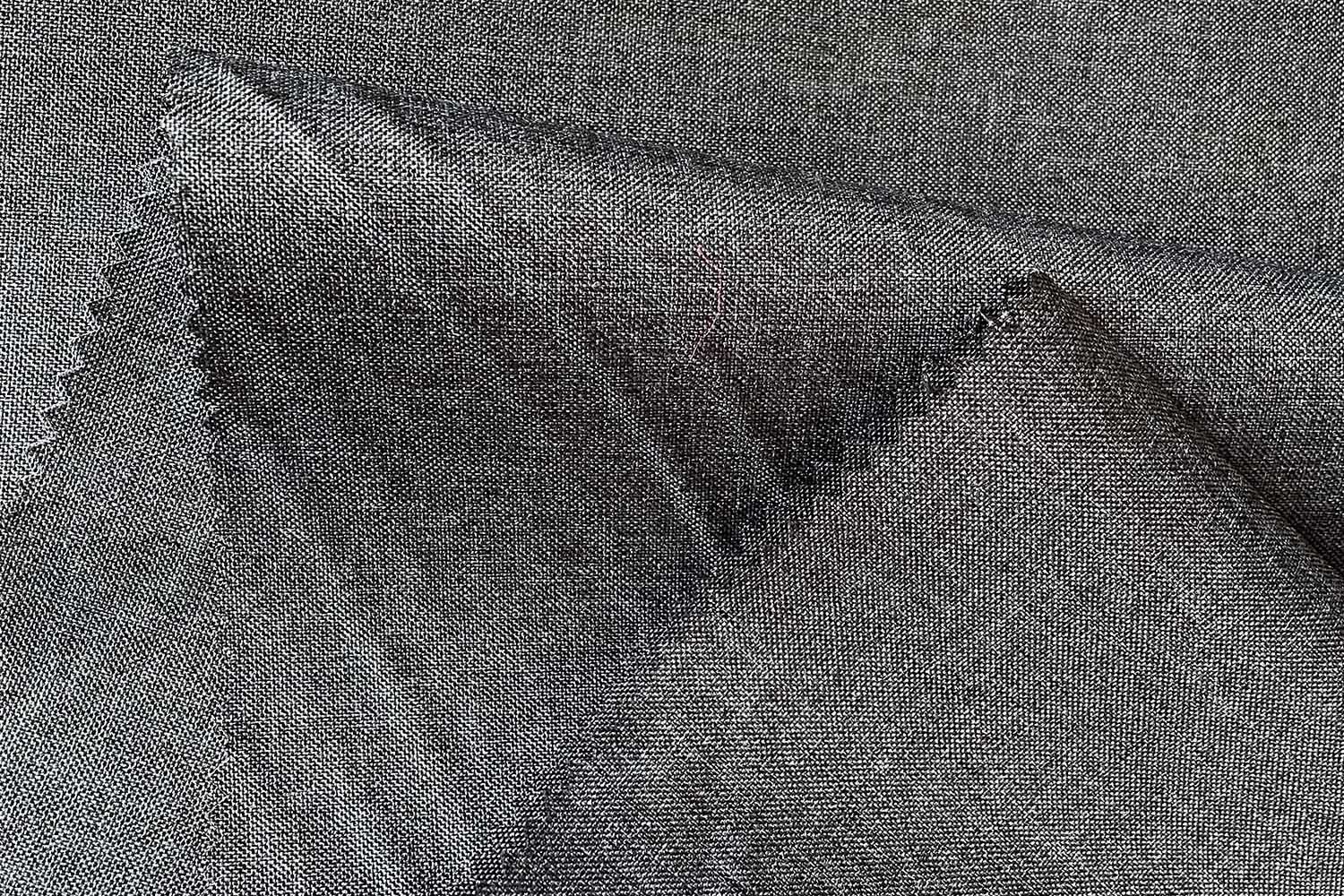
Why Choose 300D/102T Cation 50% RPET Fabric?
| Feature | Benefit |
|---|---|
| 300D yarn count | Lightweight yet durable |
| 50% RPET material | Eco-friendly, reduced environmental impact |
| PU coating | Waterproof protection |
| 102T high density | Tight, durable weave |
| 160gsm weight | Lightweight for easy handling |
| Cationic dyeing | Colorfast, vibrant colors |
Key Specifications
| Parameter | Detail |
|---|---|
| Name | 300D/102T Cation 50% RPET With PU Coated For Backpack |
| Material | 50% RPET (Recycled Polyester) |
| Backing | PU |
| Yarn count | 300D |
| Density | 102T |
| Weight | 160gsm |
| Width | 58" |
| Color | Custom (any color available) |
| Standards | REACH, ROHS, EN71-3 |
Why Choose 50% RPET?
RPET (Recycled Polyethylene Terephthalate) is made from recycled plastic bottles and other post-consumer PET waste. The 50% rpet oxford fabric offers:
-
Reduced environmental impact – Uses 50% recycled content, lowering carbon footprint
-
Good durability – Maintains strength and performance
-
Brand differentiation – Appeals to eco-conscious consumers
-
Cost-effective sustainability – Balance of eco-friendliness and affordability
What Makes Cationic Fabric Special?
Cationic dyeing is a process where the fabric is treated to accept cationic dyes, resulting in:
-
Colorfastness – Colors are deep, vibrant, and resistant to fading
-
Excellent wash fastness – Maintains color through repeated washing
-
Superior dye penetration – Even, consistent coloration
-
Soft hand feel – Comfortable against the skin
Understanding Oxford Fabric Options
300D Polyester Oxford Fabric
For applications where lightweight performance is important, 300d polyester oxford fabric offers a good balance of durability and portability. Our 300D 50% RPET provides a sustainable alternative.
210D Oxford Cloth
For very lightweight applications such as bag linings or ultra-light accessories, 210d oxford cloth provides a lighter weight option at approximately 80-100gsm.
420D Oxford Cloth
For medium-duty applications, 420d oxford cloth offers a good balance of durability and weight at approximately 150-180gsm.
150D Oxford Fabric Waterproof
For lightweight waterproof applications, 150d oxford fabric waterproof provides water resistance at minimal weight for packable rain gear or lightweight bags.
150D Oxford Fabric
For the lightest applications, 150d oxford fabric is ideal for ultra-lightweight gear, linings, and accessories where minimal weight is critical.
Primary Applications
| Application | Why It's Ideal |
|---|---|
| Backpacks & School Bags | Lightweight, waterproof, sustainable |
| Outdoor Gear | Durable and eco-friendly |
| Fashion Accessories | Vibrant cationic colors |
| Promotional Bags | Sustainable branding opportunity |
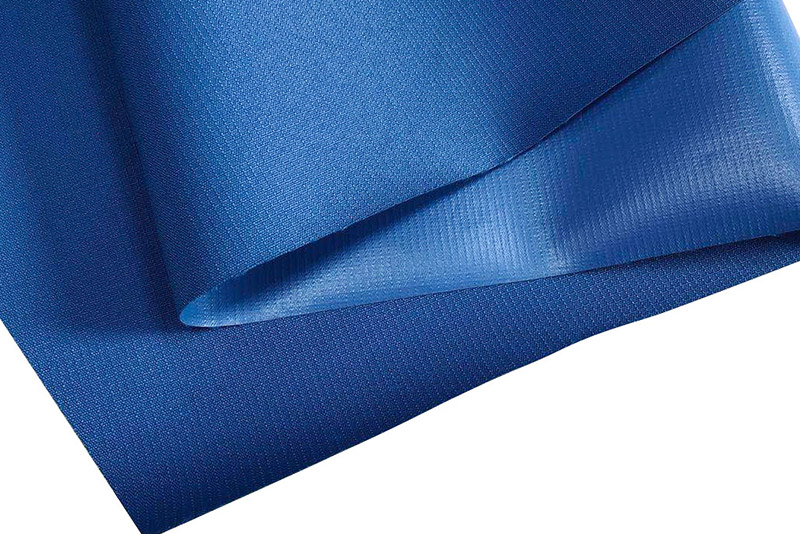
PU Coating Benefits
| Advantage | Description |
|---|---|
| Waterproof protection | Keeps contents dry |
| Flexible | Remains pliable in various temperatures |
| Lightweight | Lighter than PVC coating |
Fabric Comparison
| Property | 300D 50% RPET (160gsm) | 420D Oxford | 210D Oxford | 150D Oxford |
|---|---|---|---|---|
| Weight | 160gsm | 150-180gsm | 80-100gsm | 60-80gsm |
| Eco-friendly | 50% RPET | Varies | Varies | Varies |
| Colorfastness | Excellent | Good | Good | Good |
| Waterproof | Yes (PU) | Yes (with coat) | Yes (with coat) | Yes (with coat) |
| Best for | Sustainable bags | Mid-range bags | Linings | Ultra-light gear |
FAQ
Q1: What is 50% RPET fabric?
A: 50% RPET means the fabric contains 50% recycled polyester made from plastic bottles and post-consumer PET waste. This 300d cation rpet fabric offers a balance of sustainability and performance.
Q2: Is this fabric waterproof?
A: Yes. The PU coating makes this waterproof rpet oxford fabric fully waterproof, protecting contents from moisture.
Q3: What is cationic dyeing?
A: Cationic dyeing is a process that produces deep, vibrant, colorfast colors that resist fading and washing.
Q4: How does this compare to 300d polyester oxford fabric ?
A: This fabric offers similar performance with the added benefit of 50% recycled content, making it a more sustainable choice.
Q5: What is 210d oxford cloth used for?
A: 210d oxford cloth is lighter weight (80-100gsm) and typically used for bag linings or lightweight accessories.
Q6: What is 150d oxford fabric waterproof used for?
A: 150d oxford fabric waterproof is ideal for ultra-lightweight waterproof applications like packable rain gear.
Q7: What is the advantage of 102T density?
A: The 102T high density provides a tighter, more durable weave than lower density fabrics, offering better tear resistance.
Q8: What is the MOQ?
A: The minimum order quantity is 1000m with a monthly supply ability of 2,000,000m.
Get a Quote
Ready to source sustainable waterproof fabric for your products? Contact Hangzhou Gaoshi Luggage Textile Co., Ltd. today.
Tel: +86-571-22917799
Email: [email protected]
Address: No.88 Yinxin Rd., Yaqian Town, Hangzhou City, Zhejiang, China

 Tel: +86-571-22917799
 Fax: +86-571-82799678
 E-mail:
 Add: No.88 Yinxin Rd.,Yaqian Town,Hangzhou City, Zhejiang, China.