+86-571-22917799



 English
 简体中文
简体中文 русский
 Español
Content
- 1 What Is Jacquard Oxford Fabric?
- 2 Understanding Regular Oxford Fabric
- 3 How Jacquard Weaving Changes Oxford Fabric
- 4 Key Differences Between Jacquard Oxford Fabric and Regular Oxford Fabric
- 5 Materials Commonly Used in Jacquard Oxford Fabric
- 6 Applications of Jacquard Oxford Fabric
- 7 When to Choose Jacquard Oxford Fabric Over Regular Oxford
- 8 Conclusion: A Functional Fabric with Decorative Value
Jacquard Oxford fabric is a refined variation of traditional Oxford fabric that combines the durability and structure of Oxford weaves with the decorative complexity of jacquard patterns. For buyers, designers, and manufacturers, understanding how Jacquard Oxford fabric differs from regular Oxford fabric is essential when selecting materials for apparel, accessories, or interior applications. This article explores the construction, characteristics, production process, and practical differences between these two fabrics, helping you make informed material choices.
What Is Jacquard Oxford Fabric?
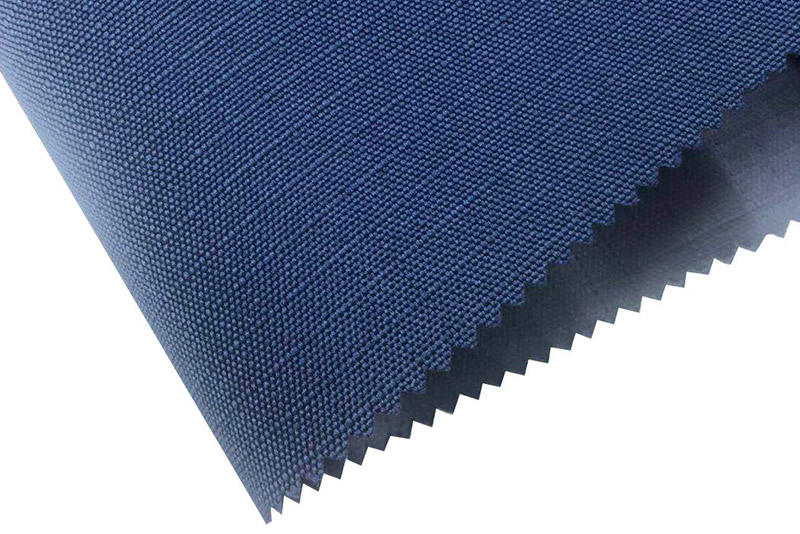
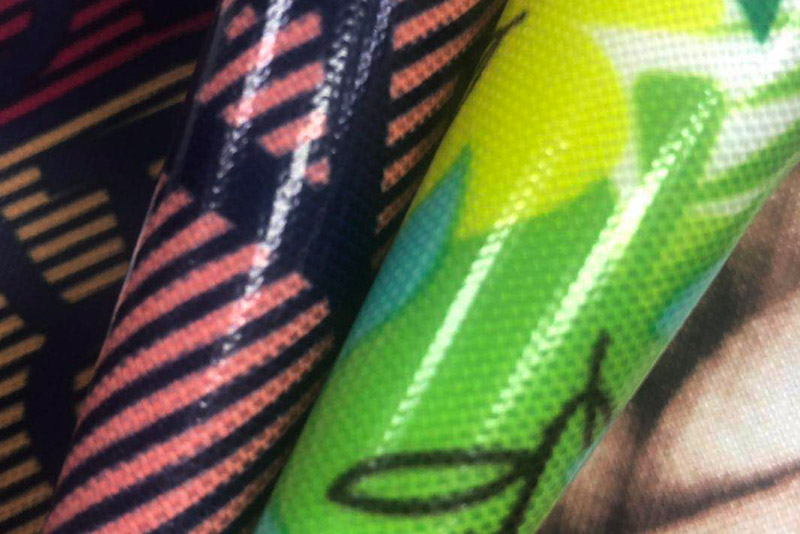
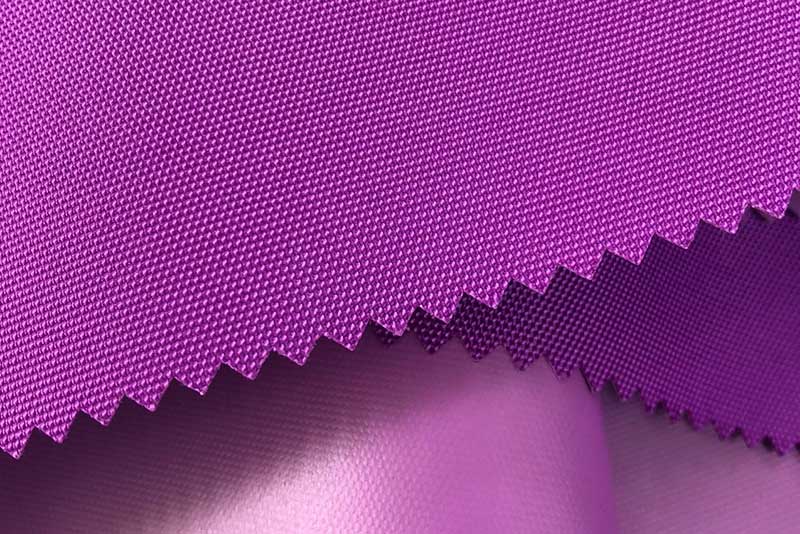
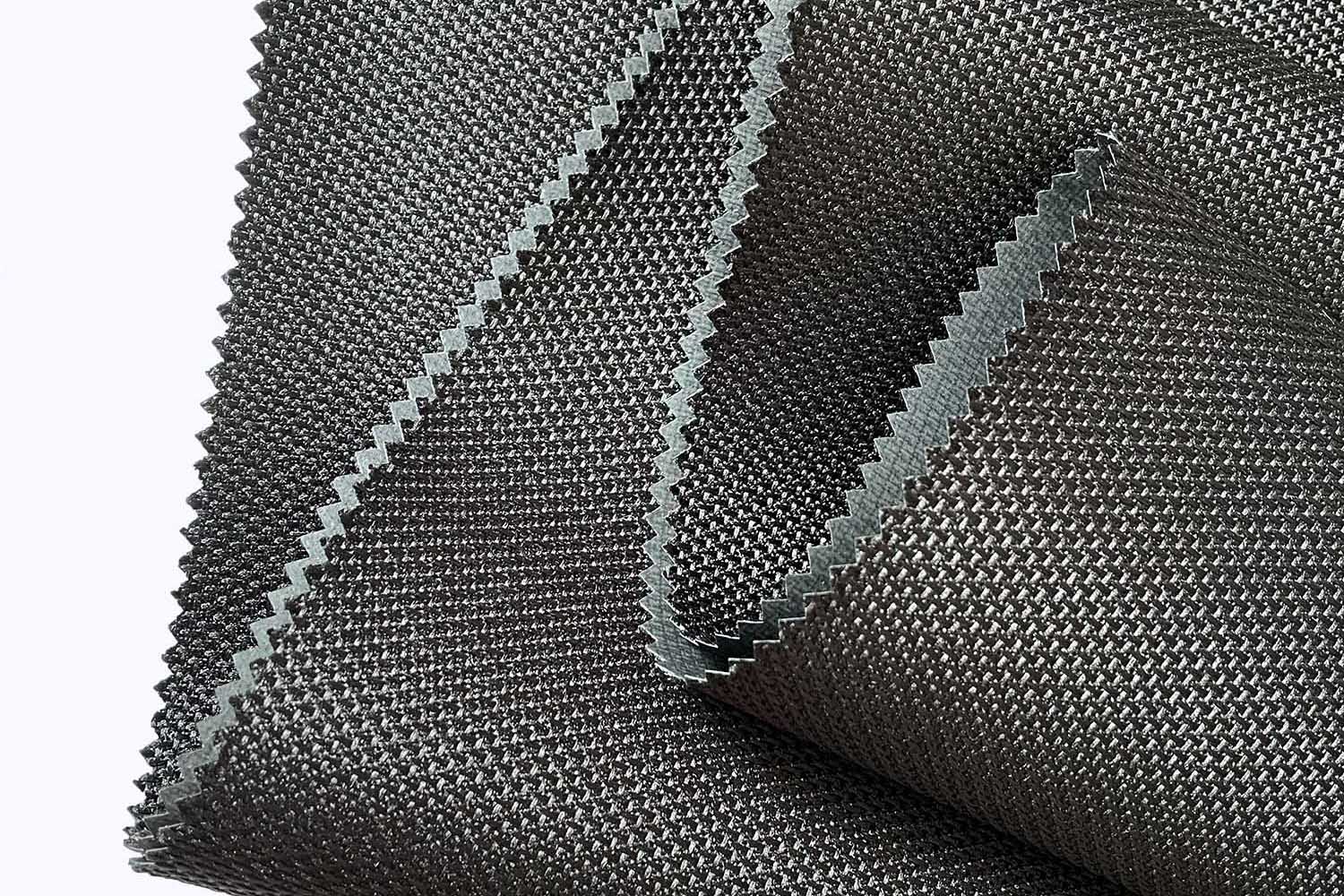
Jacquard Oxford fabric is a type of woven textile that uses an Oxford weave base combined with jacquard weaving technology. While Oxford fabric is traditionally known for its basket-like weave structure and durability, the jacquard process introduces intricate patterns directly into the fabric structure rather than relying on printing or embroidery.
In Jacquard Oxford fabric, the patterns are created by controlling individual warp threads on a jacquard loom. This allows for complex geometric motifs, florals, logos, or textured designs that are woven into the fabric itself. As a result, the pattern becomes an integral part of the textile, offering superior durability and visual depth compared to surface-applied designs.
Understanding Regular Oxford Fabric
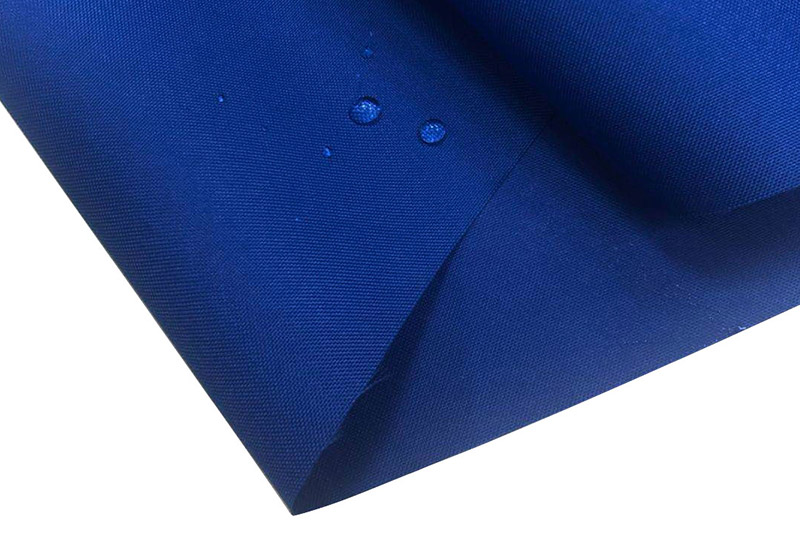
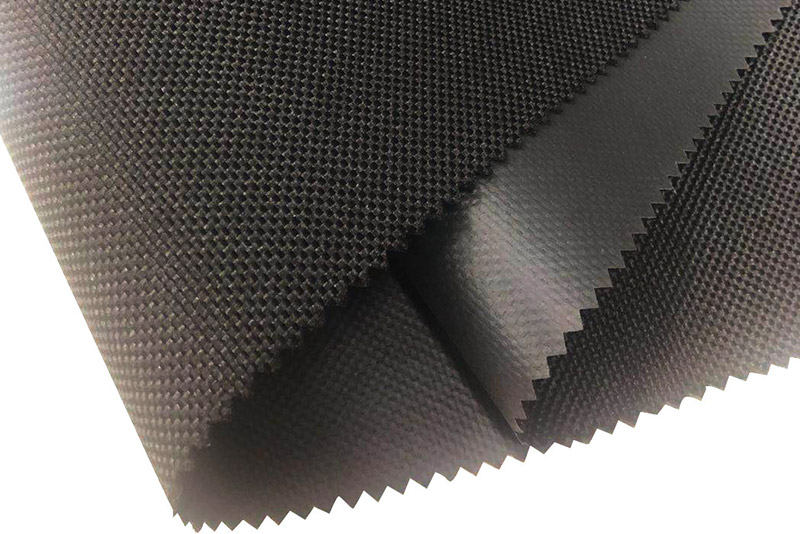
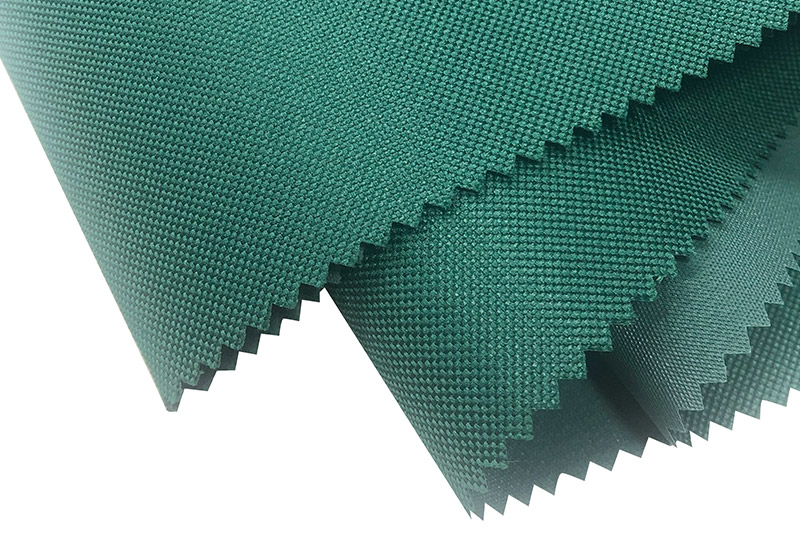
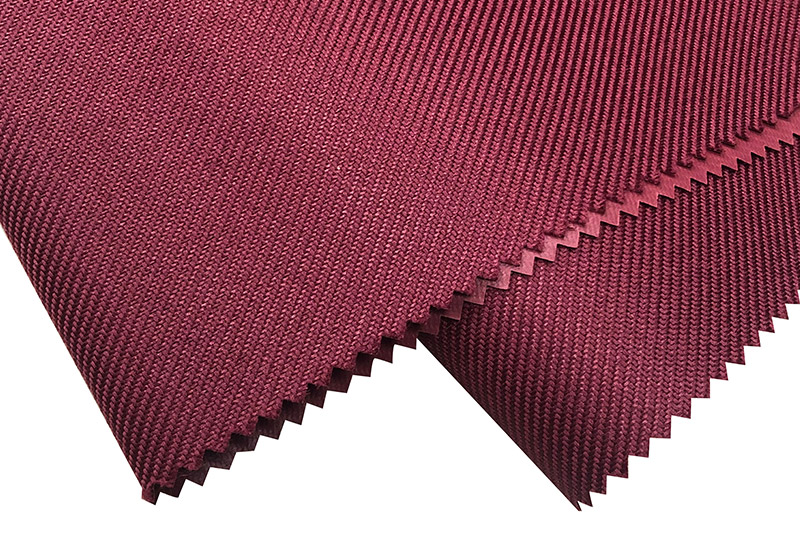
Regular Oxford fabric originated in Scotland and is widely used in shirts, uniforms, and functional textiles. It is typically woven using a basket weave, where two or more weft yarns cross an equal number of warp yarns. This structure gives Oxford fabric its characteristic strength, breathability, and slightly textured surface.
Most regular Oxford fabrics are solid-colored or yarn-dyed with simple stripes or checks. Decorative effects are usually achieved through color variation rather than complex woven patterns. This makes regular Oxford fabric cost-effective, easy to produce, and suitable for high-volume manufacturing.
How Jacquard Weaving Changes Oxford Fabric
The key difference between Jacquard Oxford fabric and regular Oxford fabric lies in the weaving method. Jacquard weaving allows each warp yarn to be individually controlled, enabling the creation of detailed and multi-dimensional patterns.
When applied to Oxford fabric, this technology transforms a traditionally simple textile into a premium material with enhanced visual appeal. The Oxford weave still provides structural stability, while the jacquard mechanism adds decorative sophistication without compromising durability.
Pattern Integration
In Jacquard Oxford fabric, patterns are woven into the fabric rather than printed on the surface. This means the design will not fade, crack, or peel over time, even with frequent washing or heavy use.
Textural Depth
Jacquard patterns introduce subtle texture variations, creating a tactile experience that regular Oxford fabric typically lacks. This makes Jacquard Oxford fabric particularly appealing for premium products.
Key Differences Between Jacquard Oxford Fabric and Regular Oxford Fabric
| Aspect | Jacquard Oxford Fabric | Regular Oxford Fabric |
| Weaving Method | Oxford weave + jacquard control | Standard Oxford basket weave |
| Design | Complex woven patterns | Solid, striped, or simple checks |
| Texture | Rich, dimensional surface | Smooth to lightly textured |
| Durability of Pattern | Very high, woven-in design | Depends on dyeing or printing |
| Cost Level | Medium to high | Low to medium |
Materials Commonly Used in Jacquard Oxford Fabric
Jacquard Oxford fabric can be produced using a variety of fibers, depending on the desired performance and application. The most common materials include:
- Cotton: Provides breathability, softness, and comfort, often used in shirts and home textiles.
- Polyester: Enhances durability, wrinkle resistance, and color retention.
- Cotton-polyester blends: Balance comfort and easy care, making them popular in commercial applications.
Applications of Jacquard Oxford Fabric
Thanks to its decorative structure and durability, Jacquard Oxford fabric is used across a wide range of industries. It is particularly favored where aesthetics and performance must coexist.
Apparel and Fashion
In apparel, Jacquard Oxford fabric is commonly used for premium shirts, dresses, and uniforms. The woven patterns elevate garment appearance while maintaining the strength needed for daily wear.
Home Textiles
Curtains, cushion covers, and decorative upholstery often use Jacquard Oxford fabric for its structured feel and sophisticated design. The fabric holds shape well, making it ideal for interior applications.
Bags and Accessories
The durability of Oxford fabric combined with jacquard aesthetics makes this material suitable for tote bags, backpacks, and lifestyle accessories that require both strength and visual appeal.
When to Choose Jacquard Oxford Fabric Over Regular Oxford
Choosing between Jacquard Oxford fabric and regular Oxford fabric depends on your priorities. If cost efficiency and simplicity are key, regular Oxford fabric is often sufficient. However, when branding, design differentiation, or a premium look is required, Jacquard Oxford fabric becomes the better choice.
Manufacturers targeting mid- to high-end markets often prefer Jacquard Oxford fabric because it enhances perceived value without sacrificing functional performance.
Conclusion: A Functional Fabric with Decorative Value
Jacquard Oxford fabric represents an evolution of traditional Oxford fabric, blending time-tested weave strength with advanced jacquard patterning. Compared to regular Oxford fabric, it offers richer aesthetics, longer-lasting designs, and greater versatility across fashion and interior applications.
By understanding how Jacquard Oxford fabric is made and how it differs from regular Oxford fabric, buyers and designers can select the right material to meet both functional requirements and design goals. Whether for apparel, home textiles, or accessories, this fabric provides a balanced solution that combines durability with visual sophistication.

 Tel: +86-571-22917799
 Fax: +86-571-82799678
 E-mail:
 Add: No.88 Yinxin Rd.,Yaqian Town,Hangzhou City, Zhejiang, China.