+86-571-22917799



 English
 简体中文
简体中文 русский
 Español
Content
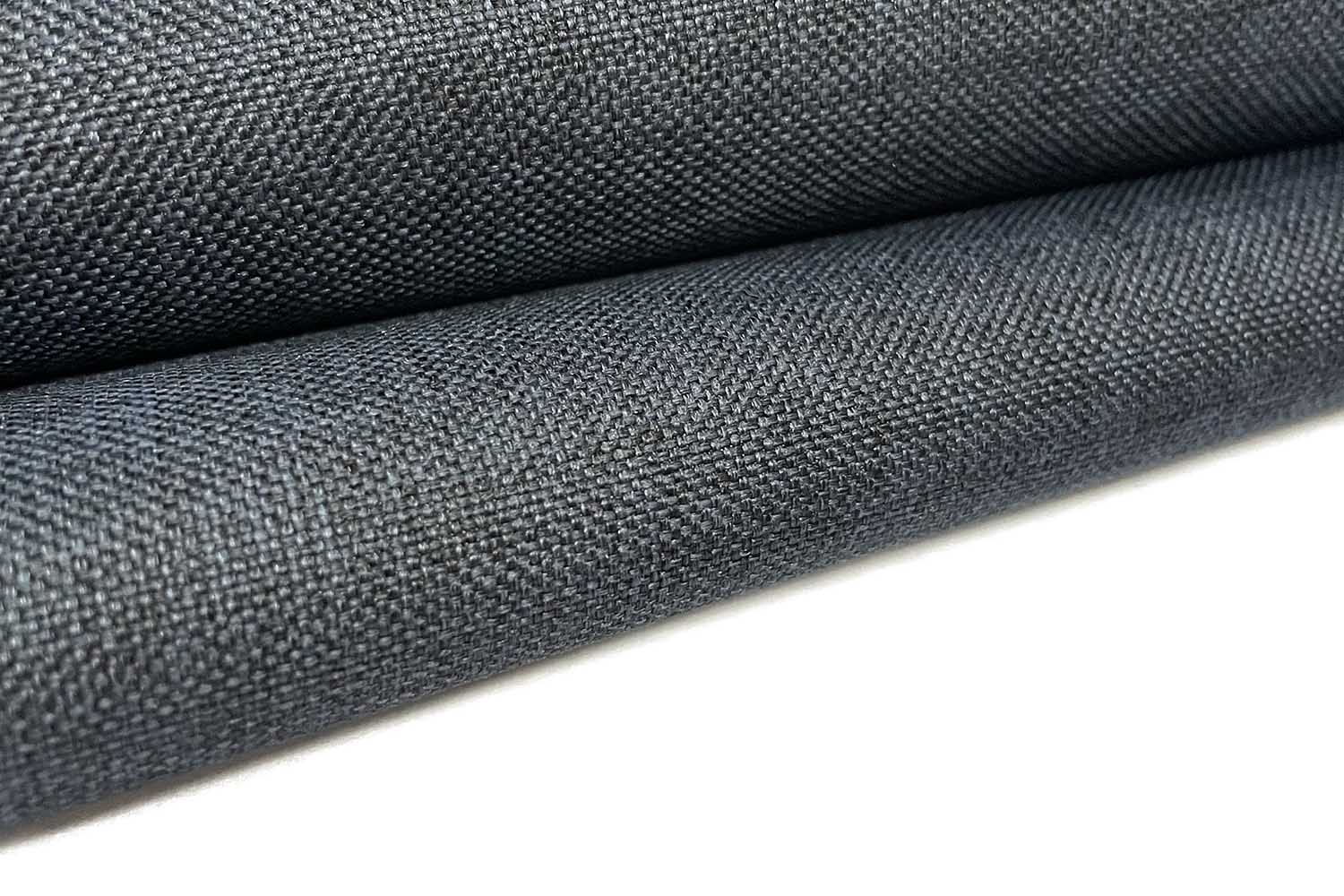
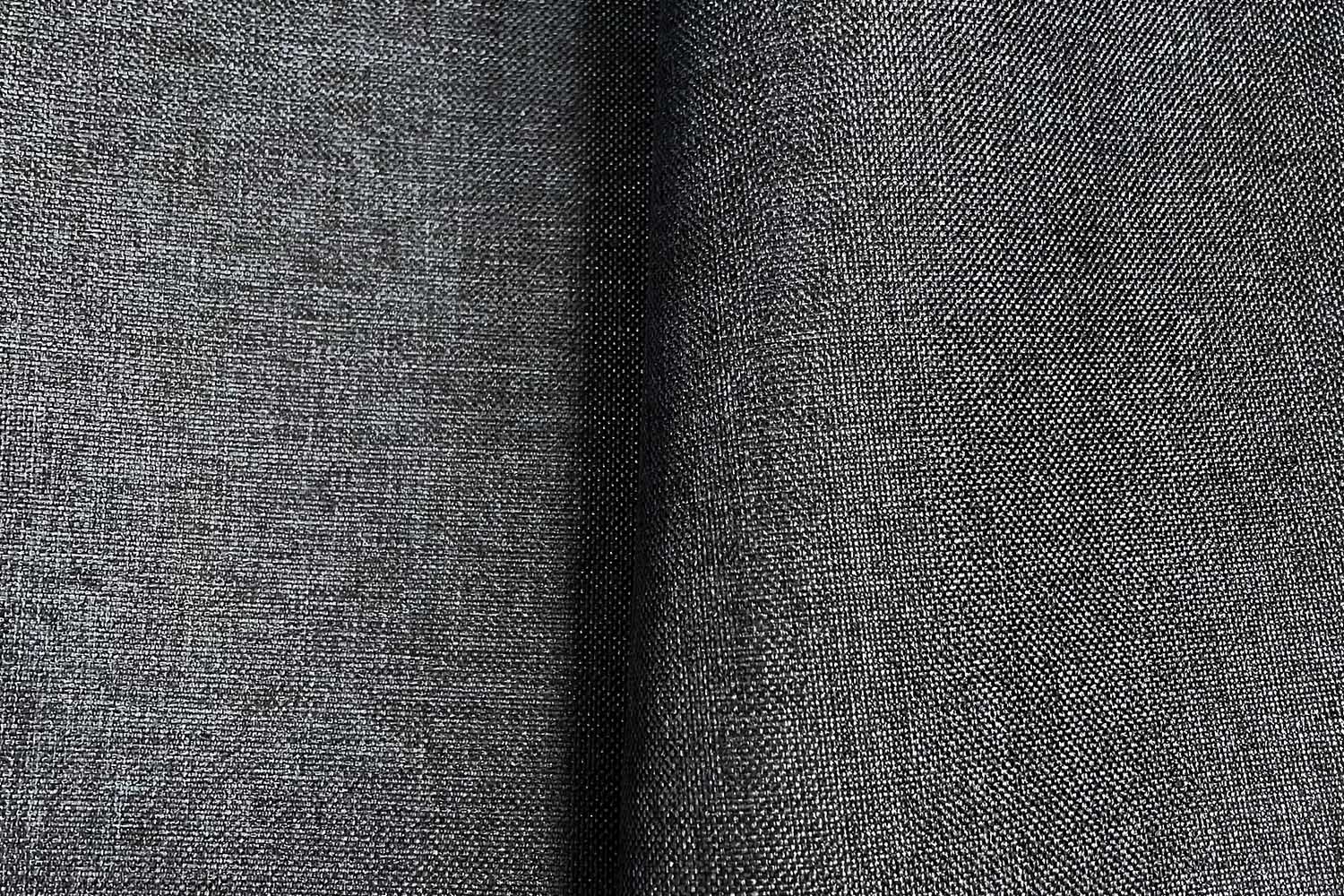
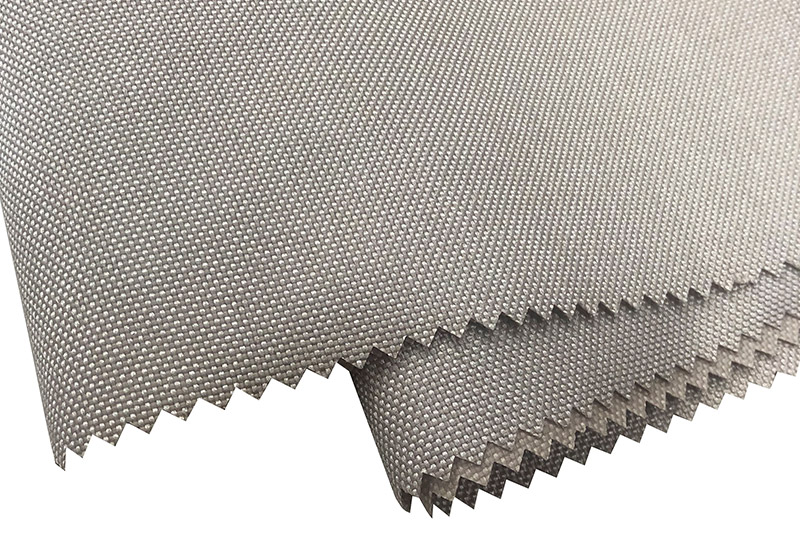
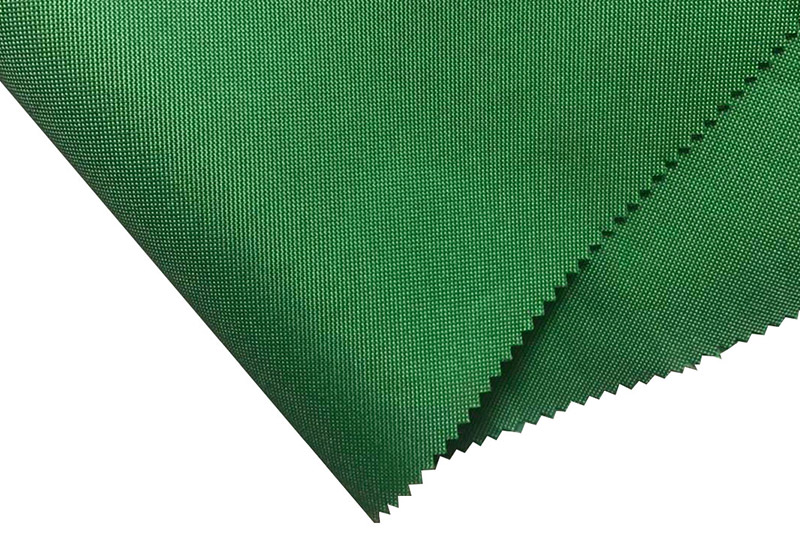
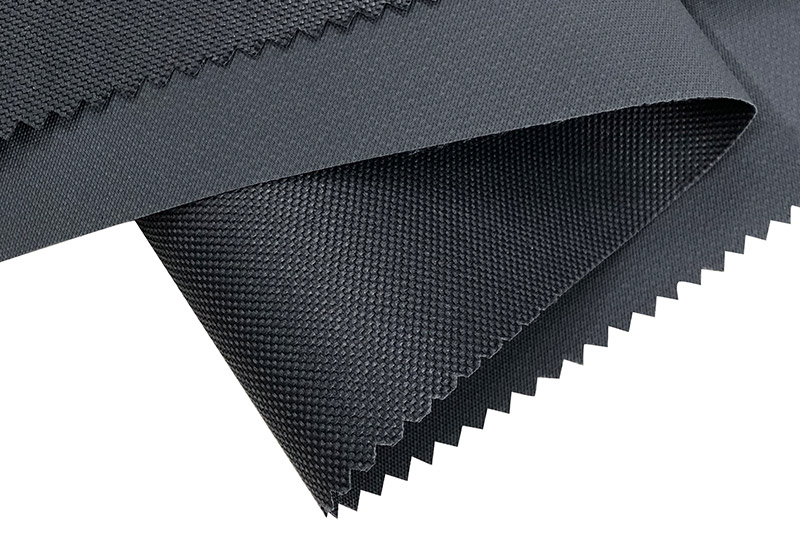
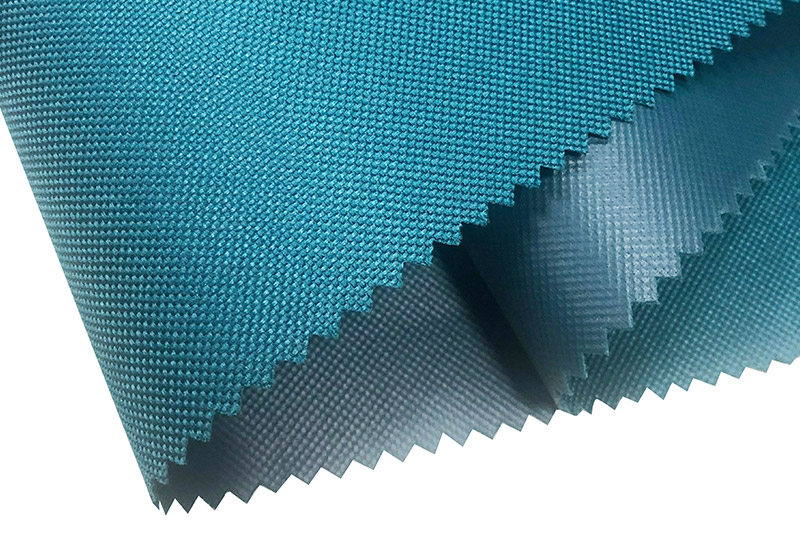
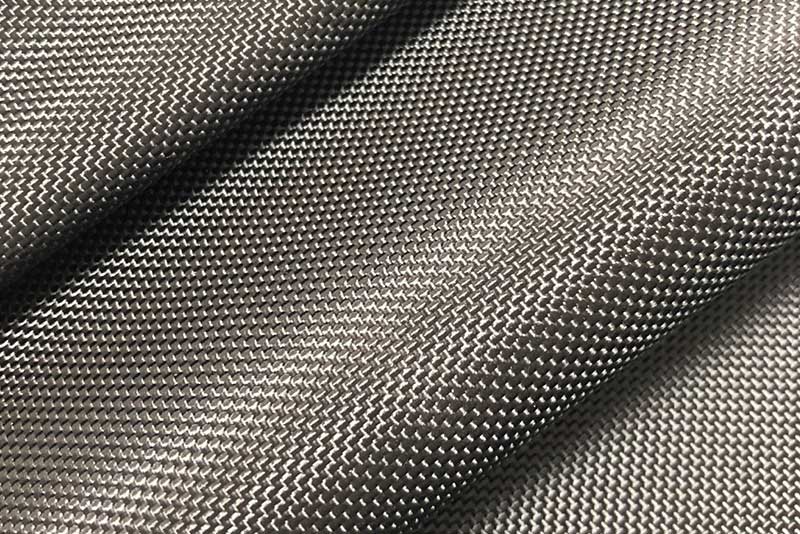
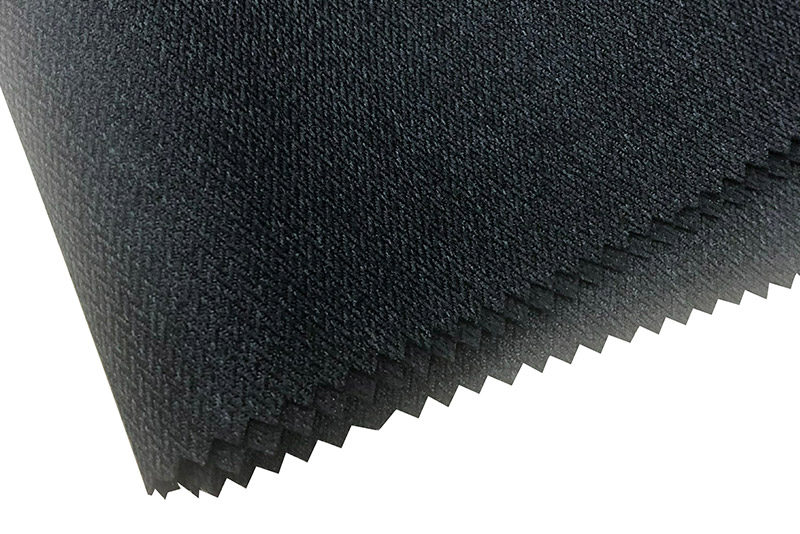
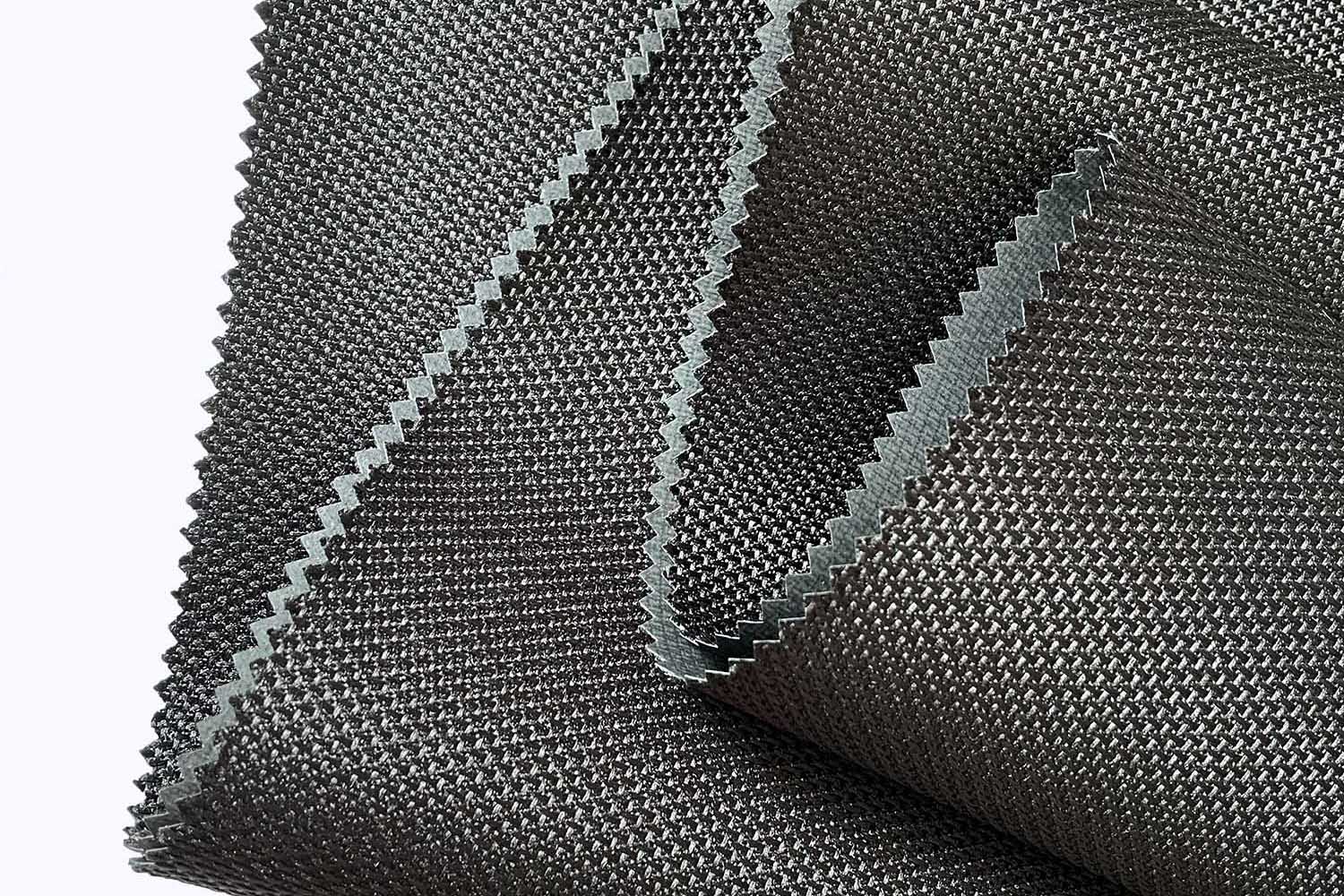
Brands today face a dual demand: products must survive real-world use, and they must stand up to scrutiny on sustainability. The 600D/62T Cation RPET Fabric With PU Coated addresses both. It pairs a proven 600D oxford construction with 100% recycled polyester content, cationic dyeing, and a waterproof PU backing.
Why This Fabric Fits Modern Bag Production
The 600D denier has long been the default choice for backpacks, school bags, and luggage because it balances weight and abrasion resistance. This version keeps that foundation while changing what the fiber is made from.
Three features define its value:
-
100% RPET base – The polyester comes entirely from recycled sources, supporting verifiable sustainability claims
-
Cationic dyeing – Colors penetrate deeply for stronger colorfastness and reduced batch variation
-
PU coating – Provides water resistance for daily exposure to rain and spills
At 200gsm with a 62T density, the fabric is substantial enough for main bag panels without becoming unnecessarily heavy.
Key Specifications
| Parameter | Detail |
|---|---|
| Material | RPET (recycled polyester) |
| Backing | PU |
| Yarn count | 600D |
| Density | 62T |
| Weight | 200gsm |
| Width | 58" |
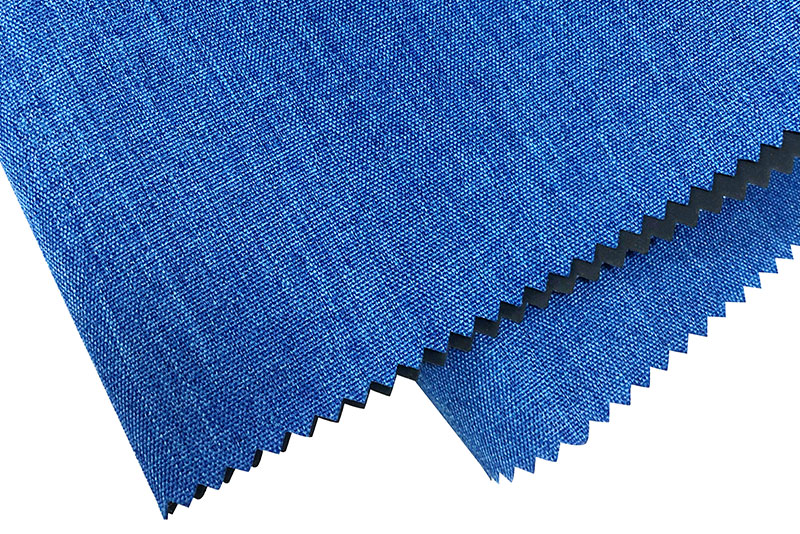
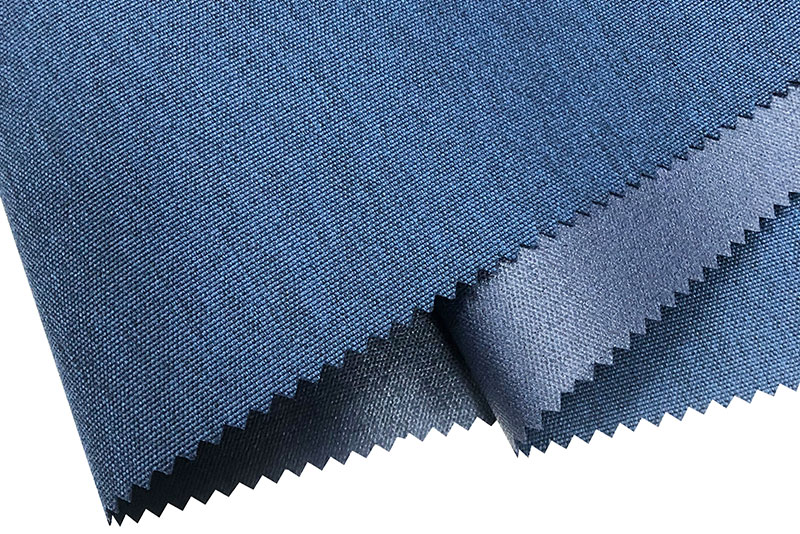
| Color | Custom colors available |
| Standards | REACH, ROHS, EN71-3 |
| MOQ | 1000m |
| Supply ability | 2,000,000m monthly |
The Practical Case for Cationic Dyeing
Cationic dyeing is not simply a color preference—it changes how the fabric behaves over time:
-
Deeper shade development – Colors appear richer than standard disperse dyeing
-
Improved wash fastness – Color retention holds through repeated cleaning
-
Reduced shade drift – Batch-to-batch consistency is easier to maintain
-
Two-tone potential – Can be paired with standard polyester for visual contrast effects
For brands selling through e-commerce, where color accuracy affects returns, this reduces a common source of customer complaints.
Understanding Oxford Fabric Options
300D Polyester Oxford Fabric
For lighter applications, 300d polyester oxford fabric offers a balance of durability and reduced weight, typically around 120-140gsm.
210D Oxford Cloth
For very lightweight uses such as linings, 210d oxford cloth comes in at roughly 80-100gsm.
420D Oxford Cloth
For medium-duty applications, 420d oxford cloth sits between light and heavy deniers at about 150-180gsm.
150D Oxford Fabric Waterproof
For lightweight waterproof needs, 150d oxford fabric waterproof offers water resistance at minimal weight.
150D Oxford Fabric
For the lightest applications, 150d oxford fabric suits accessories and linings where weight is the priority.
Fabric Comparison
| Property | 600D Cation RPET (200gsm) | 420D Oxford | 300D Oxford | 210D/150D Oxford |
|---|---|---|---|---|
| Weight | 200gsm | 150-180gsm | 120-140gsm | 60-100gsm |
| Recycled content | 100% RPET | Varies | Varies | Varies |
| Colorfastness | Excellent (cationic) | Good | Good | Good |
| Waterproof | Yes (PU) | With coating | With coating | With coating |
| Best for | Backpacks, luggage | Mid-range bags | Light bags | Linings, ultra-light |
Primary Applications
| Application | Why It Fits |
|---|---|
| Backpacks & School Bags | 600D durability with sustainability credentials |
| Luggage & Travel Bags | PU coating handles weather exposure |
| Promotional Bags | Recycled content supports brand messaging |
| Outdoor Accessories | Abrasion resistance for repeated use |
| Eco-positioned Product Lines | 100% RPET supports circular economy claims |
FAQ
Q1: What does 100% RPET mean for this fabric?
A: The polyester base is made entirely from recycled material, typically post-consumer plastic bottles, rather than virgin petroleum-based fiber.
Q2: Is this fabric waterproof?
A: Yes. The PU coating provides water resistance on this waterproof rpet oxford fabric , suitable for backpacks and daily-use bags.
Q3: Why is cationic dyeing used?
A: cationic rpet fabric offers deeper, more colorfast shades with better batch consistency than standard dyeing.
Q4: How does 600D compare to 300d polyester oxford fabric ?
A: 600D is heavier and more abrasion-resistant, better suited to main bag panels, while 300D is lighter for secondary uses.
Q5: What is 210d oxford cloth used for?
A: 210d oxford cloth is typically used for linings or lightweight accessories.
Q6: What is 420d oxford cloth used for?
A: 420d oxford cloth is a medium-weight option for general bags and covers.
Q7: What is 150d oxford fabric waterproof used for?
A: 150d oxford fabric waterproof suits ultra-lightweight waterproof applications.
Q8: What is the MOQ and delivery time?
A: MOQ is 1000m, with monthly capacity of 2,000,000m and typical delivery within 20 days.
Get a Quote
Ready to source recycled 600D fabric for your bag production? Contact Hangzhou Gaoshi Luggage Textile Co., Ltd. today.
Tel: +86-571-22917799
Email: [email protected]
Address: No.88 Yinxin Rd., Yaqian Town, Hangzhou City, Zhejiang, China

 Tel: +86-571-22917799
 Fax: +86-571-82799678
 E-mail:
 Add: No.88 Yinxin Rd.,Yaqian Town,Hangzhou City, Zhejiang, China.