+86-571-22917799




 English
 简体中文
 русский
 Español
Content
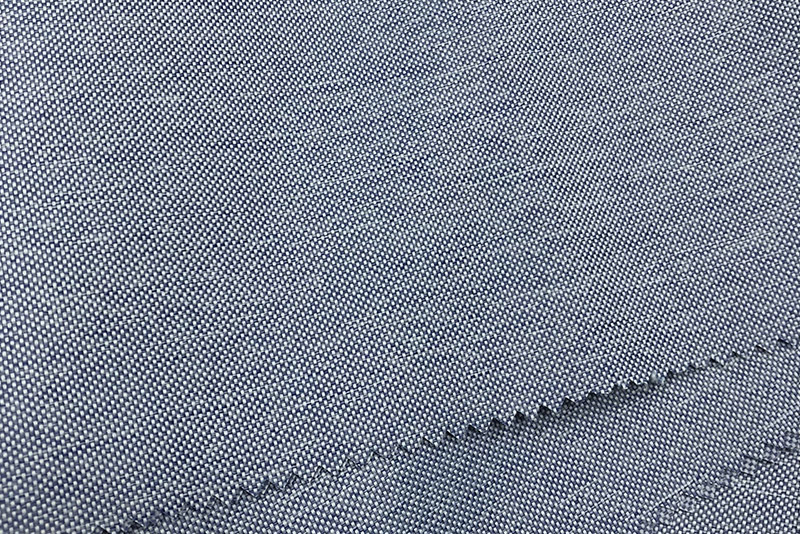
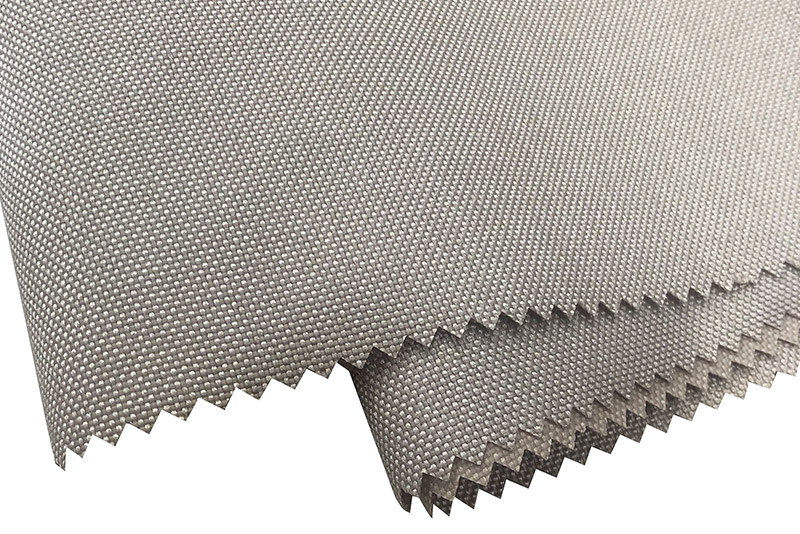
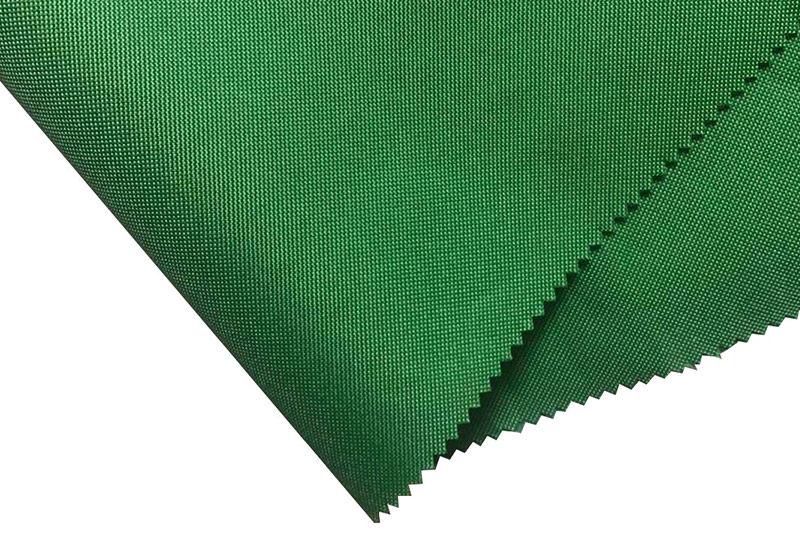
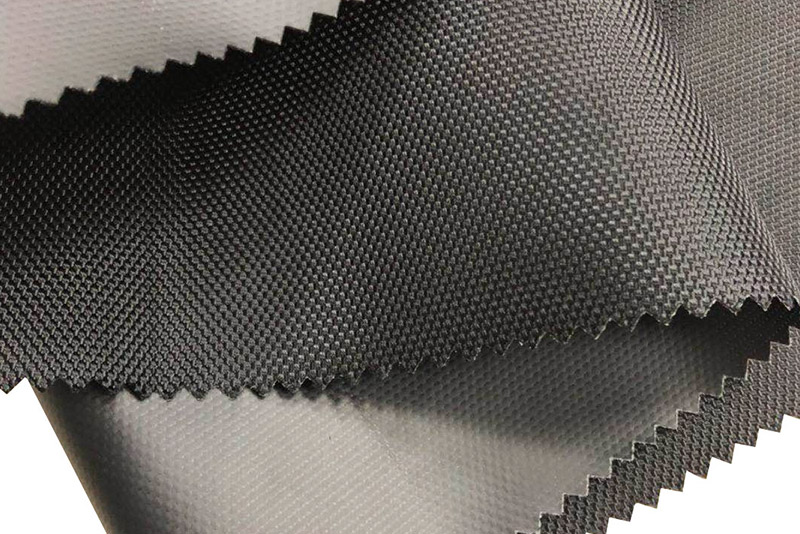
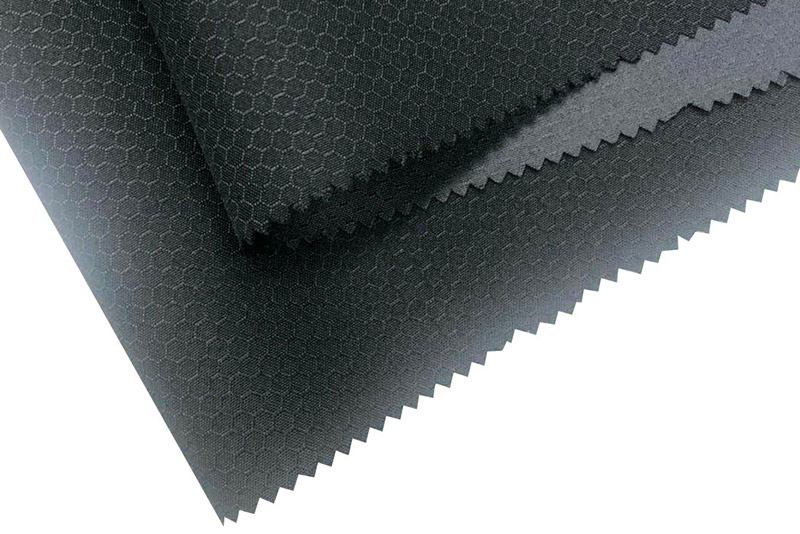
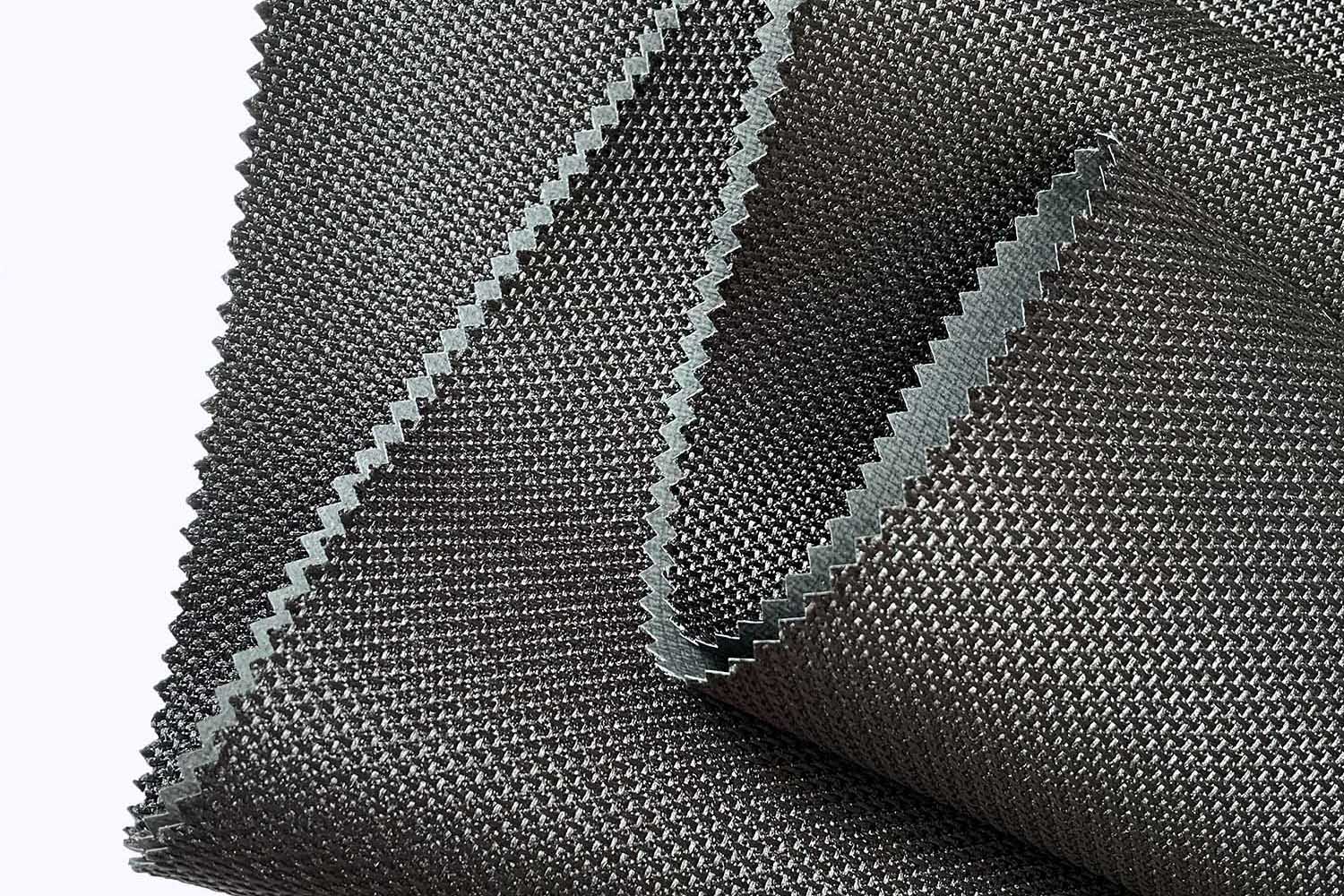
Fabric specification often involves choosing between environmental credentials and functional performance. The 500D500D78T RPET With TPE Coated avoids that trade-off by pairing 100% recycled polyester content with TPE (Thermoplastic Elastomer) coating—an eco-friendly alternative to conventional PVC backing.
Hangzhou Gaoshi Luggage Textile Co., Ltd. has manufactured oxford fabrics since 2002, supplying bag, backpack, tent, and outdoor furniture cover markets.

Why TPE Coating Is Different from PVC
Most waterproof oxford fabrics rely on PVC backing. TPE is a different material with practical advantages:
PVC-free composition. TPE contains no chlorine or phthalates, which matters for brands publishing environmental commitments and for products used by children.
Flexibility in cold conditions. PVC can stiffen and crack at low temperatures. TPE remains pliable, which suits outdoor covers and bags used in varied climates.
Odour-free. PVC-coated fabrics often carry a noticeable plastic smell when new. TPE avoids this.
Recyclable. TPE can be reprocessed, unlike thermoset PVC.
Combined with 100% RPET base fabric, this produces a construction where both the fibre and the coating support sustainability claims.
Key Specifications
| Parameter | Detail |
|---|---|
| Material | RPET (recycled polyester) |
| Yarn count | 500D × 500D |
| Density | 78T |
| Weight | 380gsm |
| Width | 58" |
| Backing | TPE |
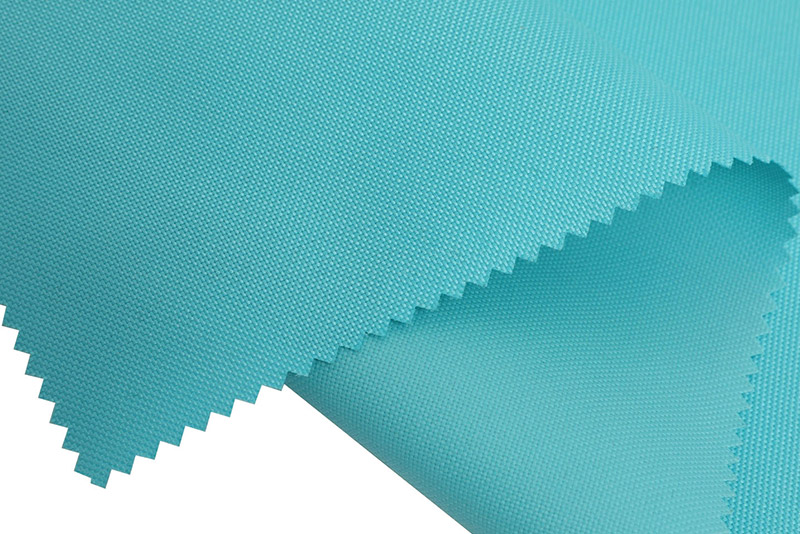
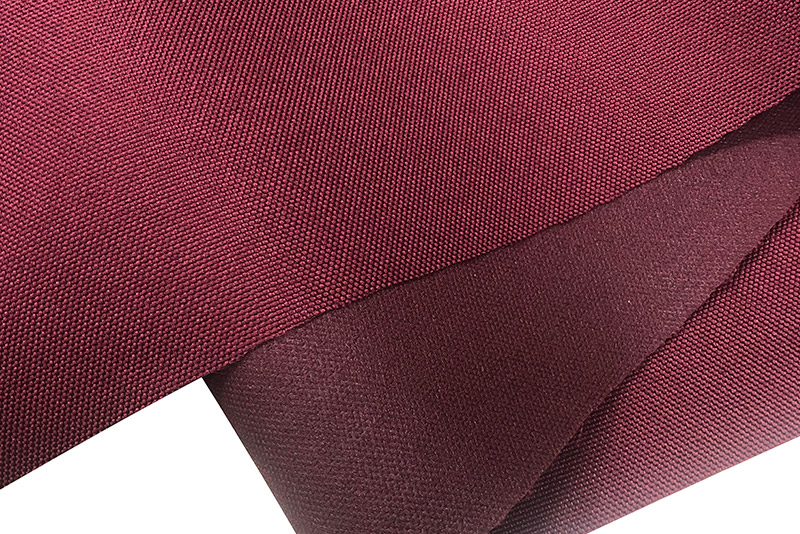
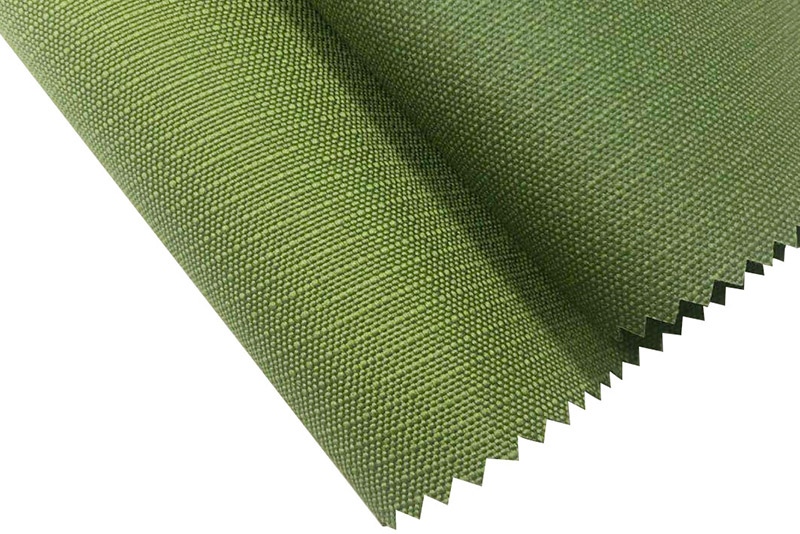
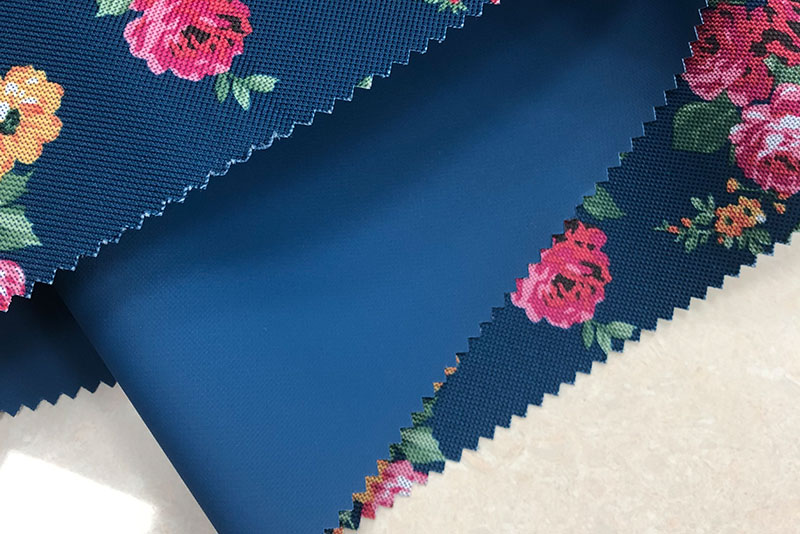
| Colour | Custom colours available |
| Standards | REACH, ROHS, EN71-3 |
| MOQ | 1000m |
| Supply ability | 2,000,000m monthly |
Where Solution Dyeing Changes the Specification
This fabric uses standard dyeing, which suits indoor and moderate-exposure applications. For products facing continuous sun, buyers should understand the alternatives.
solution dyed polyester fabric embeds pigment in the polymer before fibre extrusion, providing superior UV fade resistance. 100 solution dyed polyester refers to fabric made entirely from solution-dyed yarn, while 600d solution dyed polyester applies the same process to heavier deniers used in luggage and school bags.
dope dyeing of polyester is the technical term for the same process: pigment added to the melt before extrusion. For polyester outdoor applications facing extended sun exposure, solution dyeing extends service life significantly compared with surface dyeing.
For bags used daily but stored indoors, standard dyeing combined with TPE coating is adequate and cost-effective.
Applications
| Application | Why This Fabric Fits |
|---|---|
| Bags & Backpacks | 380gsm structure with eco-friendly waterproofing |
| Outdoor Furniture Covers | TPE flexibility in cold weather |
| Tents & Shelters | Waterproof without PVC |
| Baby Strollers | PVC-free construction, child-safe standards |
| Eco-Positioned Product Lines | 100% RPET plus recyclable TPE coating |
Fabric Comparison
| Property | 500D RPET TPE (380gsm) | 500D RPET PU (165gsm) | 600D Oxford |
|---|---|---|---|
| Weight | 380gsm | 165gsm | 200-250gsm |
| Coating | TPE (PVC-free) | PU | PU or PVC |
| Recycled content | 100% RPET | 100% RPET | Varies |
| Cold flexibility | Excellent | Good | Varies |
| Best for | Outdoor covers, strollers | Daily backpacks | Luggage, school bags |
FAQ
Q1: What is TPE coating and why choose it over PVC?
A: TPE (Thermoplastic Elastomer) is a PVC-free, recyclable coating that remains flexible in cold conditions and contains no phthalates. It suits brands prioritising environmental credentials.
Q2: Is this fabric waterproof?
A: Yes. The TPE coating makes this waterproof rpet fabric water-resistant, suitable for bags and outdoor covers.
Q3: What does 100% RPET mean?
A: The polyester base is made entirely from recycled material, typically post-consumer plastic bottles, supporting circular economy claims.
Q4: Can this fabric be specified with solution-dyed yarn?
A: solution dyed polyester fabric options are available where greater UV colour stability is required.
Q5: What is the difference between dope dyeing and standard dyeing?
A: dope dyeing of polyester embeds pigment in the fibre before extrusion, offering superior UV stability compared with surface dyeing.
Q6: What is the advantage of 78T density?
A: The 78T density provides a tight weave that resists punctures and holds shape under load.
Q7: Is this fabric safe for baby strollers?
A: Yes. The PVC-free TPE coating and RPET base can meet REACH, ROHS, and EN71-3 standards, making them suitable for children's products.
Q8: What is the MOQ and lead time?
A: MOQ is 1000m, with monthly capacity of 2,000,000m and typical delivery within 20 days.
Get a Quote
Ready to source eco-friendly TPE-coated fabric for your product line? Contact Hangzhou Gaoshi Luggage Textile Co., Ltd. today.
Tel: +86-571-22917799
Email: [email protected]
Address: No.88 Yinxin Rd., Yaqian Town, Hangzhou City, Zhejiang, China

 Tel: +86-571-22917799
 Fax: +86-571-82799678
 E-mail:
 Add: No.88 Yinxin Rd.,Yaqian Town,Hangzhou City, Zhejiang, China.